Annunciatie — History & Analysis
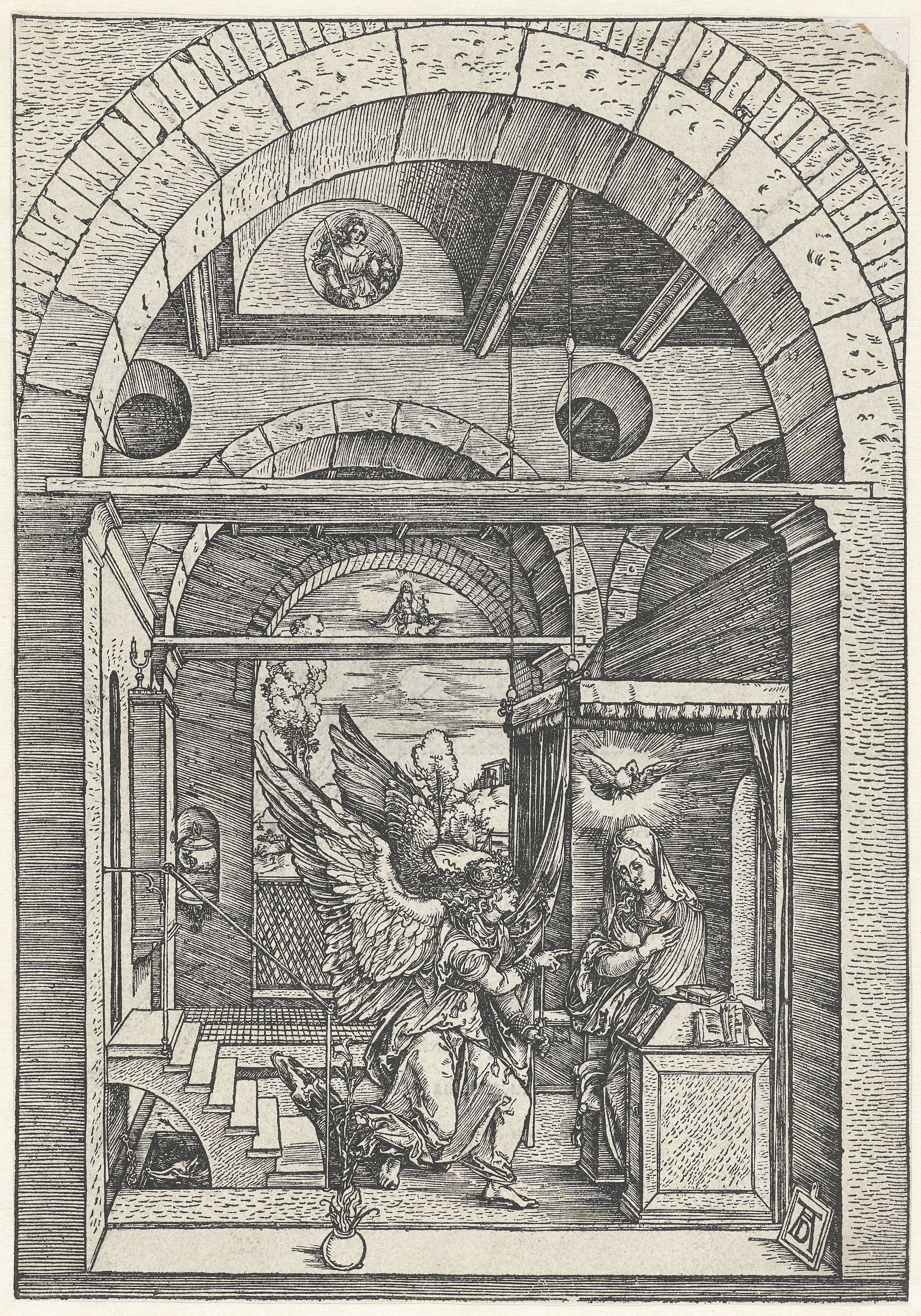
Could beauty survive in a century of chaos? Albrecht Dürer’s Annunciatie invites us to ponder this question amid the tumult of the early 16th century, where art emerged as a sanctuary for the human soul, even as madness loomed on the horizon. Look to the center of the composition, where the angel Gabriel, resplendent in brilliant whites and soft blues, extends a message of divine grace. Notice how the delicate interplay of light illuminates his wings, creating a halo effect that enhances the reverence of the moment.
To the left, Mary’s gaze is caught in a gentle mixture of wonder and acceptance, her modest gown draping around her like a protective veil. The detailed background, with architectural elements and lush foliage, reinforces the sacredness of this interaction, creating a serene contrast to the chaos of the outside world. Hidden within the painting are deeper layers of meaning, reflecting tension between the celestial and terrestrial. The angel’s serene composure juxtaposed with Mary’s ambivalence symbolizes the emotional turmoil of accepting a divine calling amid societal upheaval.
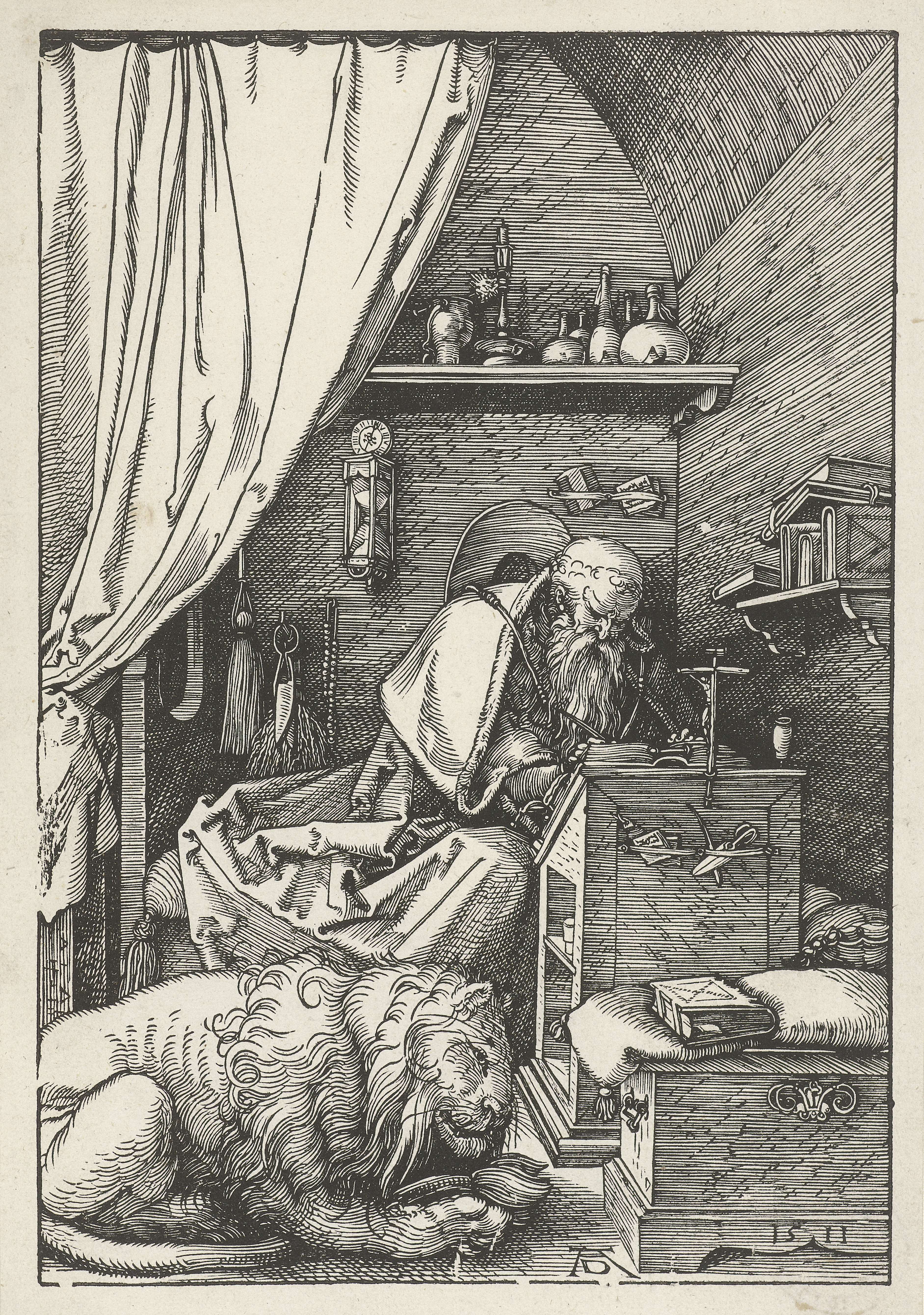
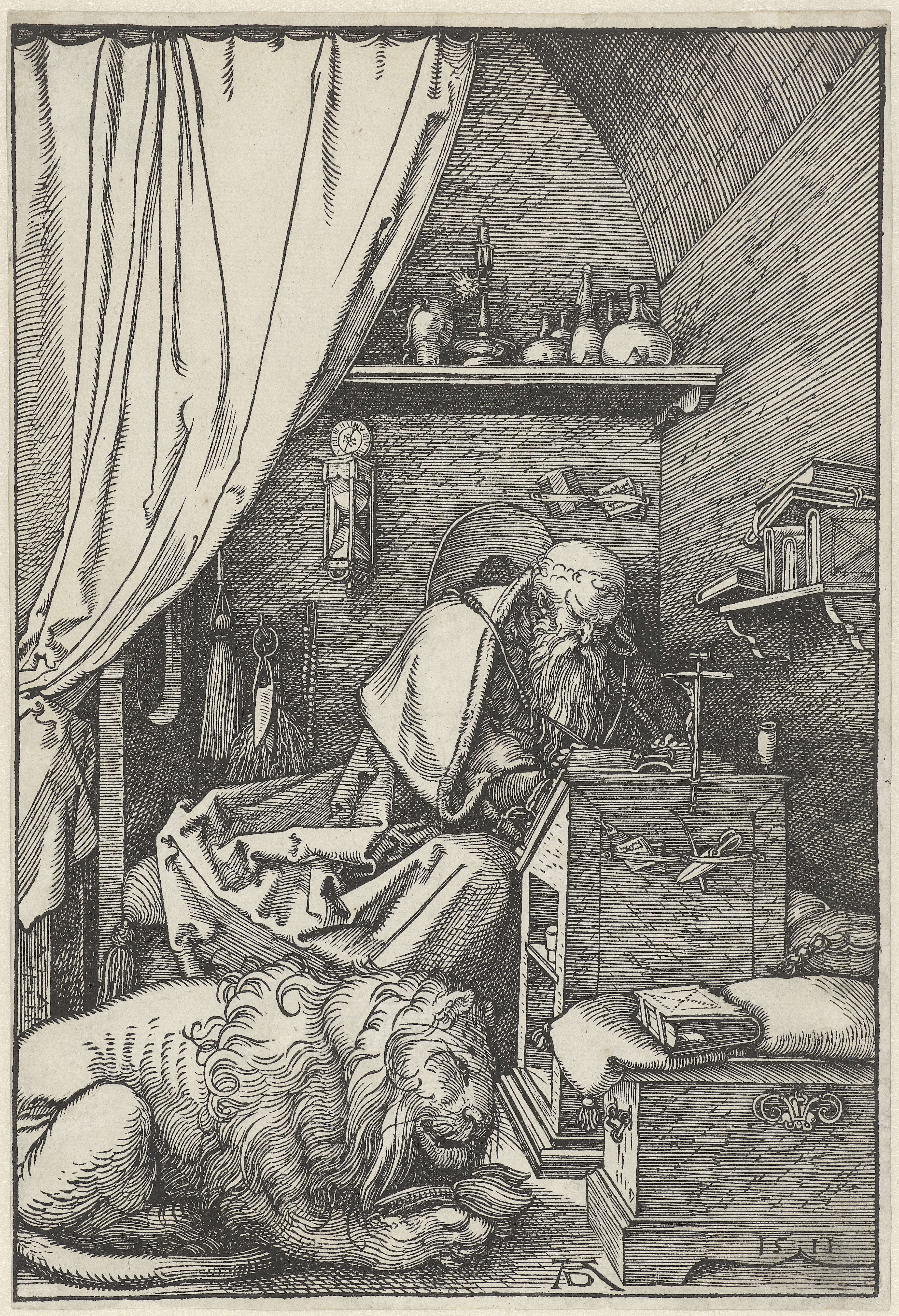
Furthermore, the delicate balance between light and shadow suggests a broader theme: the struggle of humanity to find hope within despair, as the vibrant colors of the figures starkly contrast the muted tones of a world on the brink of transformation. Dürer created Annunciatie in 1511 in Nuremberg, during a time when the Reformation began shaking the foundations of the Catholic Church and redefining artistic expression. Influenced by both emerging humanist ideals and the spiritual fervor of his time, Dürer’s work emerged not only as a testament to religious devotion but also as a reflection of the complex interplay between beauty and chaos in a rapidly changing world.