Antilia — History & Analysis
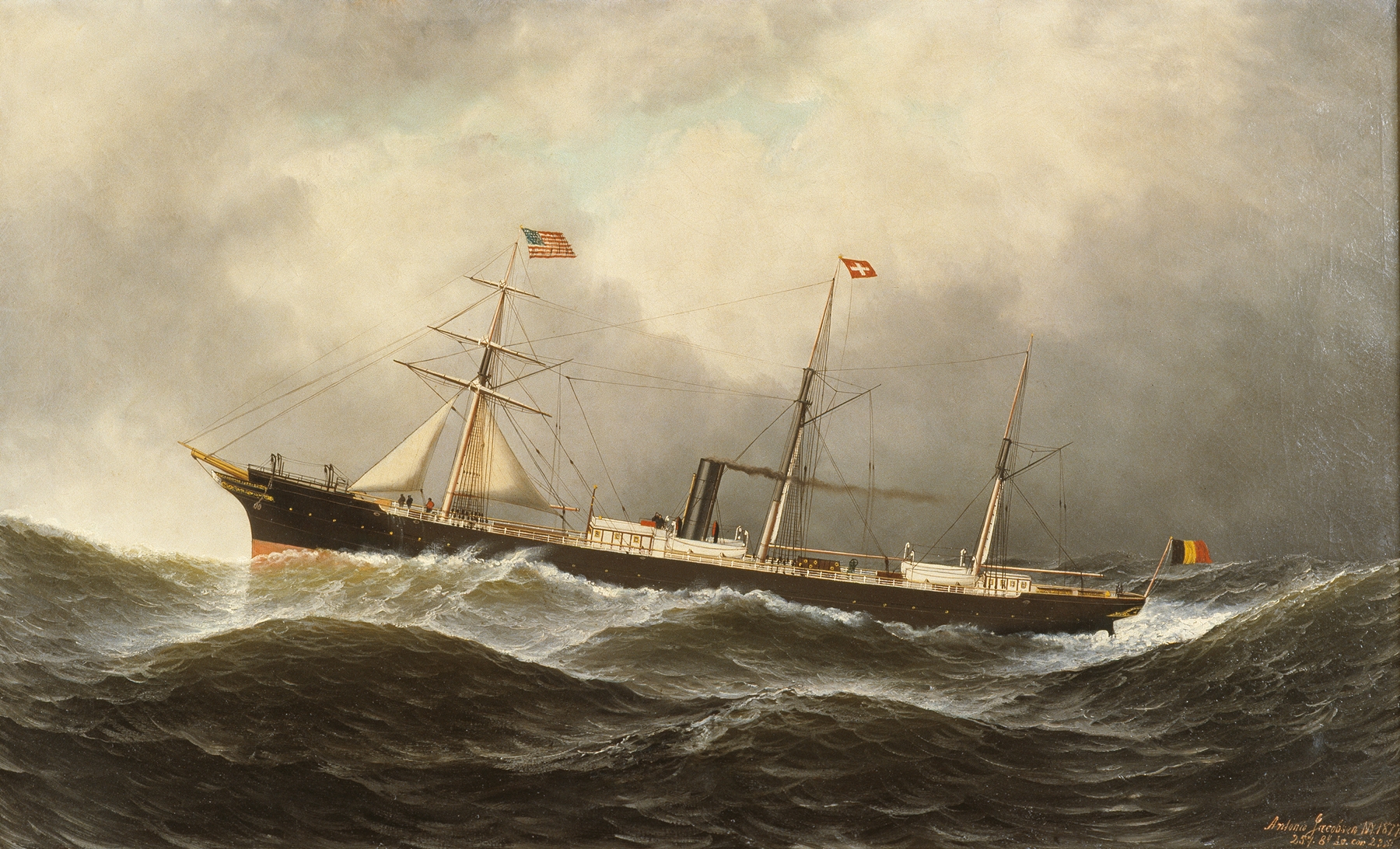
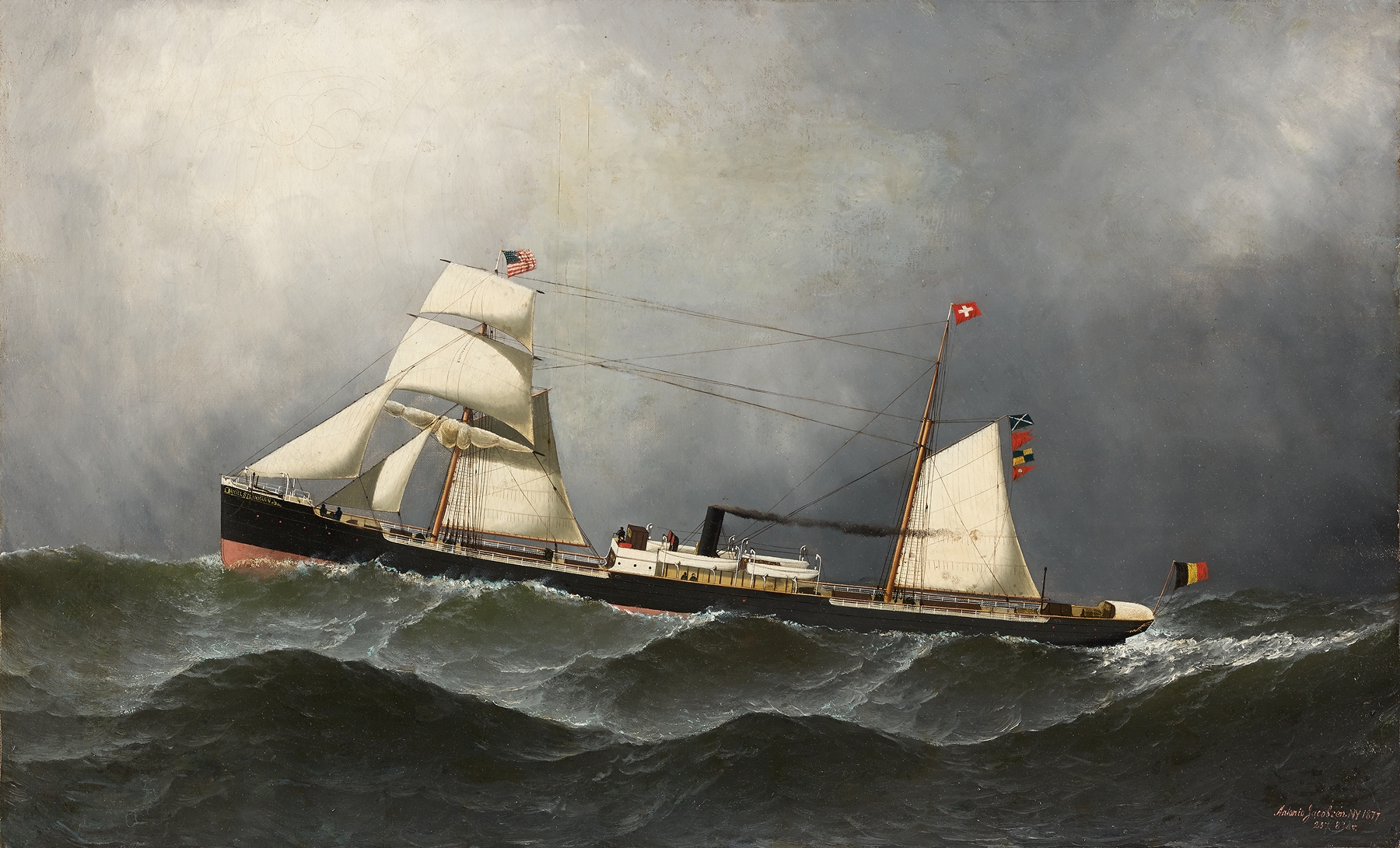
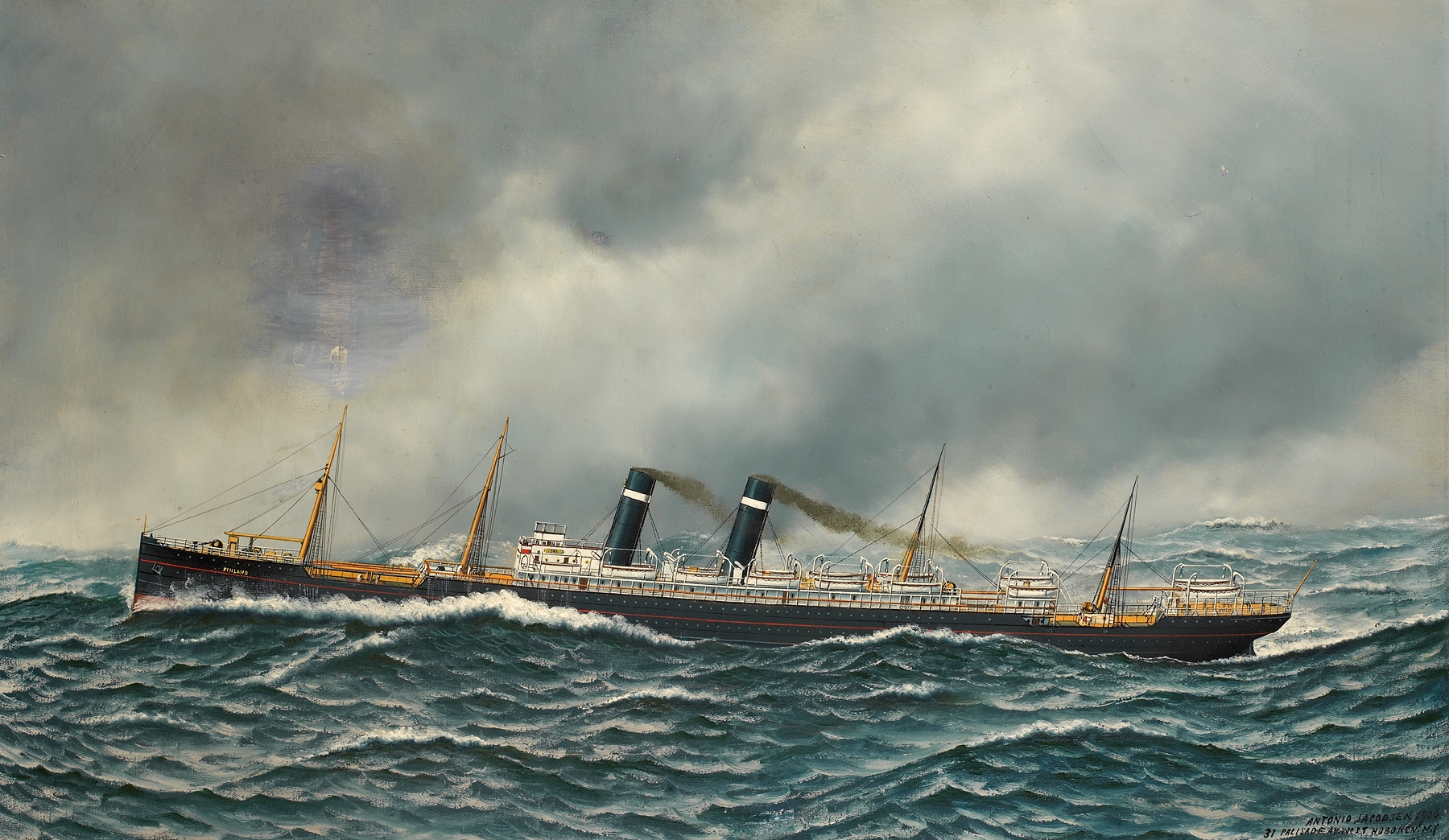
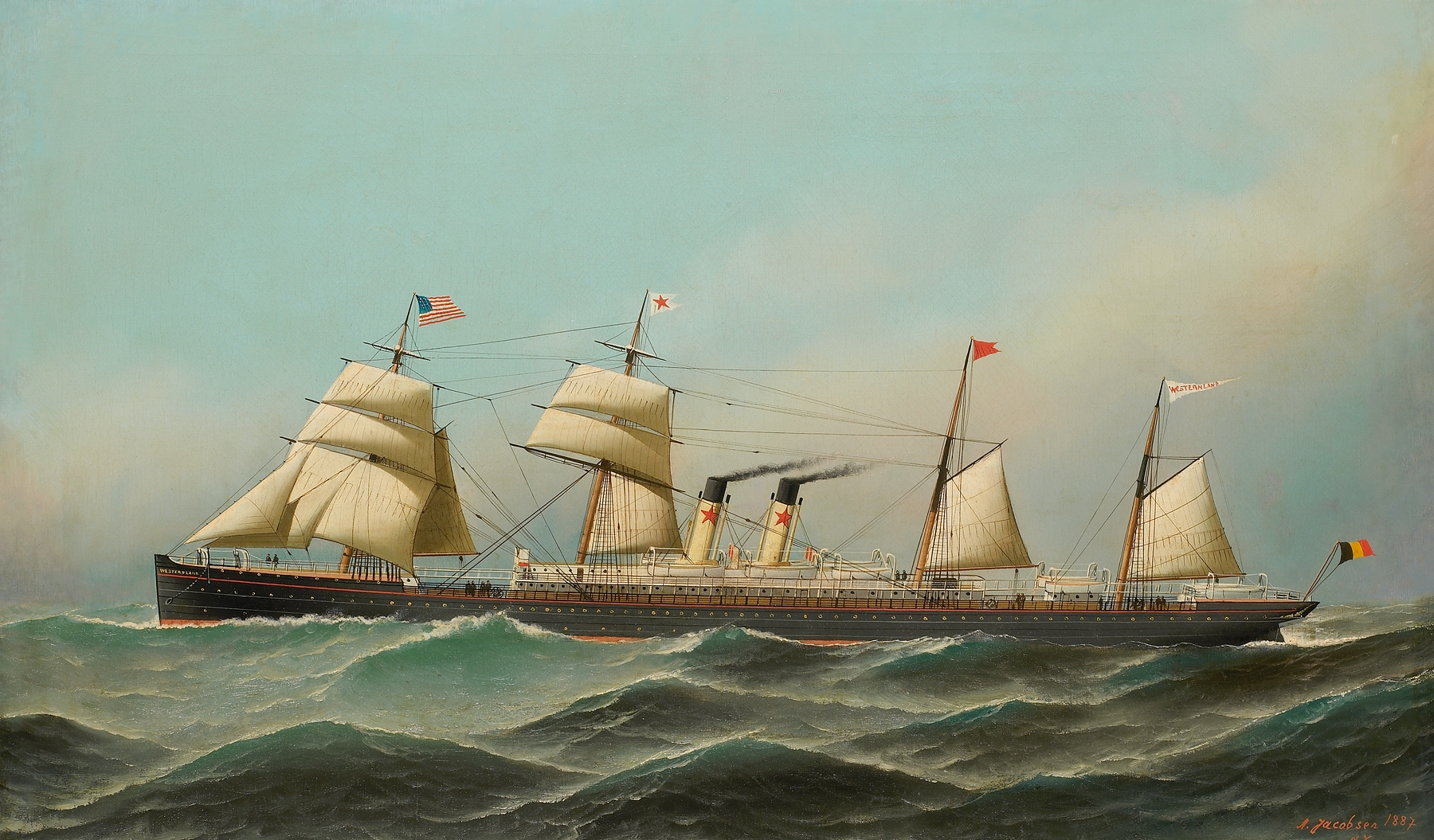
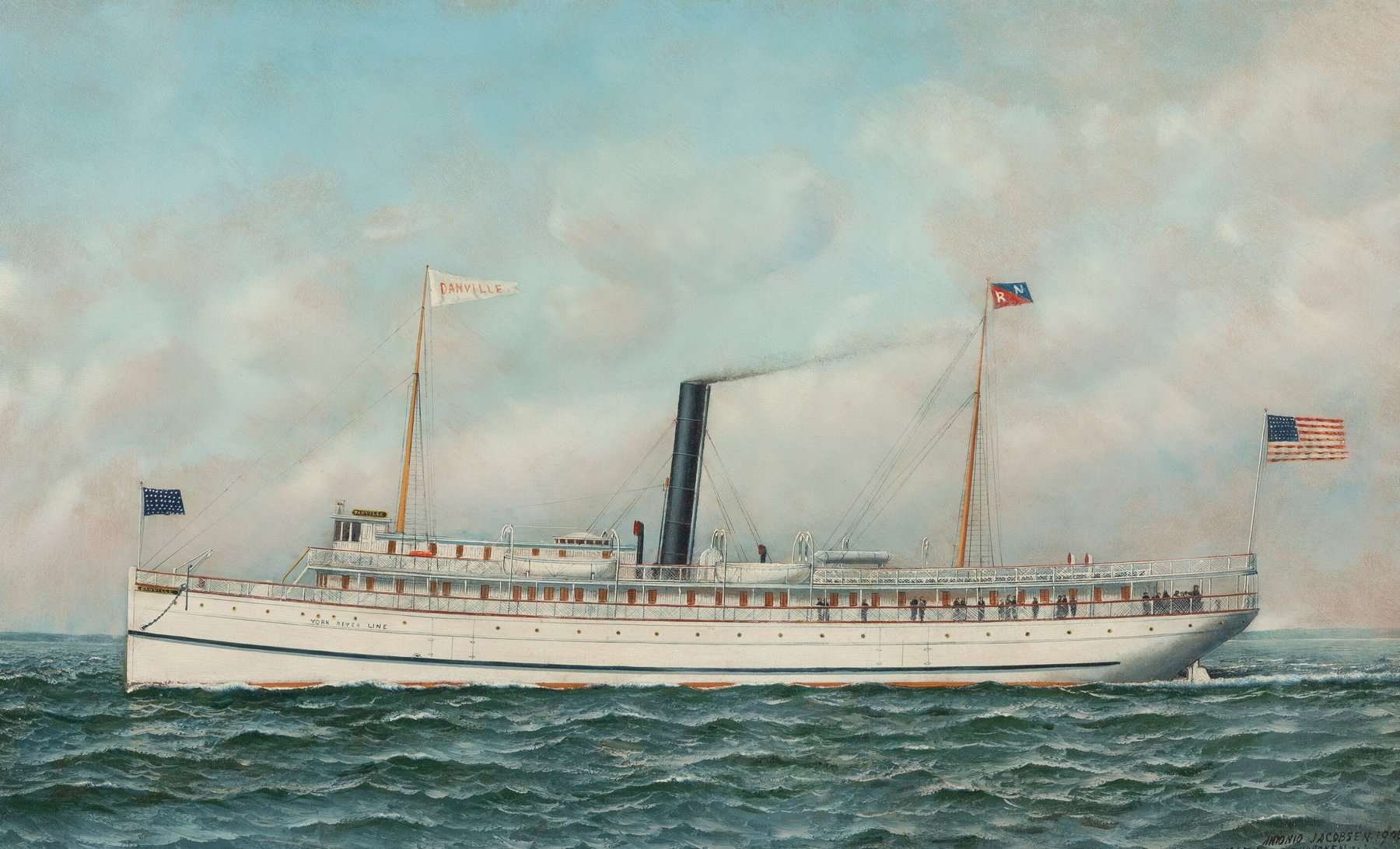
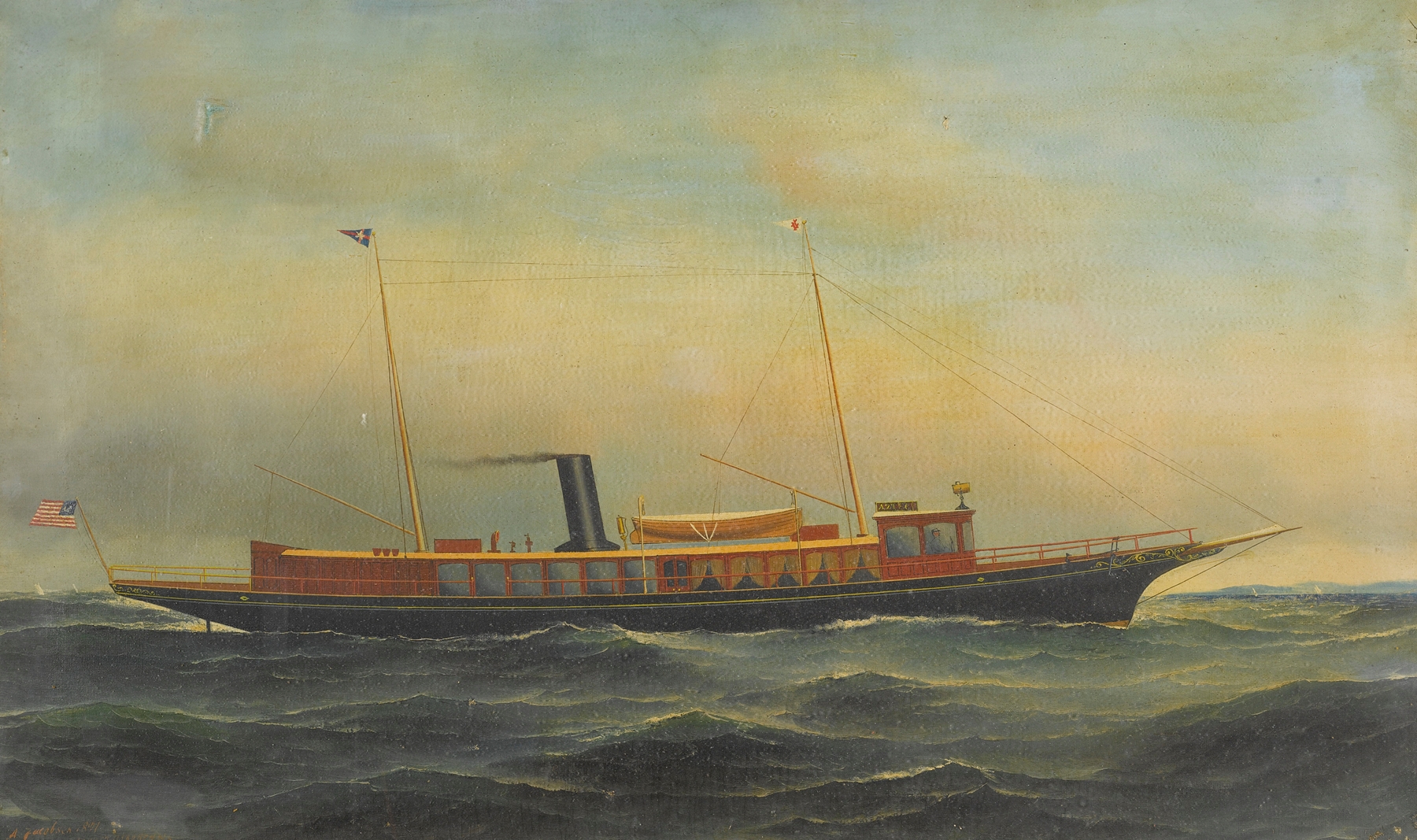
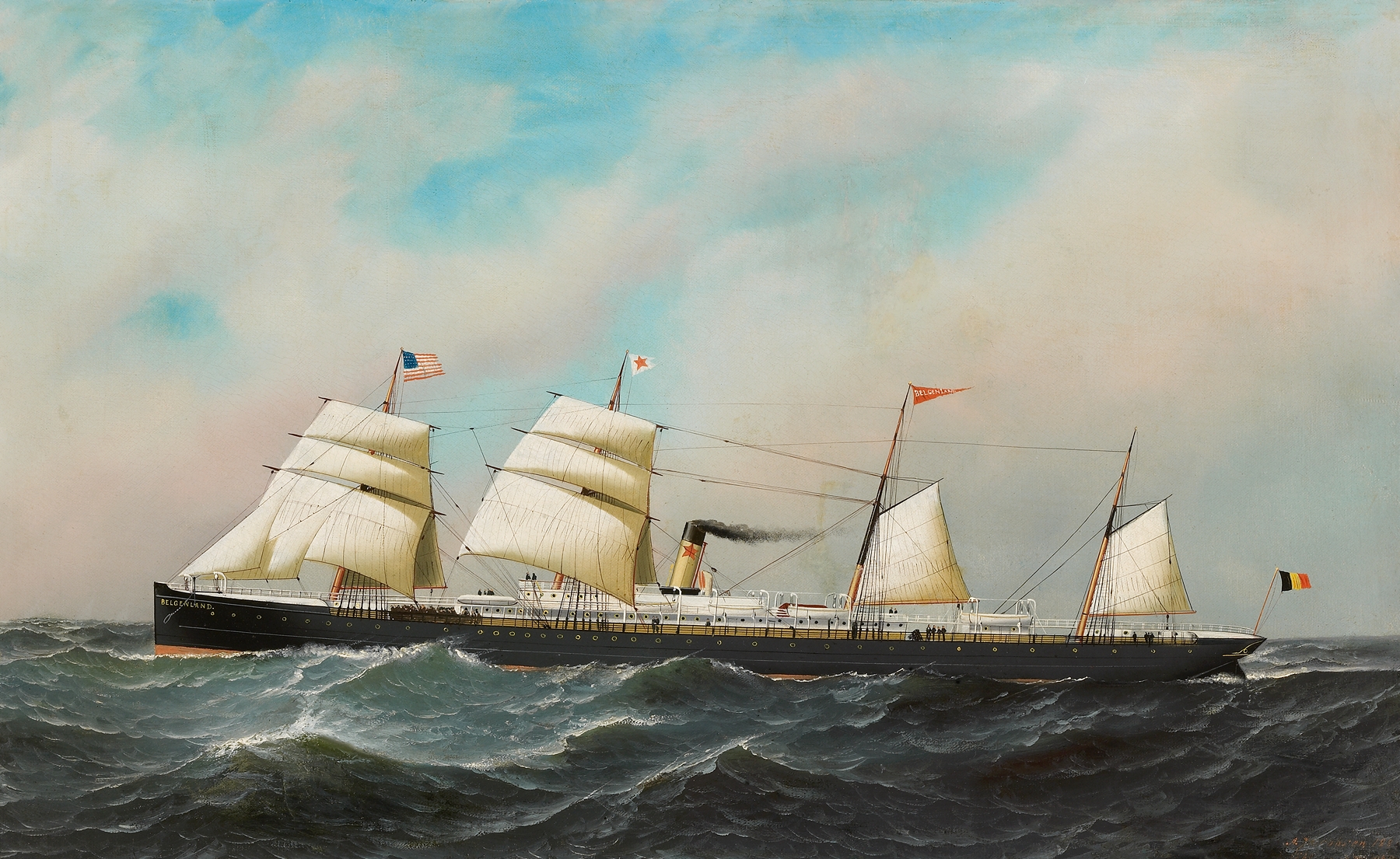
Is this a mirror — or a memory? The delicate play of light on water beckons the viewer into a realm where innocence drifts alongside the vessel in tranquil navigation. Look to the center of the canvas, where the stately ship, Antilia, commands attention, its white sails billowing gracefully against a backdrop of soft blues and greens. The meticulous attention to detail in the ship’s rigging and hull invites admiration, while the gentle ripples reflect a serene sky.
Notice how the light falls upon the water, creating a shimmering pathway that unites the ship and the viewer, suggesting a shared journey through time and space. The contrast between the ship's robust presence and the ethereal quality of the surrounding water speaks to the tensions of human ambition and nature’s quiet beauty. Subtle hints of nostalgia weave through the composition, as the smooth surface of the water might symbolize memories that both cradle and elude us.
The interplay of light and shadow enhances this effect, drawing us into a meditation on the transience of innocence, as the ship sails forward, perhaps toward a destiny unknown. In 1893, Jacobsen was immersed in the flourishing maritime art scene of New York, capturing the romance of the sea while reflecting the era's fascination with exploration and progress. His paintings often celebrated the majesty of ships, and in Antilia, he encapsulates not just the craftsmanship of the vessel but also the poignant essence of what it means to journey through life—both in pursuit and in reflection.