Het stoomschip met hulpzeilvermogen Belgenland — History & Analysis
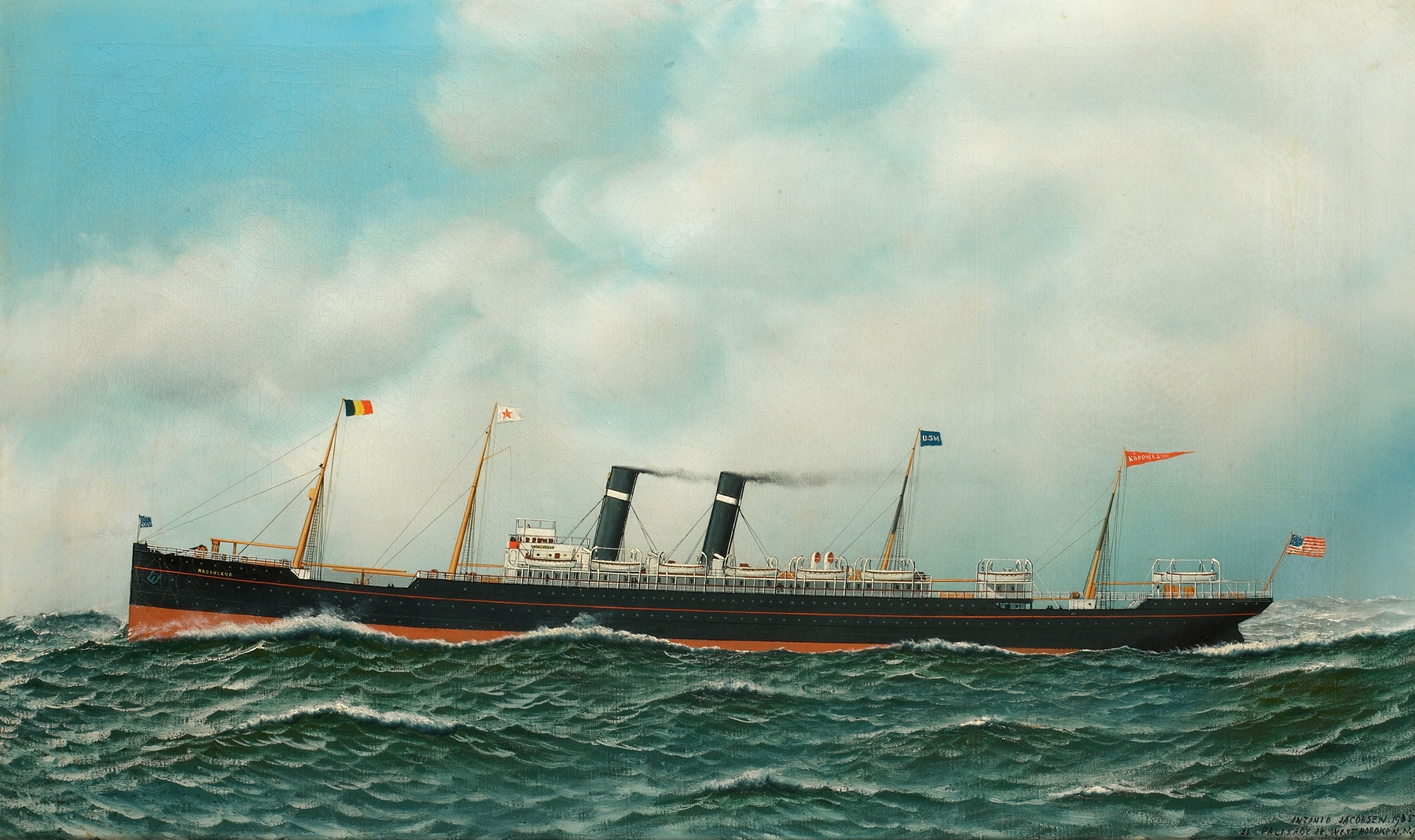
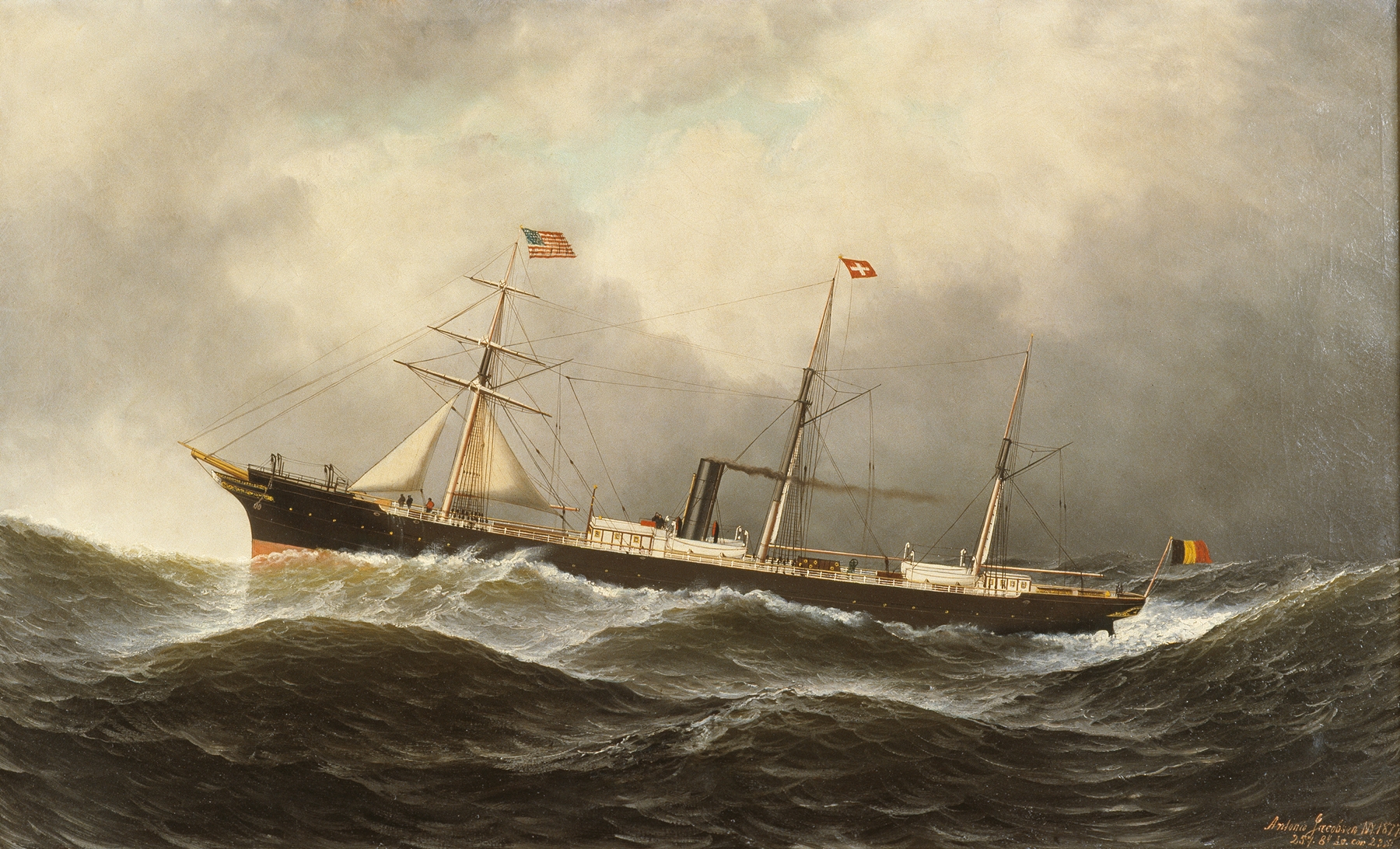
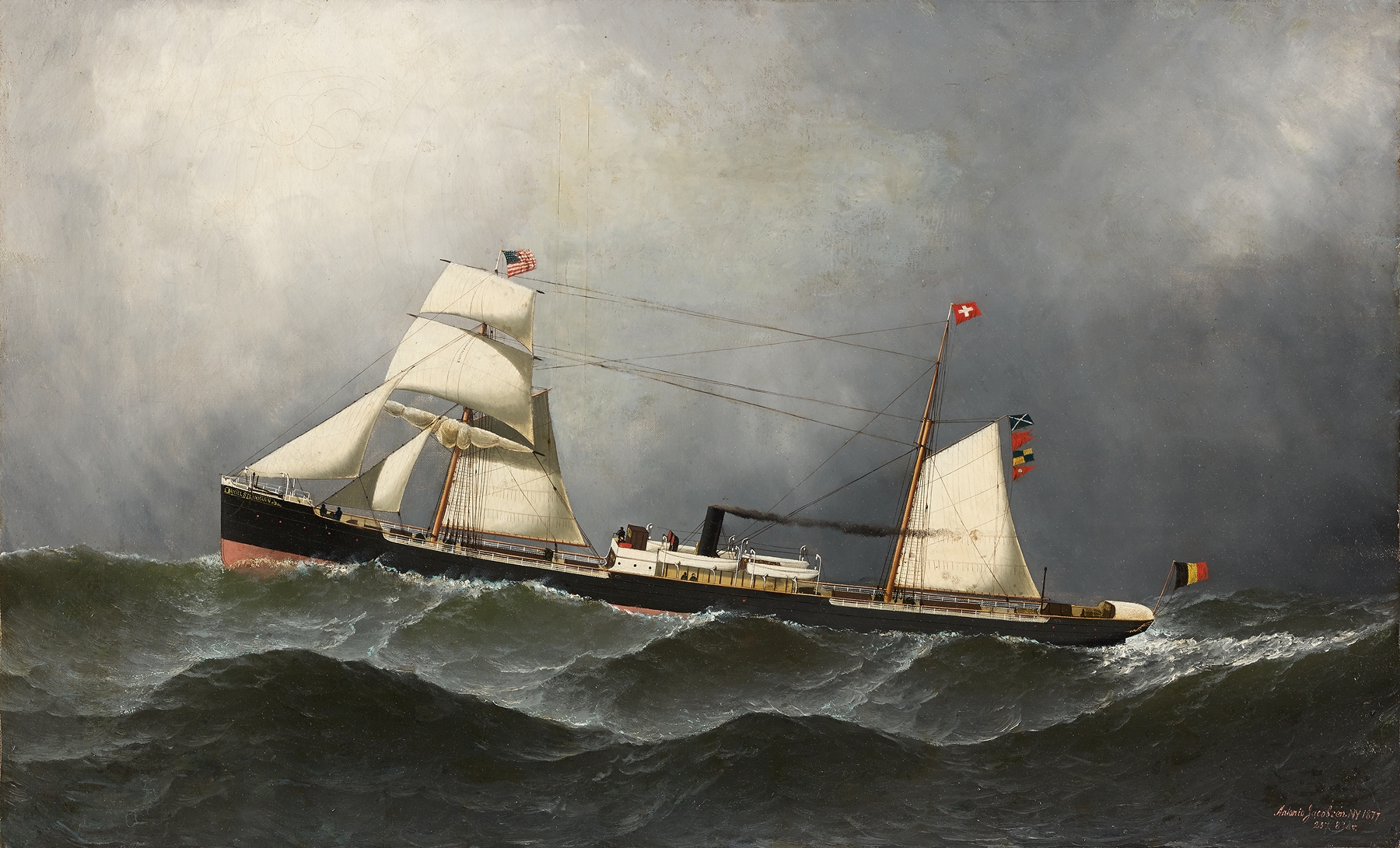
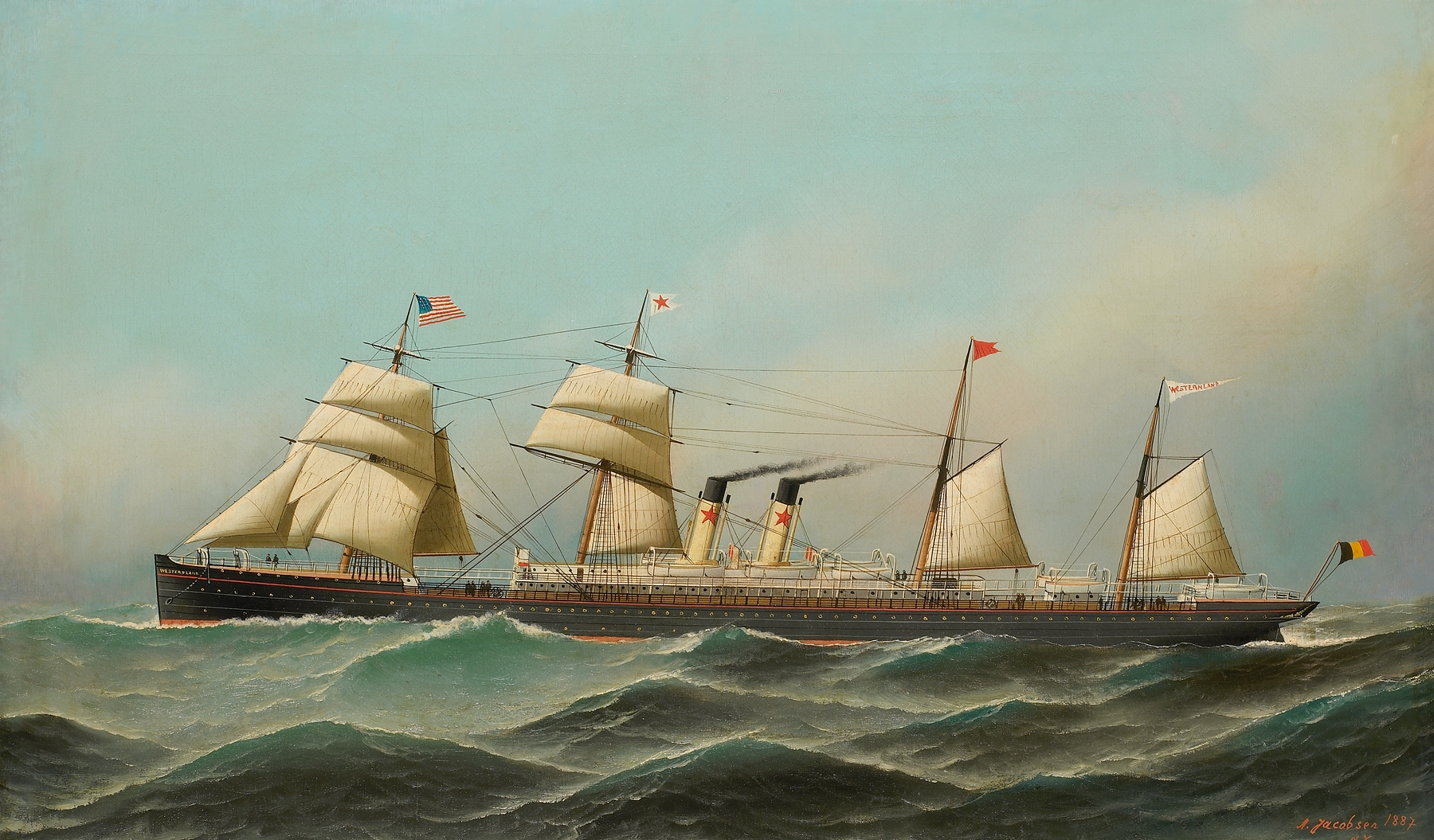
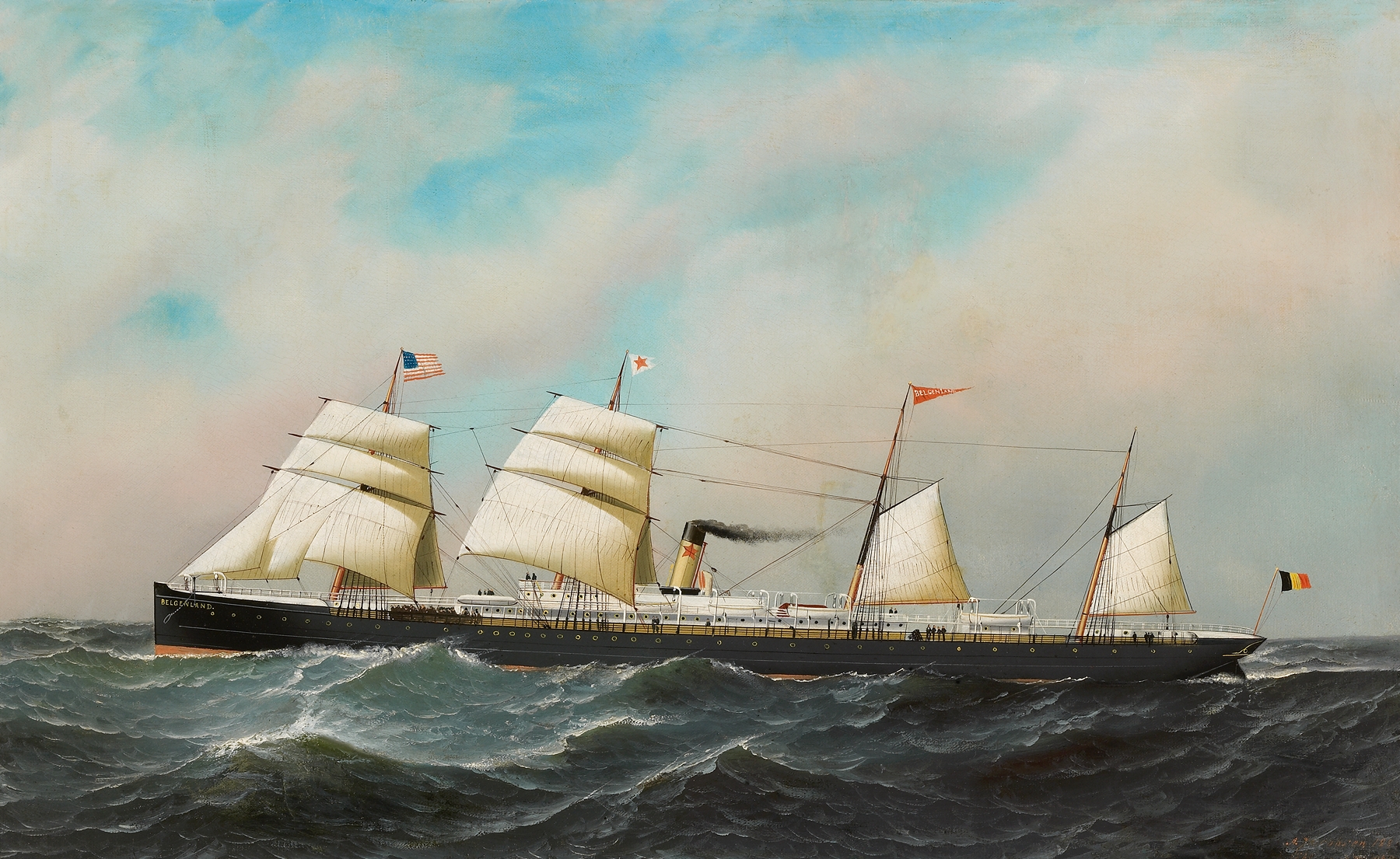
“Between color and silence, truth hides.” The legacy of maritime innovation lies within the brushstrokes of history, where the past is captured in the stillness of a moment. Look to the center of the canvas where the ship, Belgenland, stands majestically, its sails unfurled against the vivid expanse of sky. The precise lines and detailed rigging speak to Jacobsen’s expert craftsmanship, while the gentle wave patterns ripple across the water, reflecting both the ship and the horizon. The palette of blues and whites juxtaposes the solidity of the vessel against the fluidity of the sea, inviting the viewer to navigate this serene yet dynamic seascape.
In the background, a distant landmass hints at navigation and adventure, evoking the spirit of exploration that defined the era. The contrasting elements of wind and water illustrate a tension between man-made engineering and nature’s raw power, underscoring the ship's legacy as both a vessel of transport and a symbol of human ambition. Every brushstroke invites contemplation about the journeys taken, the destinies intertwined, and the stories carried across the waves.
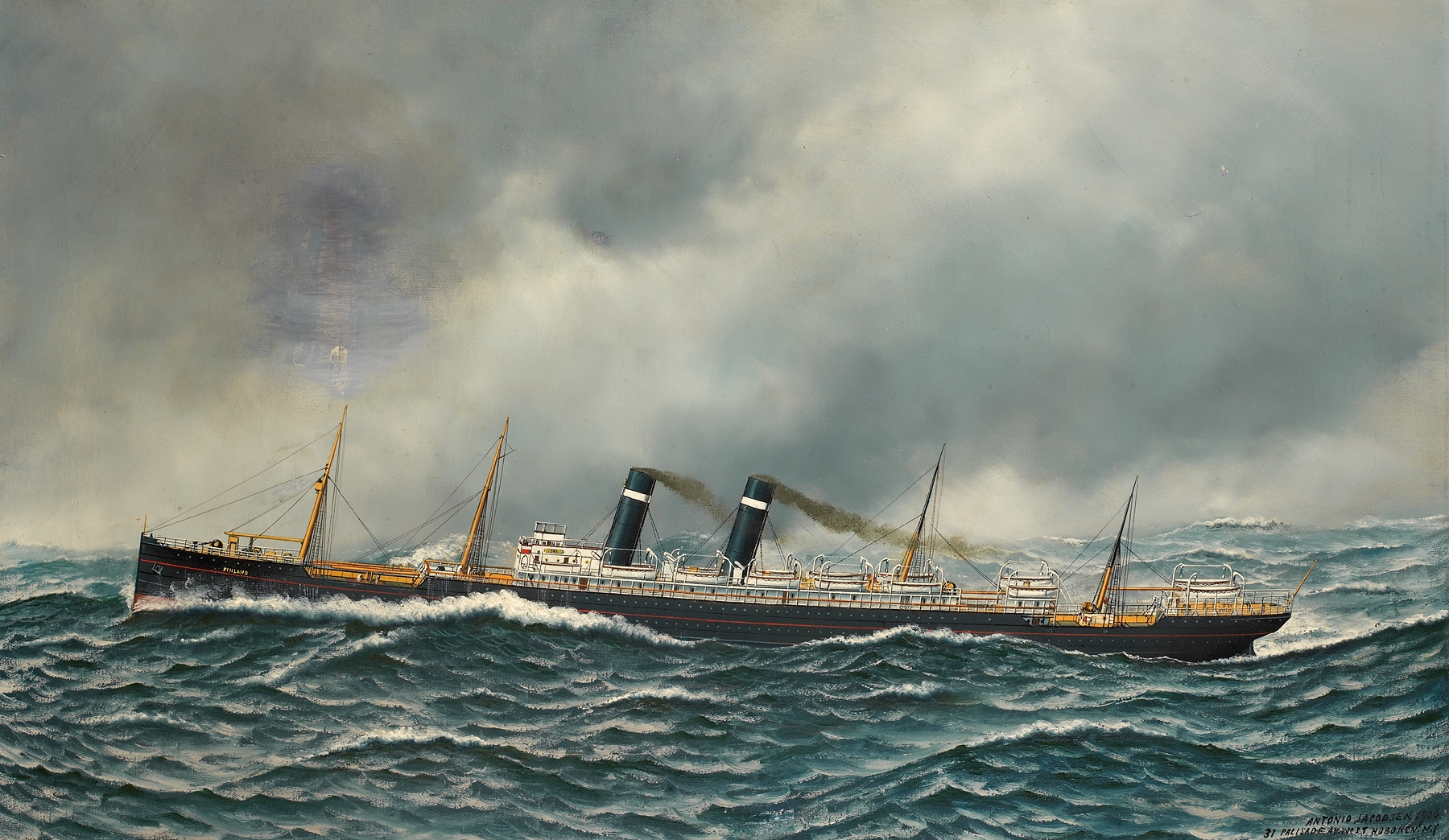
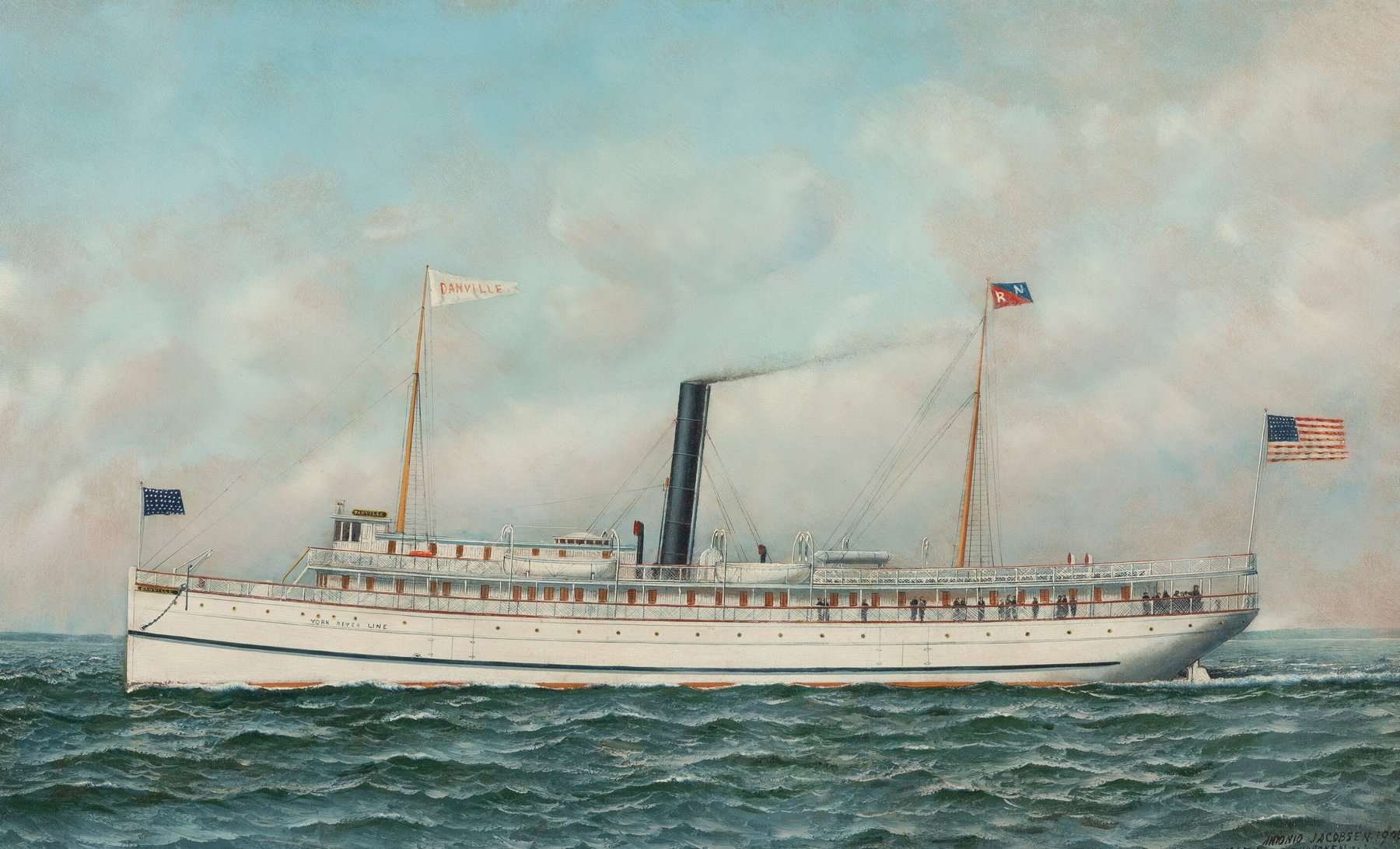
Antonio Jacobsen created Het stoomschip met hulpzeilvermogen Belgenland in 1881 while living in New Jersey, where he became known for his ship portraits. This period marked a surge in maritime trade and technological advances, reflecting a world in transition. Jacobsen not only documented vessels but also celebrated the advancements of the age, immortalizing the legacy of seafaring and innovation that mariners cherished.