Het passagiersstoomschip Vaderland — History & Analysis
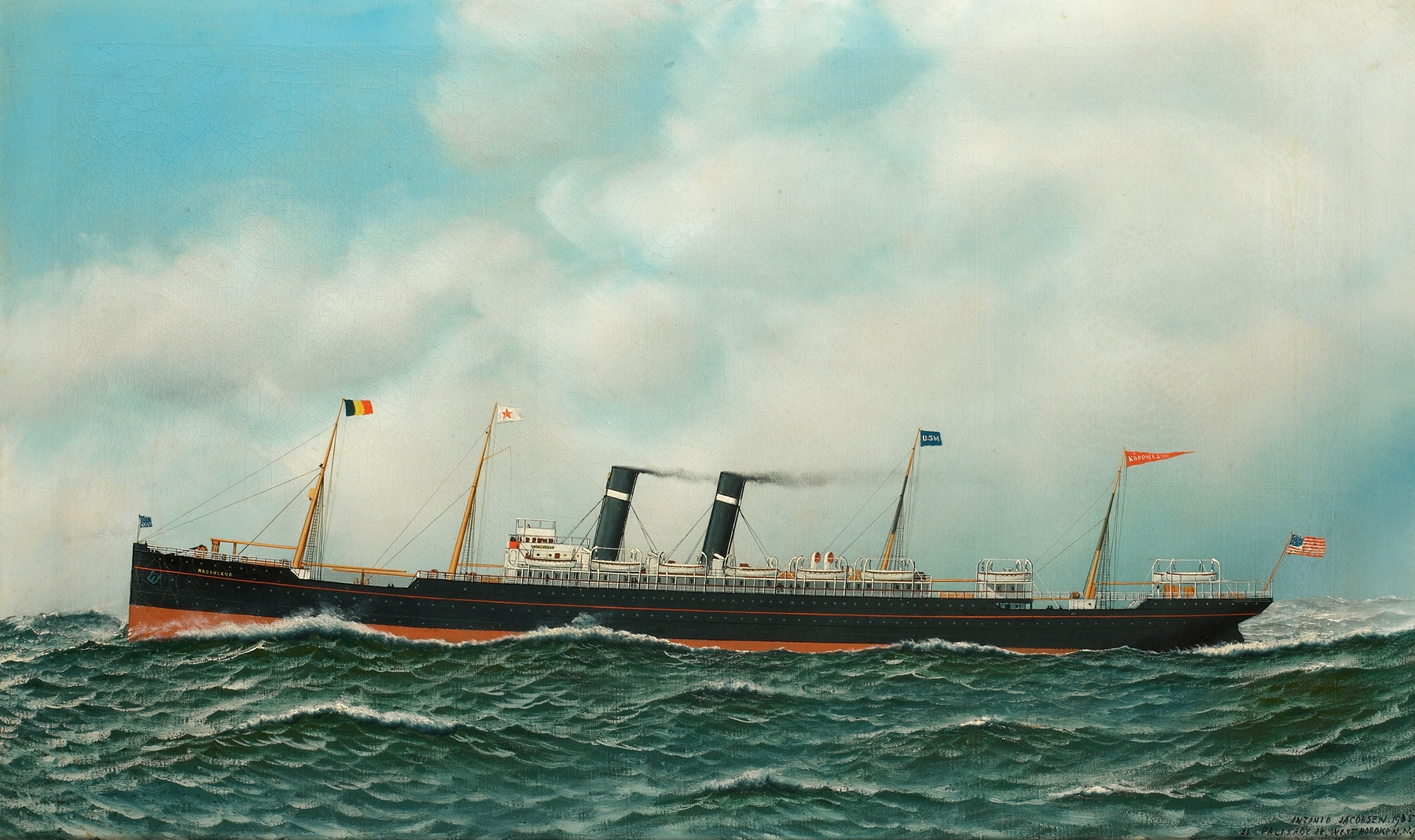
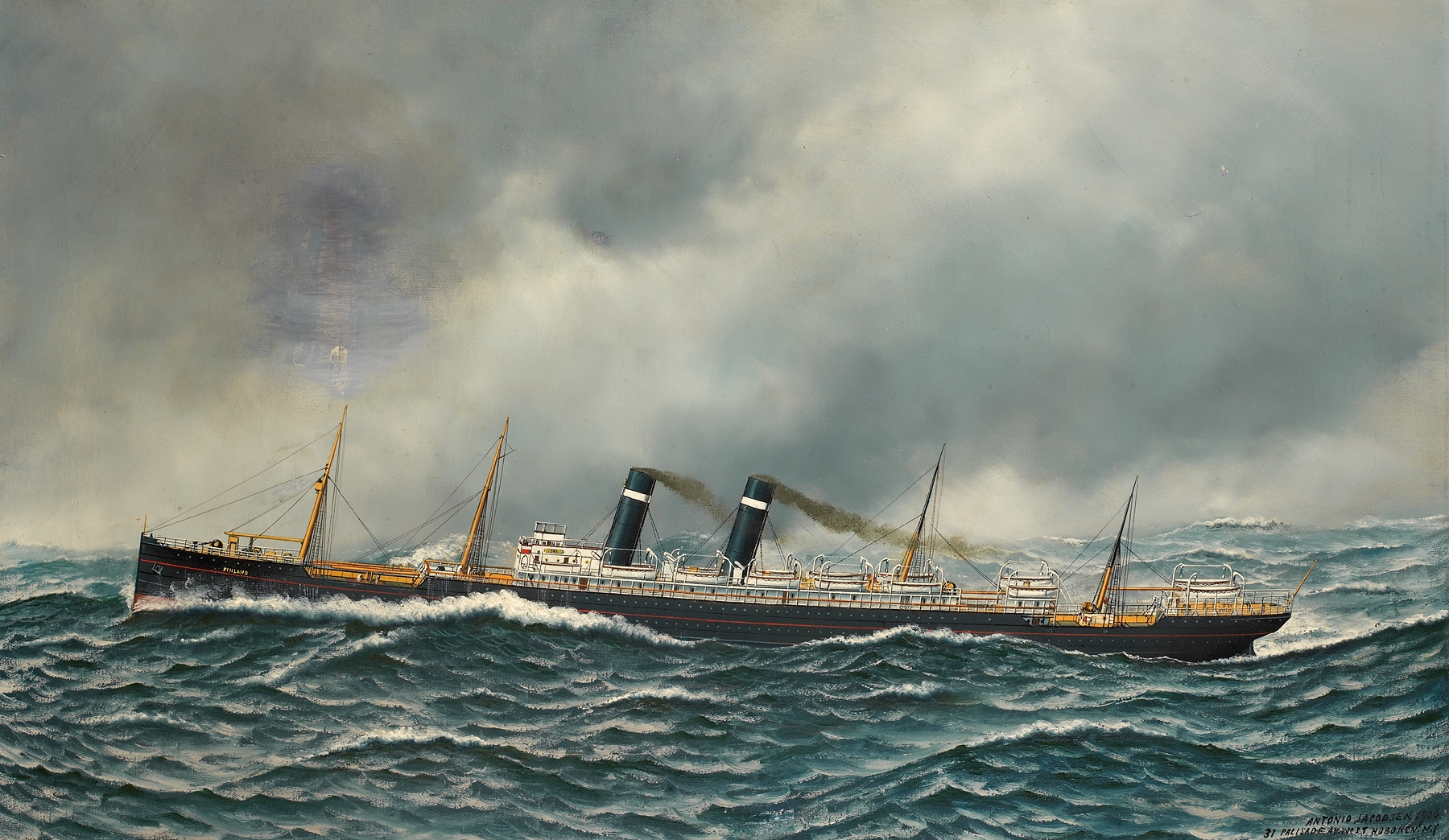
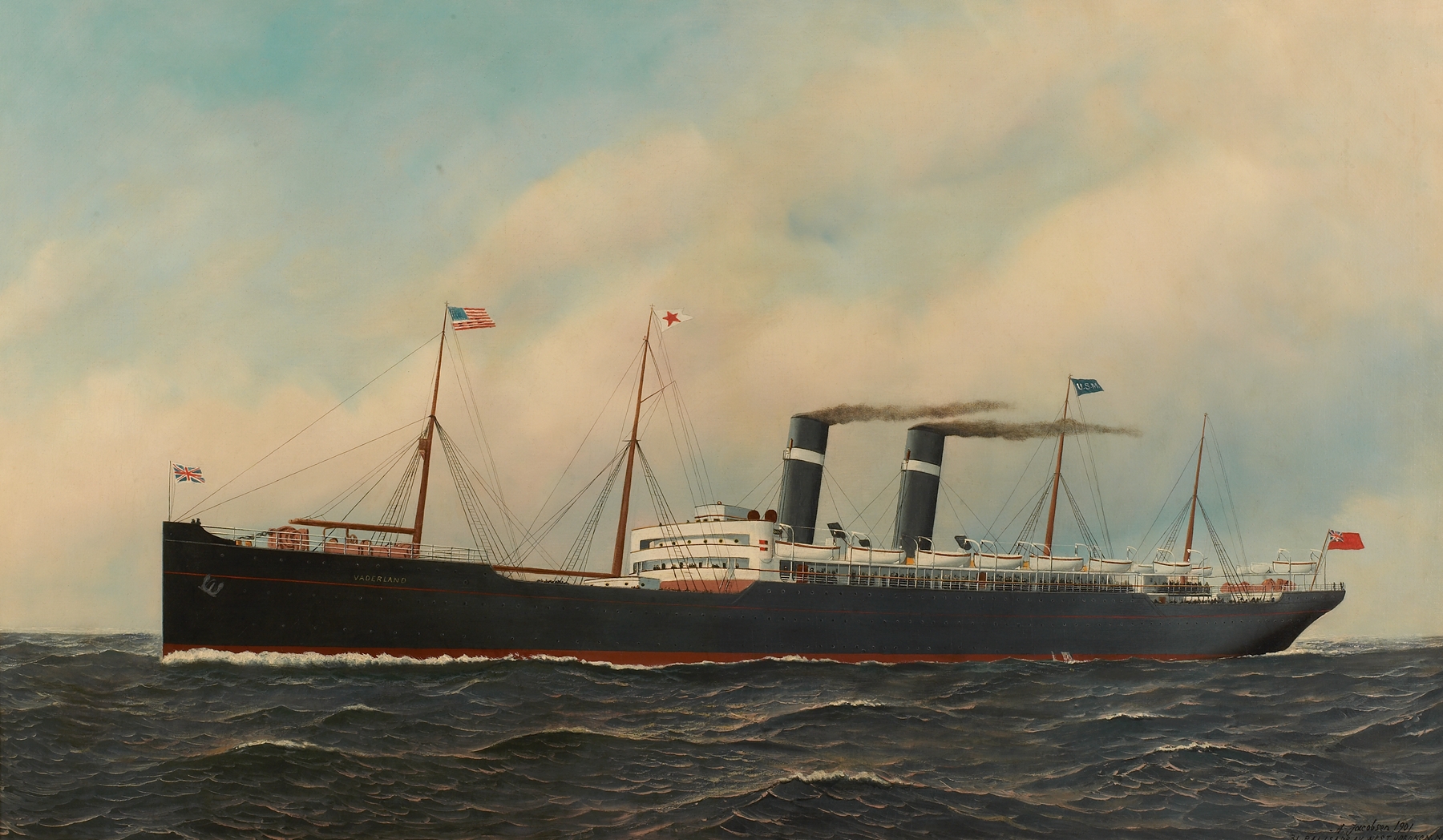
“Every brushstroke is a heartbeat remembered.” In the whirl of history, the delicate nature of maritime transport becomes a poignant reminder of fragility and endurance. Focus your gaze on the majestic passenger steamship, Vaderland, as it dominates the canvas. The meticulous detail in the ship’s hull captures the light exquisitely, highlighting the interplay of shadow and shine that gives it an almost ethereal quality. The background, painted in soft, muted tones, allows the vessel to leap forward, inviting the viewer to appreciate not just its grandeur, but also its precarious existence upon the vast, unpredictable sea.
Yet, beneath this surface beauty lies a deeper narrative. The billowing smoke emerging from the ship’s funnels evokes a sense of movement, a reminder of the relentless march of progress and the transitory nature of life at sea. The contrasting calmness of still waters juxtaposed against the ship’s powerful momentum reflects not only the triumph of human ingenuity but also hints at the lurking dangers beneath—an emblematic acknowledgment of fragility against the backdrop of relentless ambition.
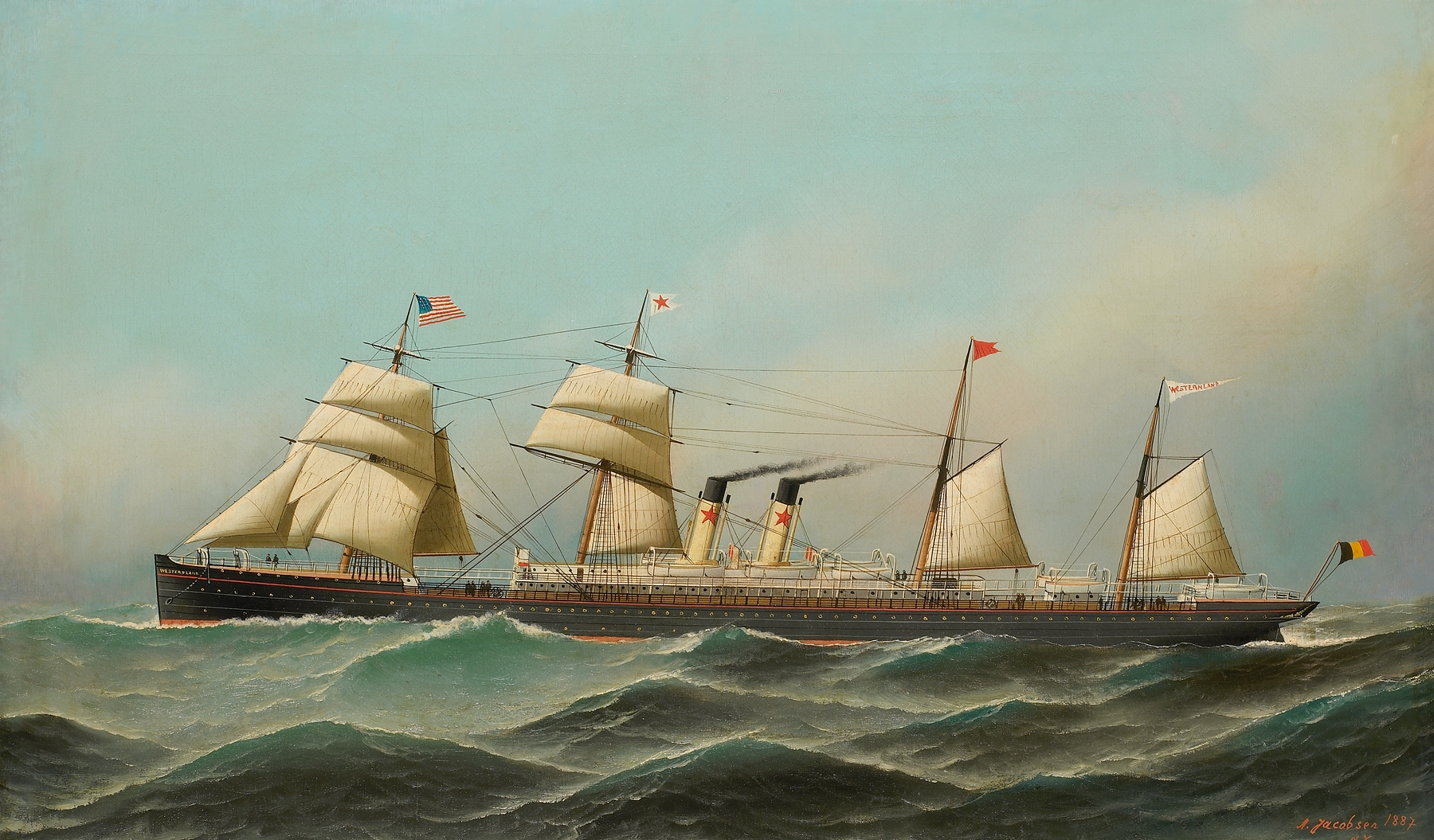
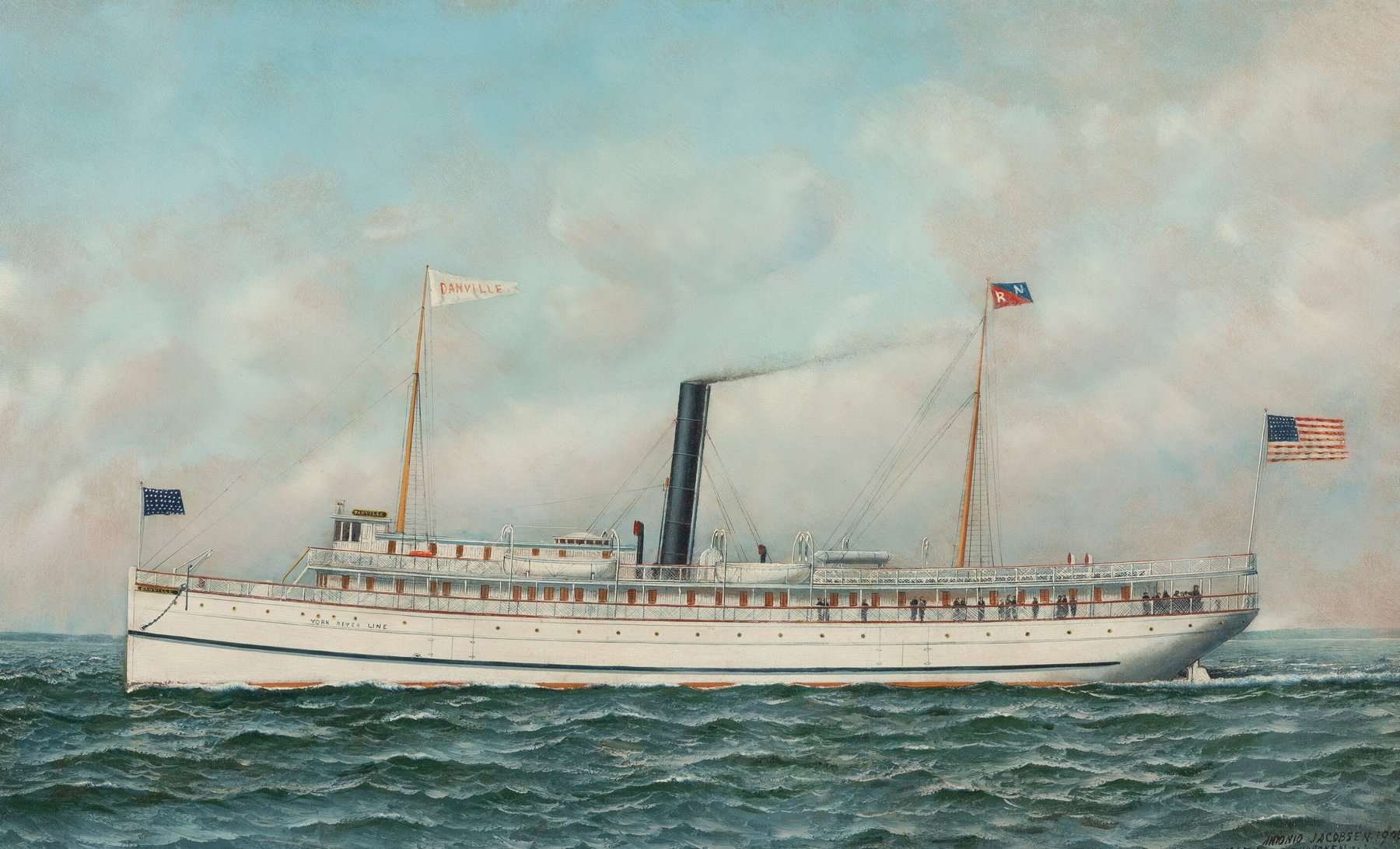
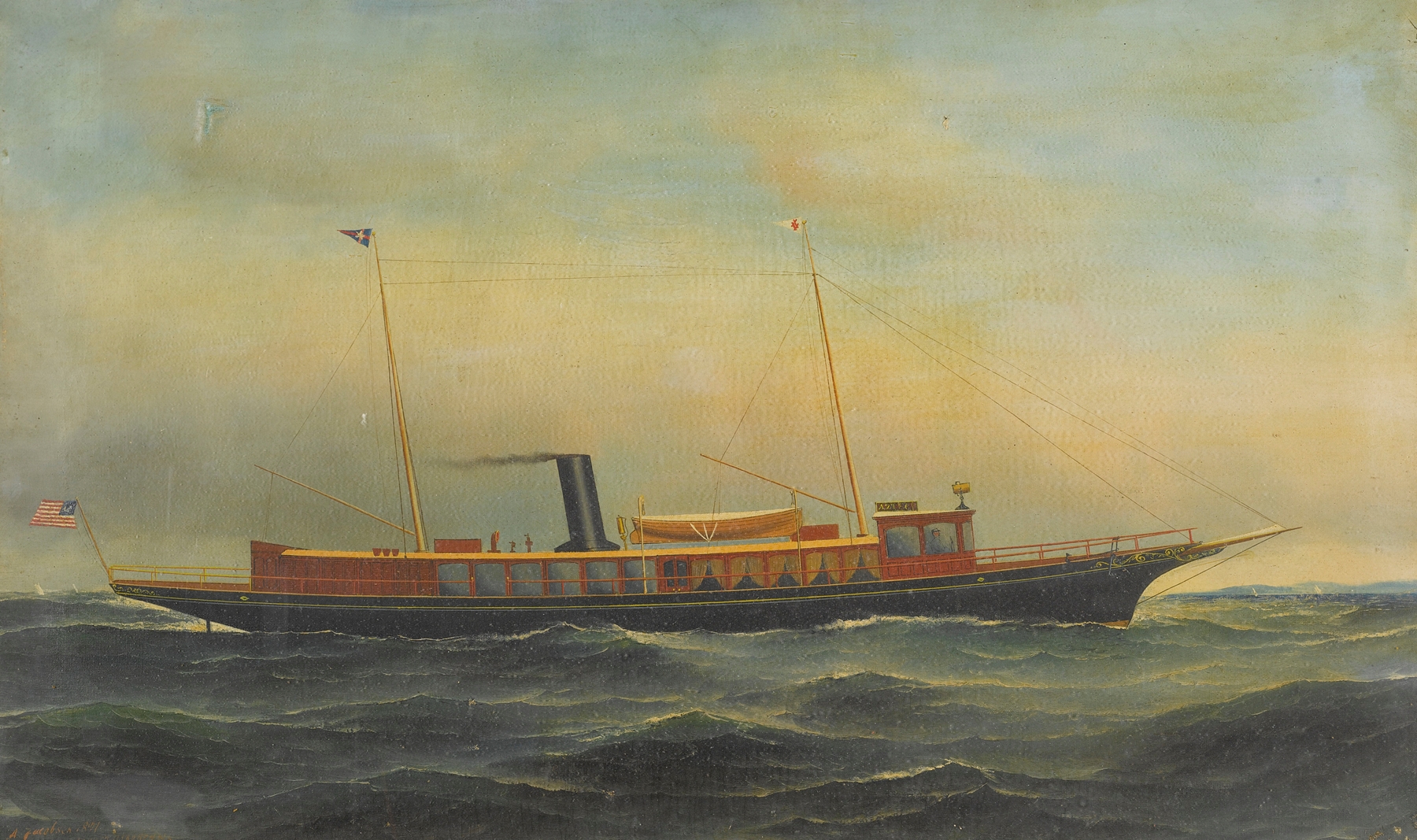
Antonio Jacobsen created Vaderland in 1901, during a period of great change in maritime travel and industry. Working in the United States, he was a prominent marine painter, capturing the grandeur of ships during an era when ocean liners symbolized progress and exploration. This painting emerged amidst a booming transatlantic travel industry, emphasizing both the magnificence and the vulnerabilities embedded in humanity's quest to conquer the seas.