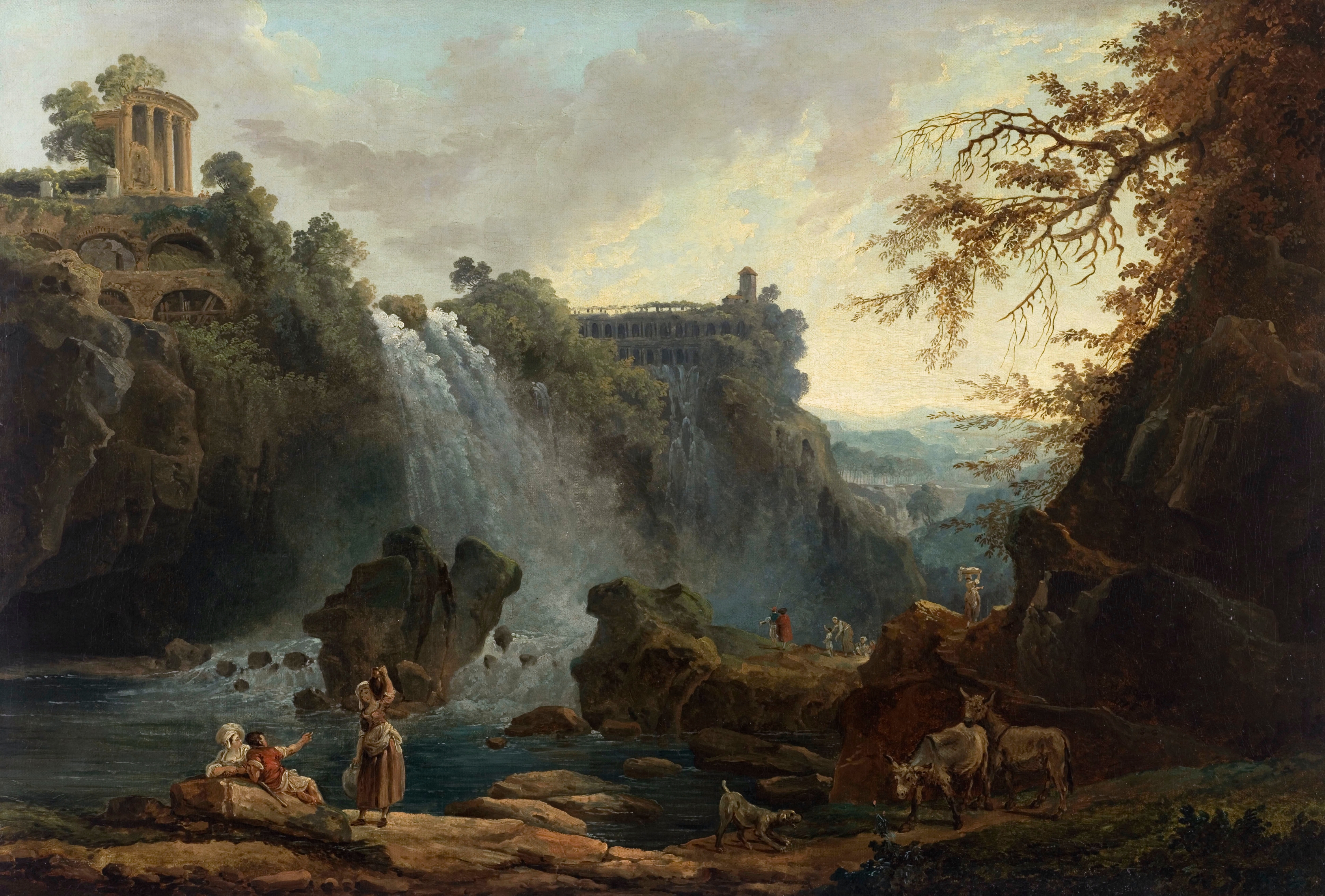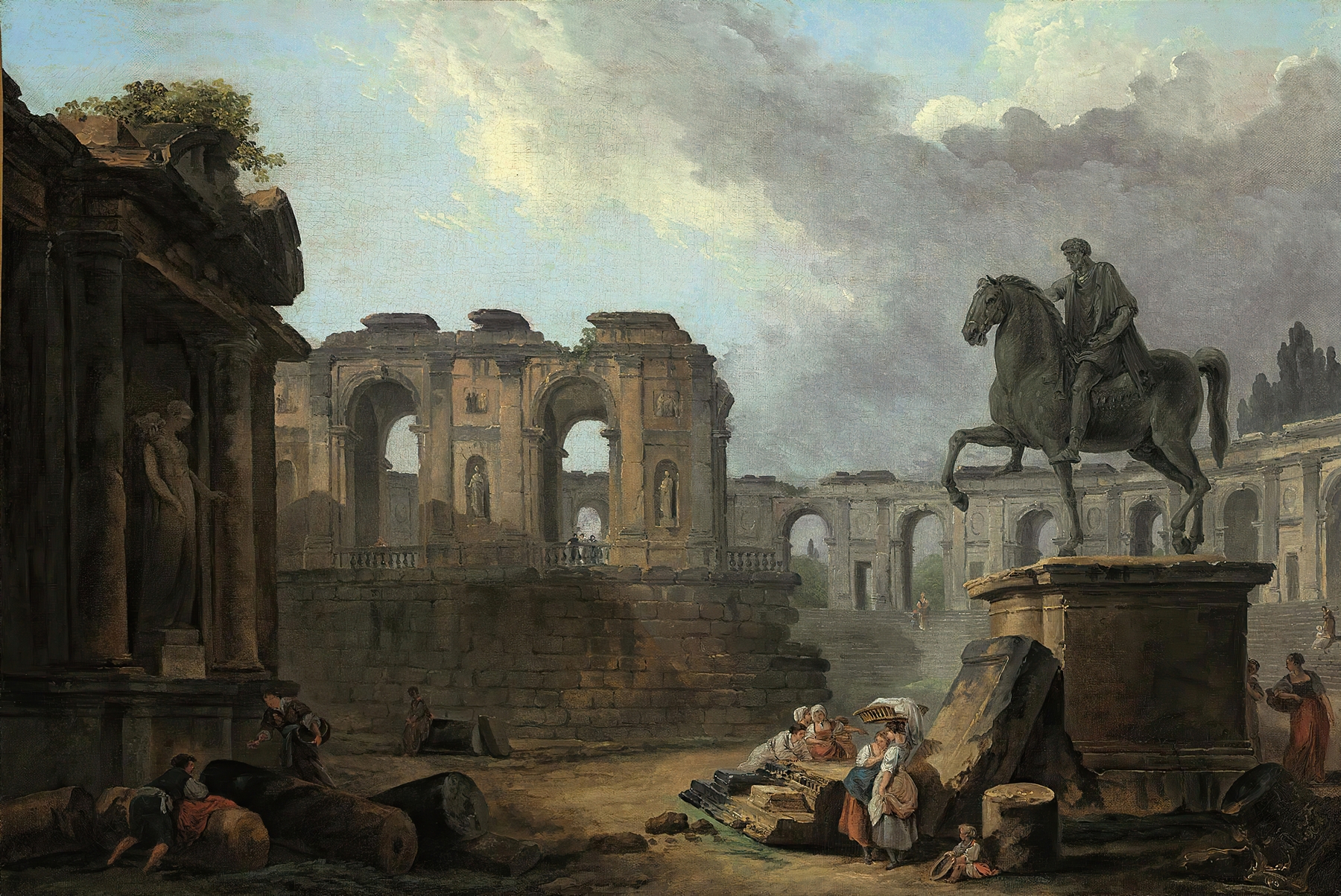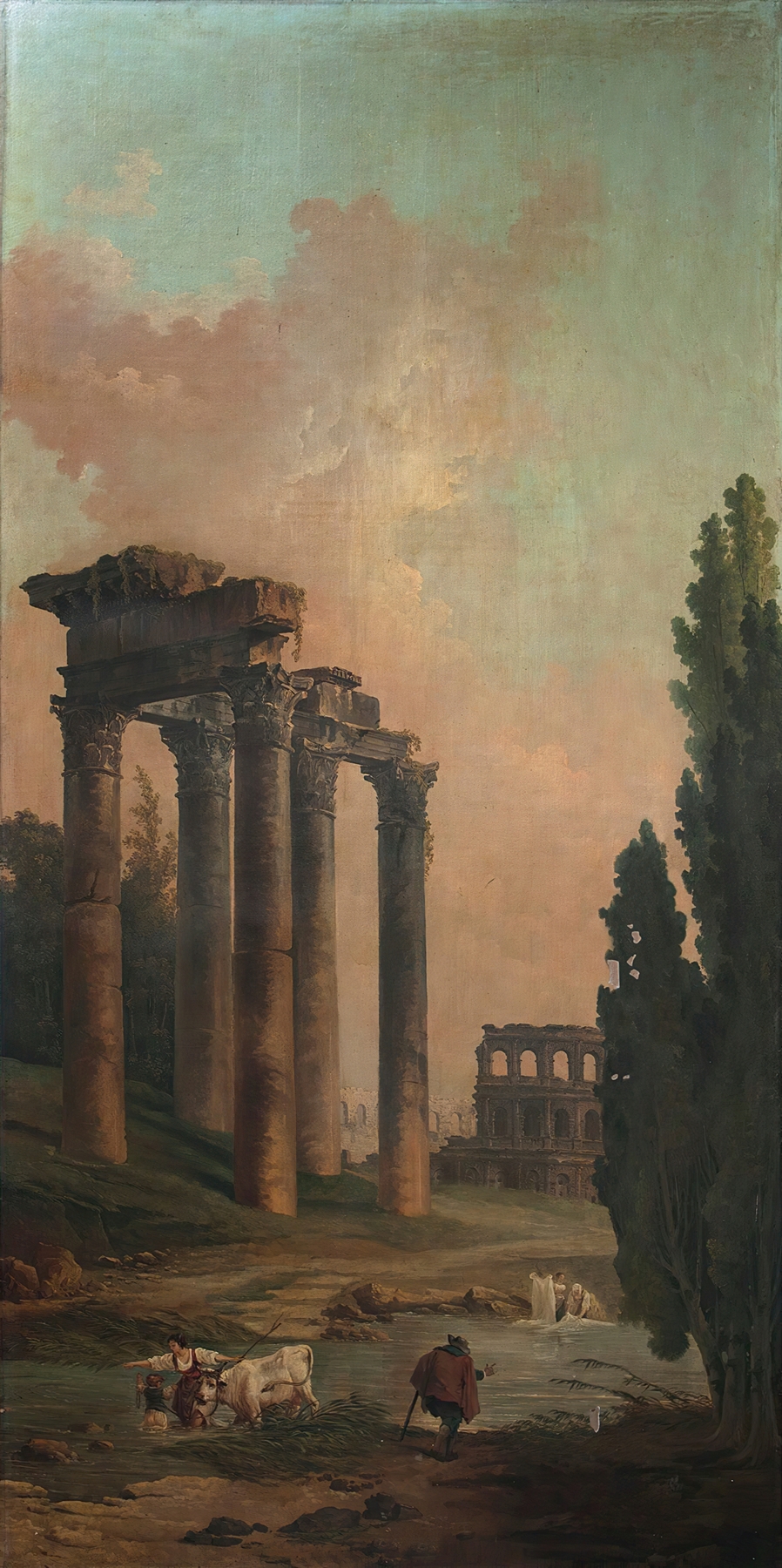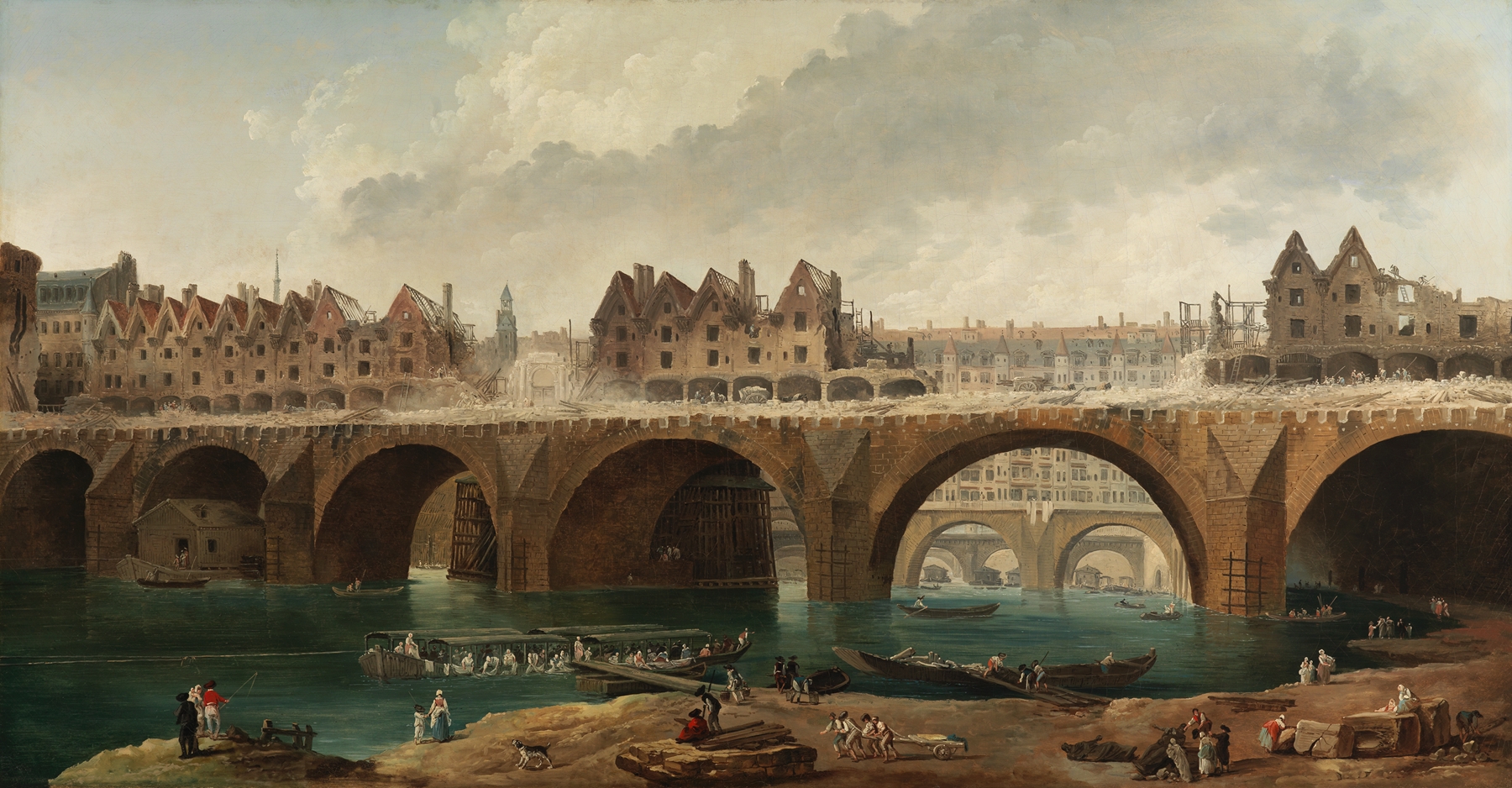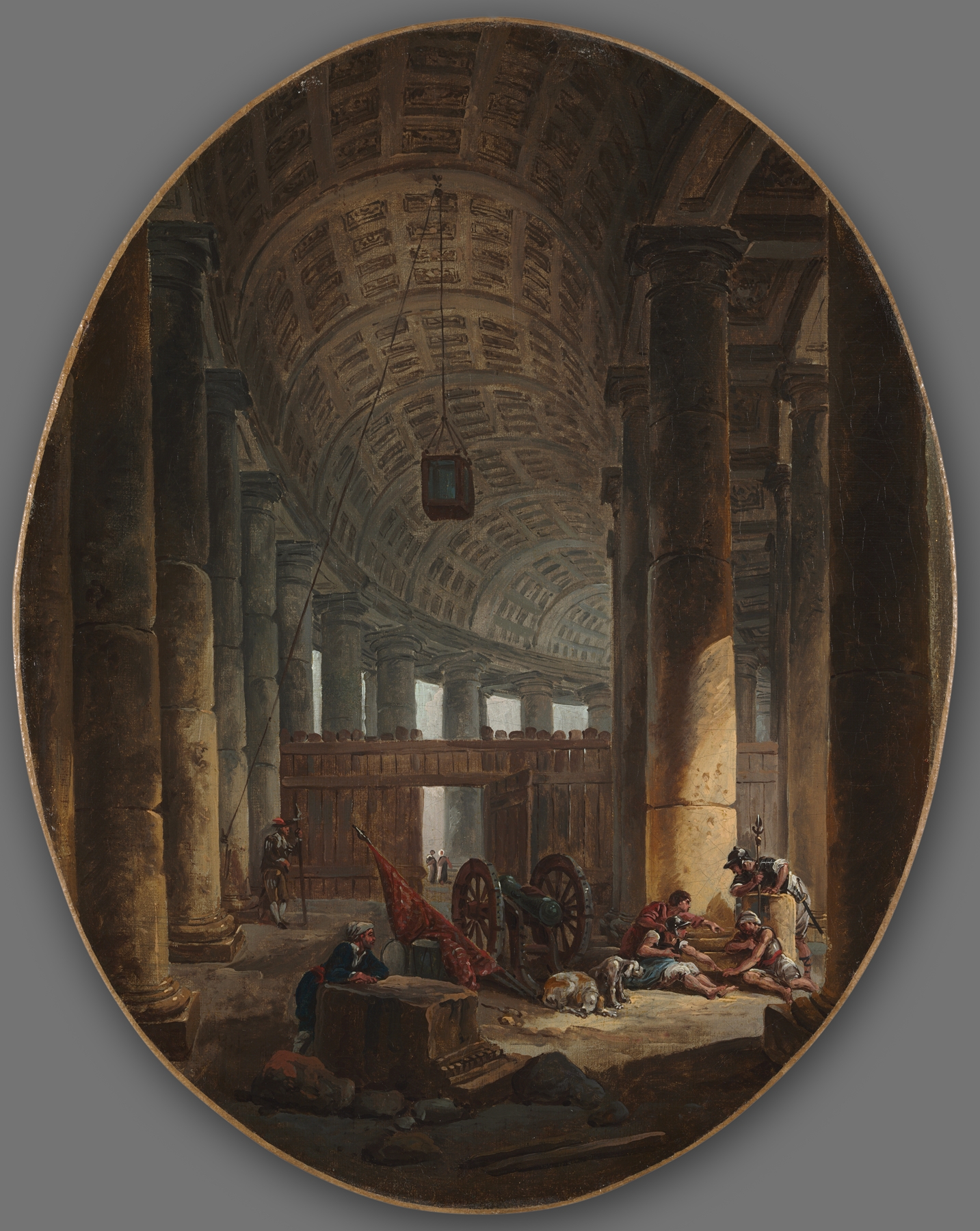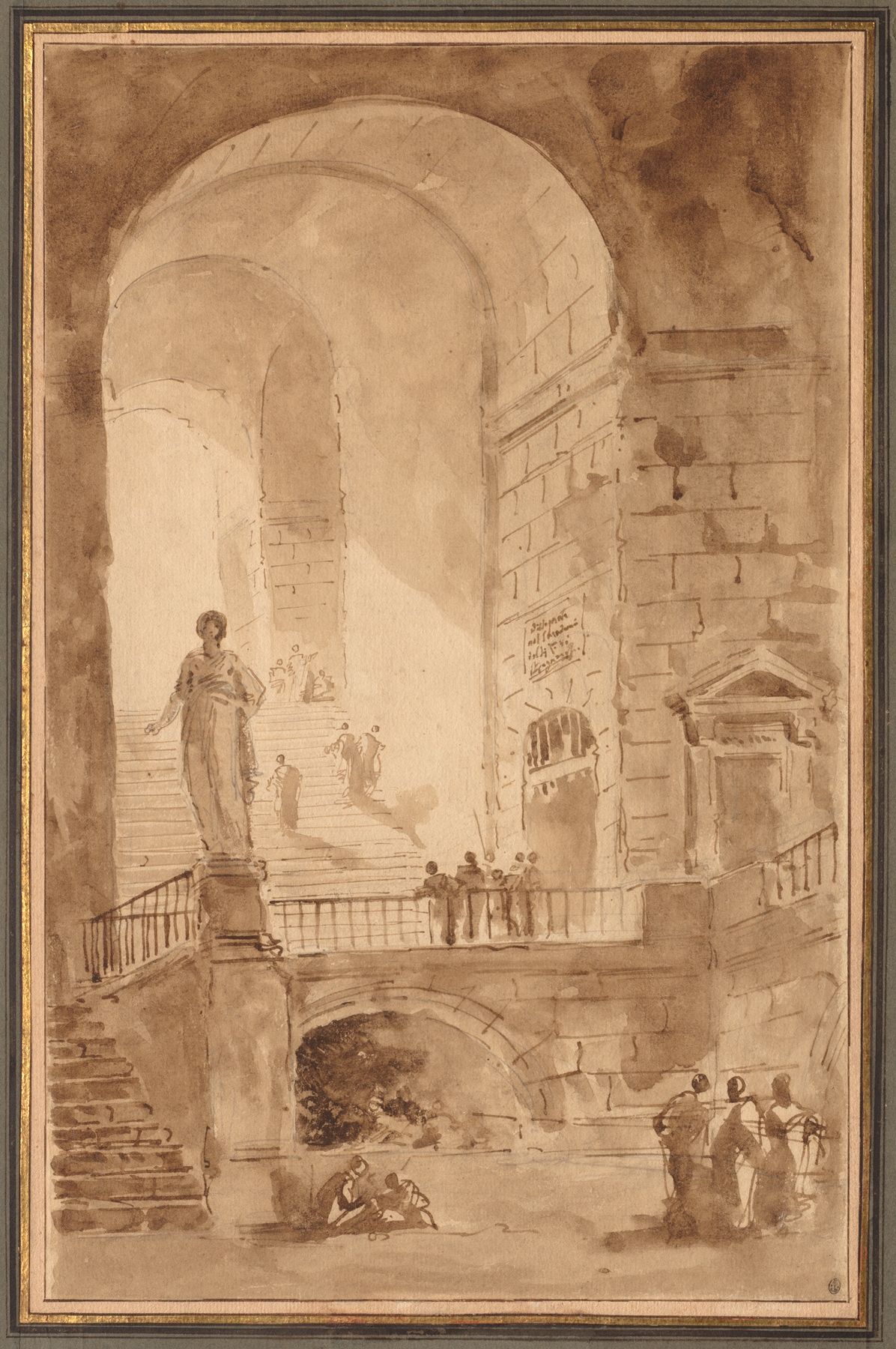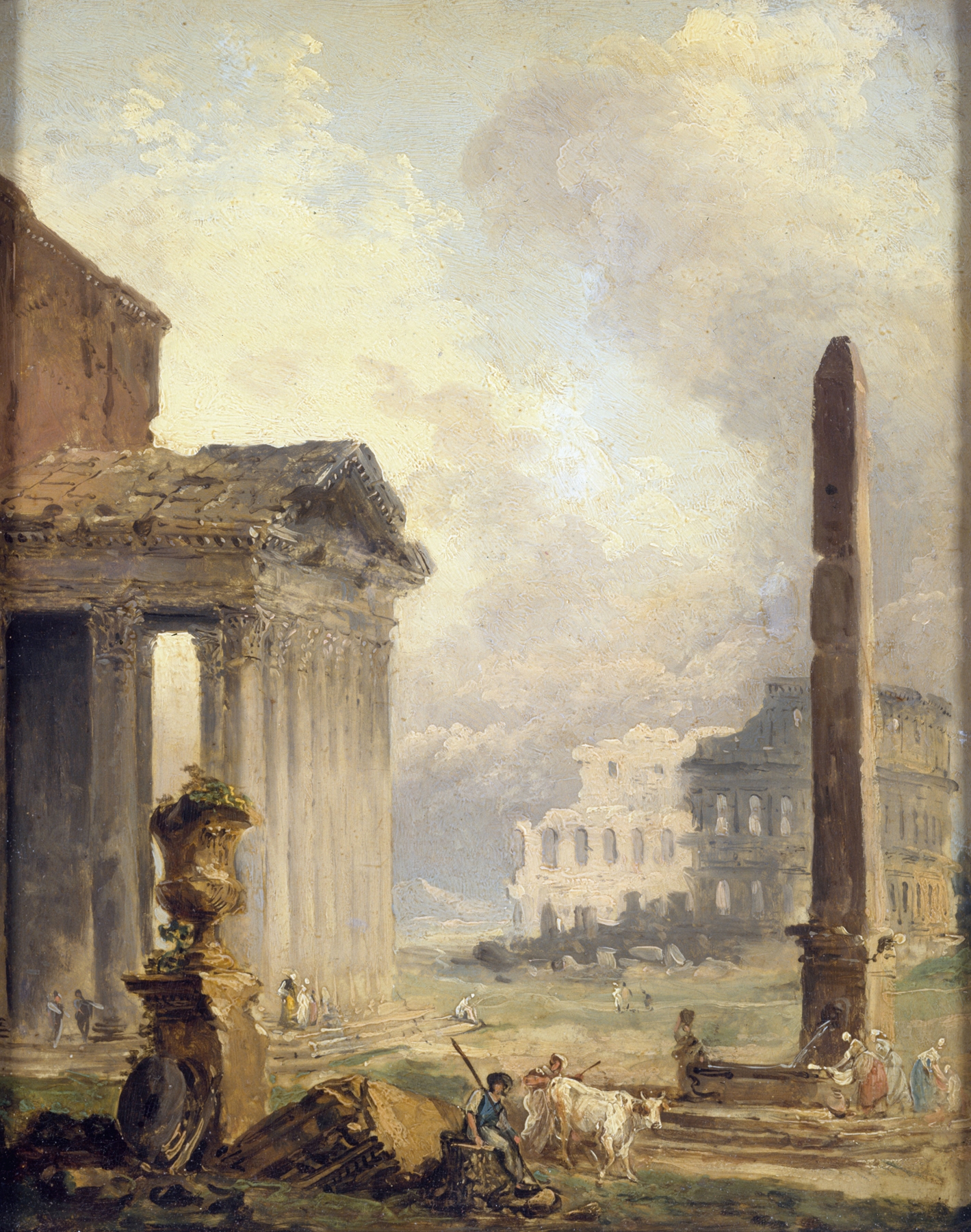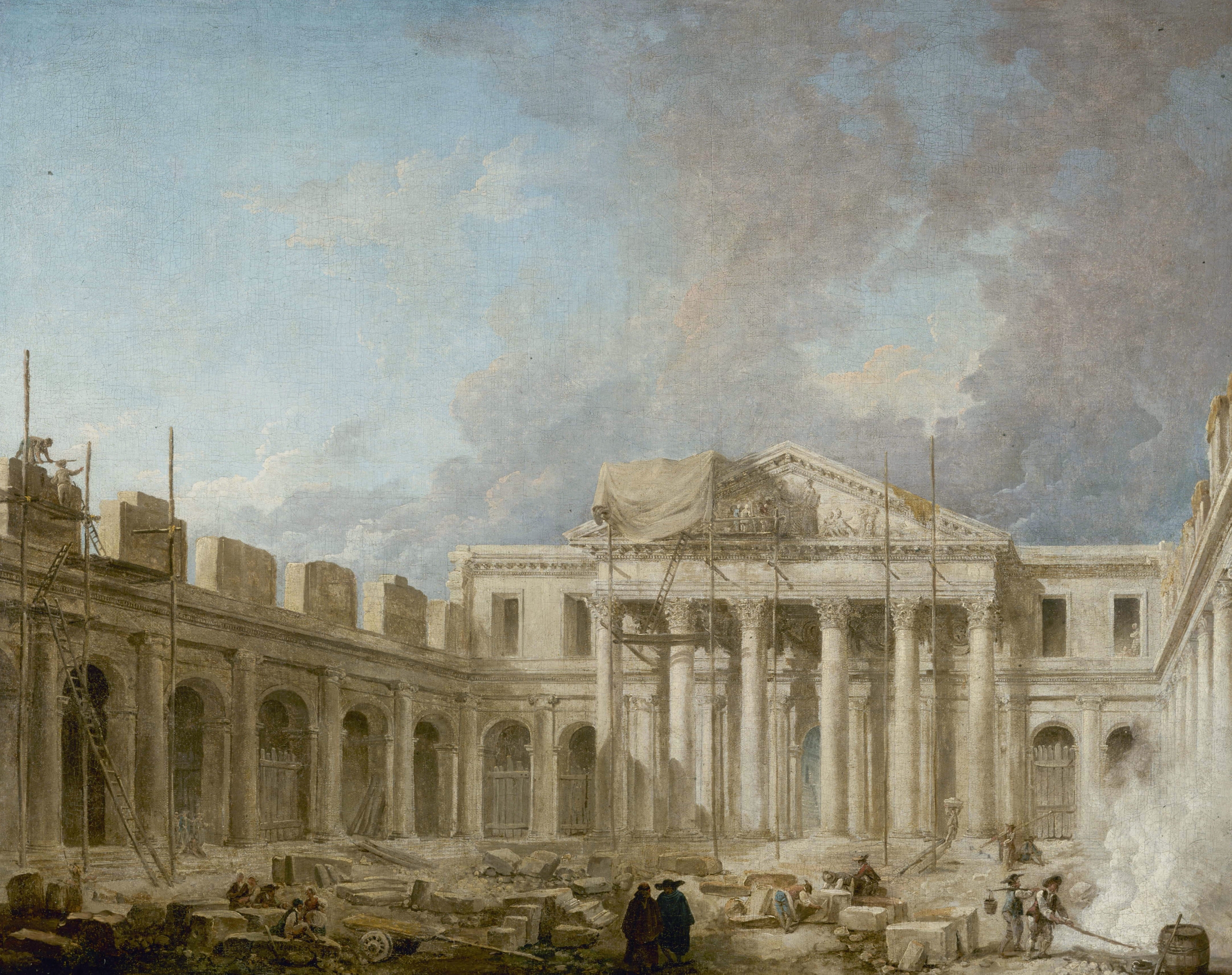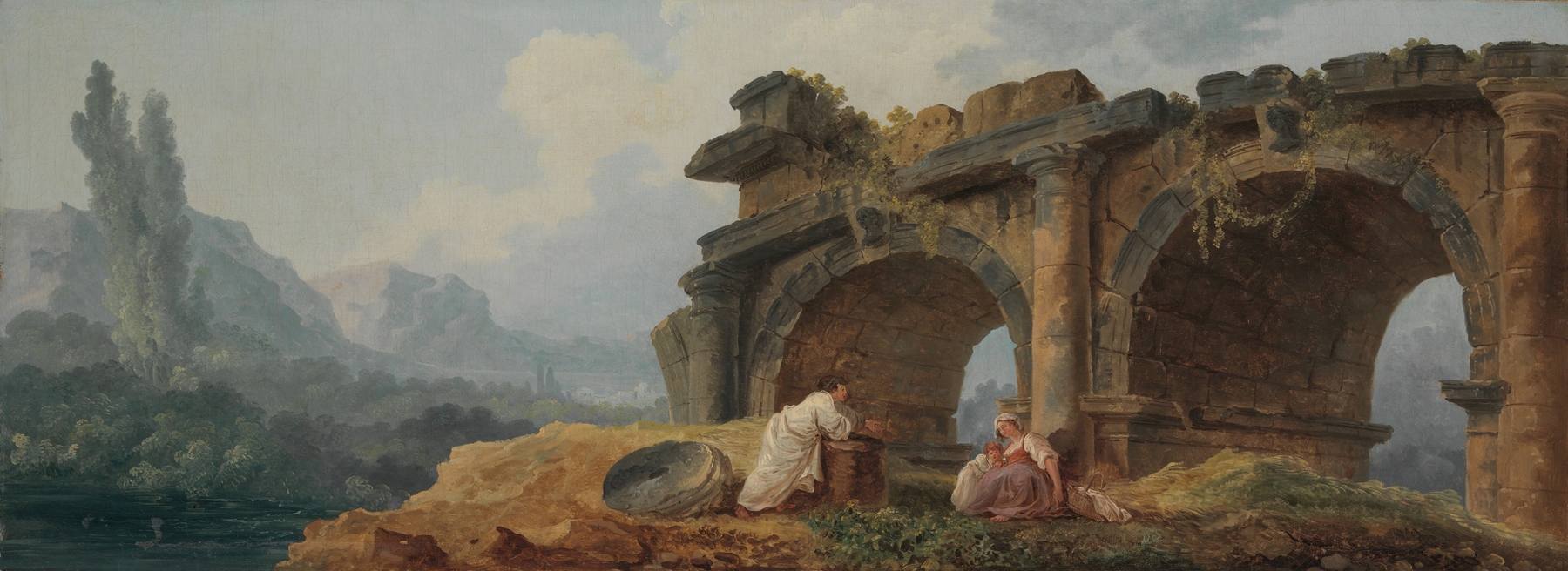
When did color learn to lie? In the vibrant hues of decay, chaos intertwines with beauty, inviting us to question the very nature of our perception. Look to the left at the archway, its warm terracotta contrasting sharply with streaks of vibrant green that cling to the ruins. The light dances through the structure, revealing the subtle interplay of shadow and brilliance in what remains of this once-magnificent site. Notice how each crumbling stone tells a story, layered with time and emotion, while the vivid sky serves as a backdrop that suggests both a dawning hope and an inevitable decline. Within the composition lies a poignant dichotomy; the ruins evoke nostalgia for a glorious past, even as they hint at the chaos of nature’s reclamation. The asymmetry of the arches speaks to the fragility of human endeavor, while the lush vegetation weaving through the stone suggests a fierce resilience amidst disarray. This tension between destruction and renewal prompts a contemplation of existence itself, as if the artist urges us to see beauty in the ruins of our aspirations. Hubert Robert painted this scene during a time when he was deeply engaged with the themes of ruins and landscapes in 18th-century France. The Enlightenment era was witnessing a fascination with antiquity and nature, and Robert, known for his romanticized depictions of architectural splendor, sought to explore the narratives woven into the remnants of civilization. His brush captured not only the past but also the chaos of change, embodying a transitional moment in both his career and the broader artistic landscape.