Arkville Landscape — History & Analysis
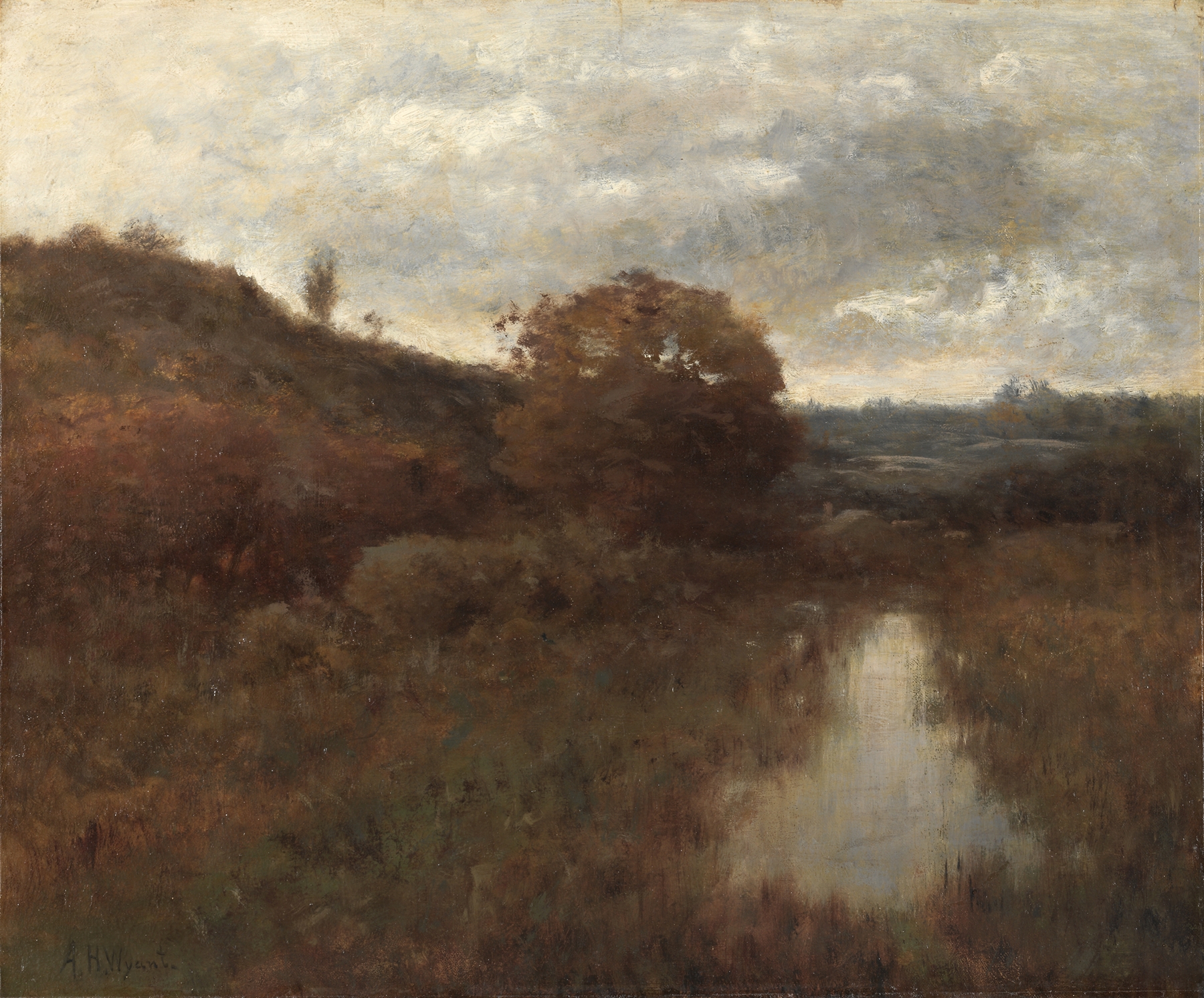
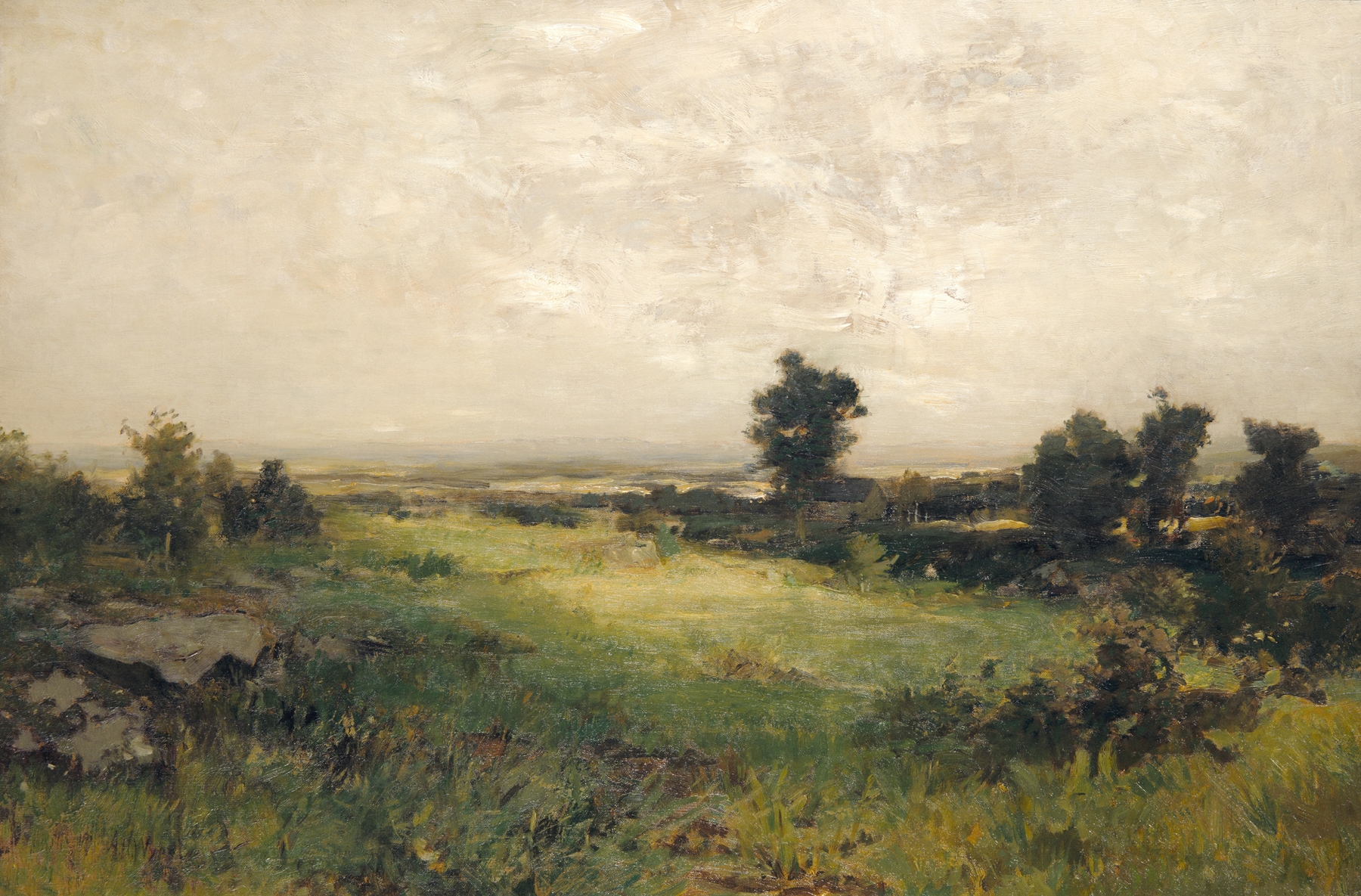
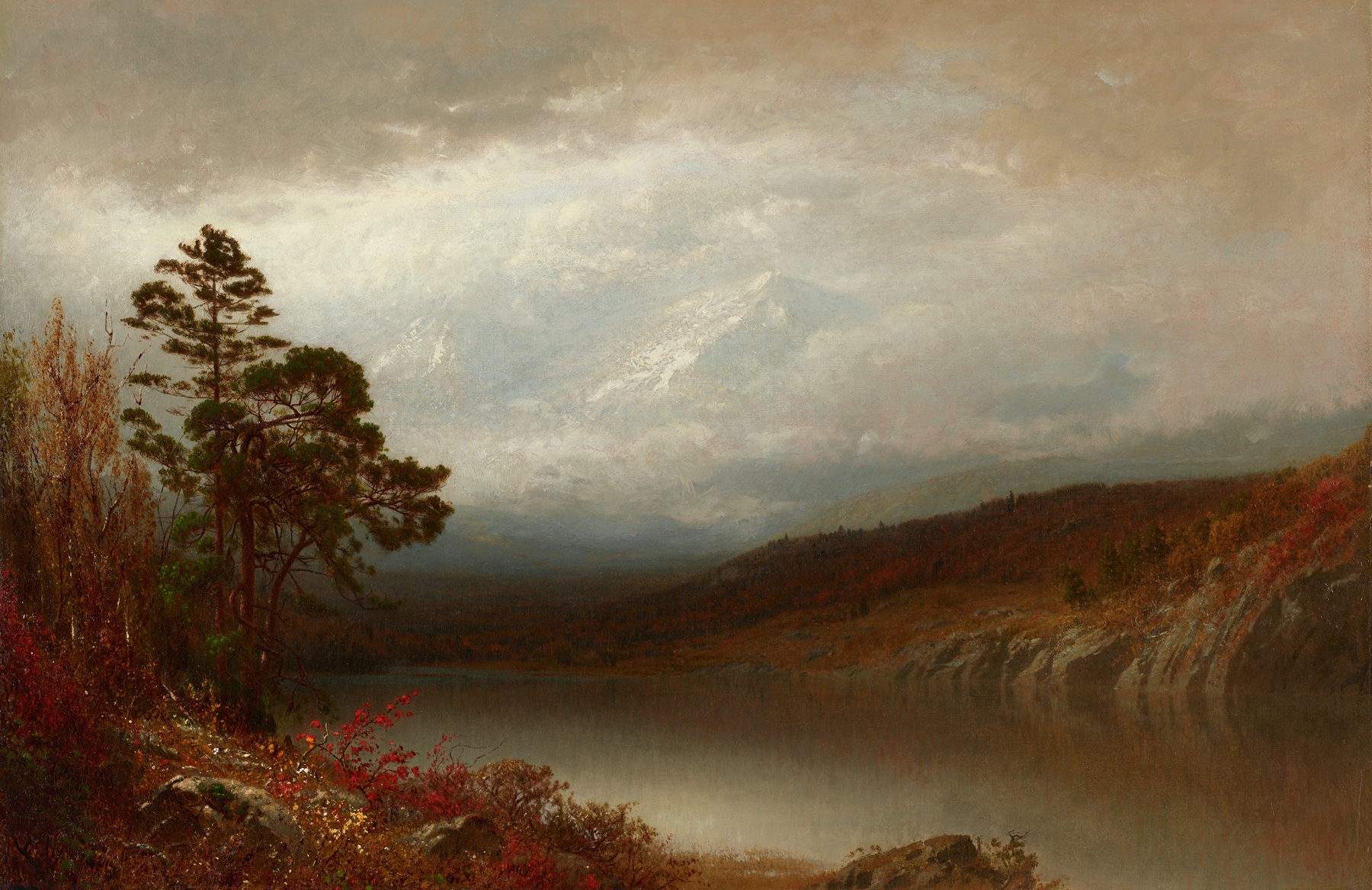
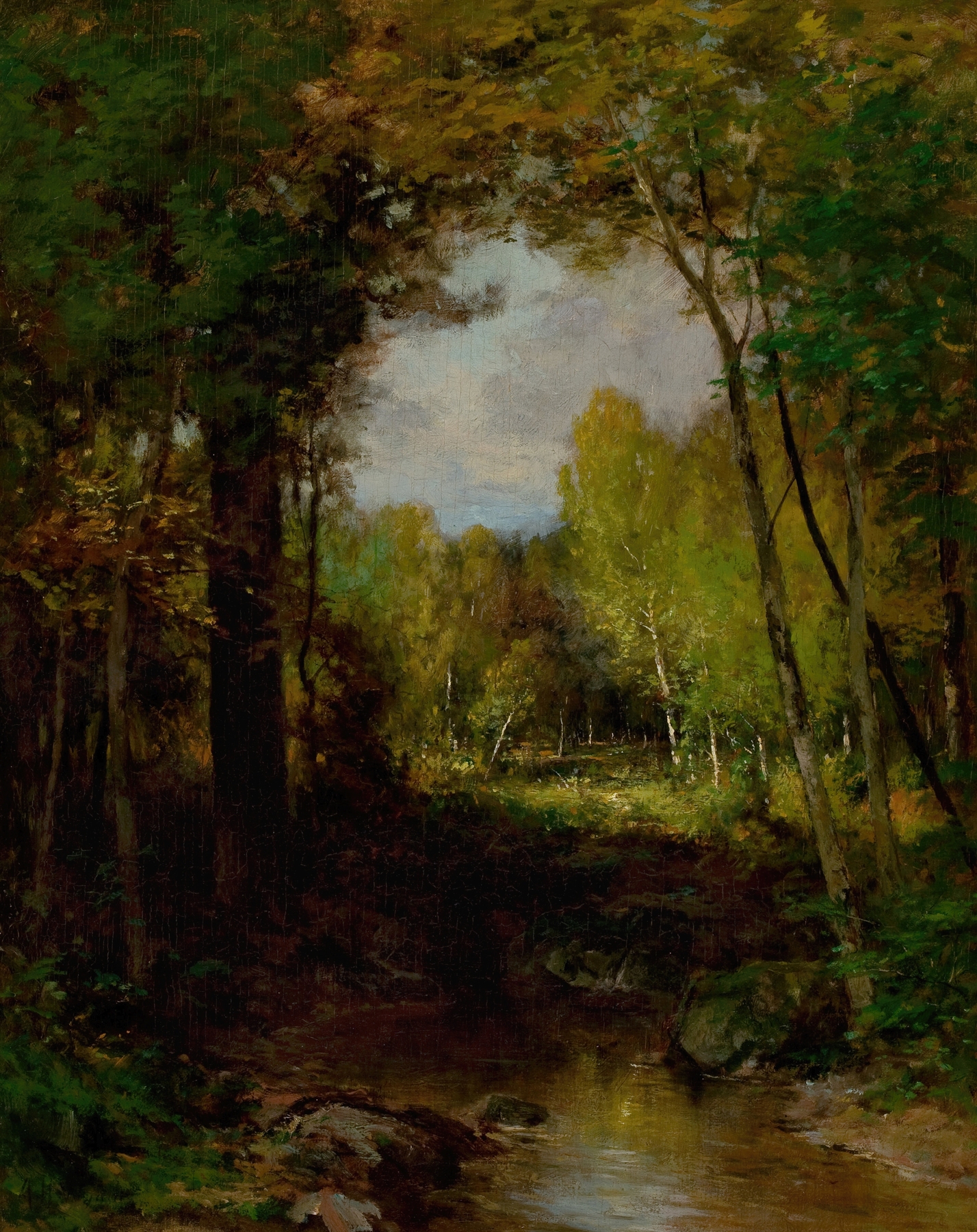
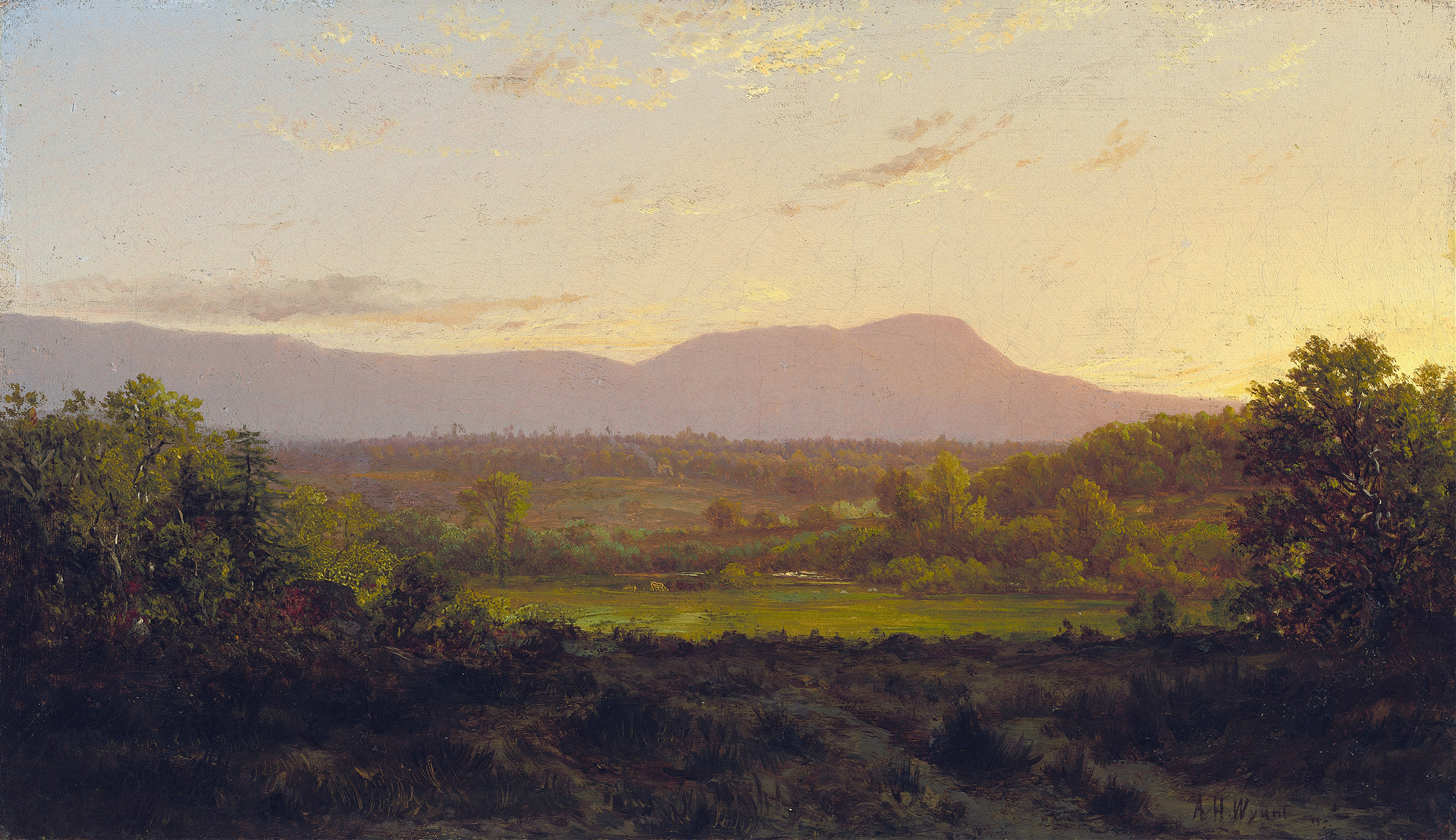
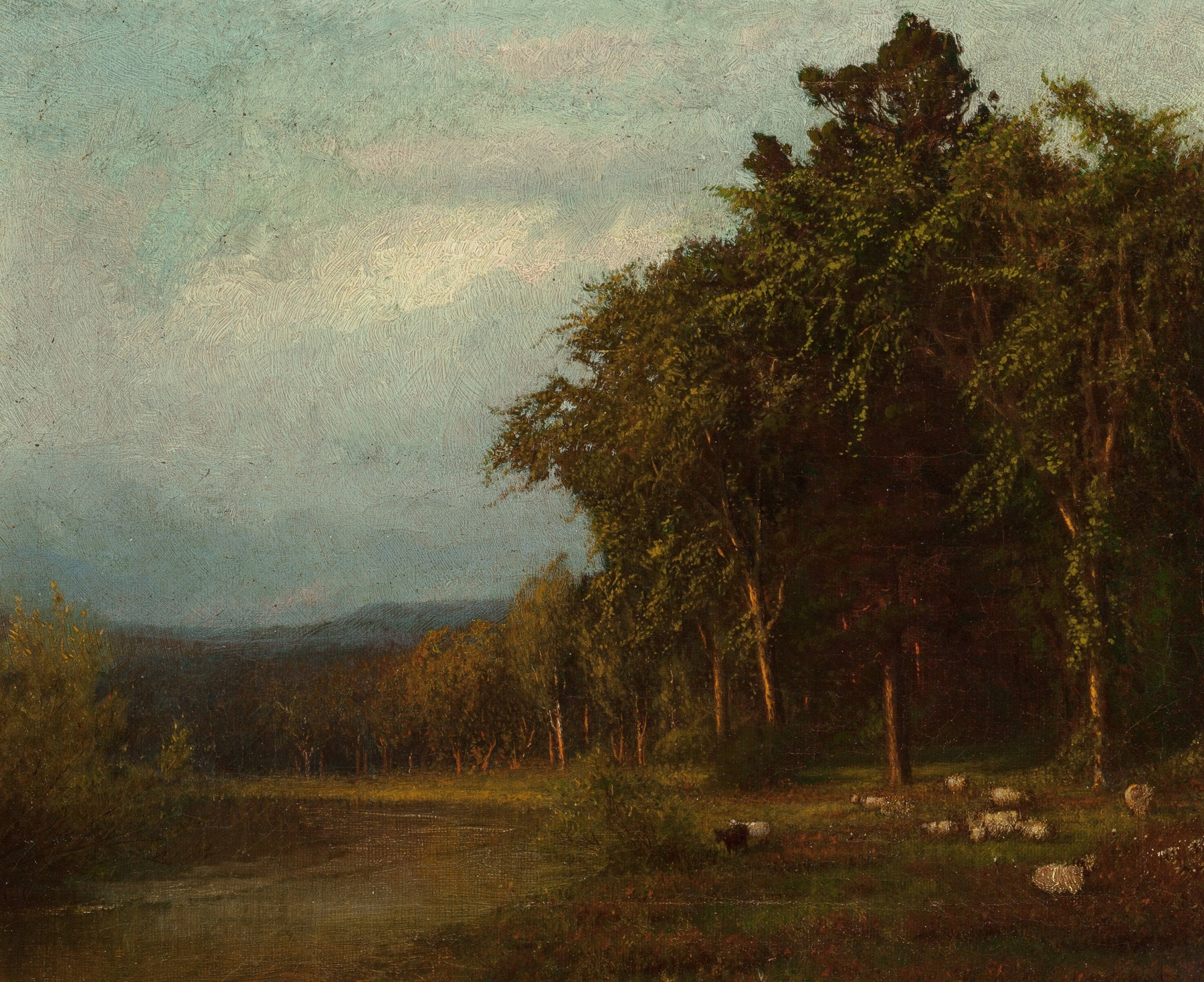
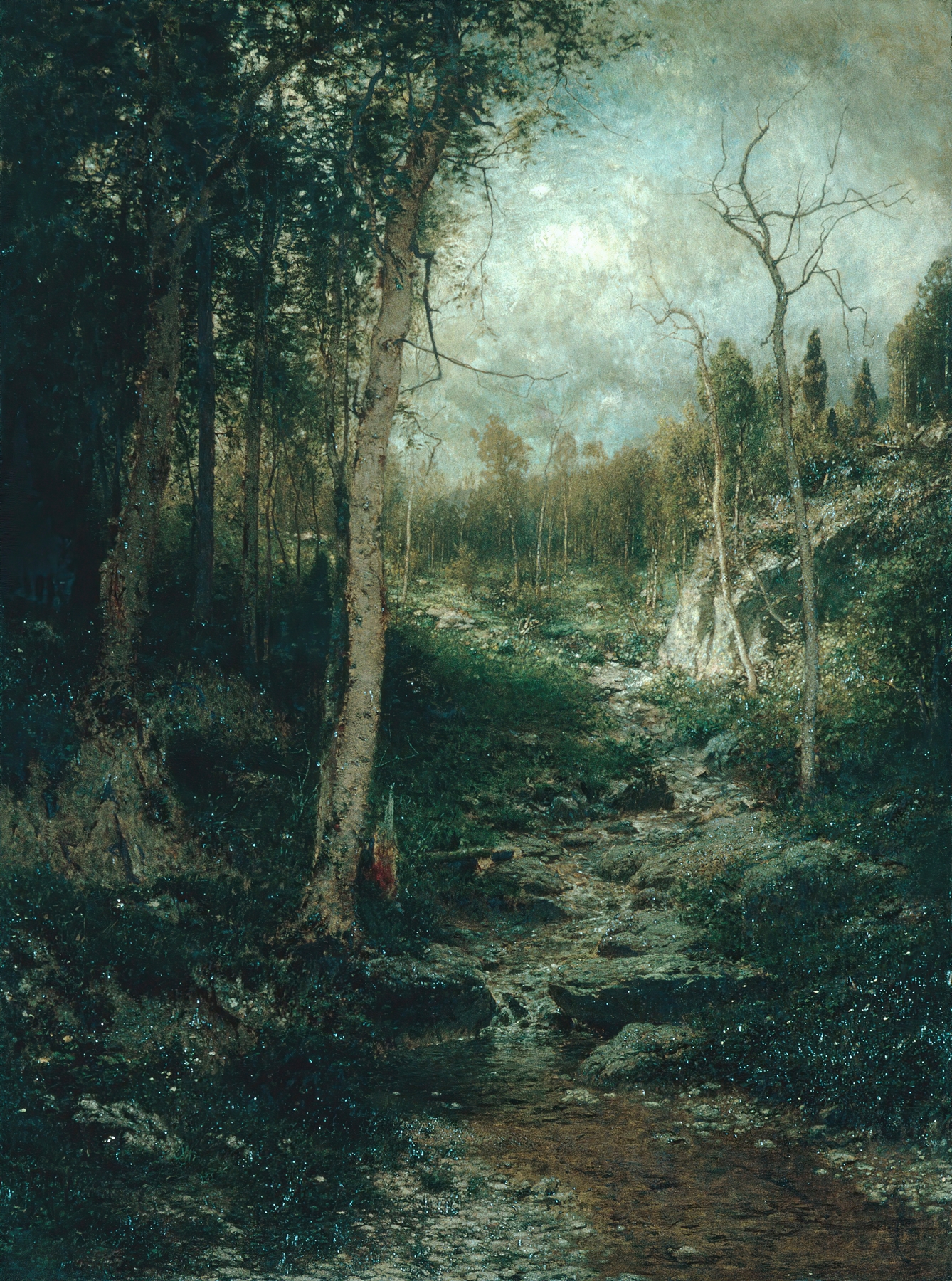
“Between color and silence, truth hides.” The delicate balance of nature whispers through the hues of this landscape, inviting us to explore the fragility of existence within its serene embrace. It beckons the viewer to pause and reflect on the transient beauty that envelops the world, urging us to reconsider our own relationship with the passing moments of life. Look to the center, where the verdant hills cradle a gentle stream, its surface a shimmering ribbon of light. Notice how soft brushstrokes create a sense of movement in the foliage, each leaf a testament to the artist’s meticulous attention to detail. The palette, composed of muted greens and earthy browns, evokes warmth, while dappled sunlight filters through the canopy, casting gentle shadows that dance upon the ground.
The composition draws the eye inward, guiding us through a tranquil journey across this idyllic scene. Yet, amidst its beauty lies a subtle tension. The encroaching clouds above hint at an impending storm, an acknowledgment of nature’s duality—its capacity for both serenity and turmoil. The interplay of light and shadow suggests an ephemeral moment, where time feels fragile, almost suspended.
This juxtaposition compels viewers to confront the inevitable change that looms over such picturesque landscapes, reflecting our own fleeting experiences. In the 1880s, the artist captured Arkville Landscape during a period marked by a burgeoning interest in American naturalism. Living in a time when the industrial revolution was reshaping society, he found solace in the quietude of nature, seeking to translate its essence onto canvas. This painting emerged as a testament to his journey, encapsulating both personal introspection and a broader artistic movement that celebrated the beauty and vulnerability of the natural world.