Artillery Train — History & Analysis
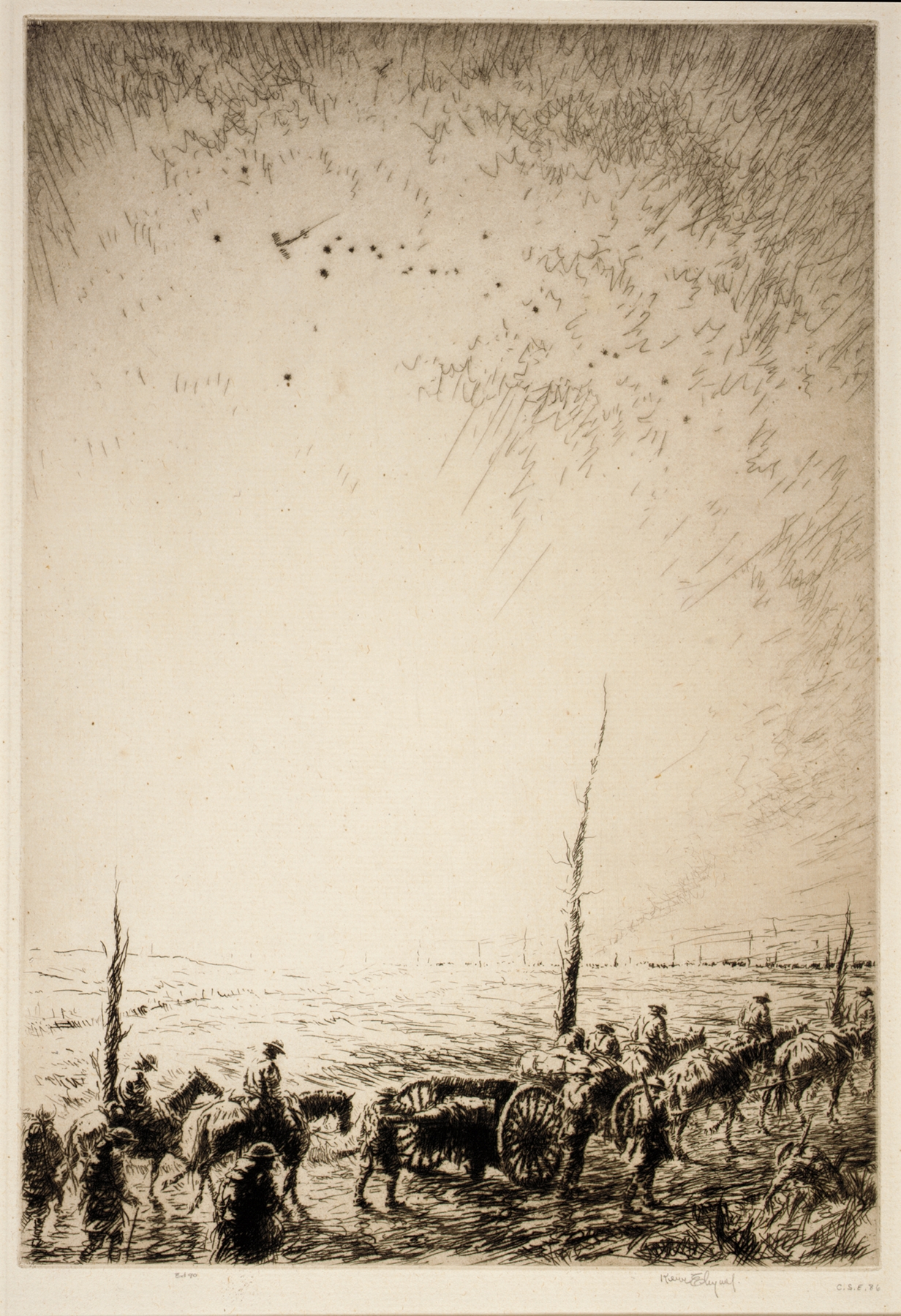
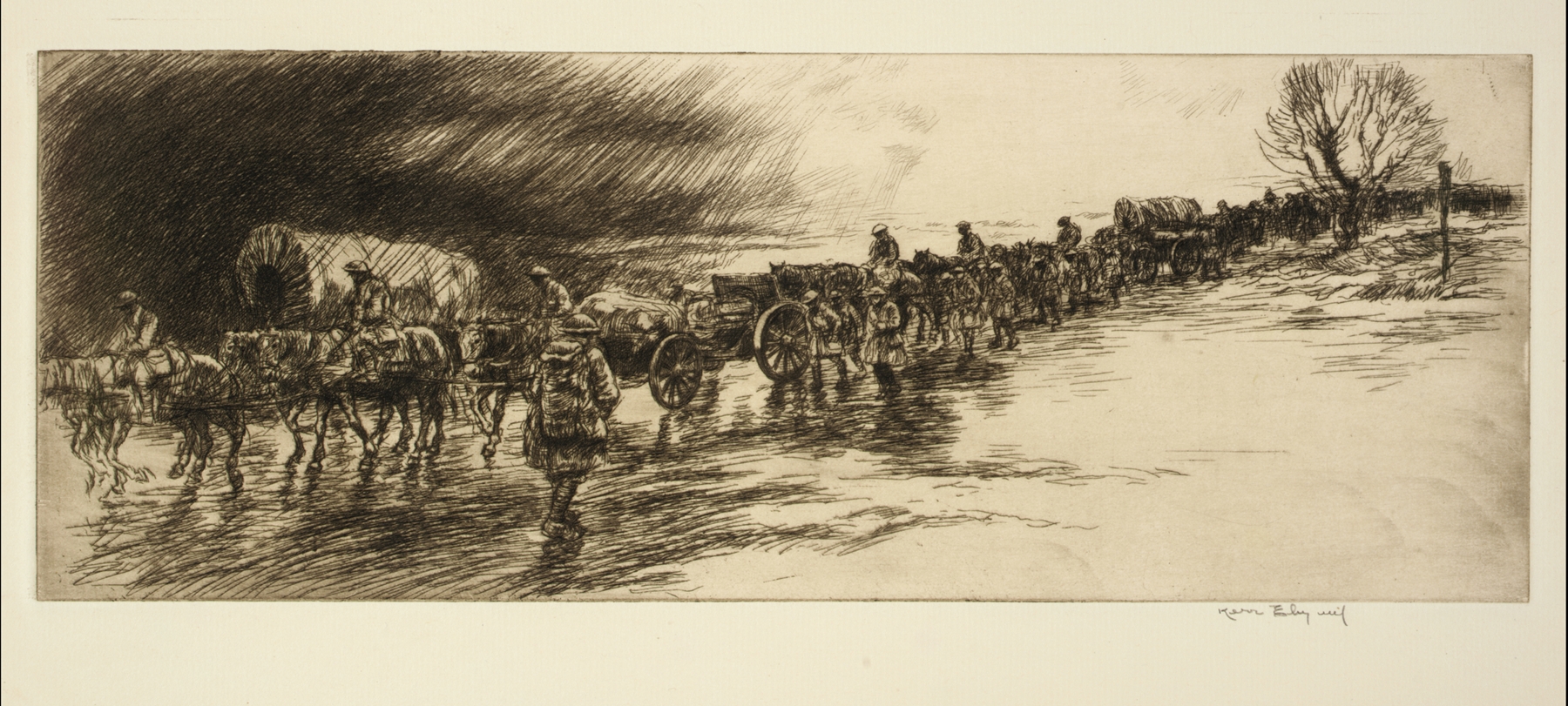
“Sometimes beauty is just pain, disguised in gold.” In the echelons of art, grief often finds its voice, echoing through every brushstroke and hue, a haunting reminder of loss. Focus first on the haunting silhouettes of the train and artillery that dominate the canvas, stark against the muted backdrop. The heavy, dark tones evoke a sense of foreboding, while flickers of gold punctuate the composition, hinting at the precious lives intertwined with these machines of war. Notice how the shadows stretch and twist, reflecting the weight of history and sorrow as they cradle the machinery, creating a tense interplay between beauty and destruction.
Delve deeper into the contrasts presented in this piece. The cold, mechanical features of the train juxtapose with the soft, ethereal gold that suggests remnants of lives affected by warfare. Each curve and angle of the machinery seems to harbor silent stories, evoking the emotional pain of those left behind. The gold, shimmering and almost otherworldly, serves as a bitter reminder that beauty often emerges from the darkest of experiences, transforming grief into something visually compelling yet profoundly sorrowful.
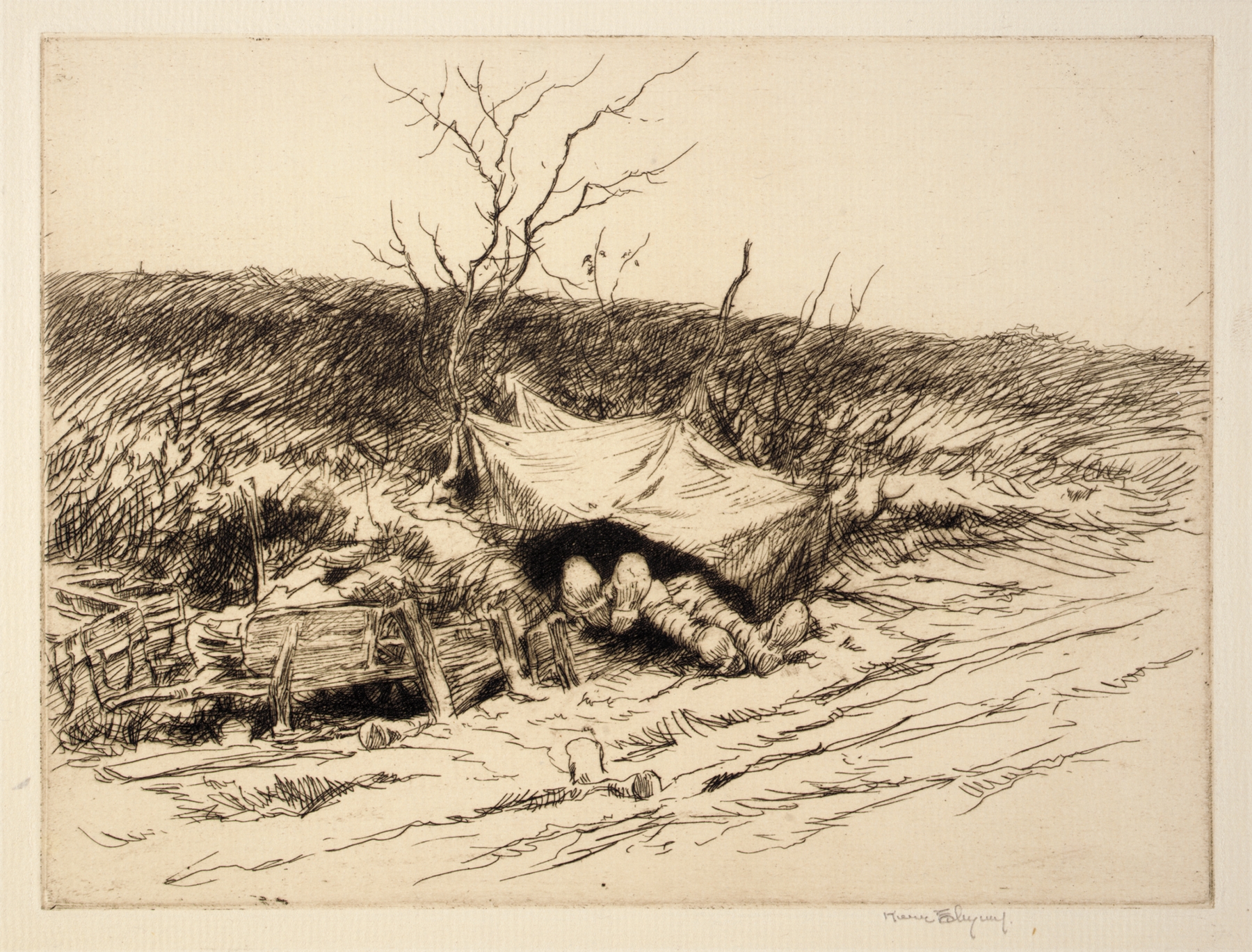
In 1919, when this work was created, the world was grappling with the aftermath of World War I, a period marked by profound loss and reflection. Kerr Eby, a Canadian artist and war veteran, poured his experiences into his art during this time. The cultural landscape was one of mourning and recovery, as artists sought to capture the raw realities of conflict while navigating their own personal grief.