Day’s End, Driftway — History & Analysis
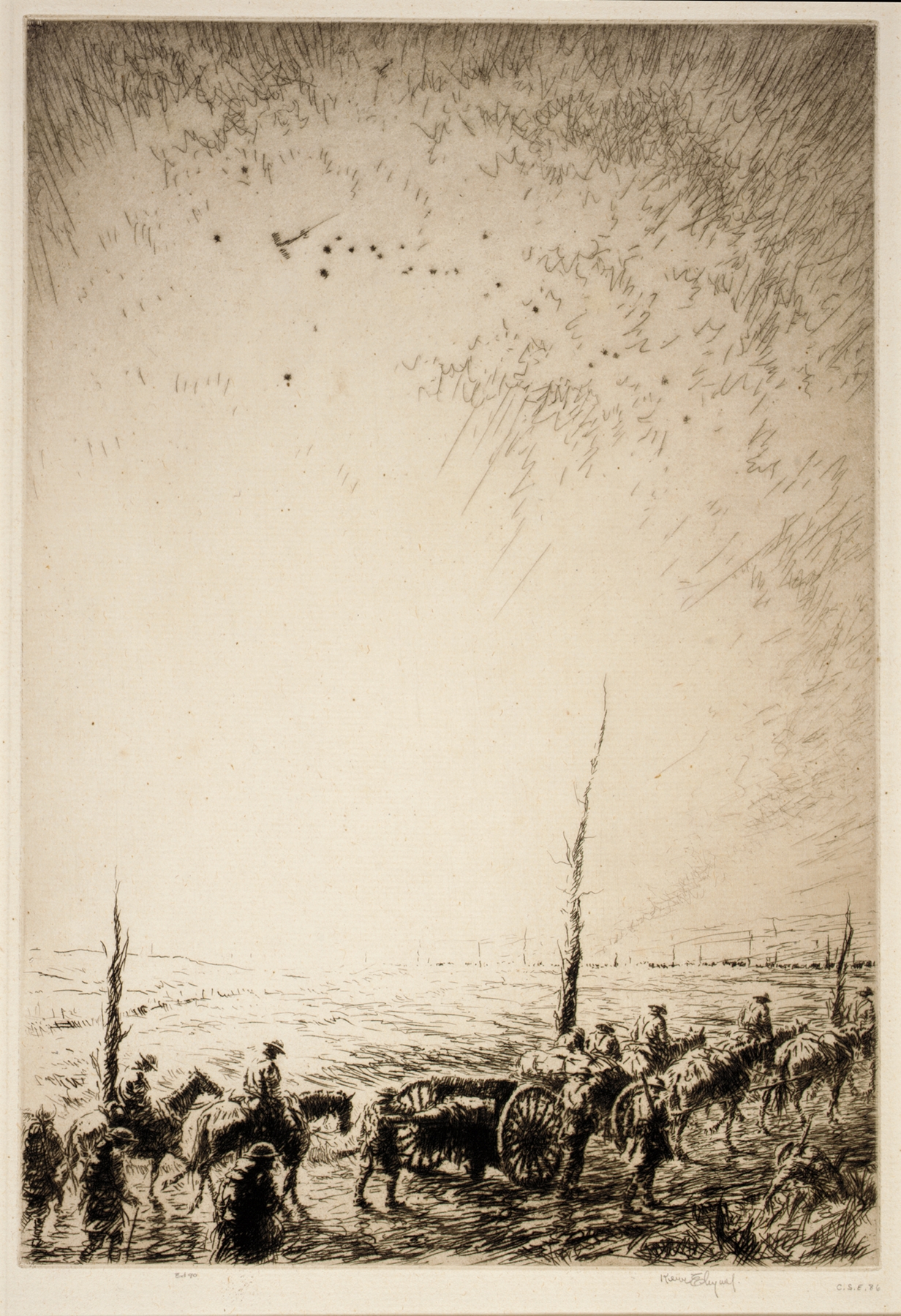
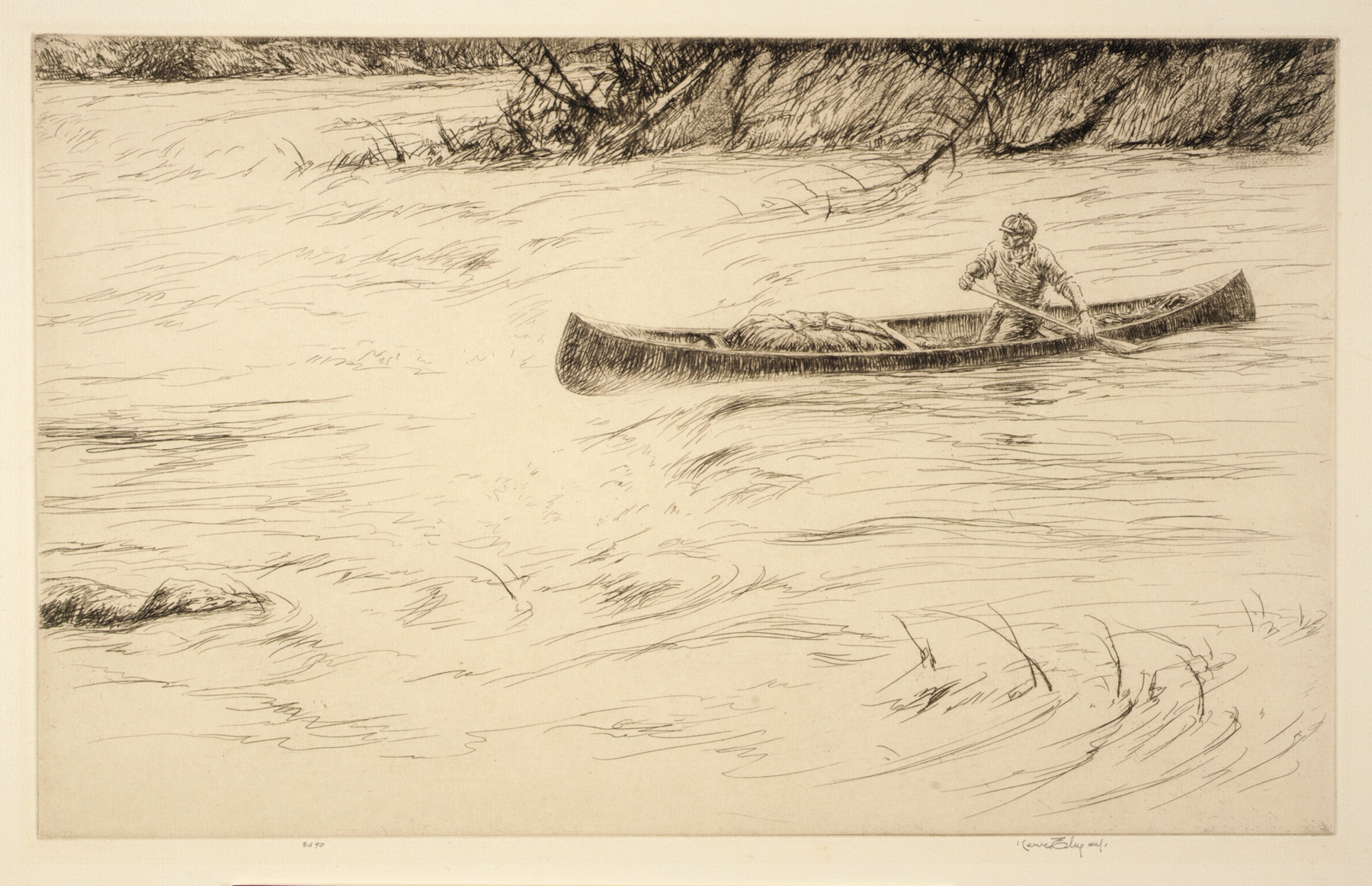
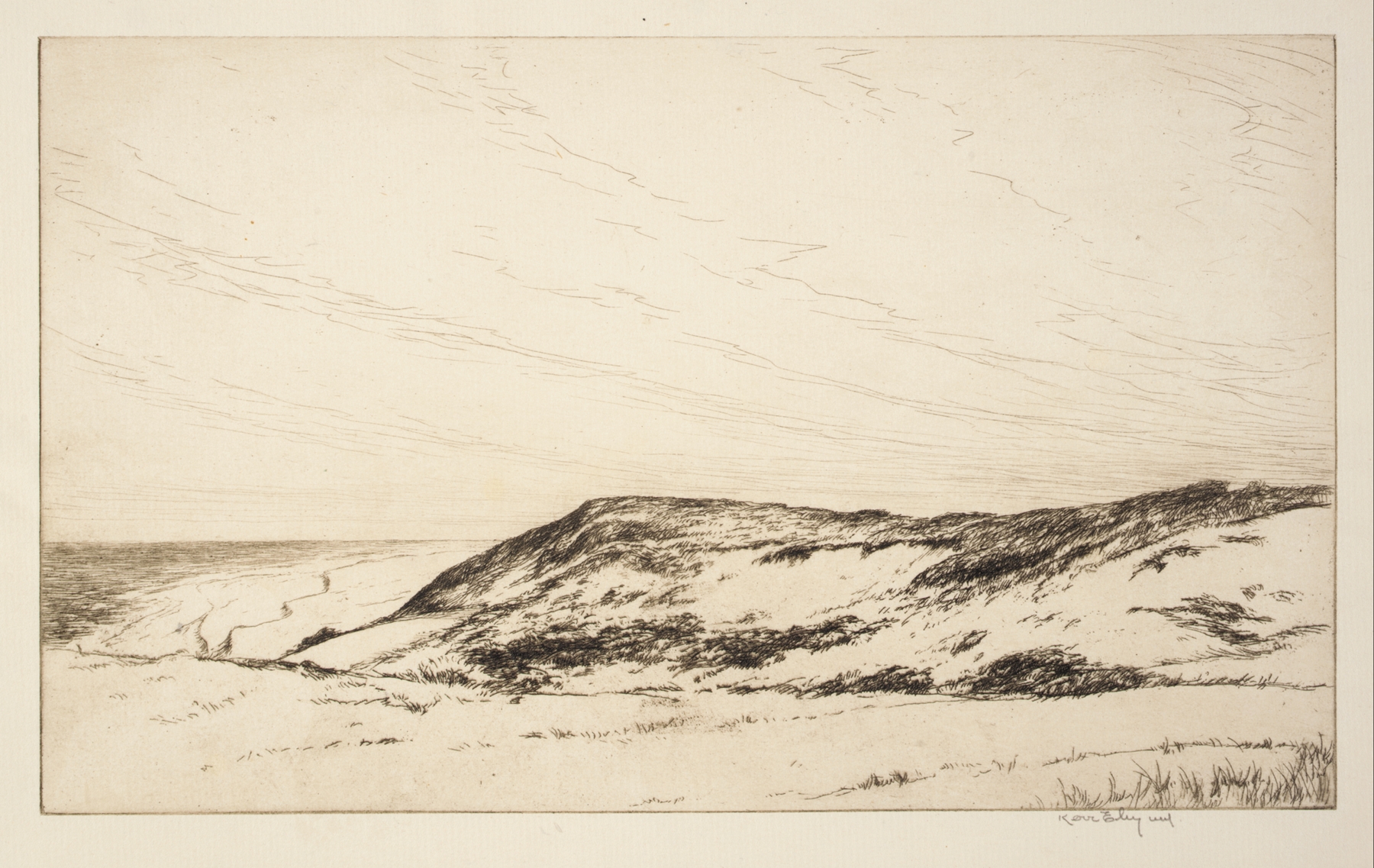
“Every silence here is a confession.” In the quiet embrace of dusk, divinity emerges through stillness, inviting us to reflect upon the transience of life. Look to the left, where a gentle horizon line blends the earth and sky, casting a soft, muted palette of blues and golds. The delicate strokes evoke a sense of motion, as if the day’s light is retreating, surrendering its warmth to the encroaching night. Notice how the fading sunlight kisses the tips of the grassy blades, illuminating them with an ethereal glow, while shadows stretch and deepen, hinting at the mysteries that lie ahead.
The painting captures a poignant moment of transition, suggesting both an end and a new beginning. The juxtaposition of light and shadow serves as a poignant metaphor for hope and despair, as the viewer is drawn to the interplay between the visible and the unseen. Each element, from the wisps of clouds to the tranquil water, speaks of reflection—both external and internal—reminding us of the divine in the mundane.
Kerr Eby created this work in 1939, a period marked by personal and global upheaval. Living in New York, he was influenced by the rising tensions of World War II and the changing landscape of American art, as artists began to explore themes of modernity and nature. In Day’s End, Driftway, Eby beautifully encapsulates the fleeting nature of time amidst an uncertain world, inviting viewers to find solace in quiet contemplation.