Asahi (Sunrise). — History & Analysis
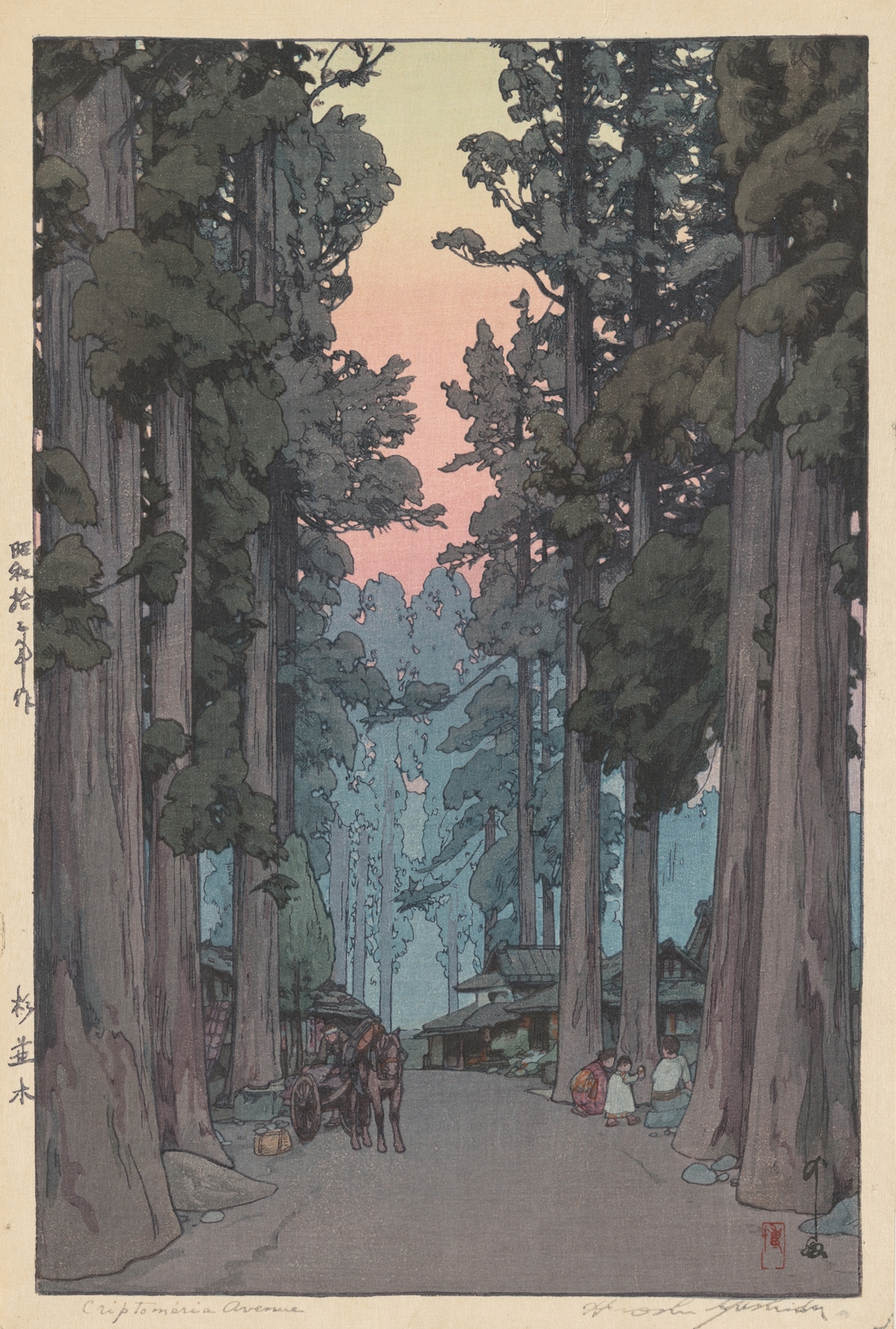
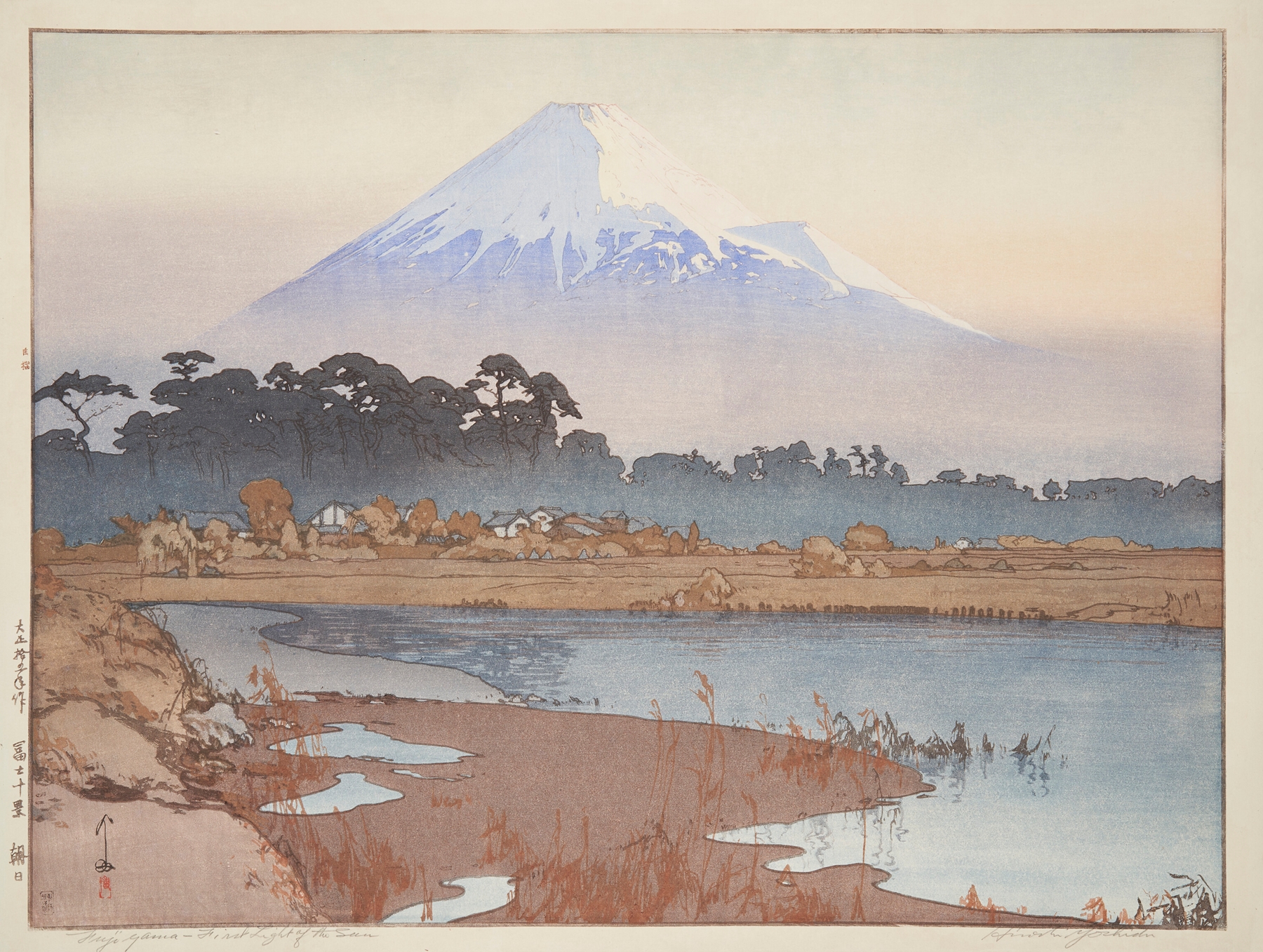
Can beauty exist without sorrow? In the delicate hues of dawn, the interplay of light and shadow whispers of life’s transience and the inevitability of mortality. Look to the center of the canvas, where the sun rises, casting a warm glow that bathes the landscape. The subtle gradations of orange and yellow intermingle with cool blues and purples, creating an ethereal atmosphere that invites contemplation.
Notice how the distant mountains fade gently into the horizon, their silhouettes softened by the light, while the foreground teems with life — the branches of trees framing the scene, elegantly poised and slightly swaying as if caught in a gentle breeze. Beneath the surface of this tranquil scene lies a complex emotional landscape. Each brushstroke whispers of the fleeting nature of beauty, as the vivid sunrise symbolizes the dawn of life, yet foreshadows the inevitable dusk that follows. The contrast between the vibrant sky and the darkened terrain speaks to the juxtaposition of hope and despair, reminding us that every moment of splendor is laced with the knowledge of its impermanence.
In 1926, during a time when Japan was grappling with rapid modernization and the echoes of tradition, the artist captured Asahi in his studio in Kyoto. This was a period of personal reflection for him, as he sought to blend Western techniques with Japanese aesthetics. His work reflected not only the changing world around him but also a deep introspection about existence, captured through the lens of nature's beauty.