At the Well — History & Analysis
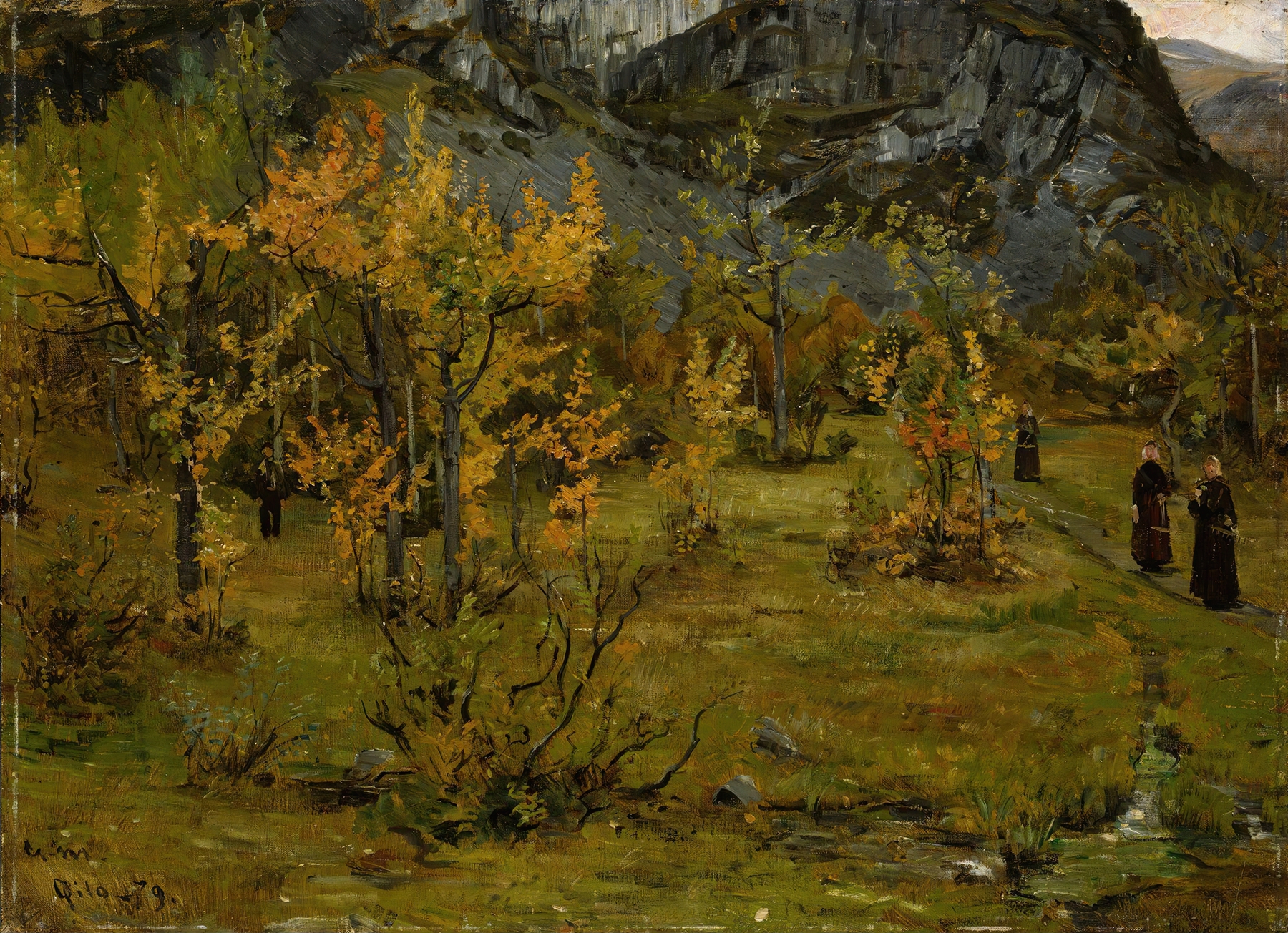
“Every brushstroke is a heartbeat remembered.” This sentiment encapsulates the essence of nostalgia, capturing the fleeting moments that shape our lives. In At the Well, the viewer is invited to witness the quiet interplay of memory and time, evoking a deep personal resonance that transcends the canvas. Look to the left at the figures clustered around the well, their postures a harmonious blend of curiosity and purpose. Notice how the light illuminates their faces, casting gentle shadows that suggest a late afternoon sun.
The palette, rich with earthy tones, creates a sense of warmth and familiarity, while the meticulous brushwork conveys a tactile quality, pulling the viewer deeper into this intimate gathering. Each detail—from the textures of clothing to the glistening water—draws the eye, revealing the artist's dedication to capturing a moment steeped in time. Delve into the contrasting emotions inherent in this piece: the joy of communal interaction juxtaposed with the solitude of each individual’s thoughts. The well itself stands as a metaphor for the depths of memory, representing not just a source of water, but a conduit for shared experiences and longing.
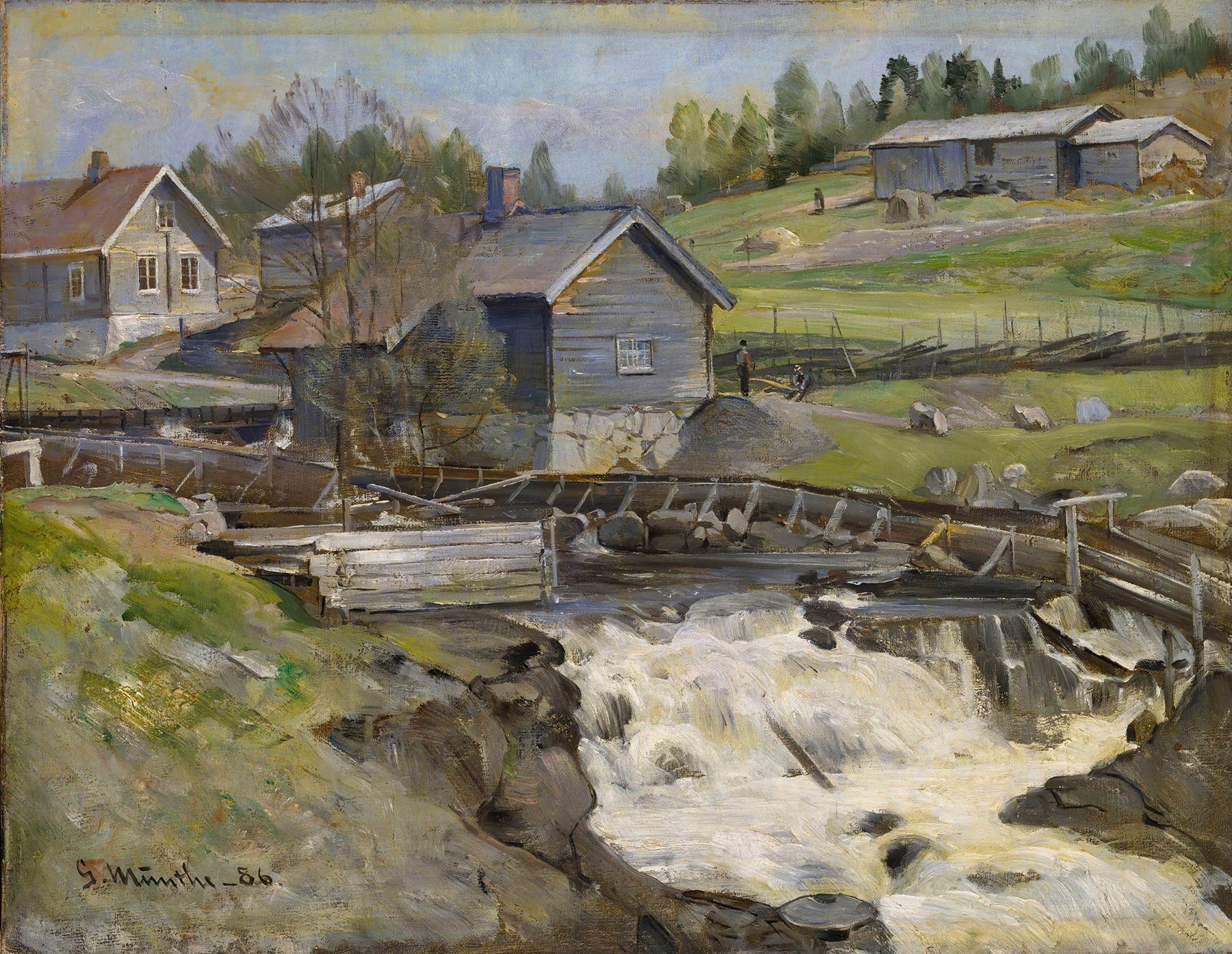
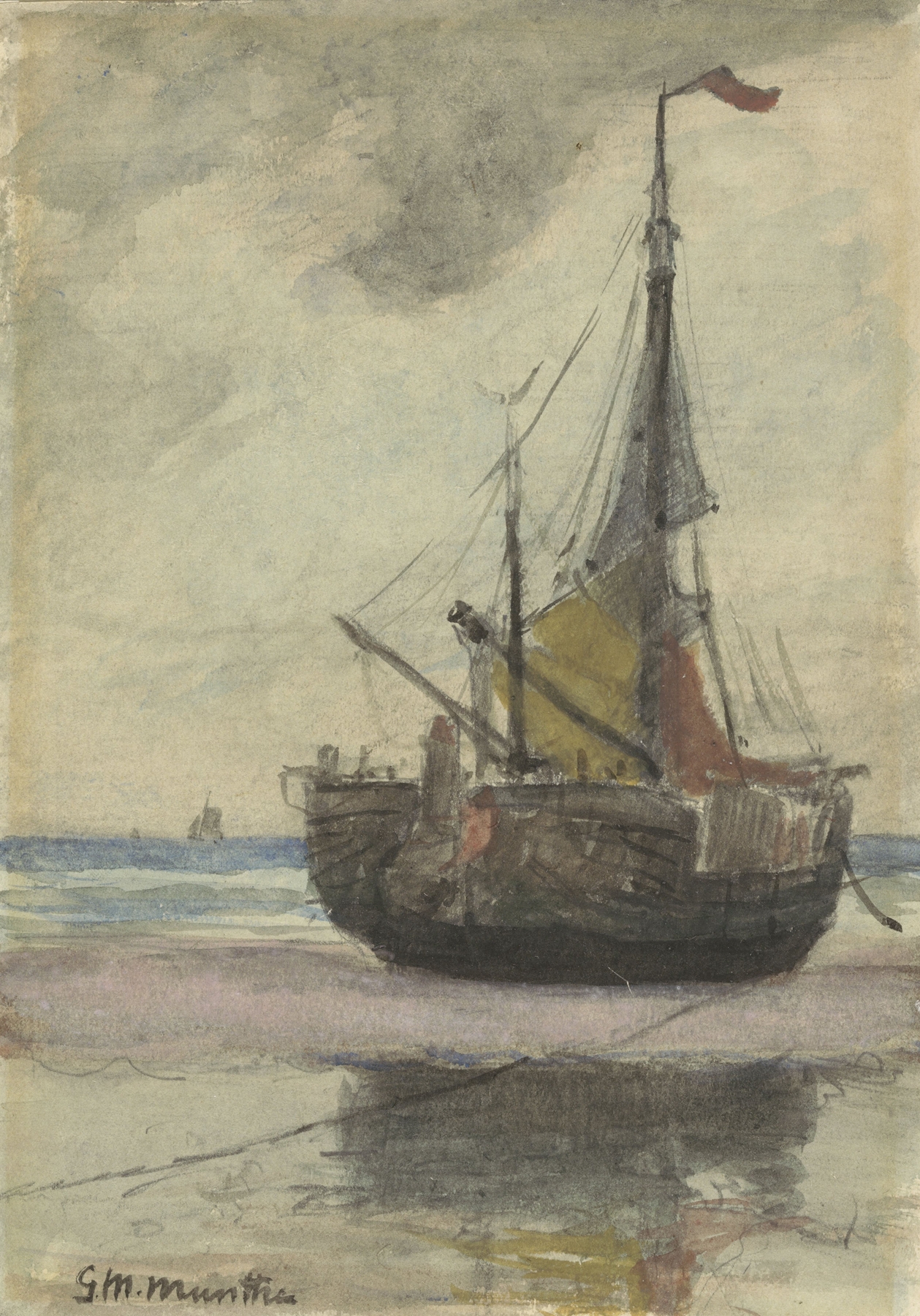
Each figure, absorbed in their task, reflects the universal desire for connection and the nostalgia for simpler times, bridging the gap between personal and collective histories. Gerhard Munthe painted At the Well in 1886 during a period of experimentation within the Norwegian art scene, influenced by both Romanticism and emerging Symbolism. At this time, Munthe was returning from studies in Paris and refining his unique style that blended folk traditions with modern techniques. The artwork reflects a moment of cultural reflection in Norway, where the artist sought to embody the essence of everyday life, celebrating both the familiar and the extraordinary in ordinary scenes.