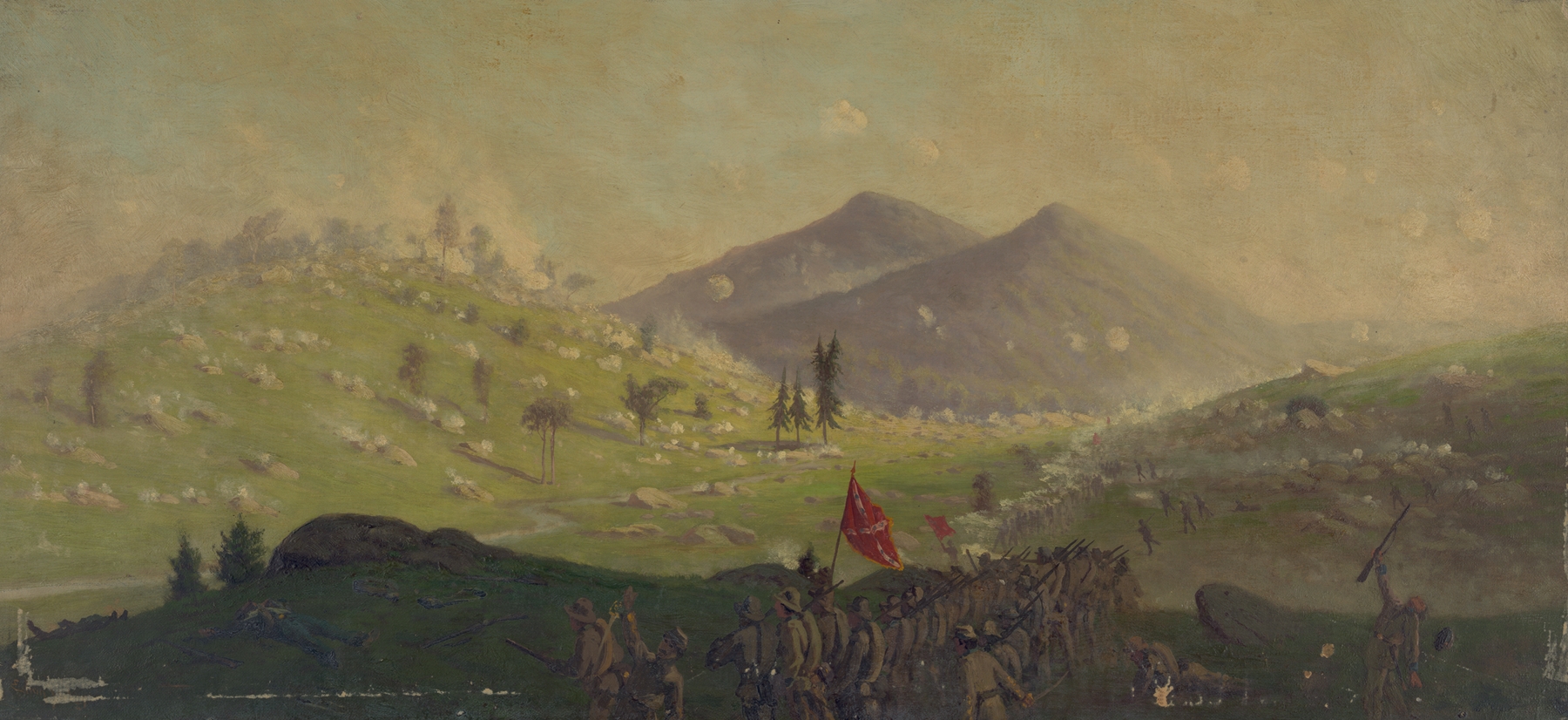
Attack on Little Round Top held by the 5th Corps commanded by General Sykes — History & Analysis
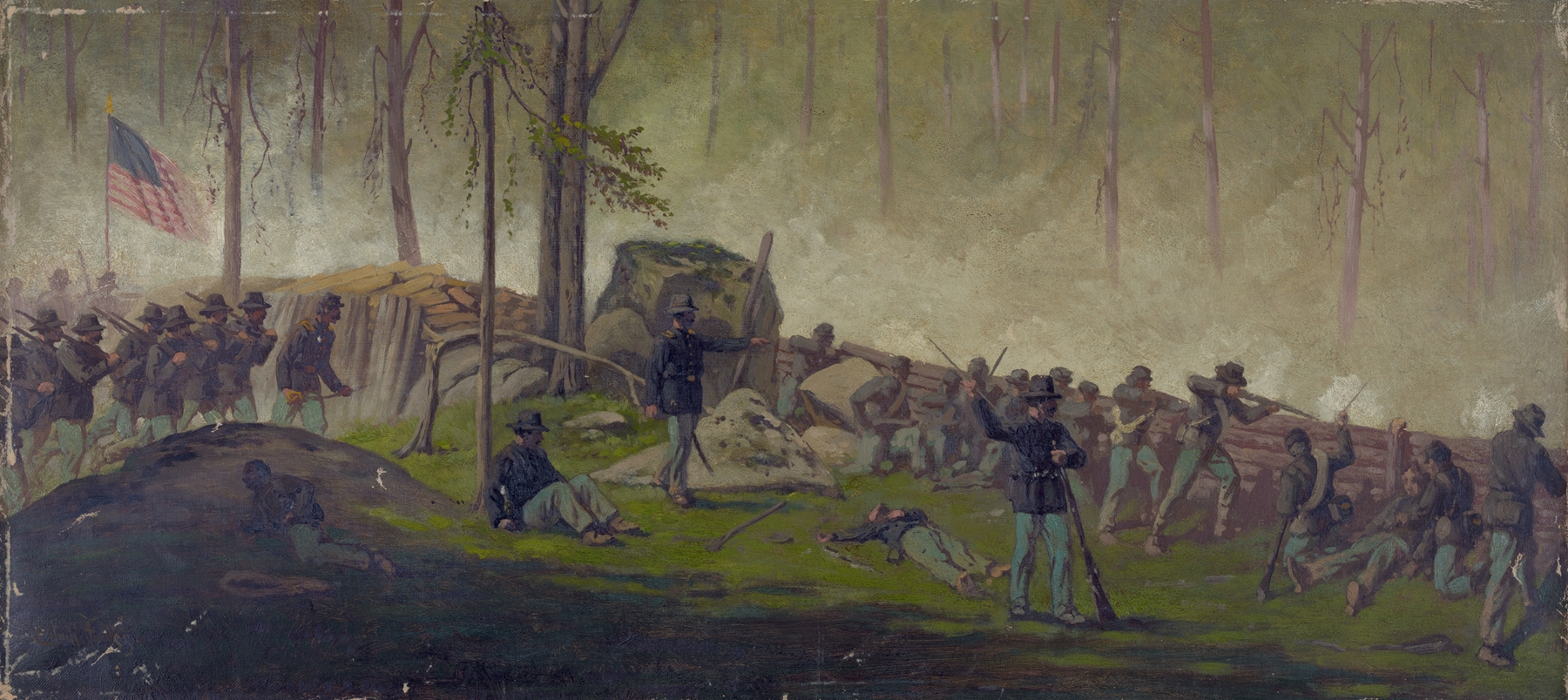
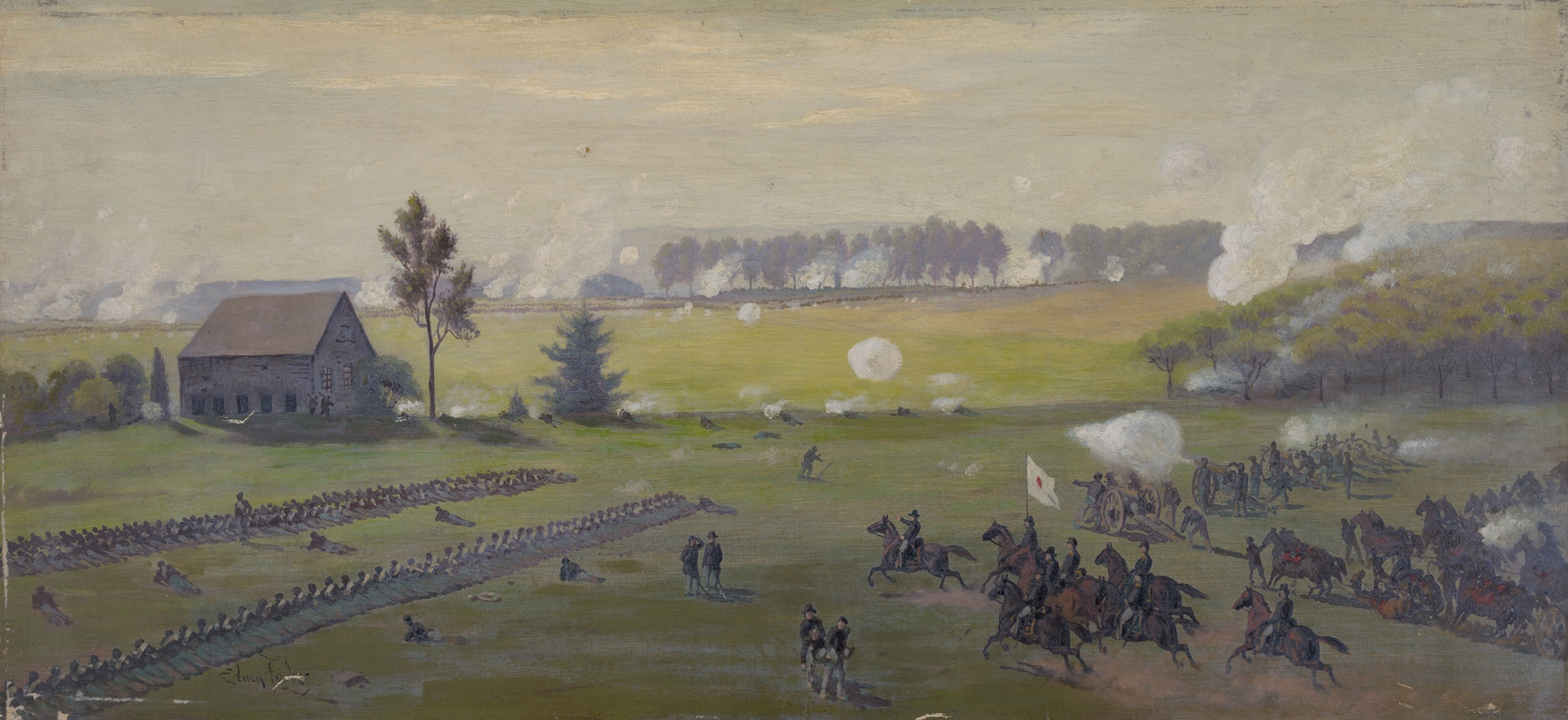
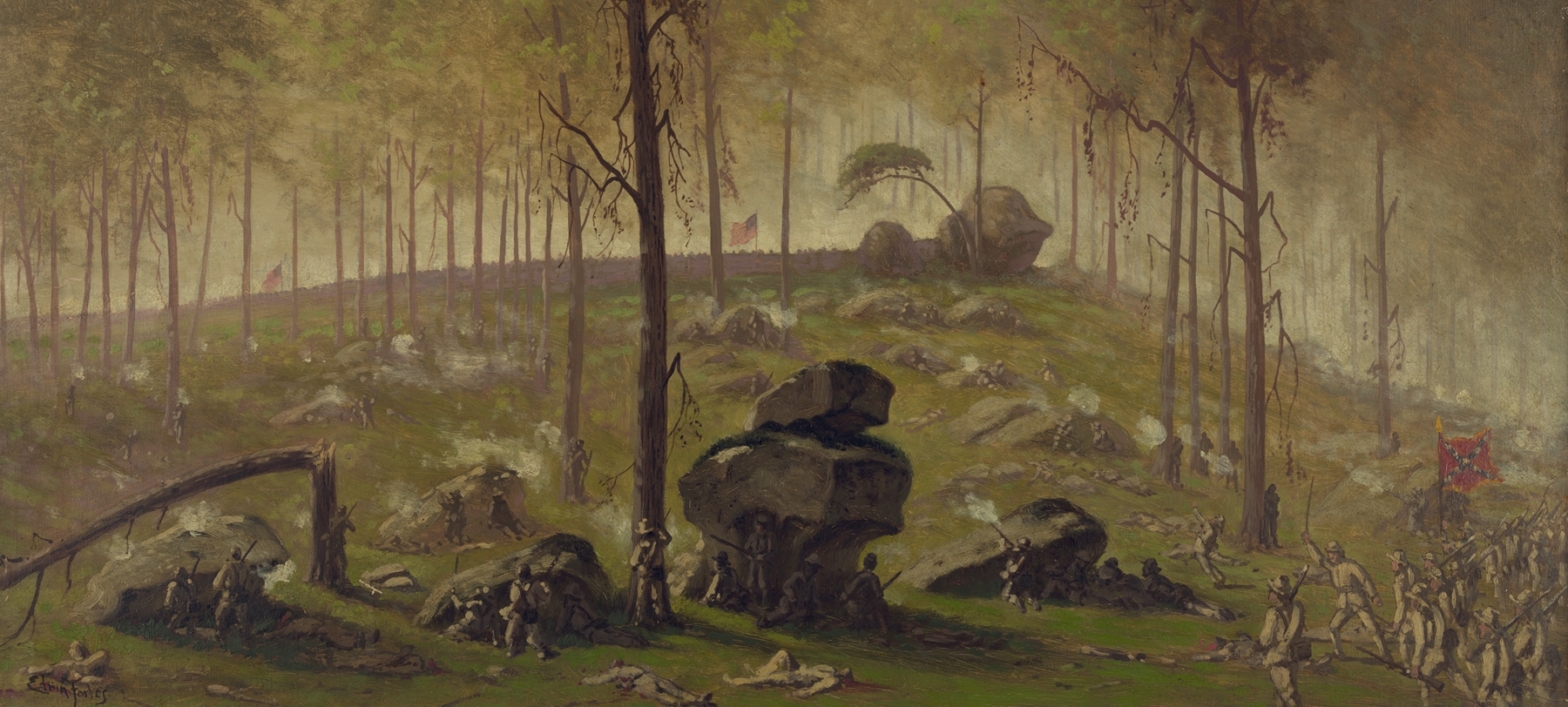
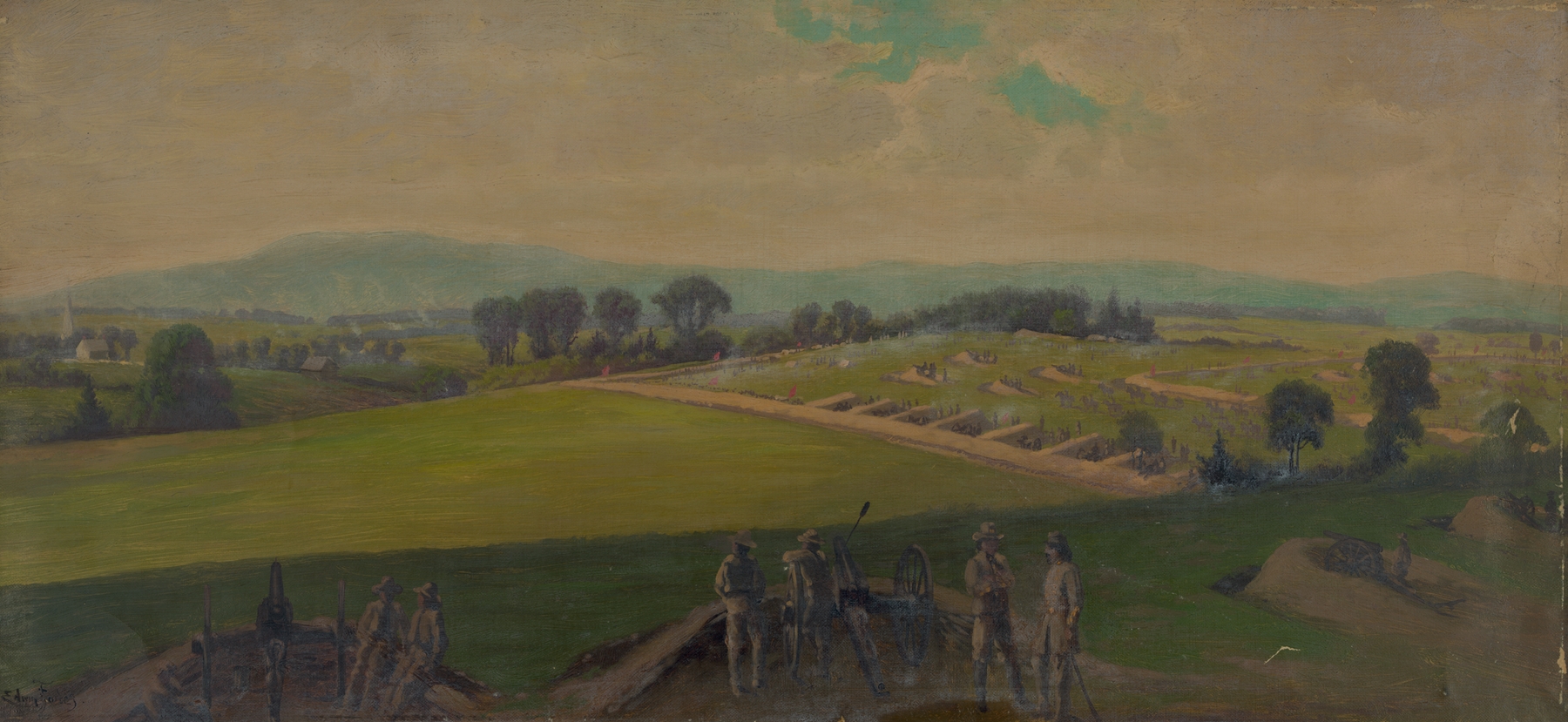
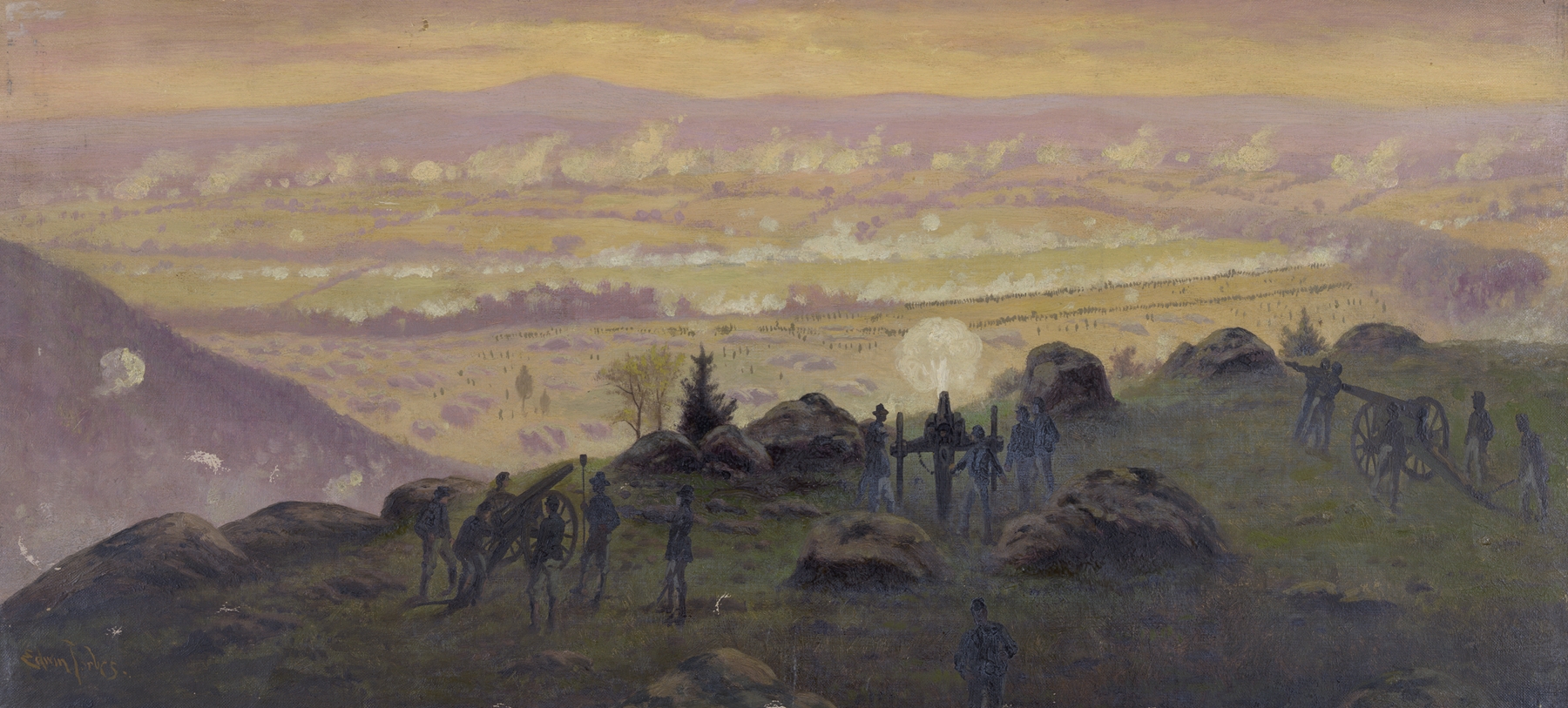
“The canvas doesn’t lie — it simply waits.” In that stillness, a yearning for truth and remembrance lingers, echoing the past’s tumultuous cries and silent sorrows. Begin your exploration by looking to the left where a cluster of soldiers, resolute yet weary, stands poised in stoic defiance. The artist’s use of muted earth tones conveys the weight of the landscape, mirroring the soldiers’ grim determination. Notice how shadows stretch across the foreground, creating a dynamic interplay of light and darkness that captures the tension of the moment.
Each brushstroke reflects the urgency of battle, while the expressions of the men reveal a raw vulnerability—fear intermingled with fierce loyalty. As you delve deeper, consider the significance of the rocky terrain, a formidable barrier that speaks to both the physical and emotional struggles faced by the soldiers. The contrast between the chaotic scene and the steadfast figures encapsulates a profound longing for peace amidst violence. Elements such as the tattered flags fluttering in the wind serve not only as symbols of patriotism but also as reminders of the sacrifices made—each thread carrying a story of loss and hope intertwined.
During the years between 1865 and 1876, Forbes, a war correspondent turned artist, captured the essence of the Civil War’s aftermath. Working in an era that saw both the scars of conflict and the budding ideals of reconstruction, he sought to document the human experience in war. This painting emerges from a time when the nation grappled with its identity, and through this lens, Forbes immortalized the poignant struggles that would shape the American landscape for generations to come.