Last stand of the Army of Virginia, commanded by General Lee — History & Analysis
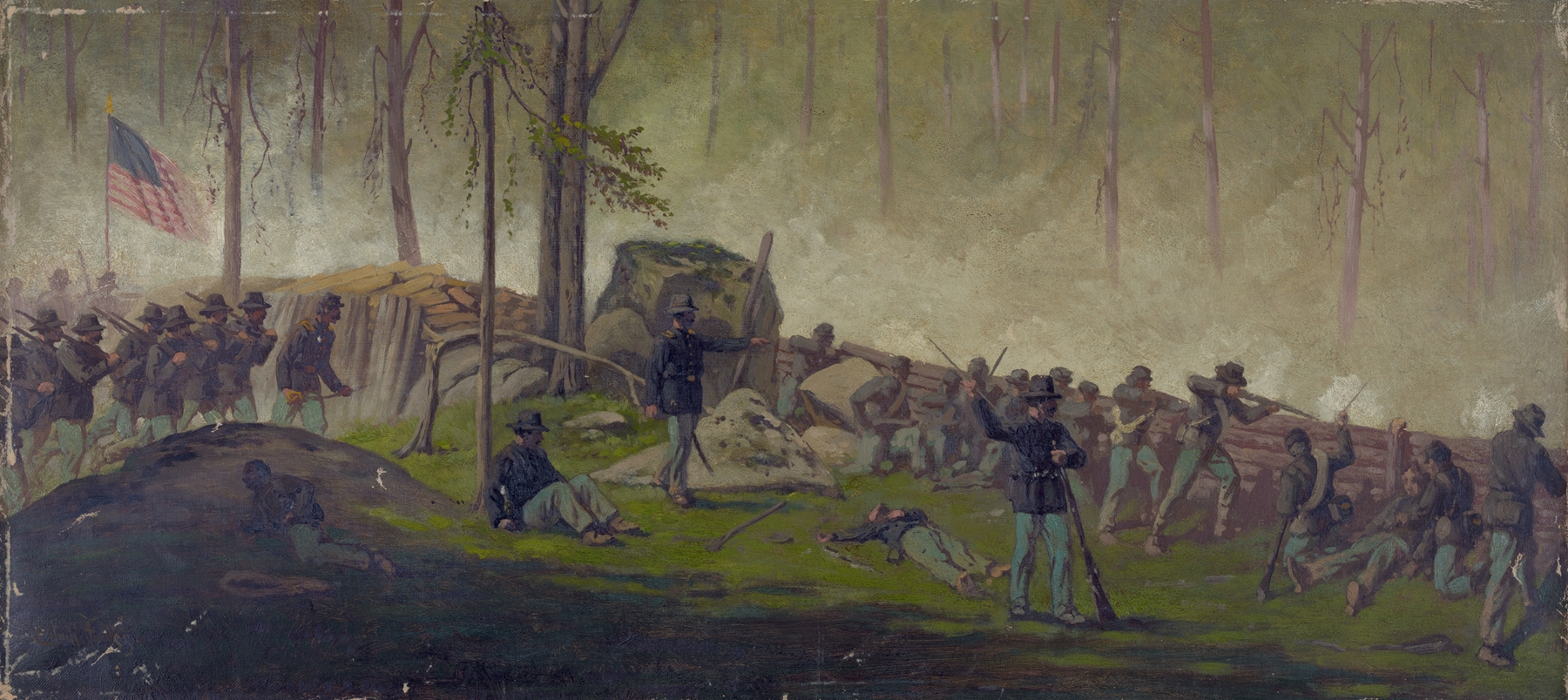
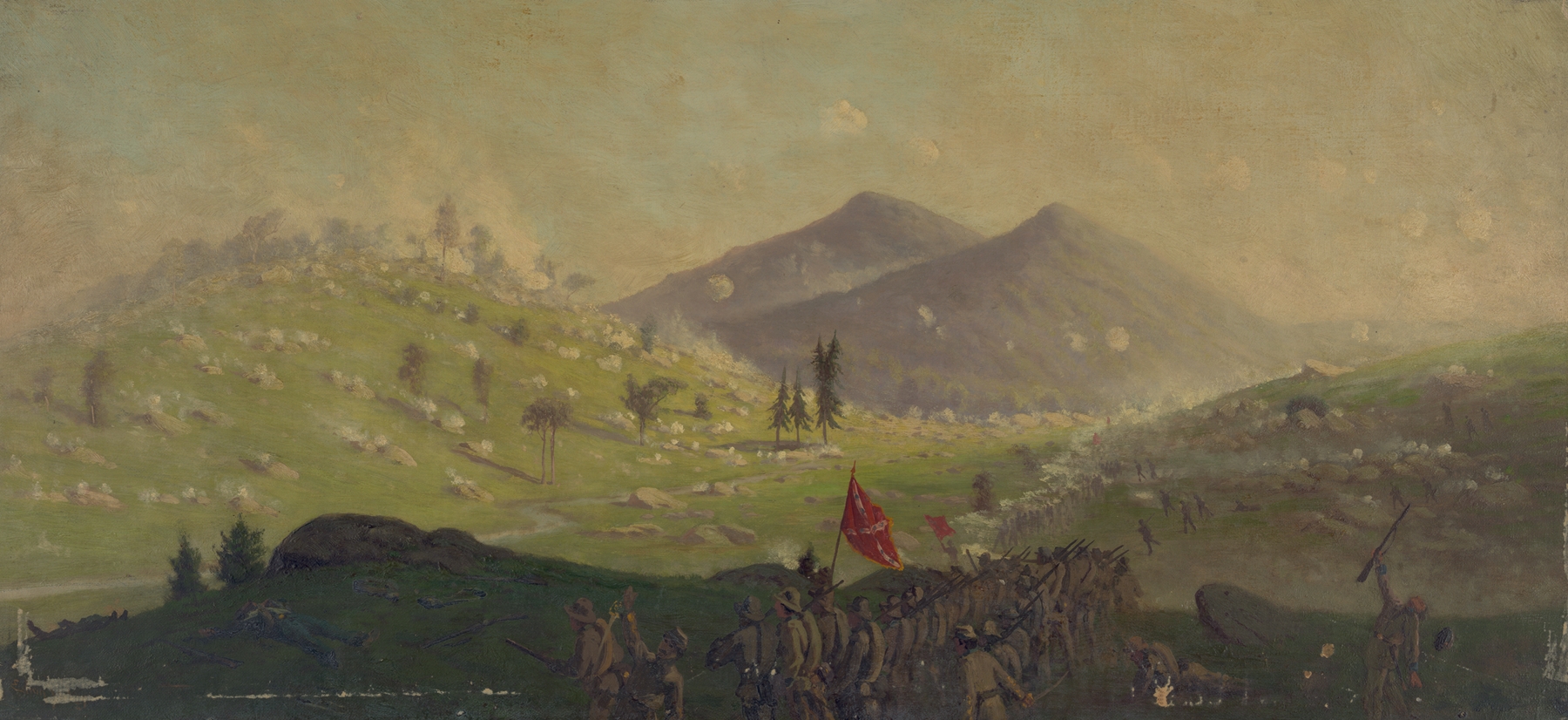
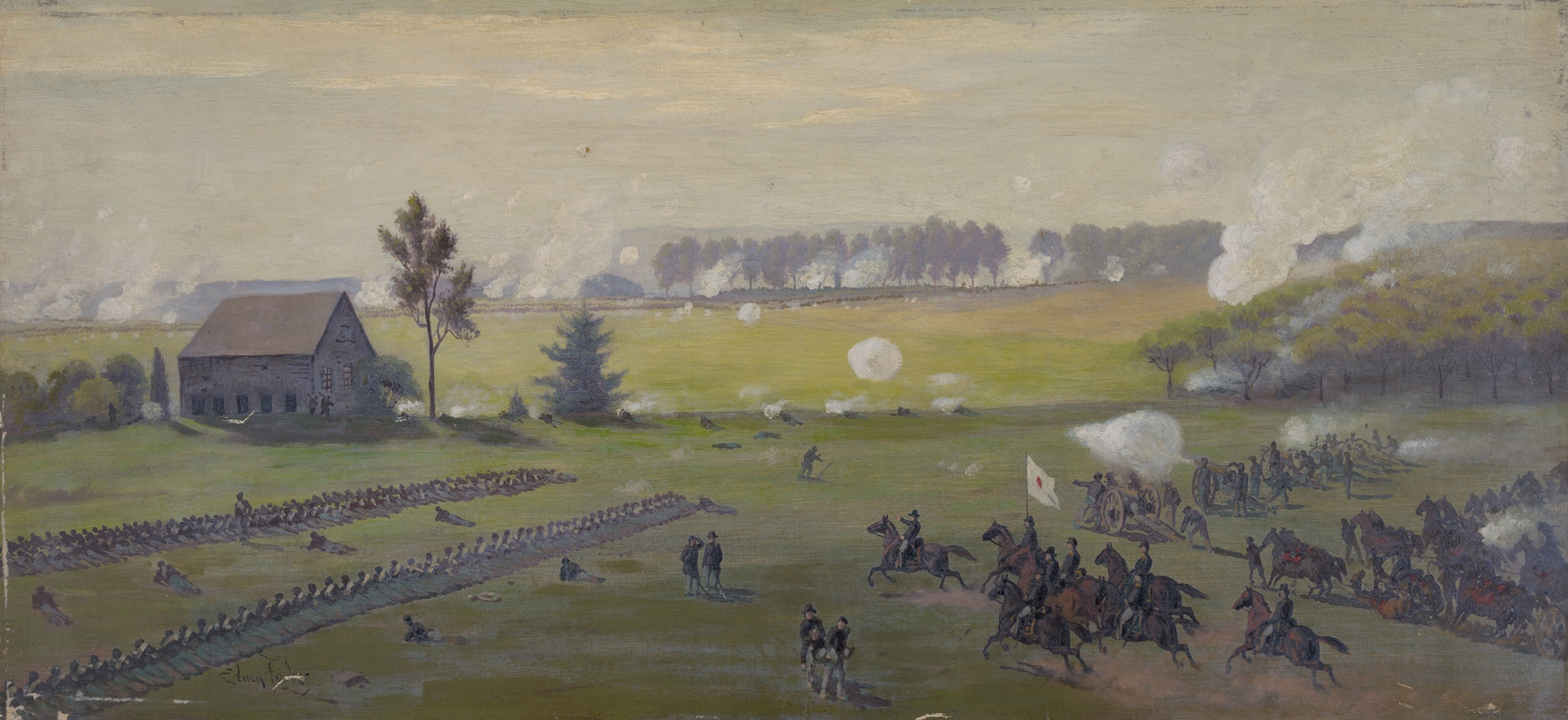
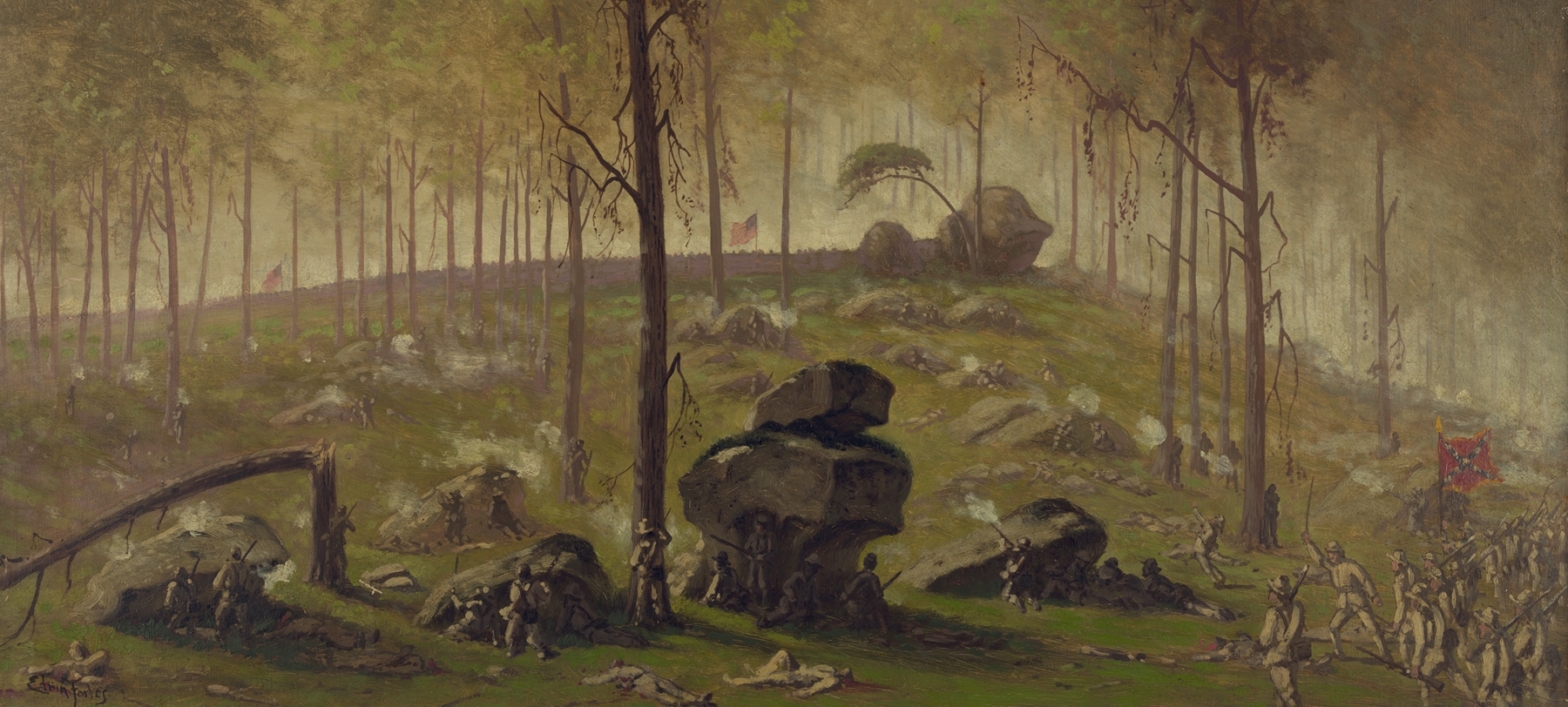
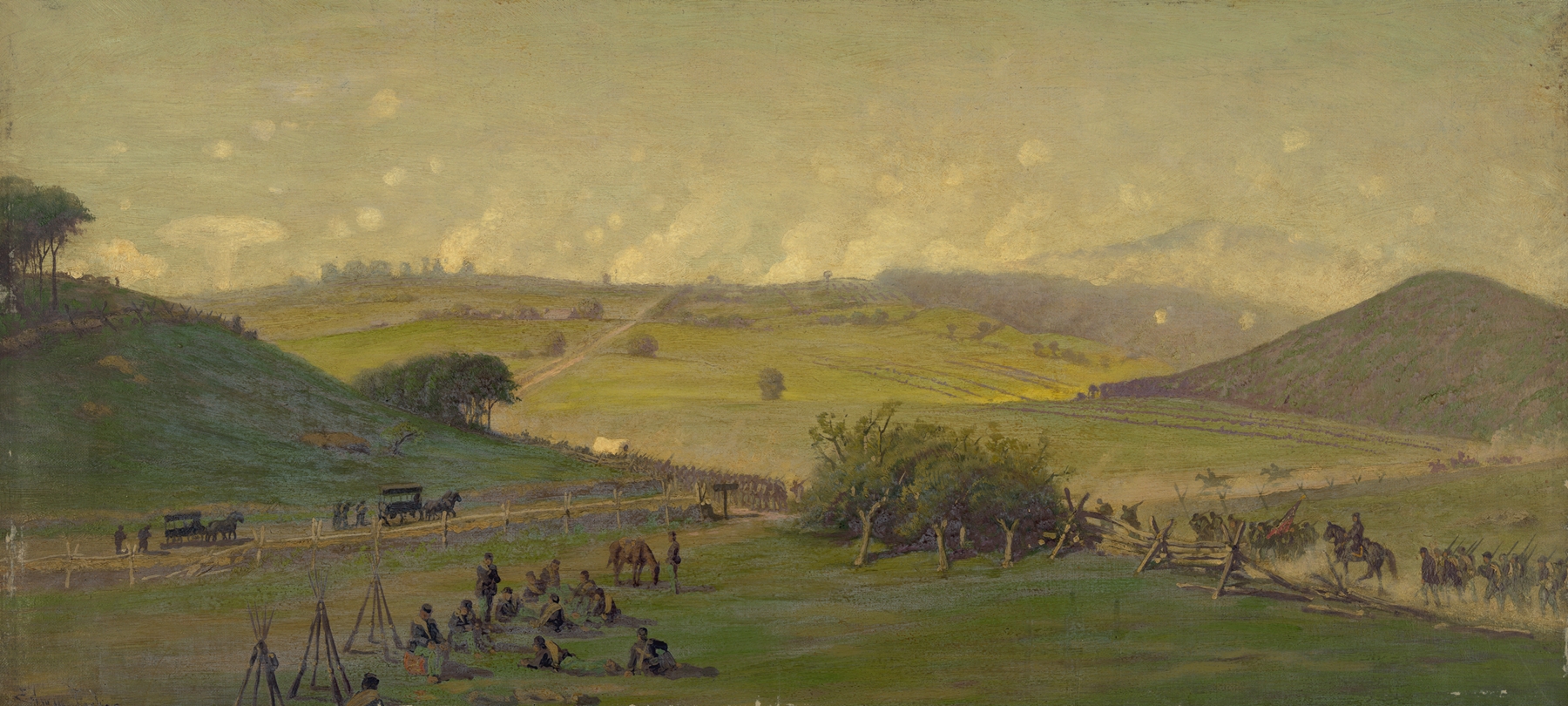
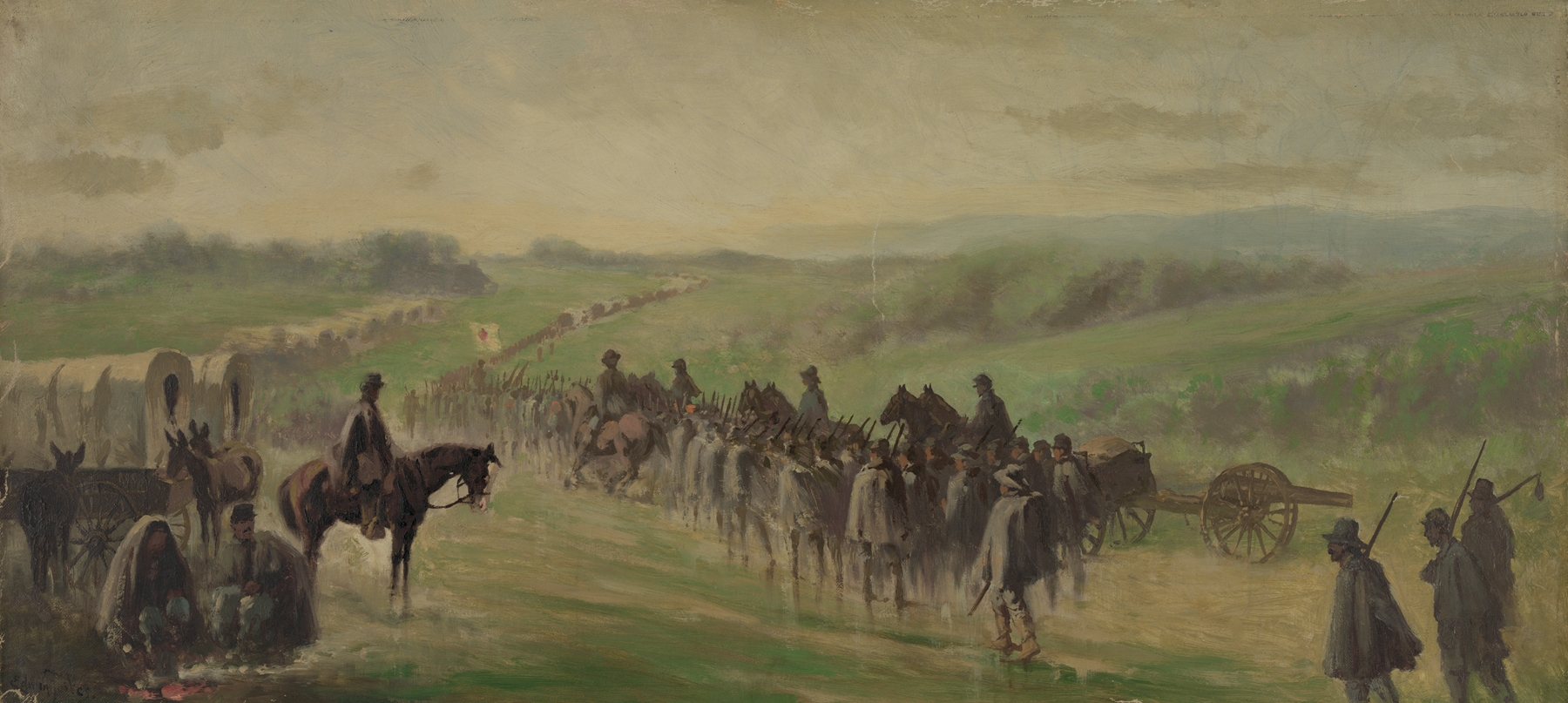
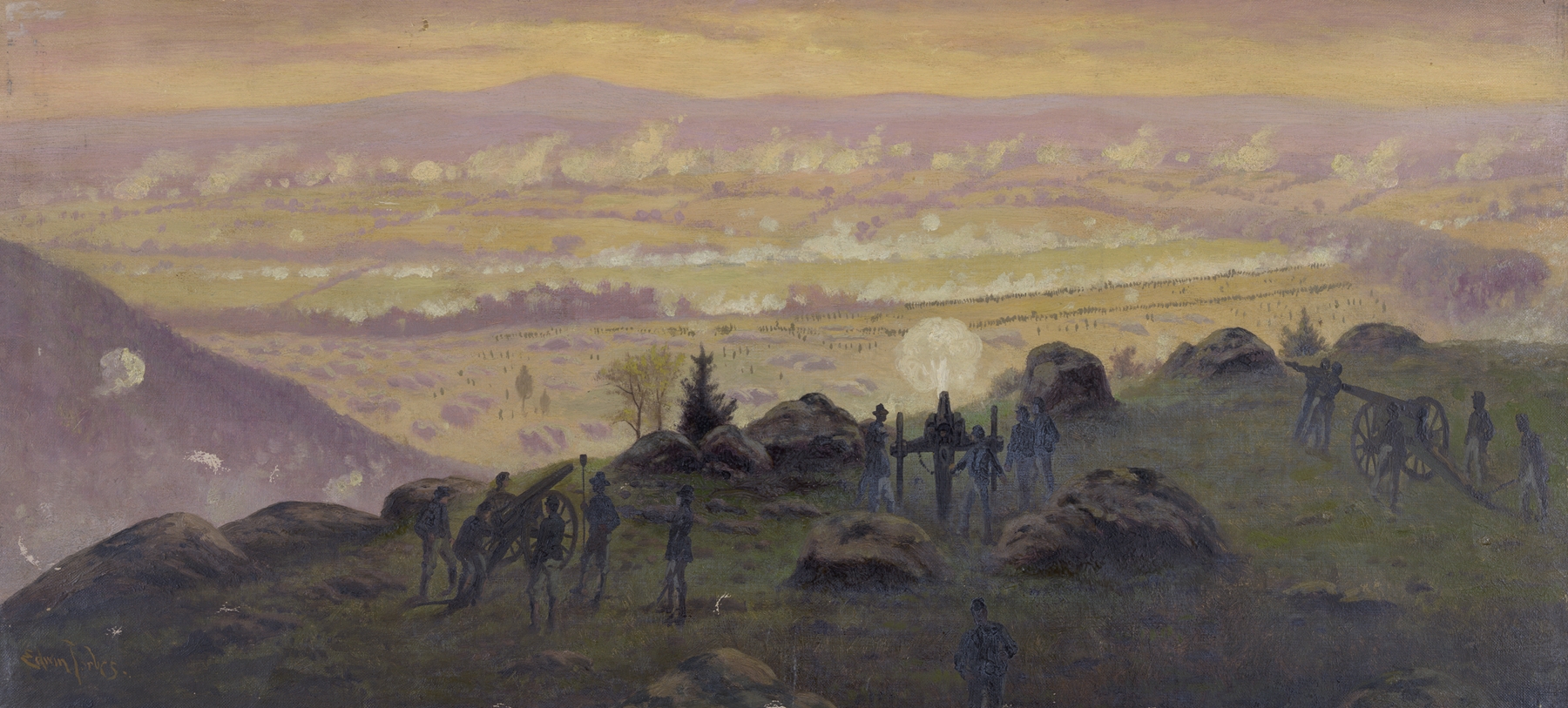
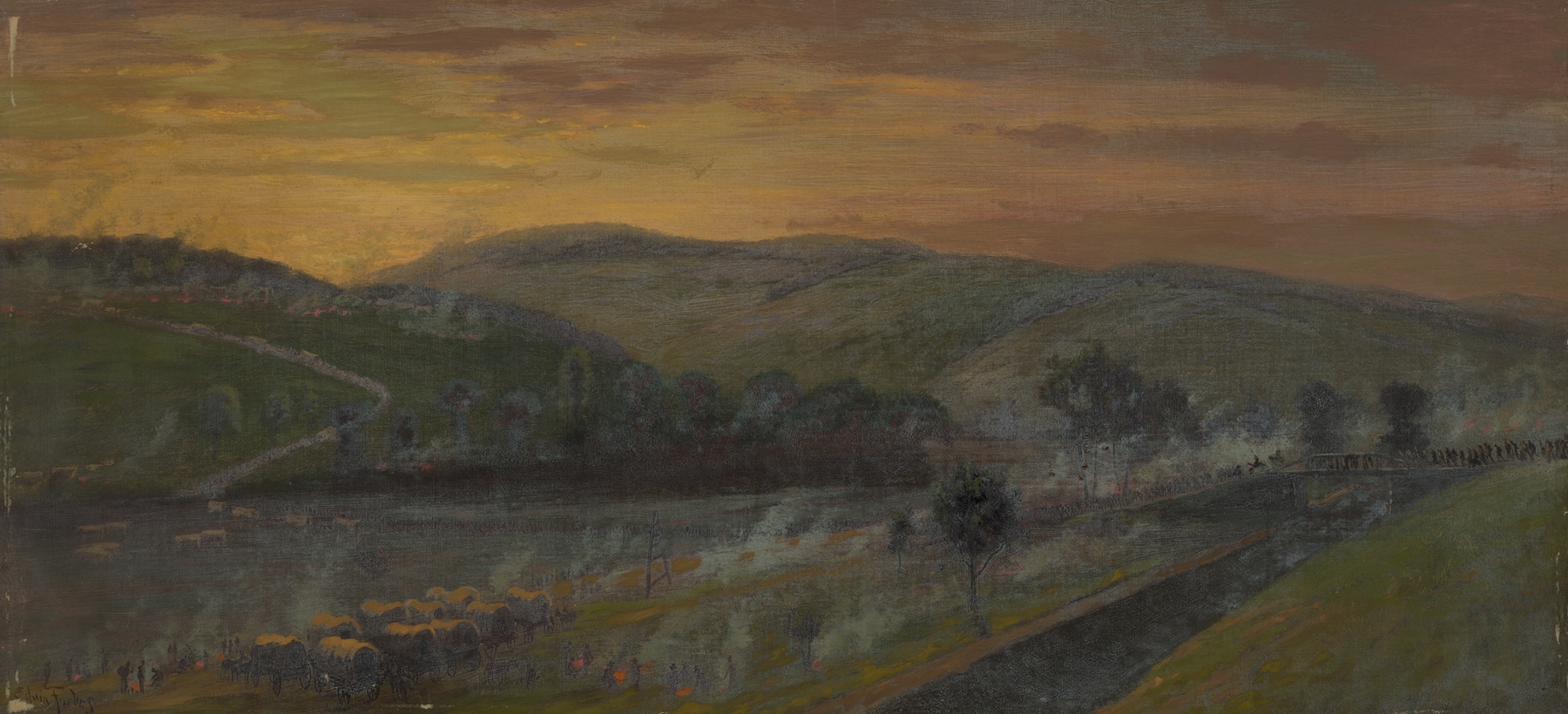
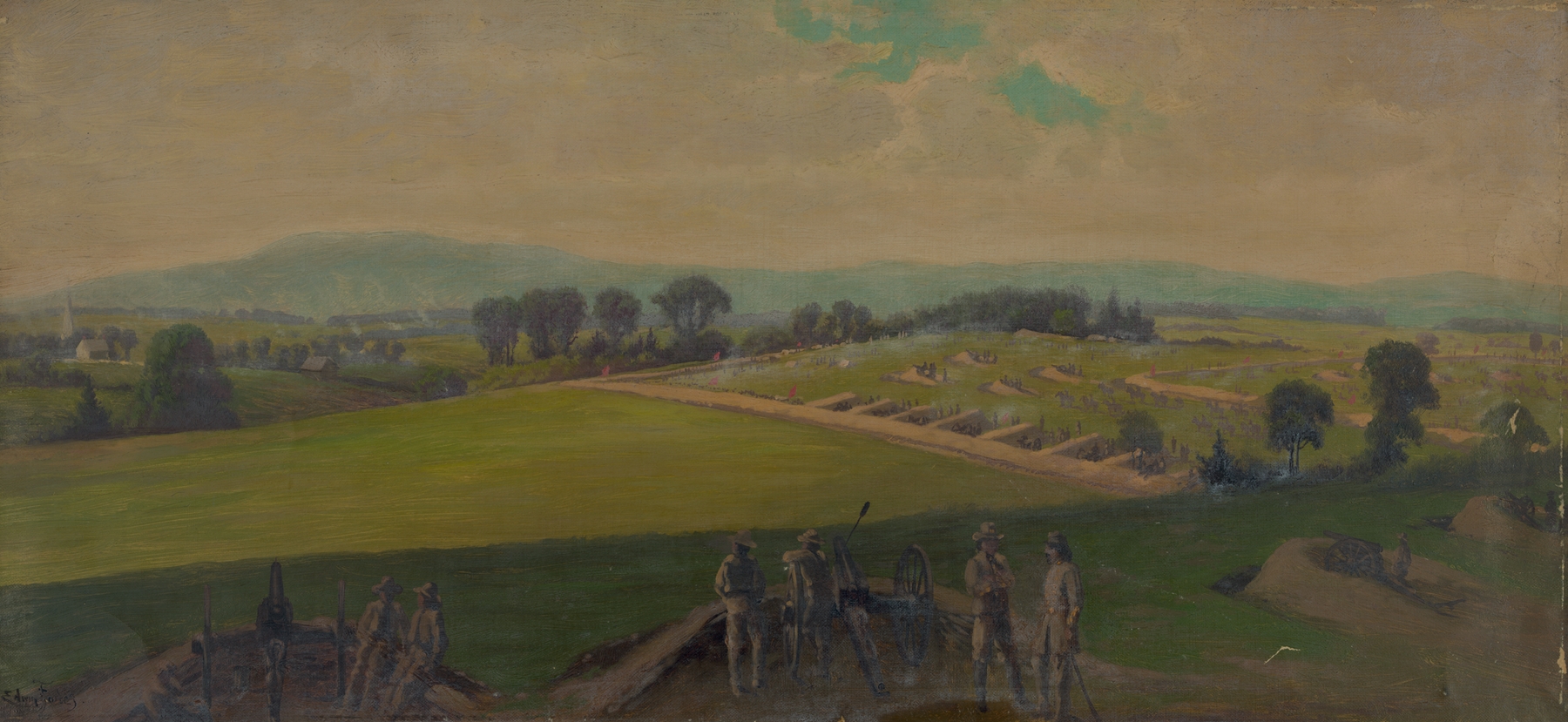
When did color learn to lie? In Last Stand of the Army of Virginia, commanded by General Lee, the hues of battle speak both of valor and despair, revealing the complexity of human destiny amidst chaos. Look to the center where General Lee stands resolute, his figure bathed in a soft, almost ethereal light that contrasts sharply with the tumult around him. The swirling movement of soldiers and horses encircles him, each brushstroke conveying the urgency of the moment. Notice how the muted earth tones of the landscape blend harmoniously with the somber expressions of the soldiers, while the splashes of crimson evoke the violence of war and the blood spilled for an ideal.
The composition pulls the viewer into a swirling vortex of action, yet the general remains a calm eye within the storm. As you take in the frenetic energy, consider the deeper layers of emotion at play. The painting captures not just a military moment but the poignant human struggle against fate. The juxtaposition of Lee’s unwavering stance against the disarray around him suggests both leadership and impending doom—a destiny forged in conflict and sacrifice.
In the faces of the soldiers, one can discern a blend of determination and resignation, hinting at the personal toll of war that extends beyond mere numbers and strategies. Edwin Forbes painted this piece between 1865 and 1876, reflecting on a nation deeply scarred by the Civil War. At this time, Forbes was among the few artists who documented the war's aftermath, influenced by his own experiences as a war correspondent. In the broader art world, the period was marked by a shift towards realism, as artists sought to capture not only the grandeur of battle but also its devastating human cost.