Au bord de la rivière — History & Analysis
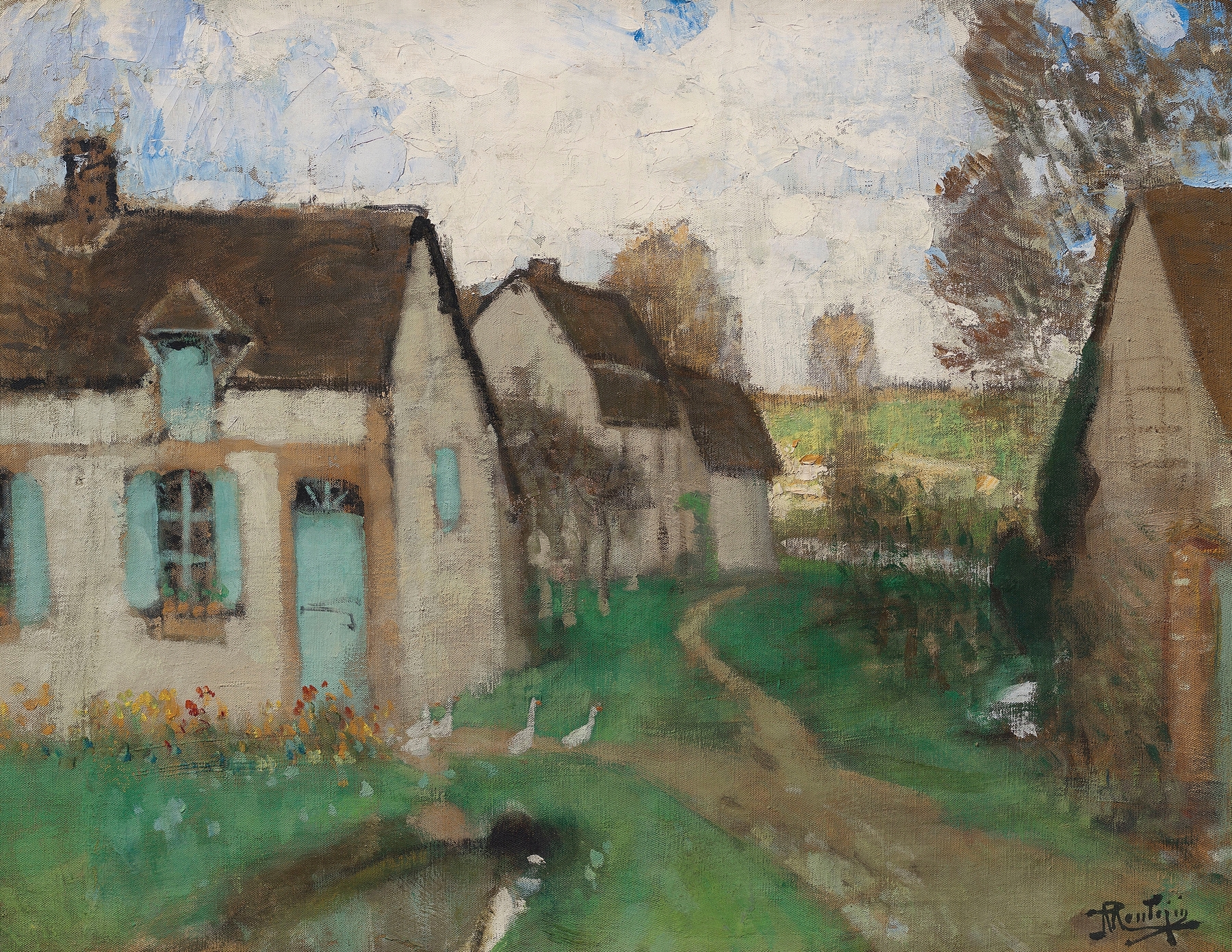
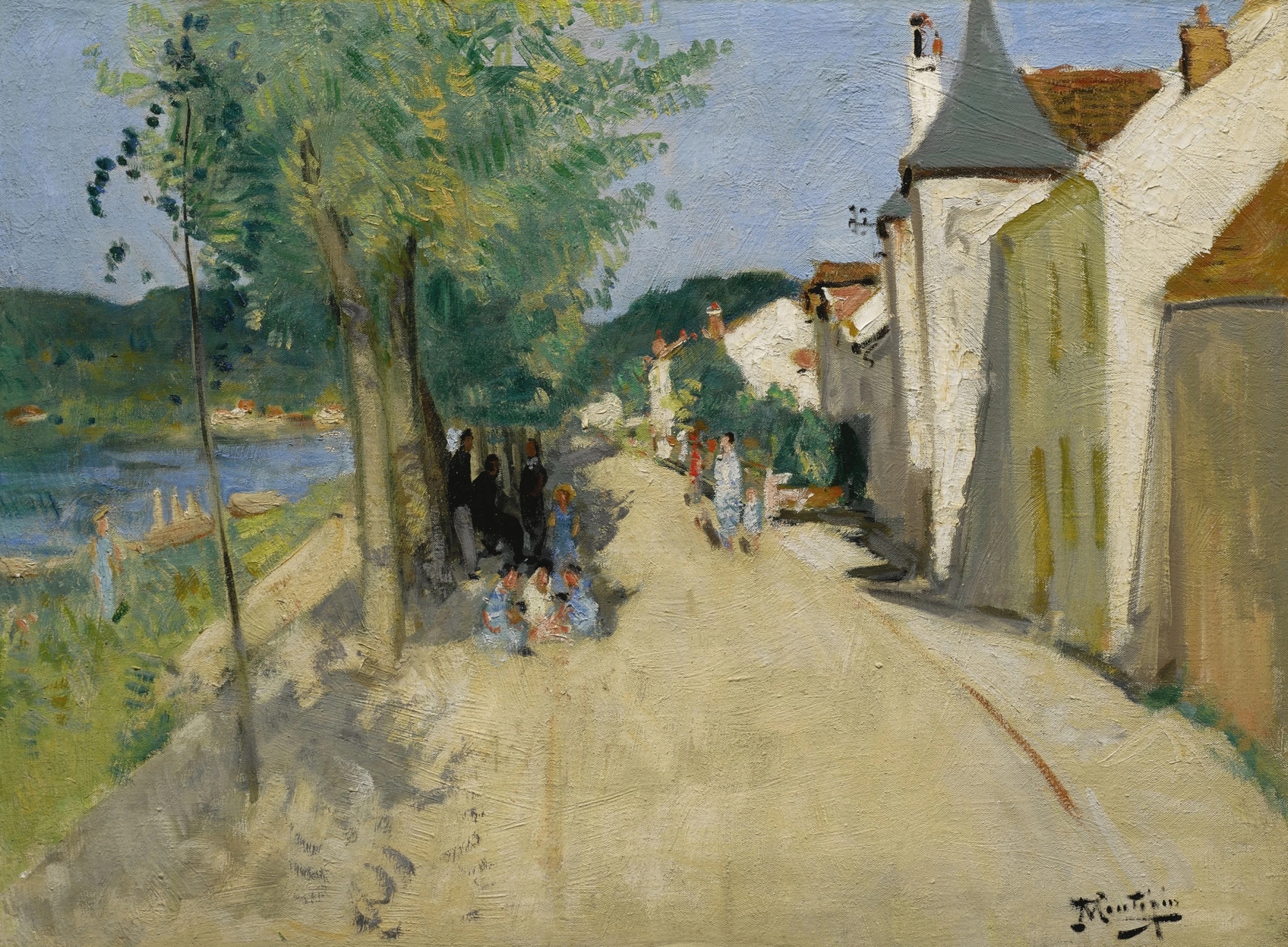
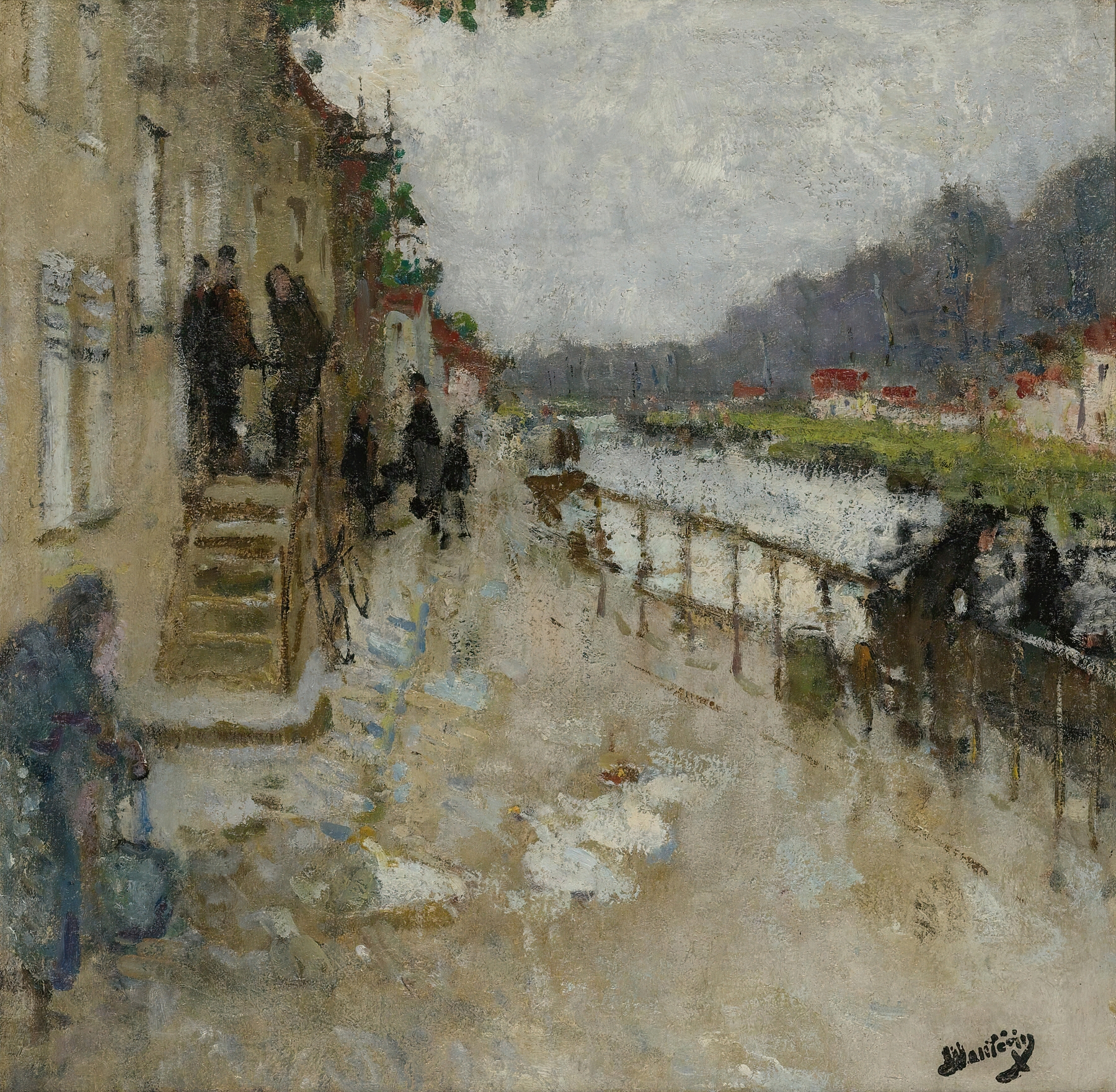
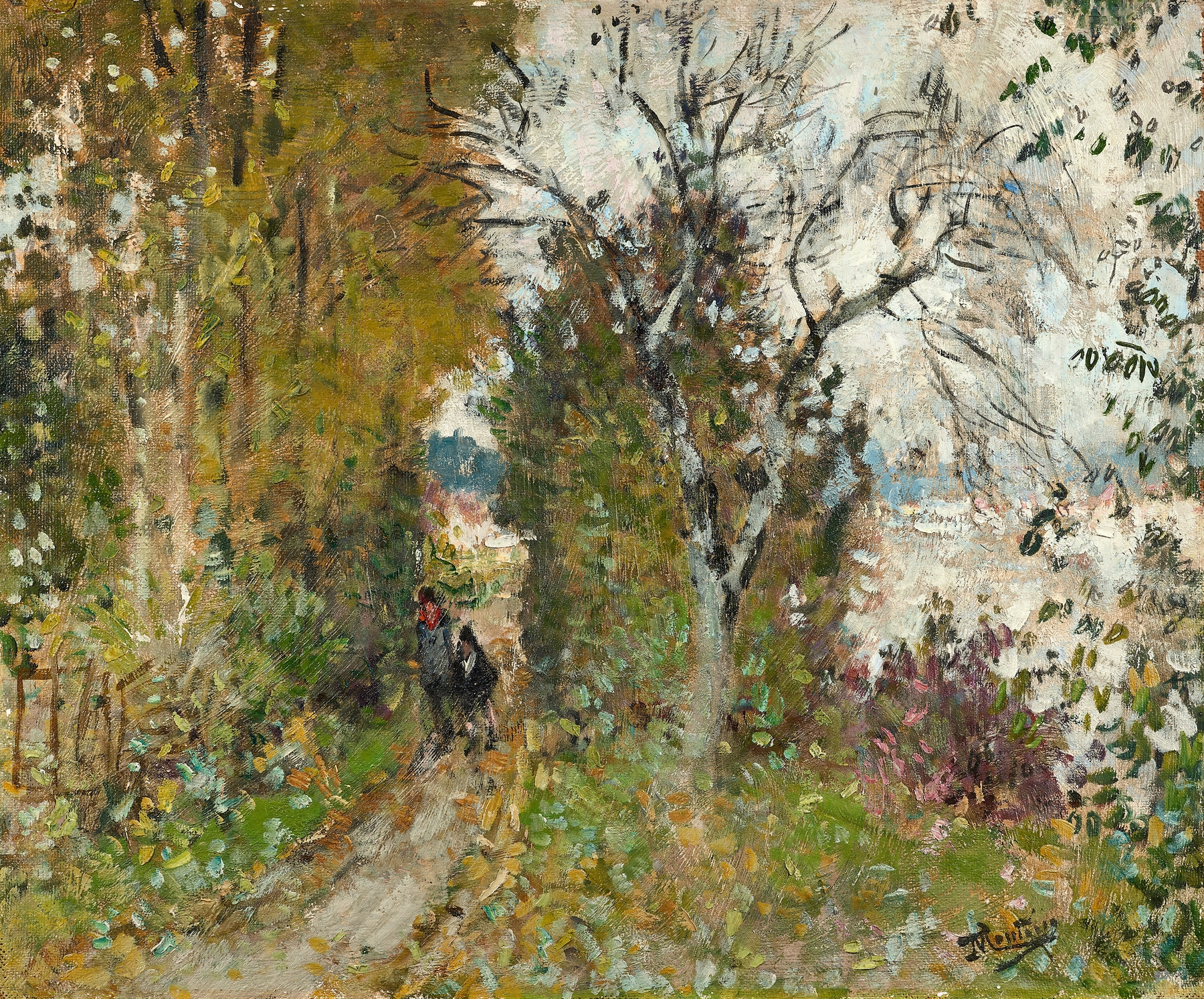
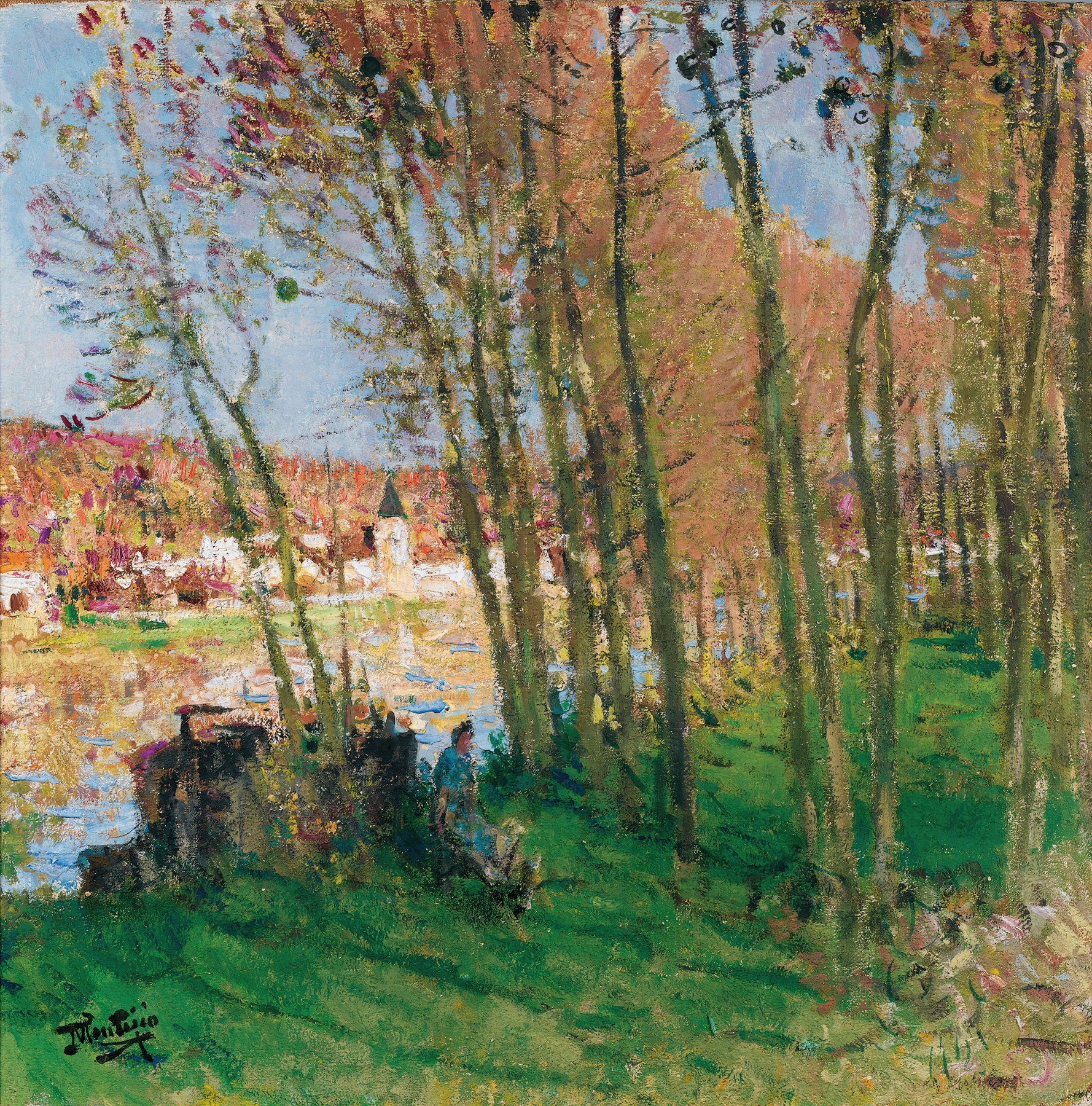
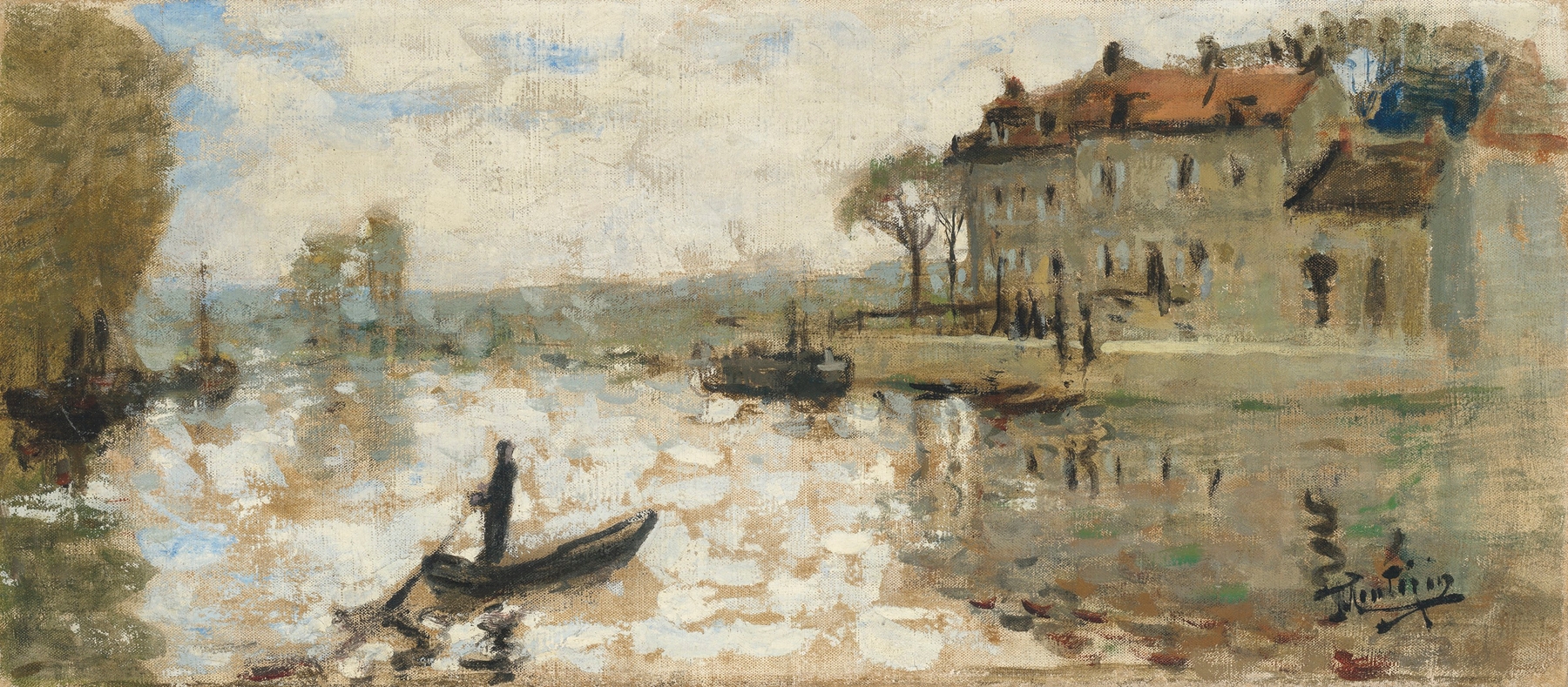
“Art reveals the soul when the world turns away.” In the quietude of existence, beauty lingers, waiting to be discovered in the simplest of moments. It is here that the soul finds solace, suspended in the embrace of nature and the passage of time. Focus on the tranquil river that glides gently through the canvas, inviting your gaze to follow its winding course. The lush greenery frames the water’s edge, harmonizing with the soft hues of blue and gold that characterize the ever-changing light.
Notice how the brushstrokes dance across the surface, capturing the shimmering reflections that weave the natural surroundings into a tapestry of serenity. Yet, within this idyllic scene lies a deep emotional resonance. The juxtaposition of the vibrant landscape against the stillness of the water evokes a sense of longing, perhaps for moments lost or dreams unfulfilled. The gentle ripples hint at the unseen currents of life, suggesting that beneath the calm exterior, a world of complexities flows unseen.
Here, beauty is not merely aesthetic; it is a vessel for contemplation and connection. Created between 1930 and 1935, this work emerged during a time when Montézin was deeply engaged with the rhythm of nature. Living and painting in France, he sought to capture the essence of his surroundings while the world around him grappled with the aftermath of war and the dawn of modernity. It was a period marked by introspection and a return to the natural world, where the artist found inspiration to embrace the ephemeral beauty that transcends time.