Au bord de la Seine — History & Analysis
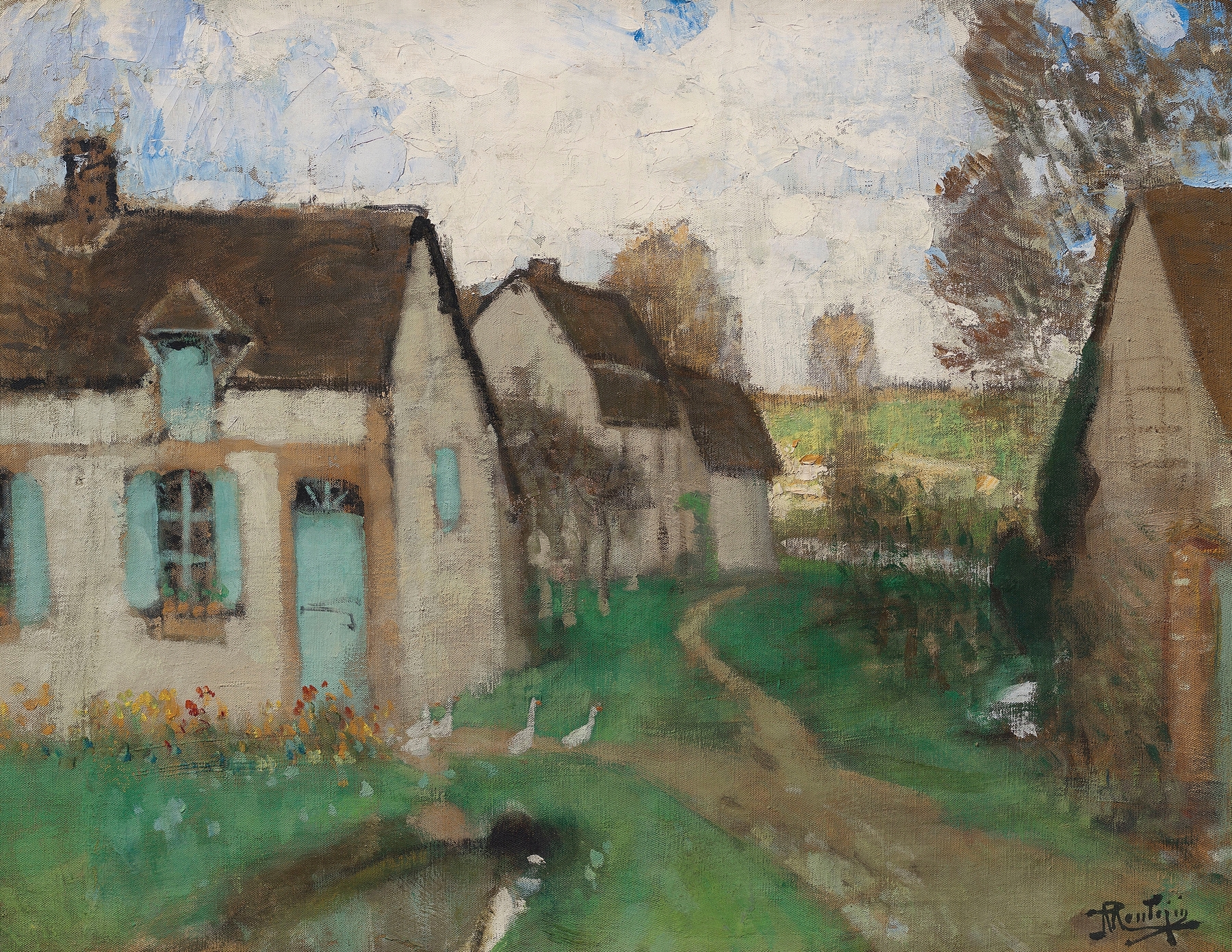
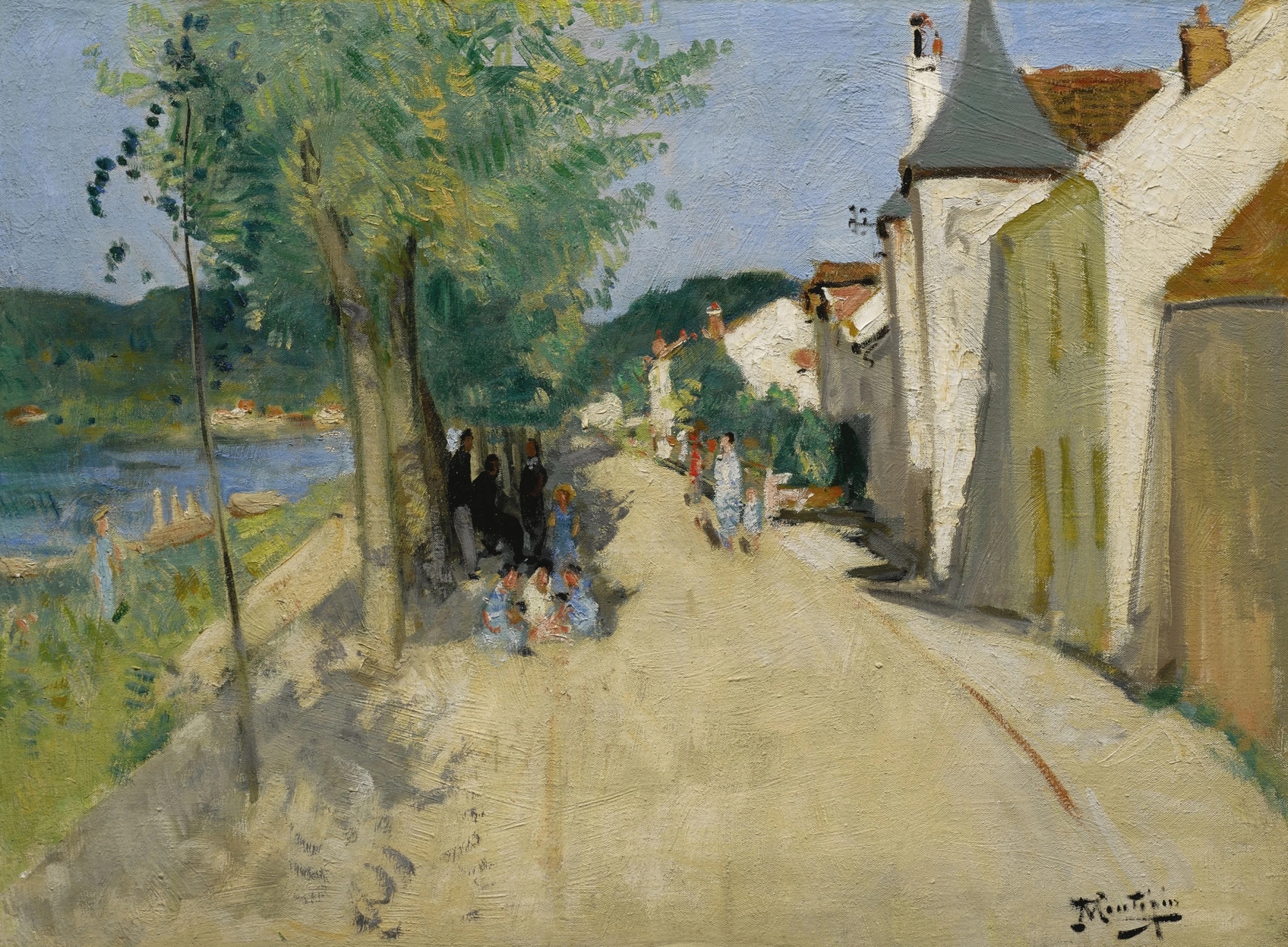
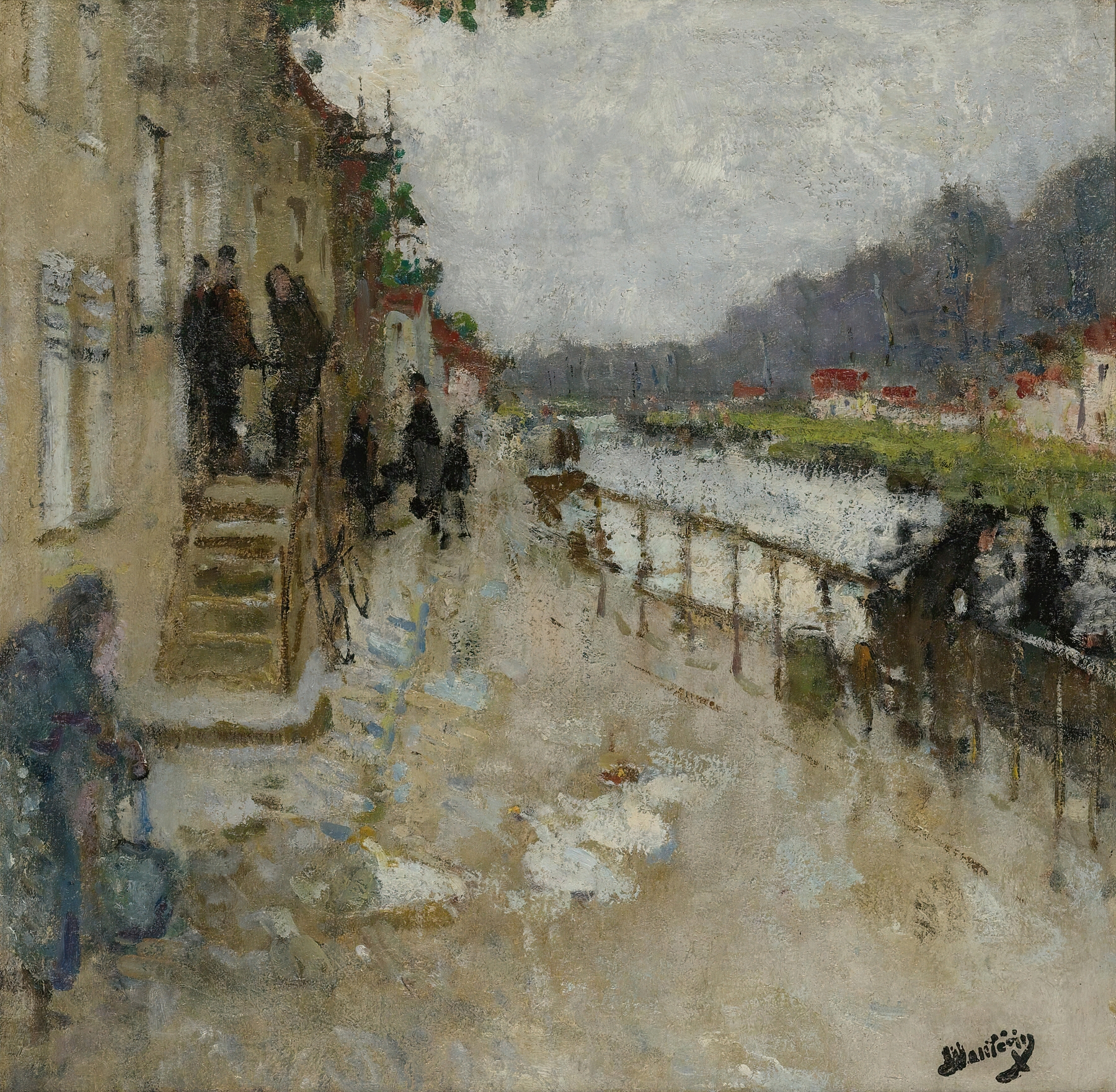
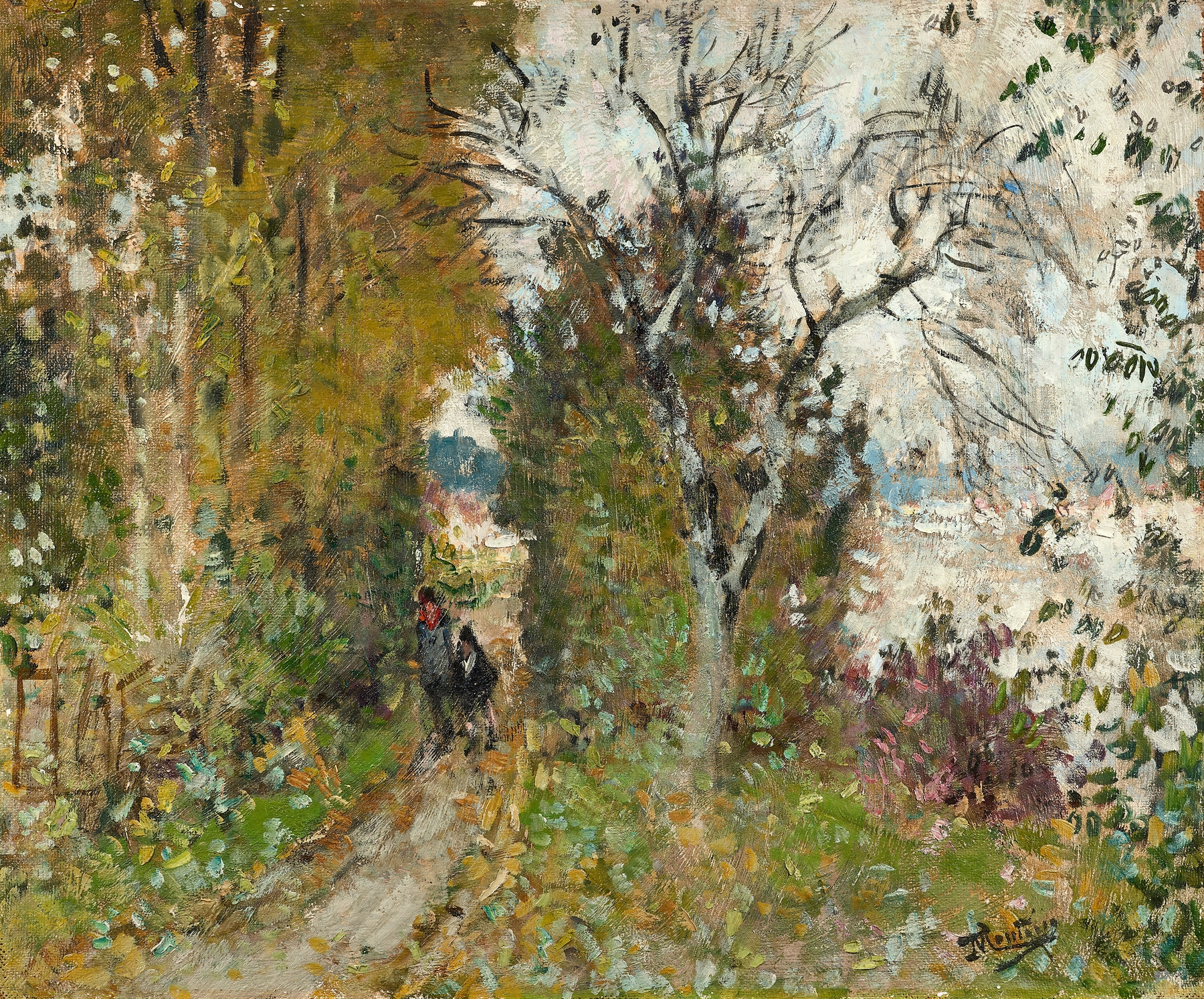
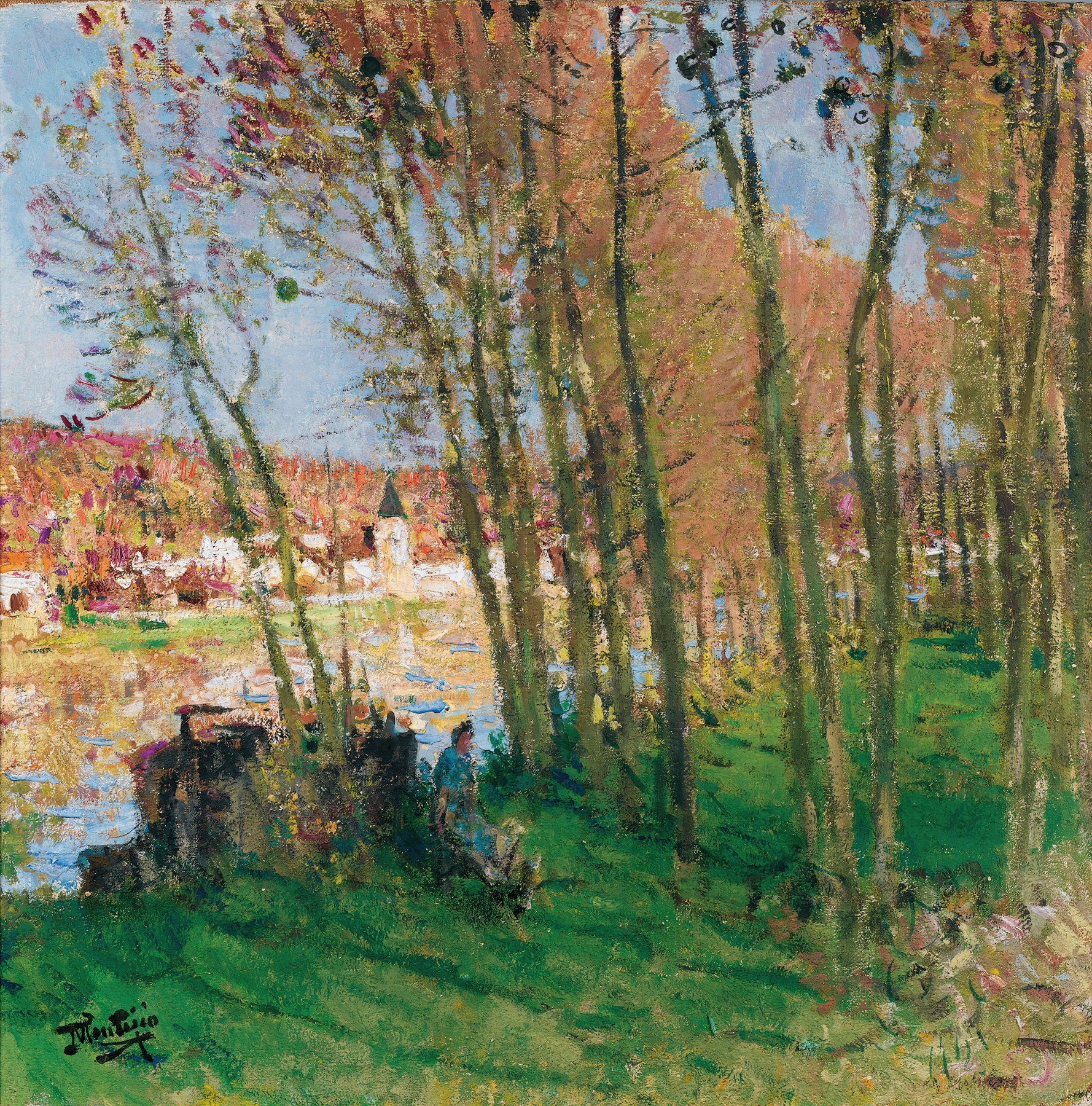
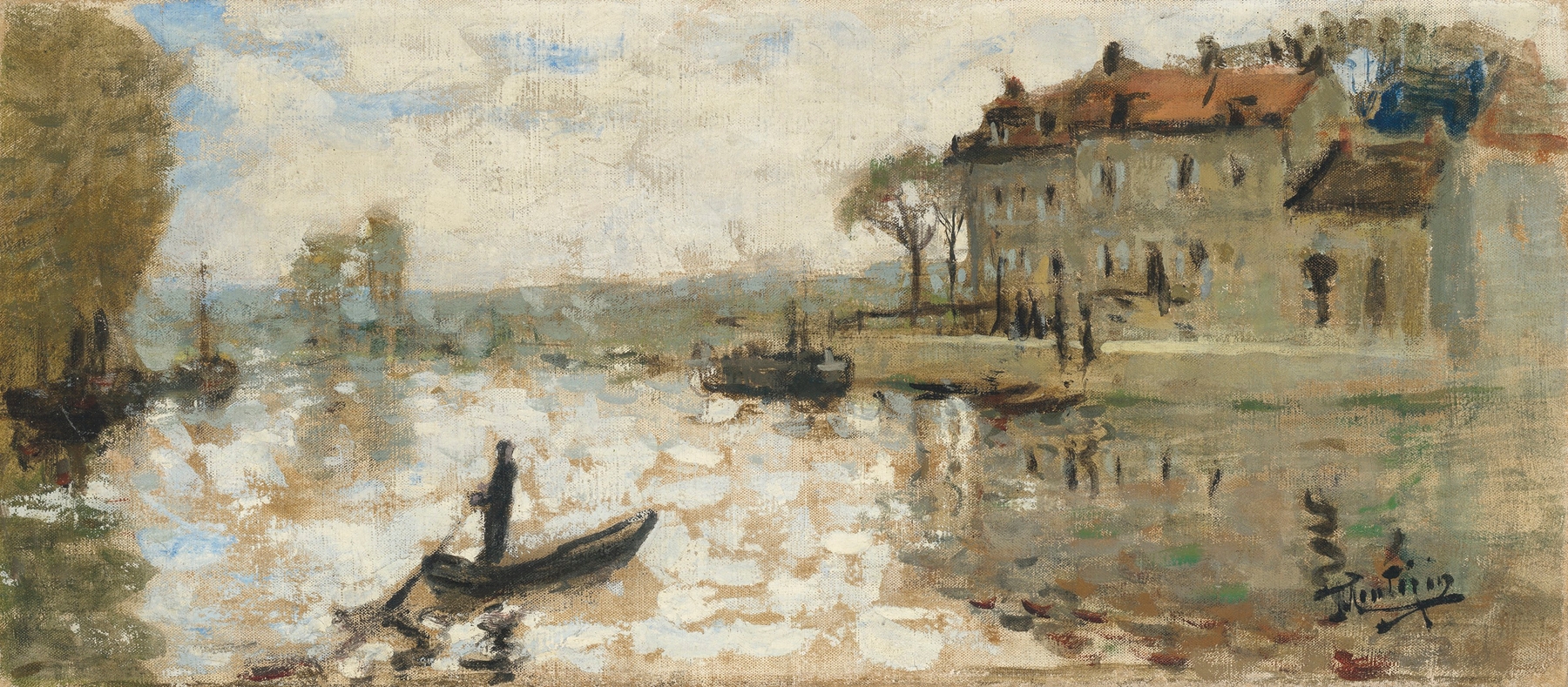
Can beauty exist without sorrow? The passage of time often holds the answer, weaving joy and melancholy into the fabric of our lives. Look closely at the gentle curve of the Seine, a ribbon of water that glistens under a muted sky. Notice how the soft blues and greens meld seamlessly, inviting you to explore the tranquil landscape.
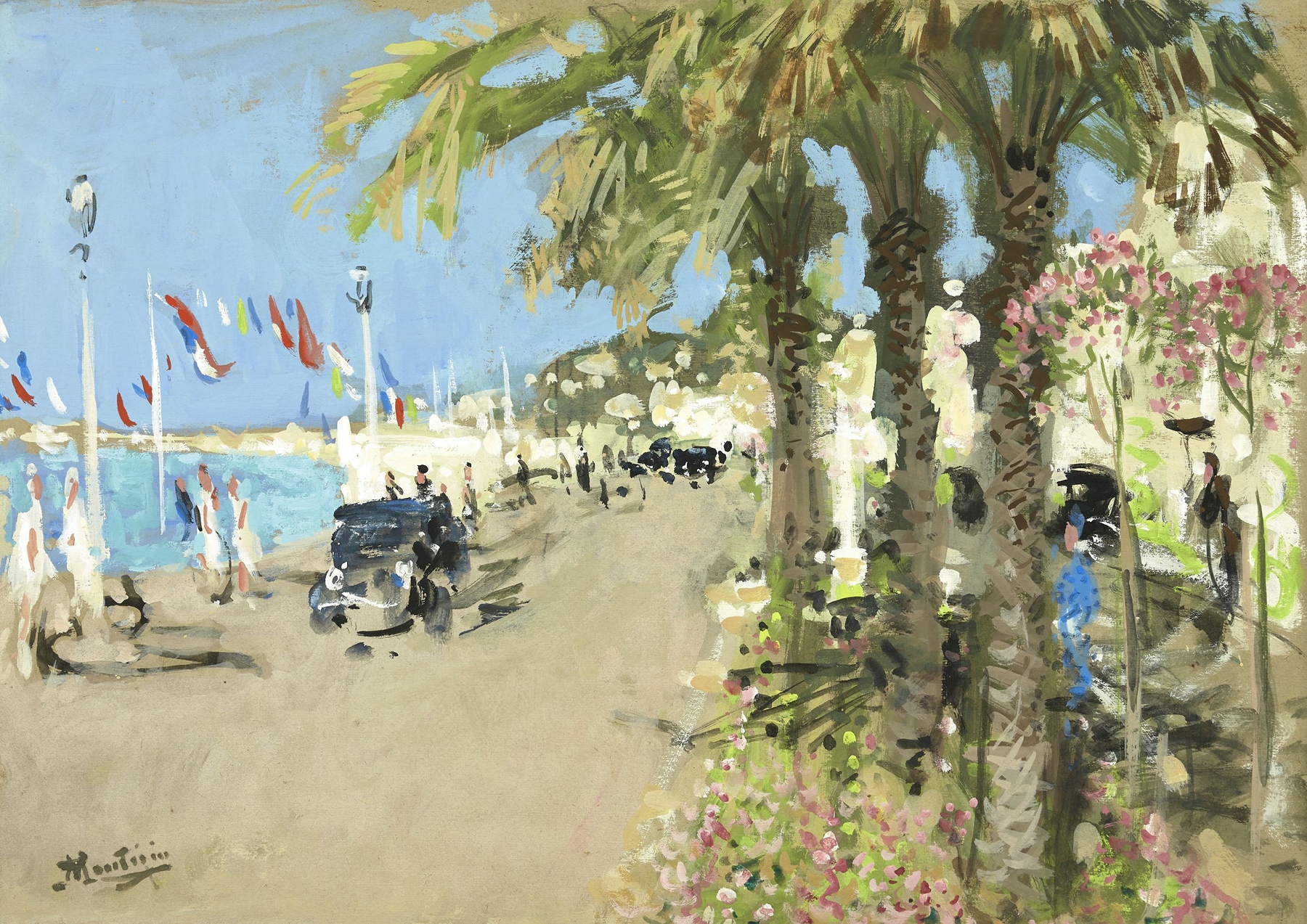
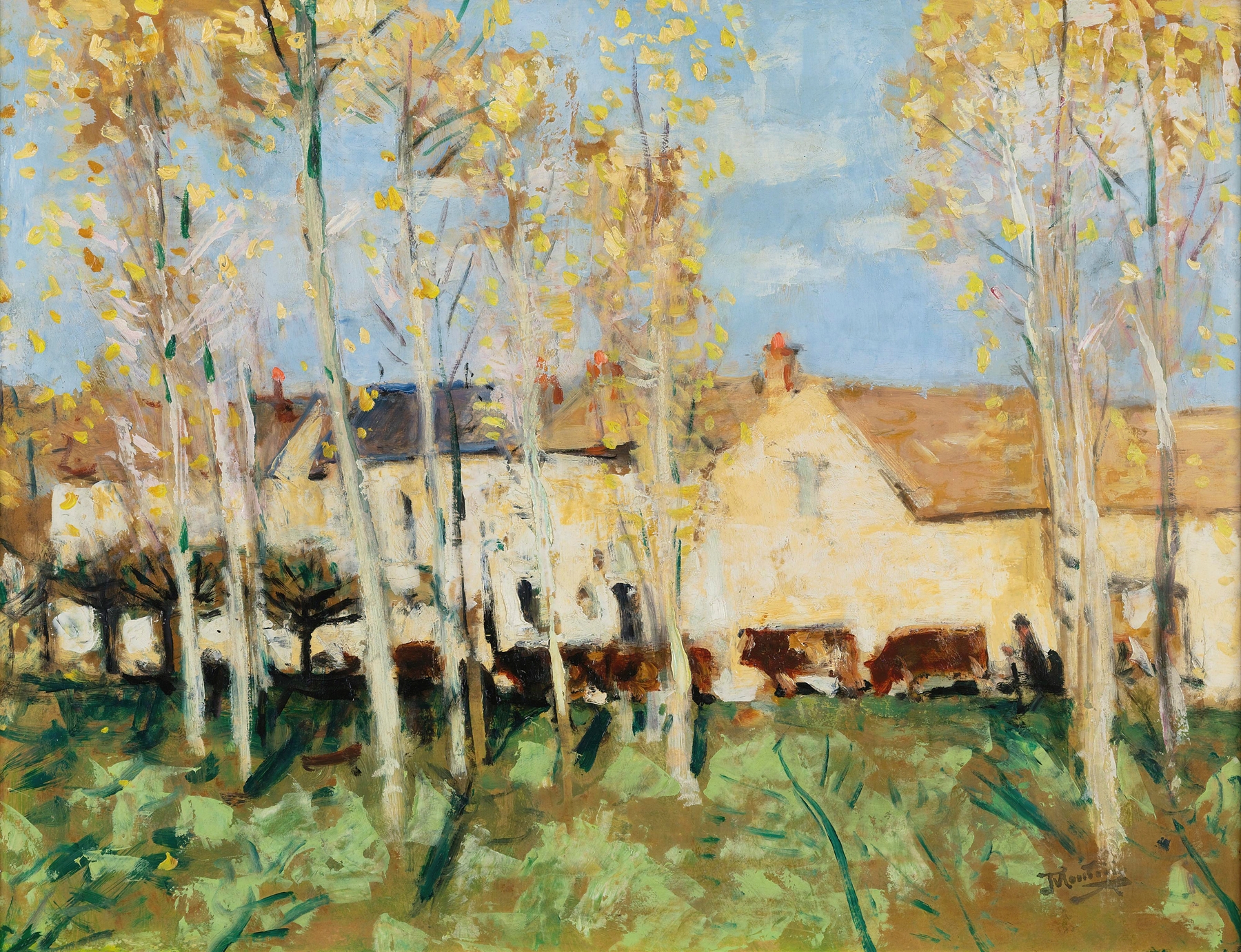
The brushwork captures a fleeting moment, each stroke imbued with emotion, as if Montézin has preserved the essence of a day that is both ordinary and extraordinary. The subtle play of light dancing upon the surface of the river creates an ethereal quality, drawing your gaze to where the water meets the horizon, whispering secrets of time’s passage. Beneath the serene surface lies a deeper narrative. The trees, with their strong trunks and cascading leaves, stand as silent witnesses to the changing seasons, embodying nature's resilience against the relentless march of time.
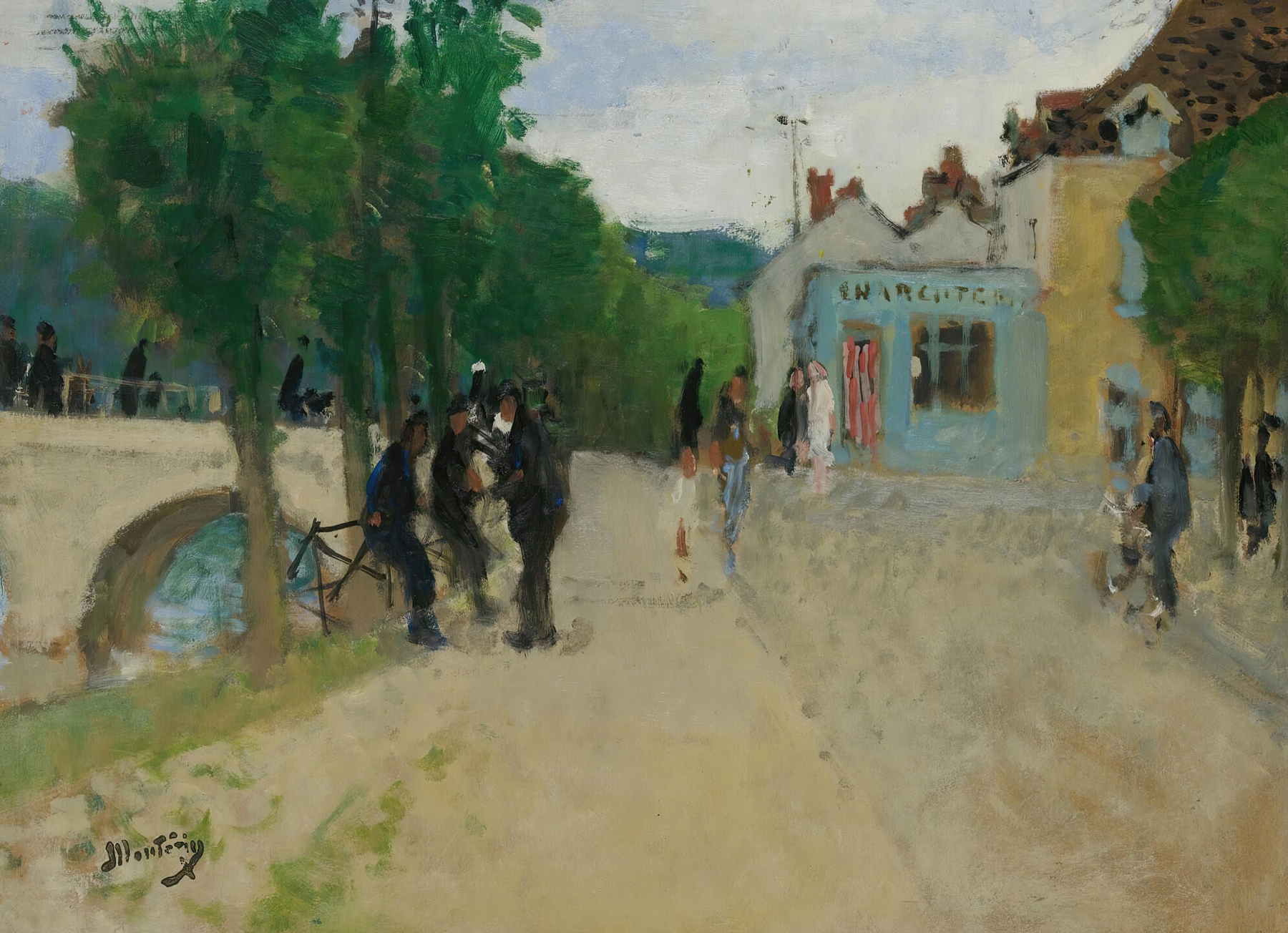
The distant figures walking along the bank evoke a sense of solitude, suggesting that while moments may be beautiful, they are tinged with a poignant awareness of life’s transience. There’s a juxtaposition between the idyllic scenery and the temporal quality of the human experience, reminding us that sorrow often lingers just beneath the surface of serenity. Created in a period where the post-Impressionist movement was redefining the boundaries of art, Montézin painted Au bord de la Seine amidst the emerging interest in capturing light and atmosphere. This was a time when artists were increasingly focused on capturing the world as they felt it, and Montézin, influenced by his surroundings and contemporaries, sought to translate the emotional resonance of landscape into his work.