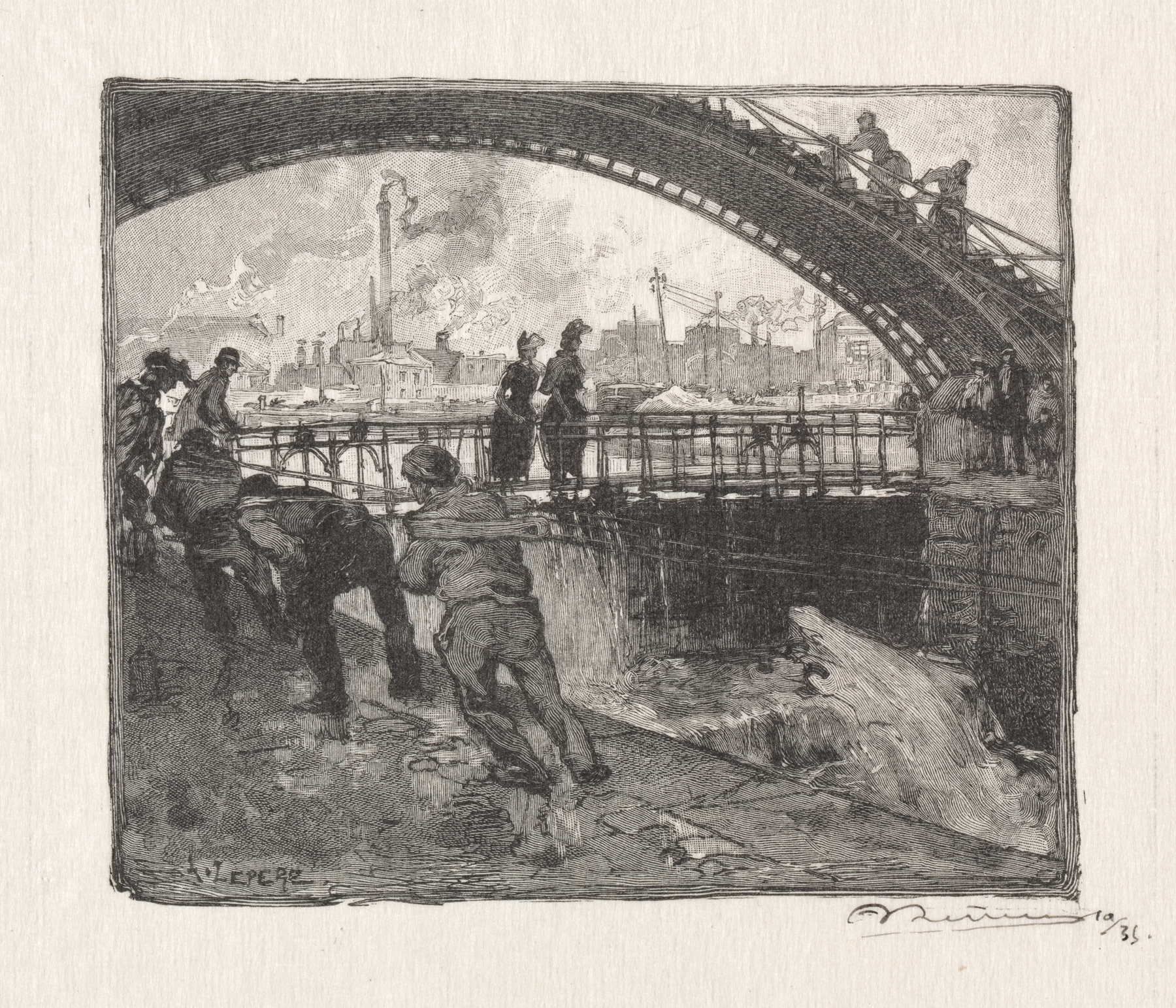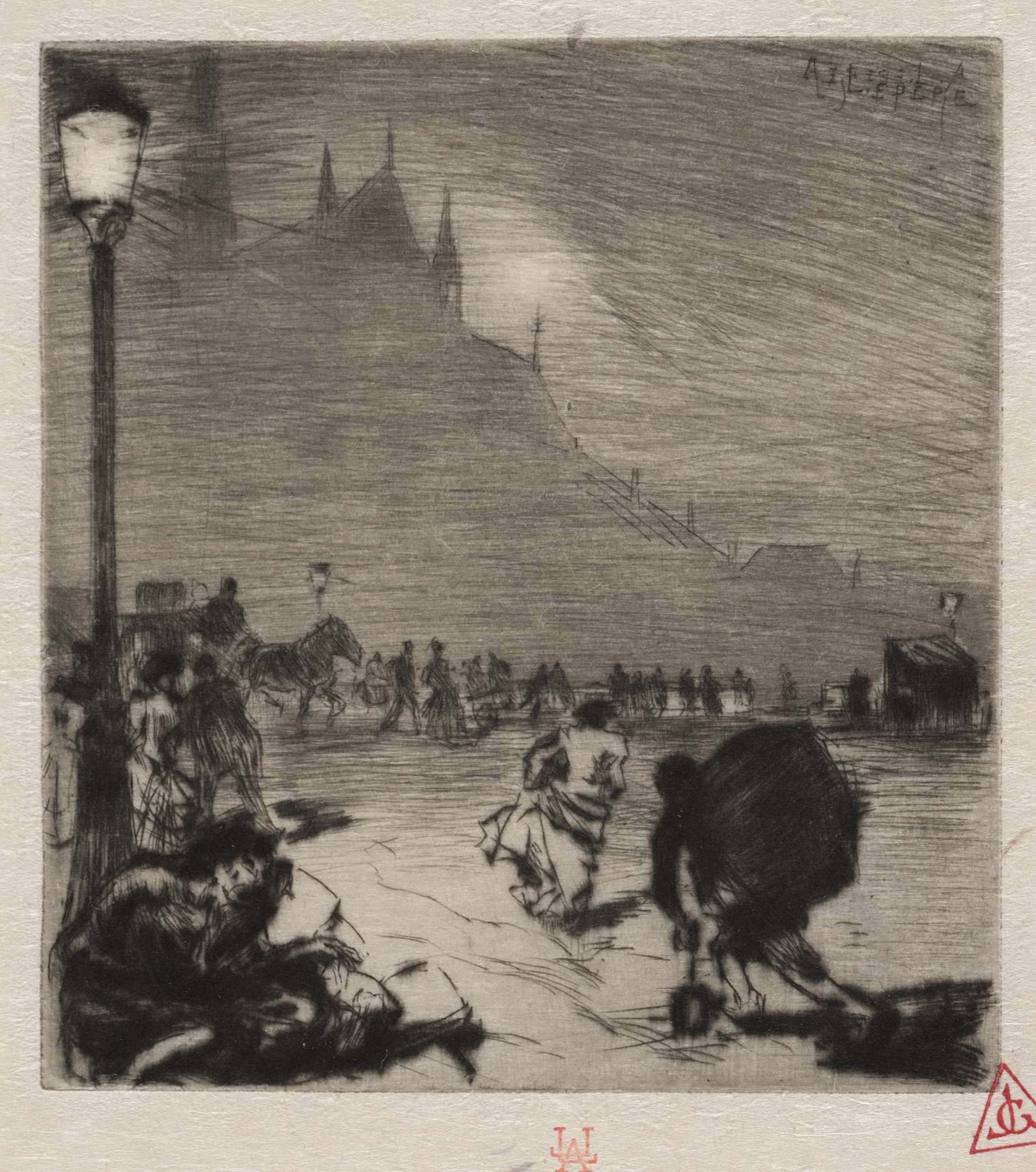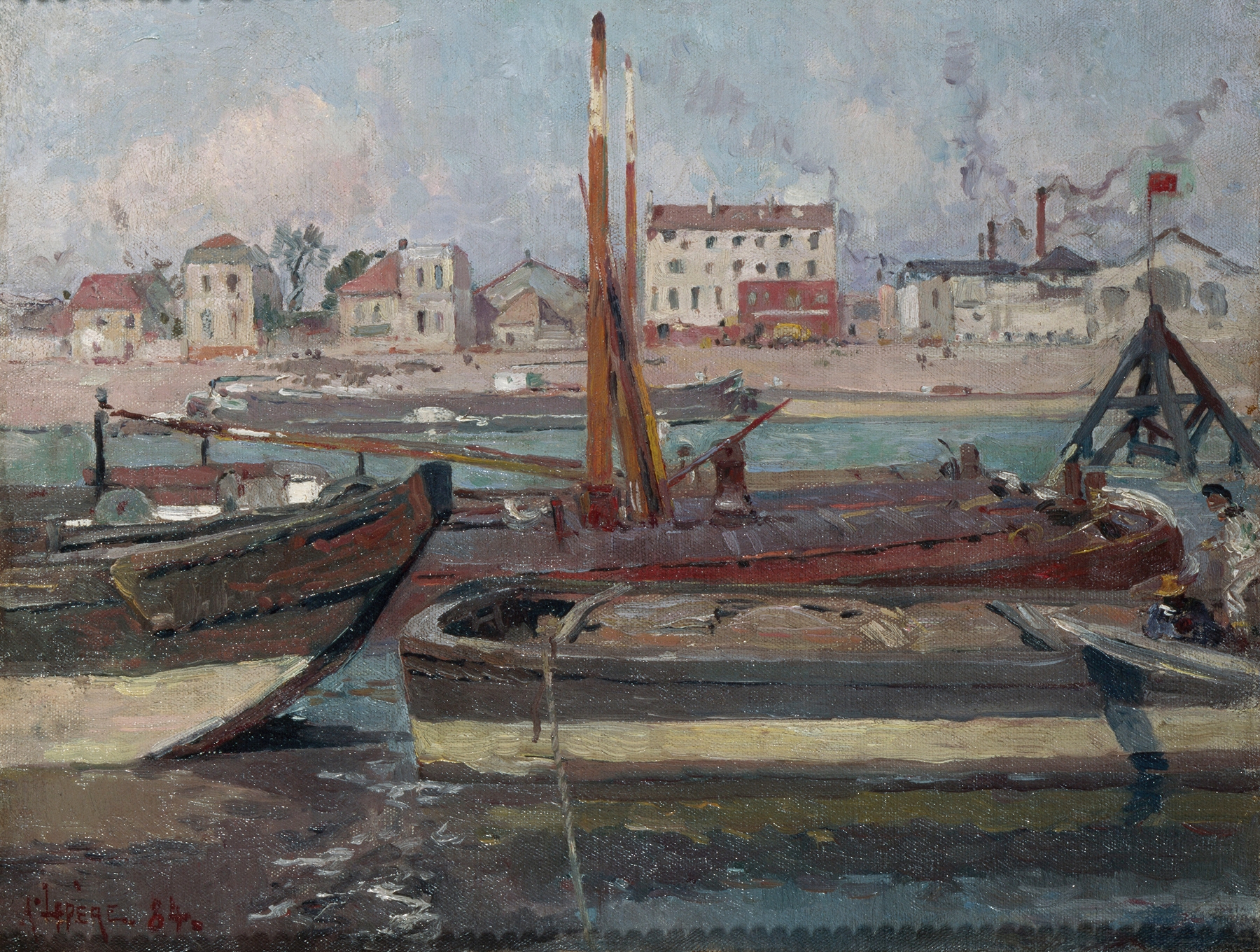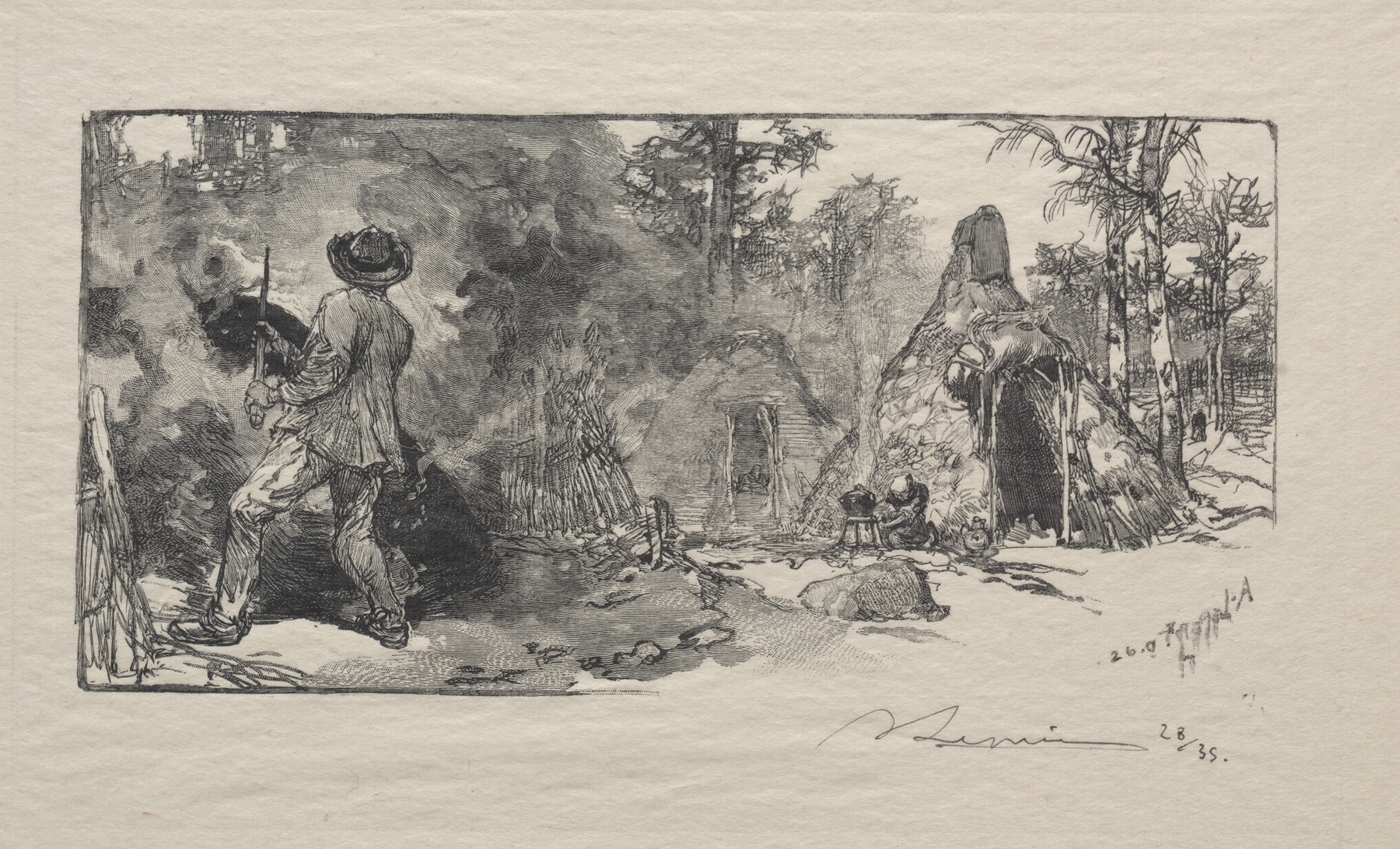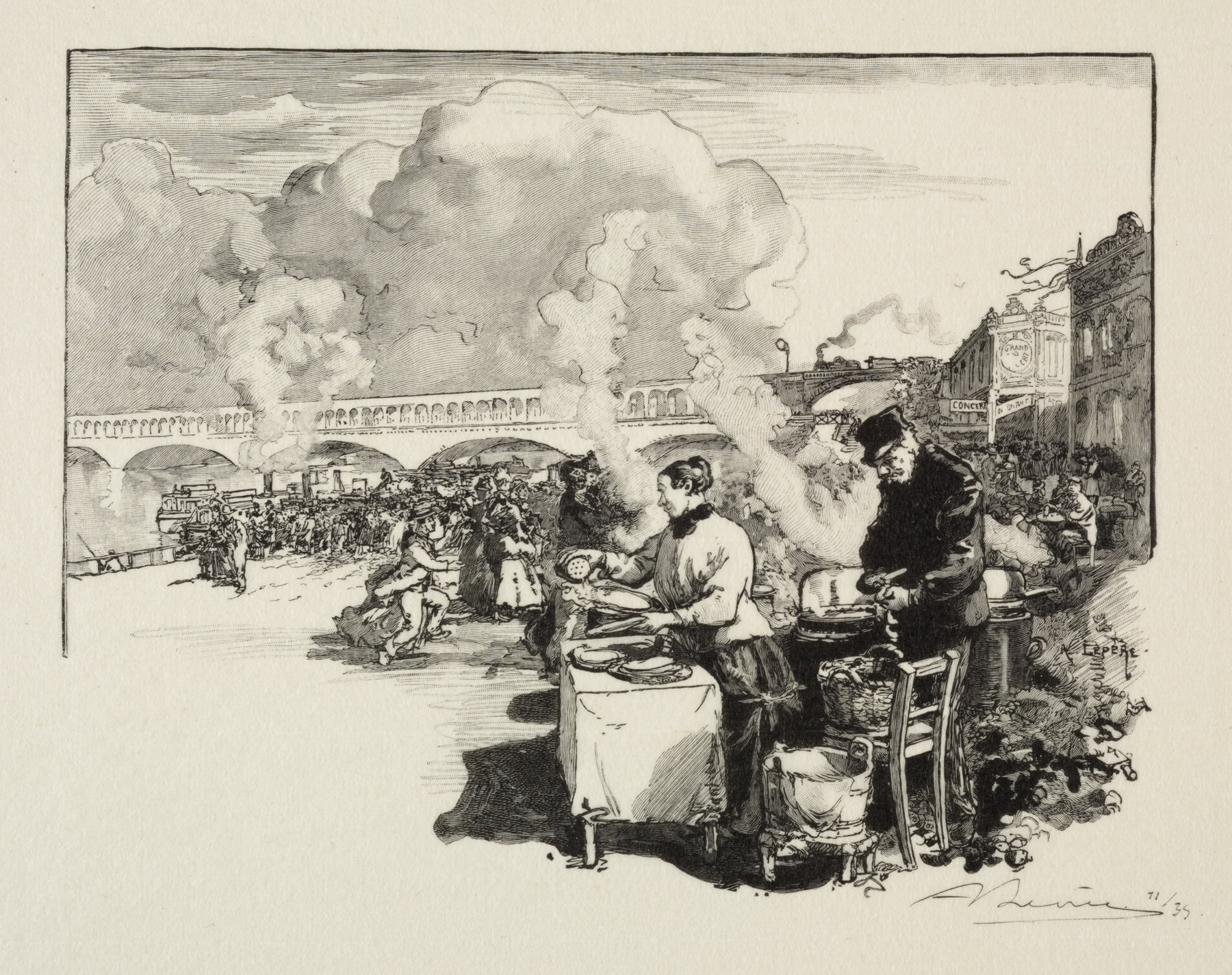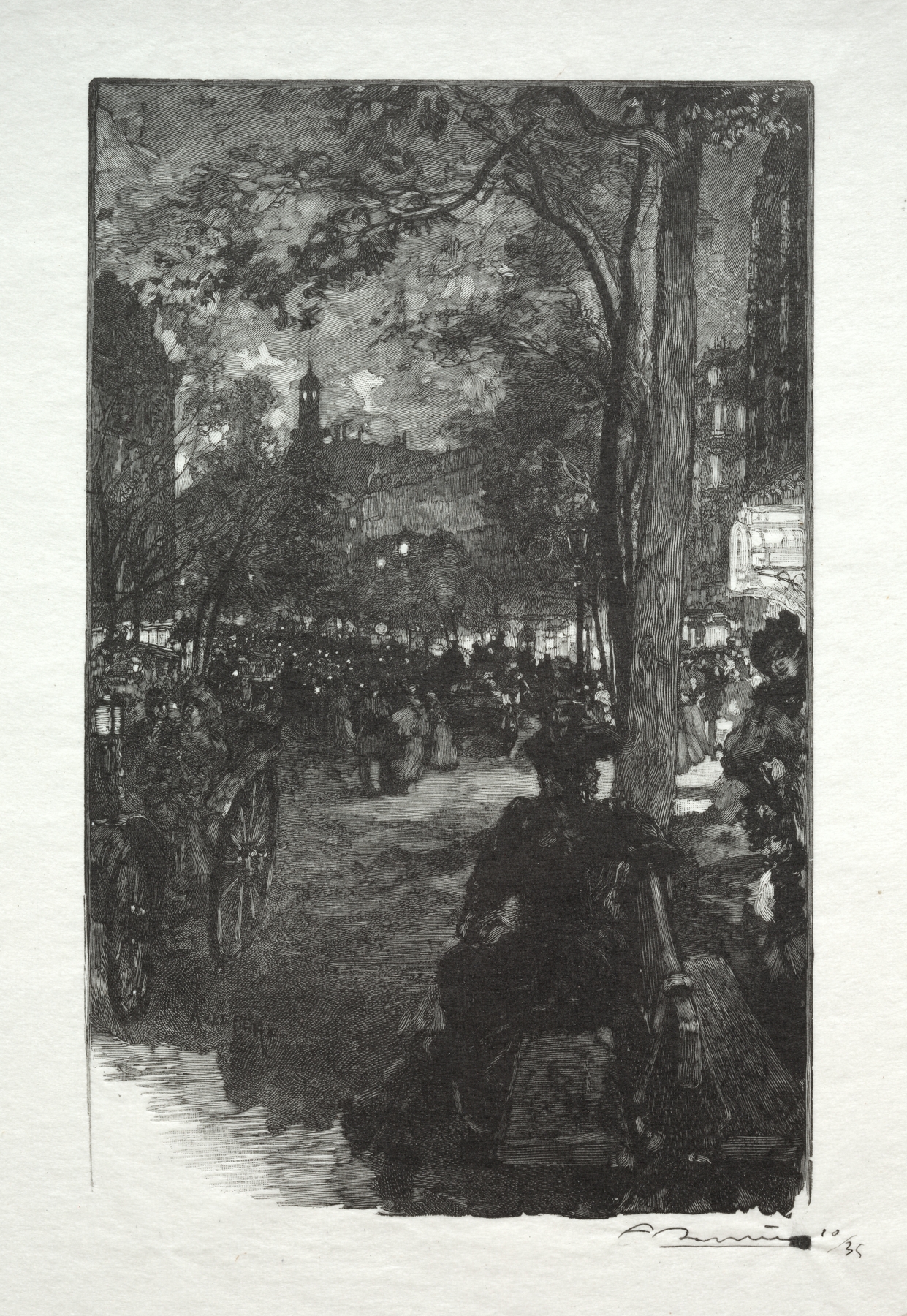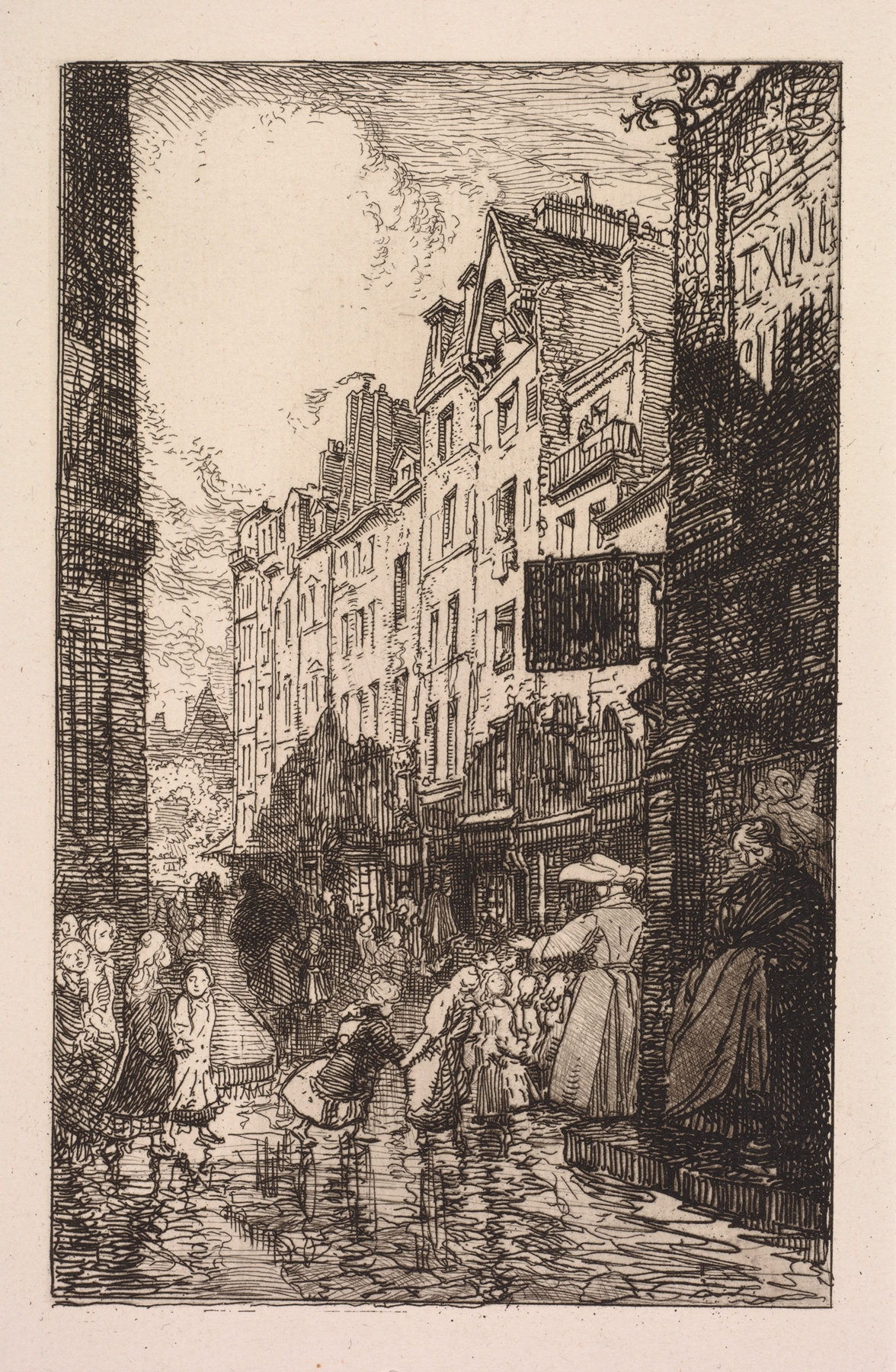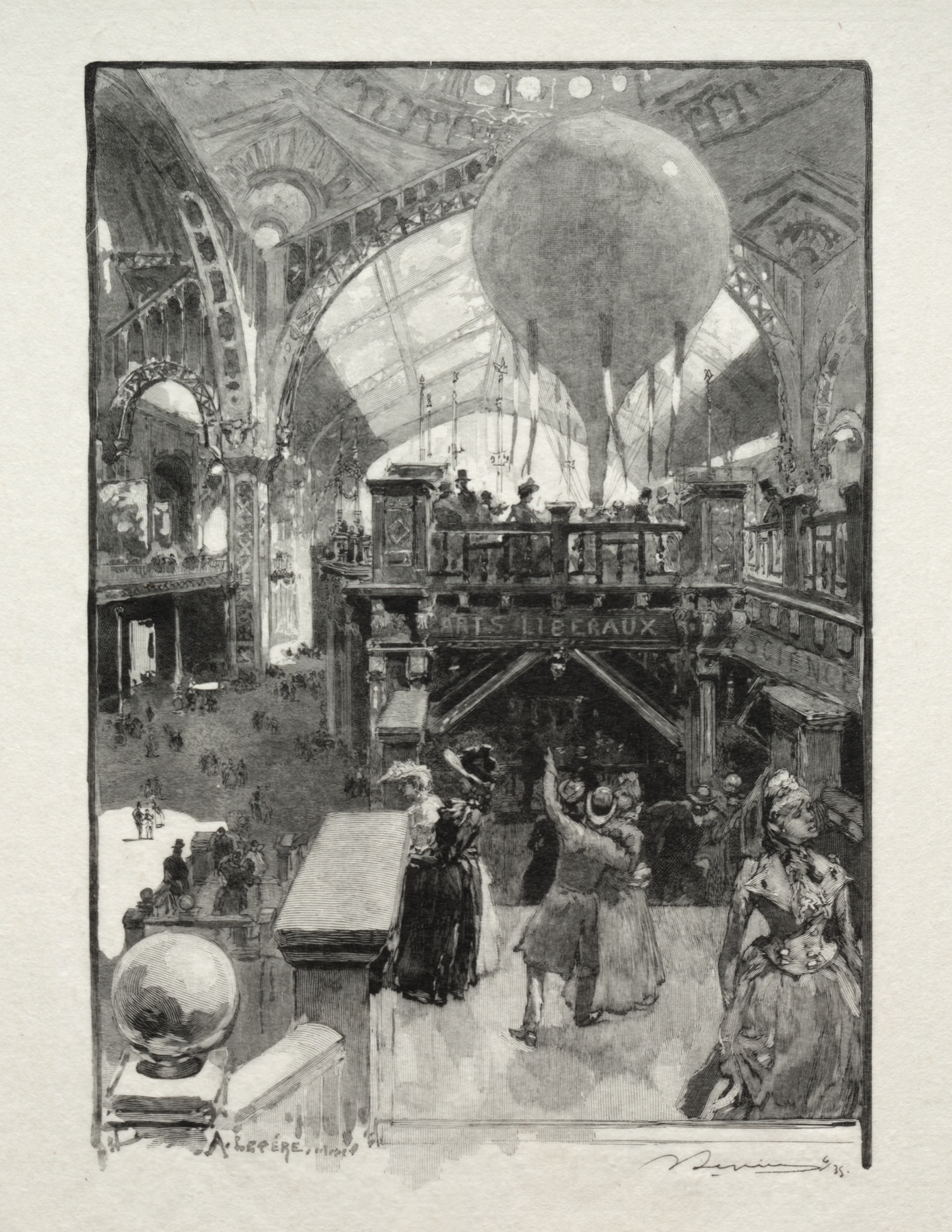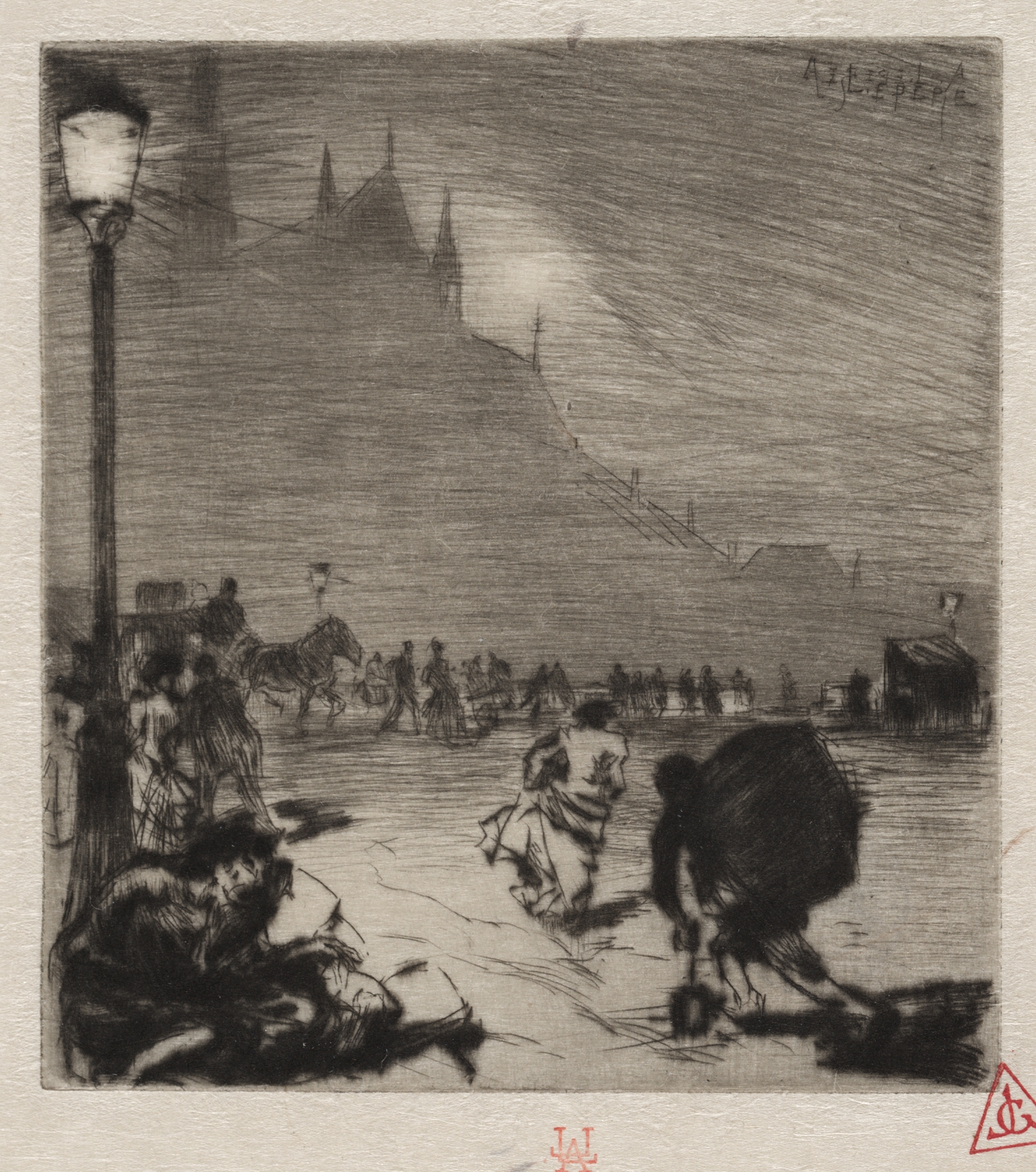
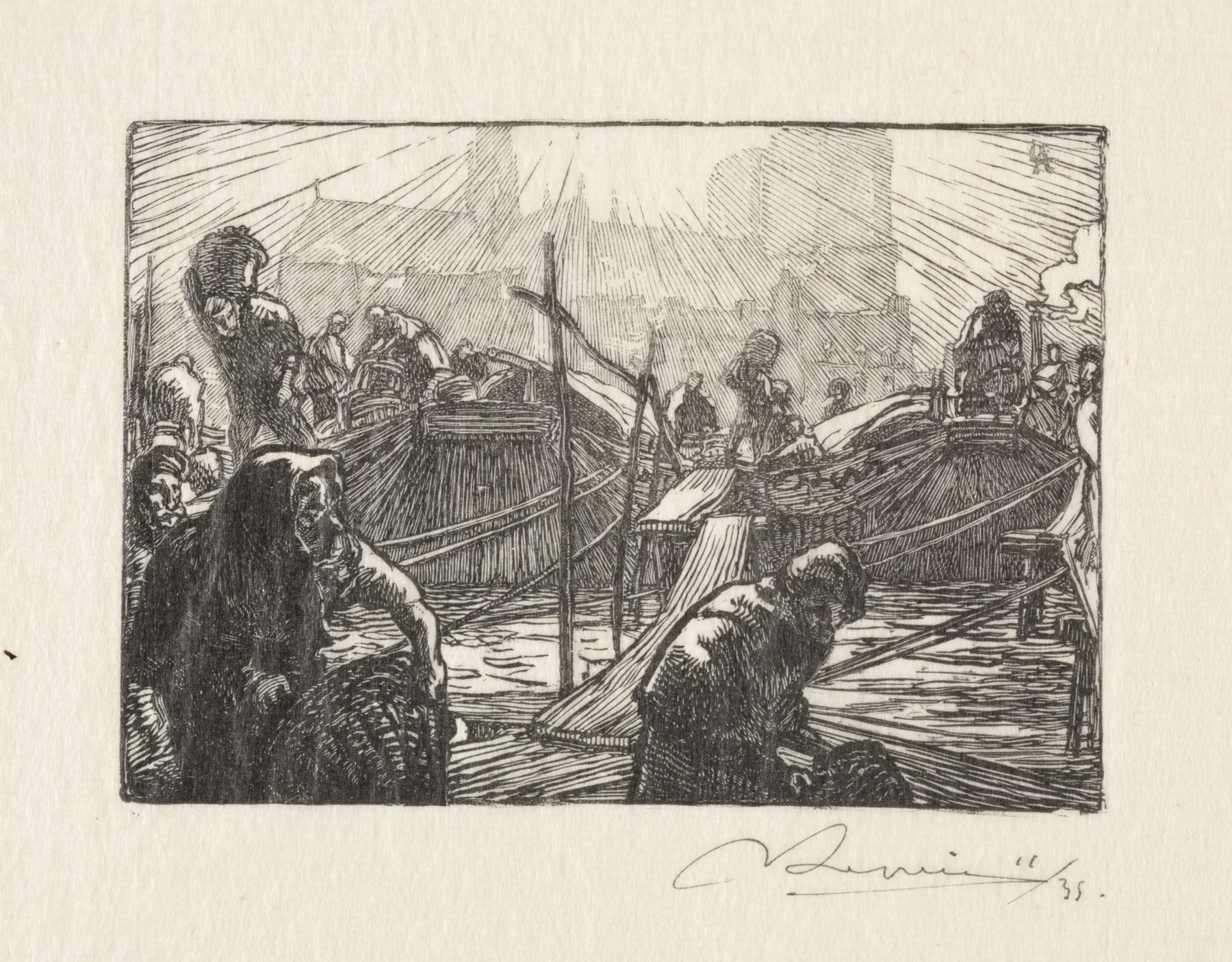
“The canvas doesn’t lie — it simply waits.” In the stillness of the void, silence paints itself a home, whispering stories through the layers of color and form. Look in the center of the canvas where the bridge arcs gracefully, its structure both sturdy and fragile against the fluid backdrop of the river below. Notice how the muted palette of blues and grays breathes life into the scene, while gentle strokes of white suggest the reflections of light dancing on the water’s surface. The trees flanking the banks stand sentinel, their dark, expressive forms contrasting against the luminous sky, inviting the viewer to explore the interplay between nature and architecture. Yet beneath this tranquil surface lies an emotional tension, a quiet contemplation. The desolate void of the river mirrors the solitude of those who traverse the bridge, creating a sense of longing and introspection. One can almost feel the weight of history etched into the stone, the echoes of countless footsteps resonating in the air. This juxtaposition between the permanence of the structure and the ephemeral quality of life itself beckons viewers to ponder their own journeys. In 1893, during a period of artistic experimentation in Paris, the artist sought to capture the essence of the everyday landscape while grappling with the modern world’s rapid changes. Working primarily in his studio, he embraced the Impressionist movement’s emphasis on light and atmosphere, striving to depict not just a place, but the fleeting emotions and thoughts it ignited in the observer. As he painted *Au Coin du Pont-aux-Doubles*, the city buzzed with new ideas, and the artist found his voice amidst the rich tapestry of change.