Aussicht auf Kloster Seeon — History & Analysis
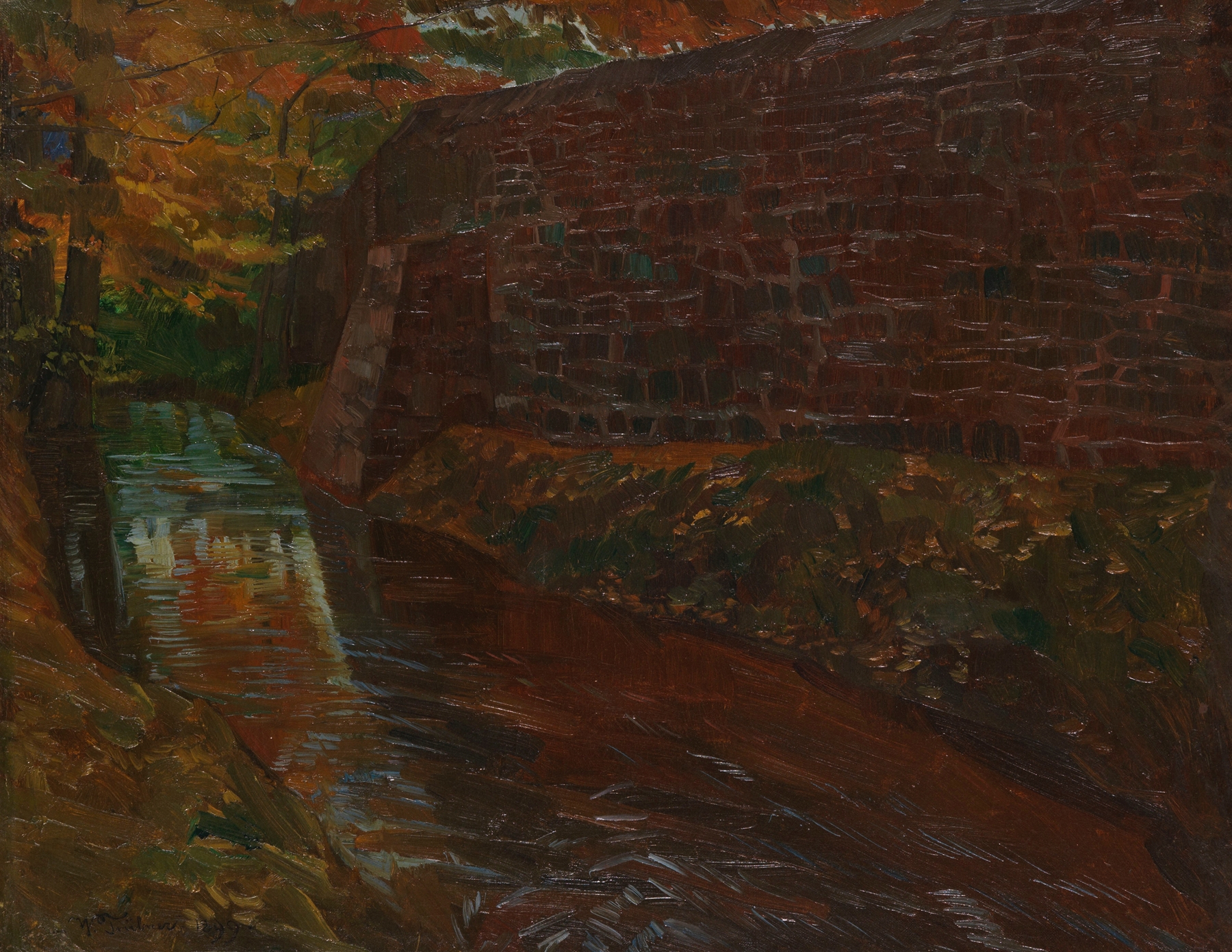
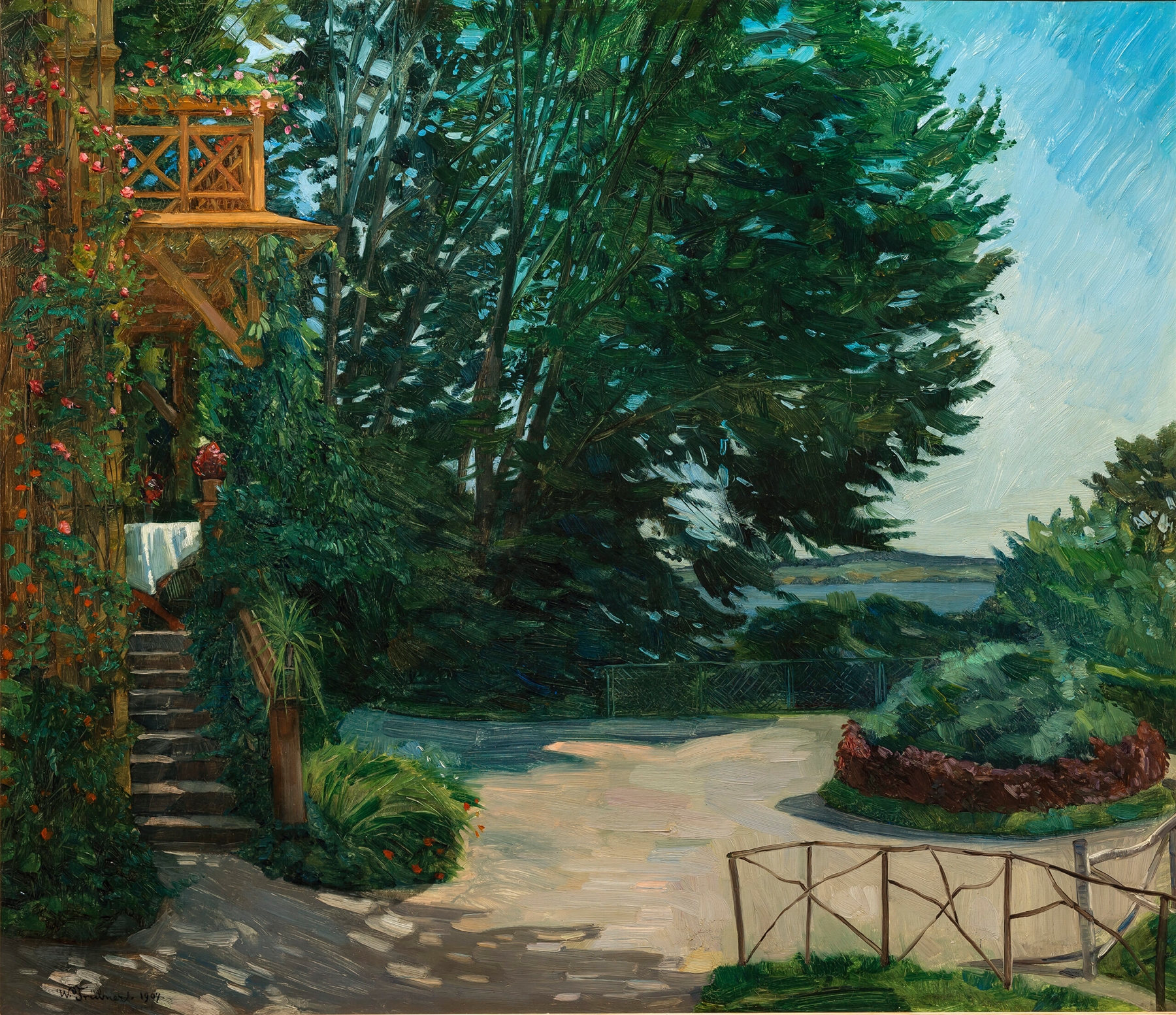
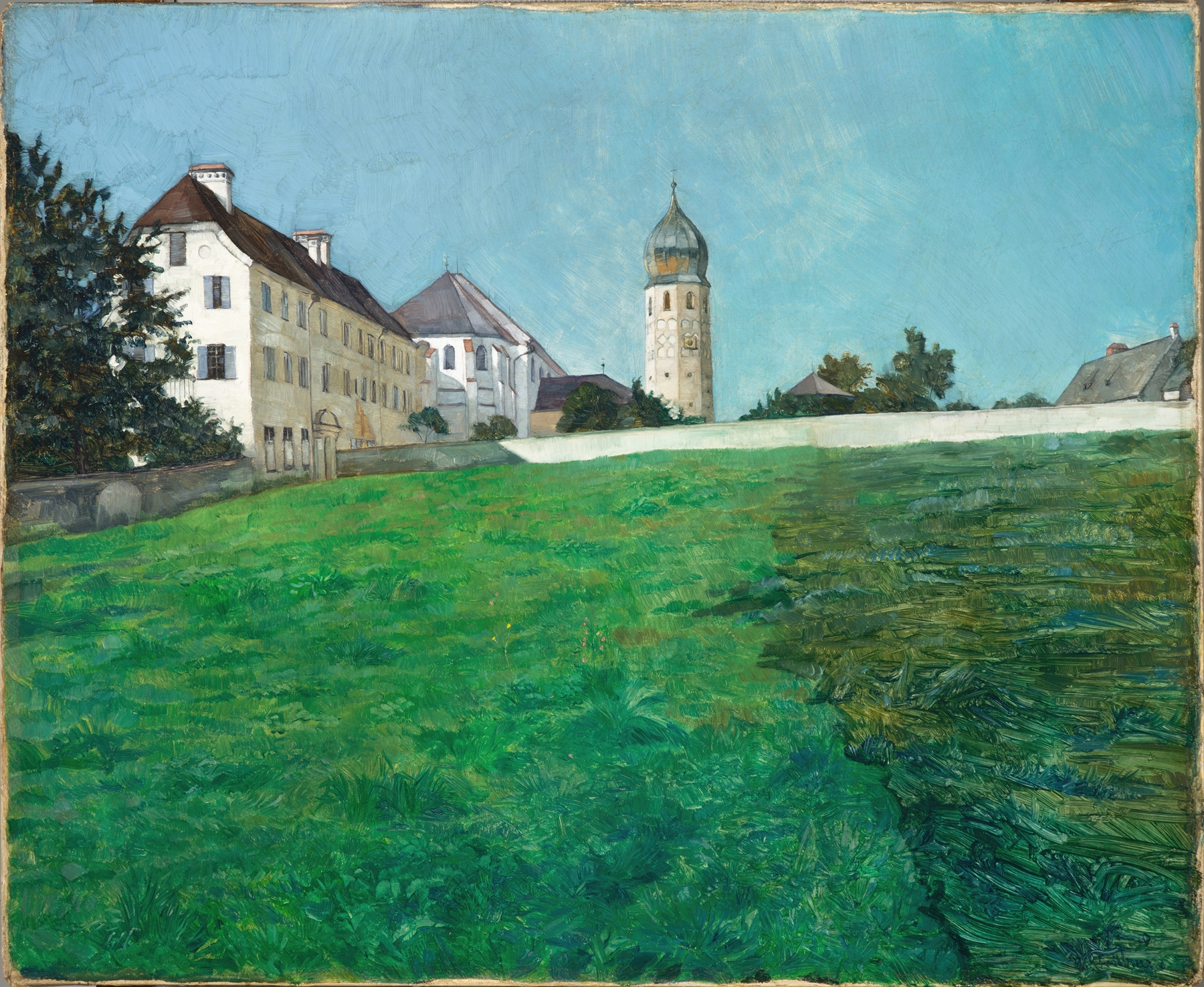
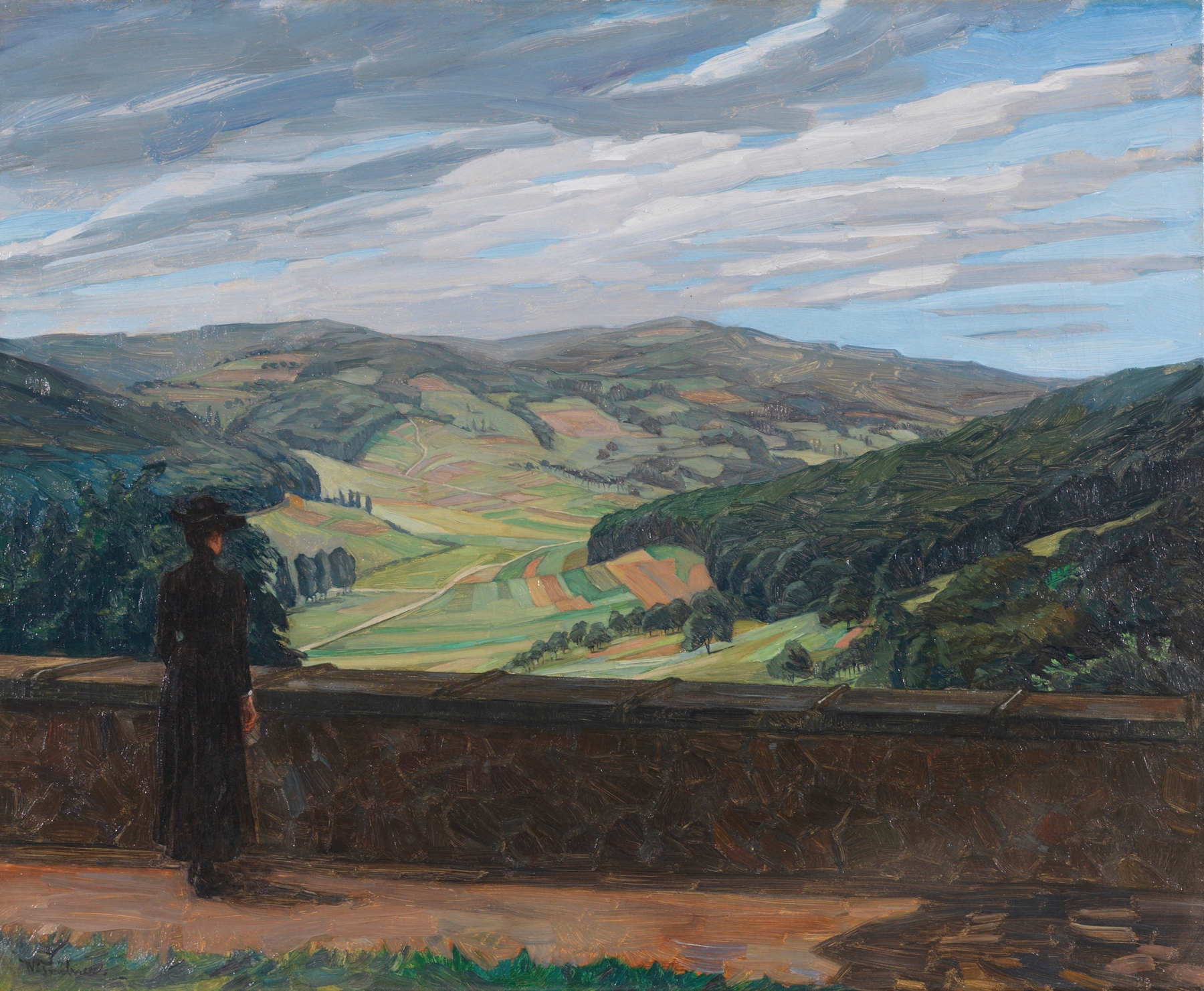
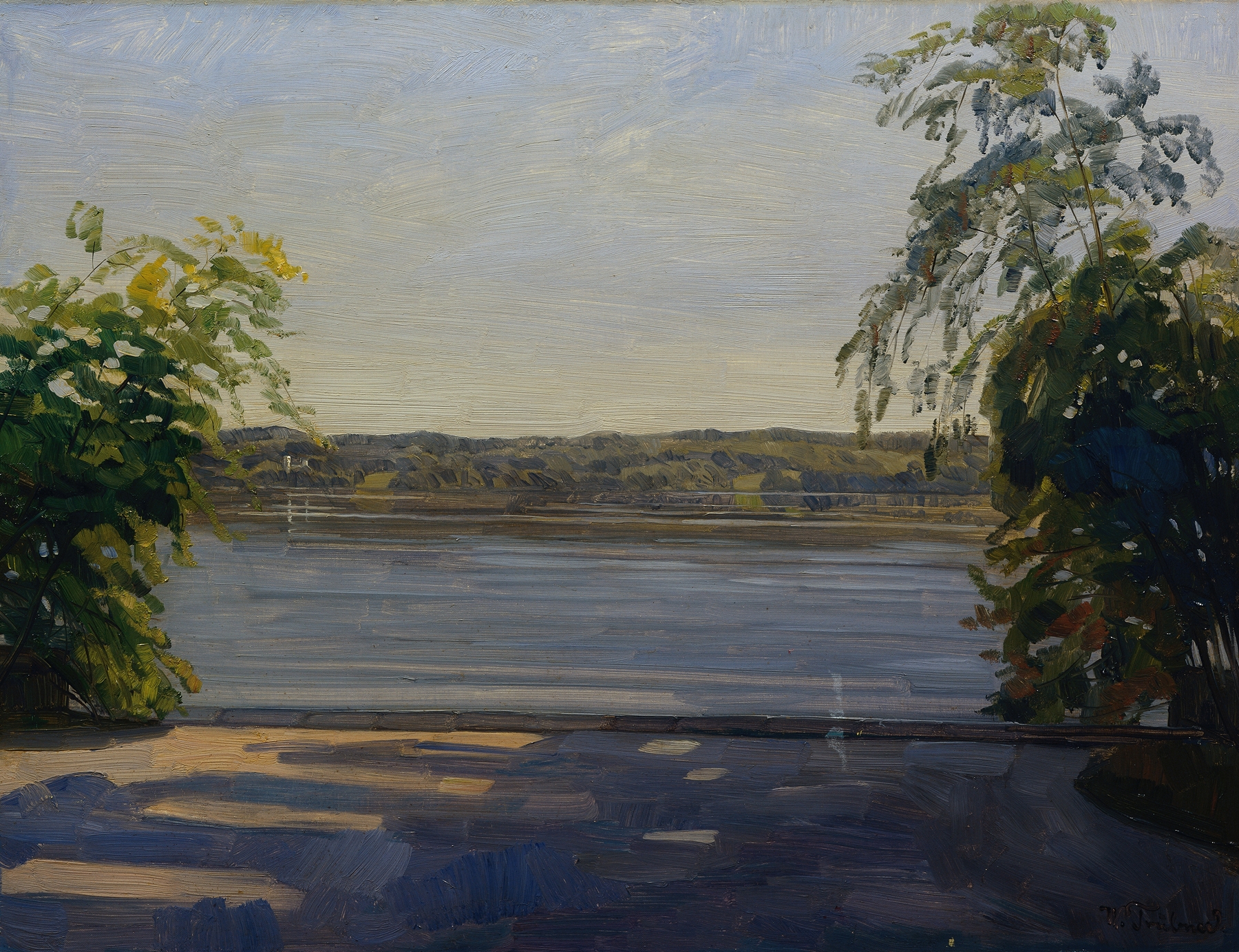
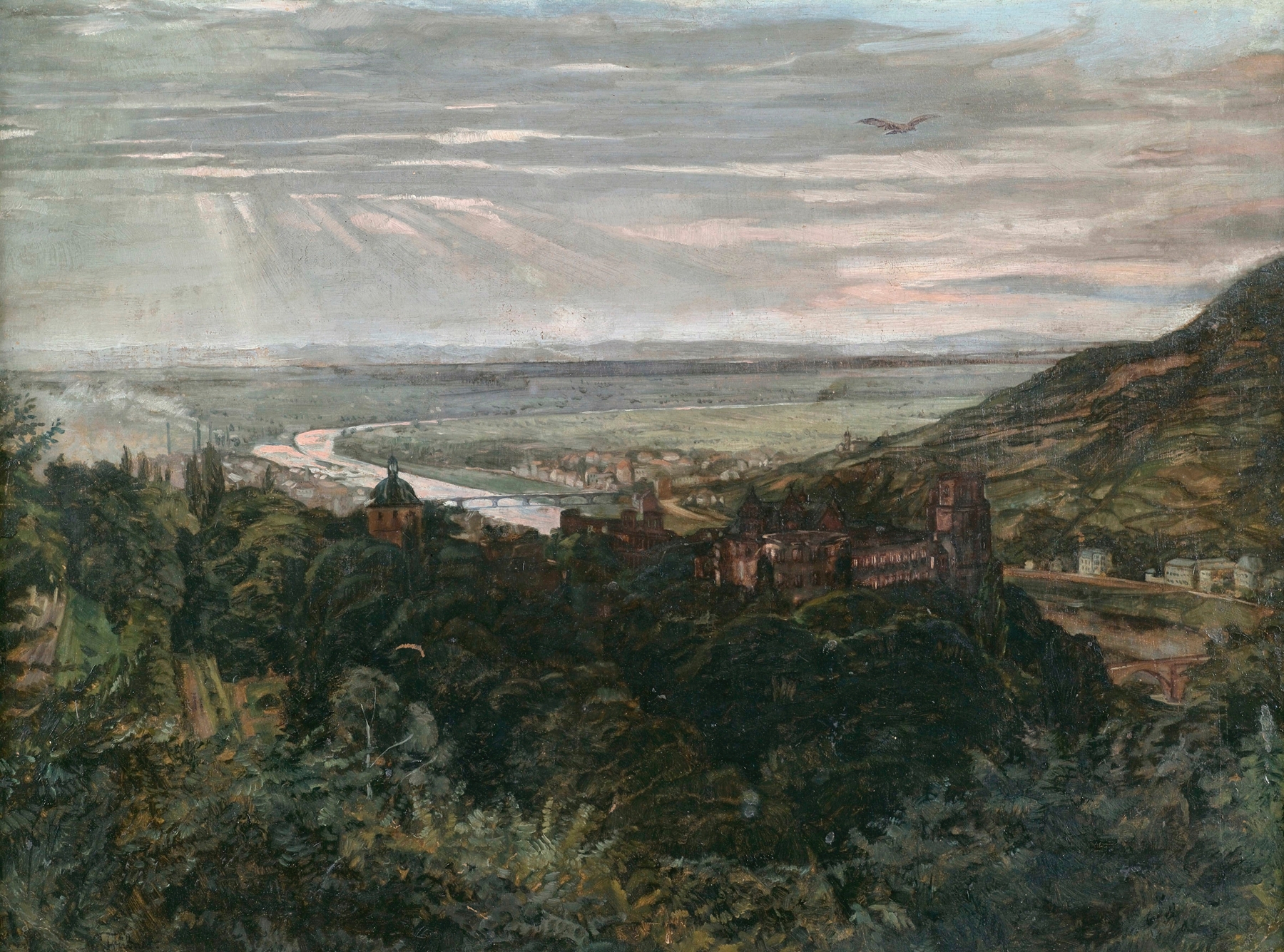
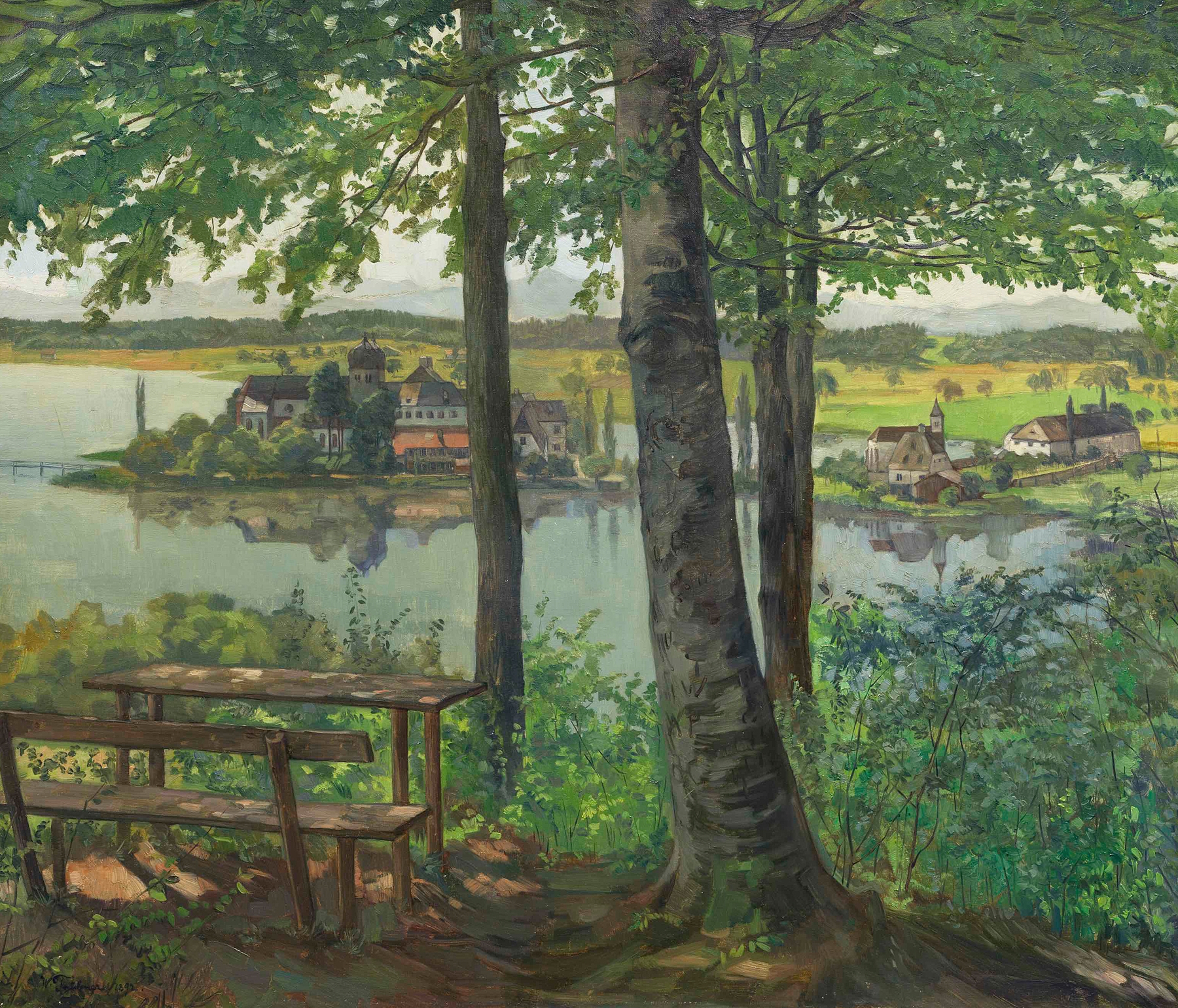
“Every silence here is a confession.” In a world so often drowned in noise, the quiet moments offer echoes of legacy, telling stories only the stillness can convey. Look to the center of the canvas, where the tranquil reflection of the monastery floats delicately upon the water’s surface. Notice the soft hues of blue and green that envelop the scene, inviting a sense of calm yet hinting at an underlying weight. The brushwork is deliberate and fluid, guiding the eye to the distant hills that cradle the monastery, while wisps of clouds drape lightly overhead, adding an ethereal quality.
The painting captures a pivotal moment in time, where the serenity of nature intertwines with the permanence of human craftsmanship. The juxtaposition of the delicate foliage against the solid, historic architecture speaks to the transient versus the enduring, the natural versus the manmade. Each stroke seems to breathe life into the scene, yet the quietude suggests stories of countless generations who have inhabited this space, creating a rich tapestry of legacy waiting to be unraveled.
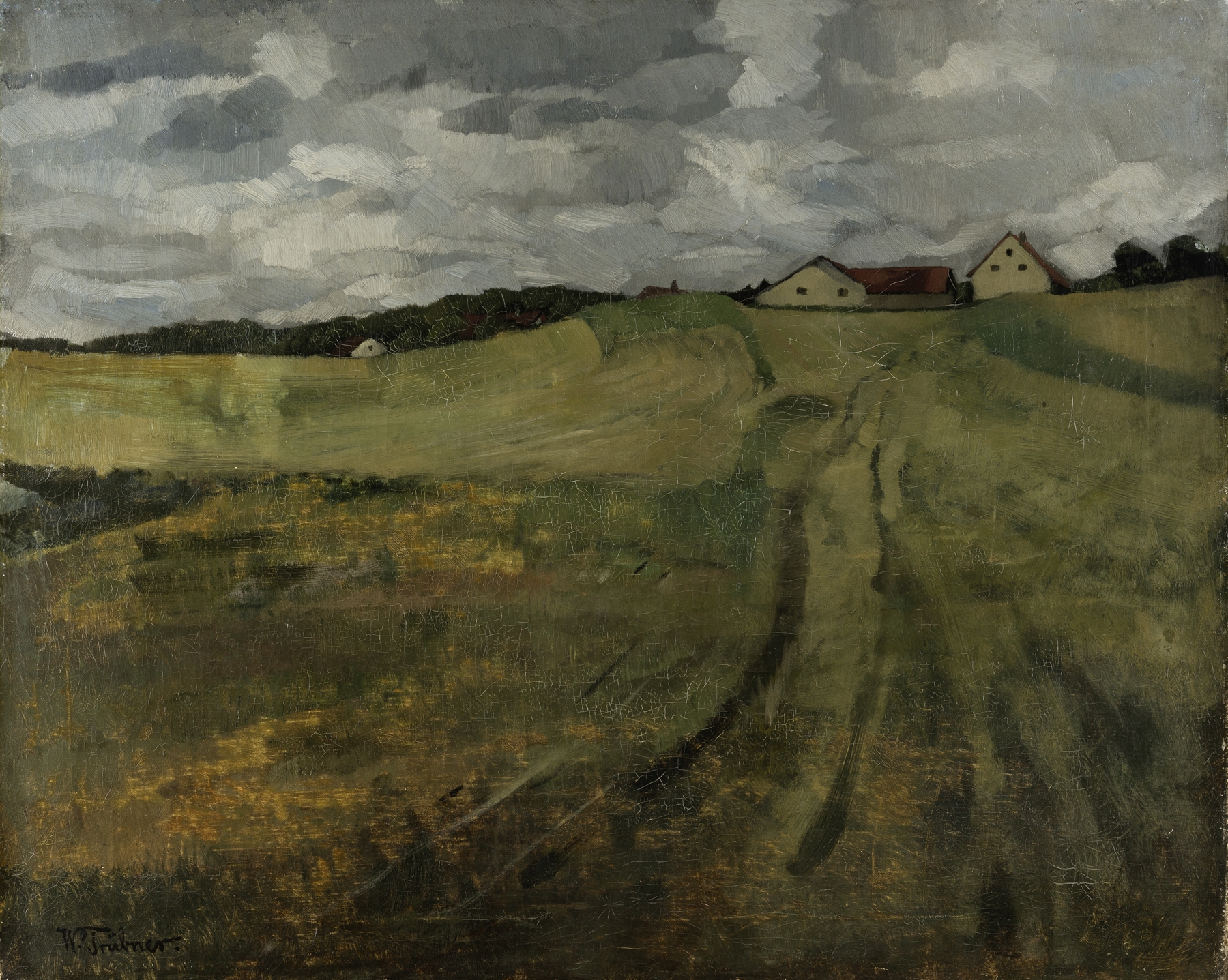
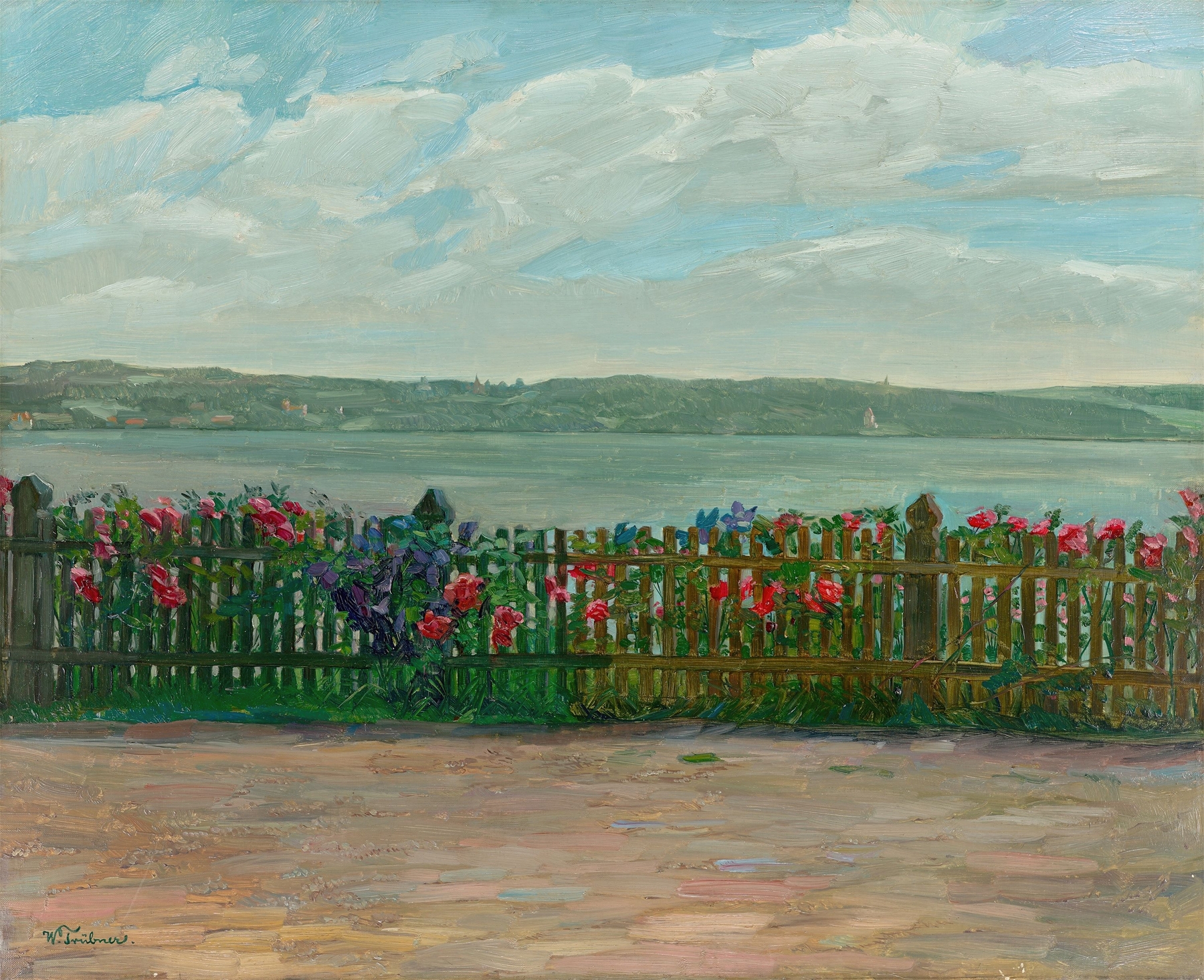
Wilhelm Trübner painted this piece in 1892 while residing in Germany, a period marked by a deepening appreciation for nature and the interplay between it and artistic expression. At this time, he was exploring the balance of realism and impressionism, aiming to capture the essence of landscapes that held significance in his life and culture. The painting reflects Trübner’s commitment to portraying scenes that resonate beyond their visual appeal, inviting viewers to ponder the stories they silently tell.