Starnberger See — History & Analysis
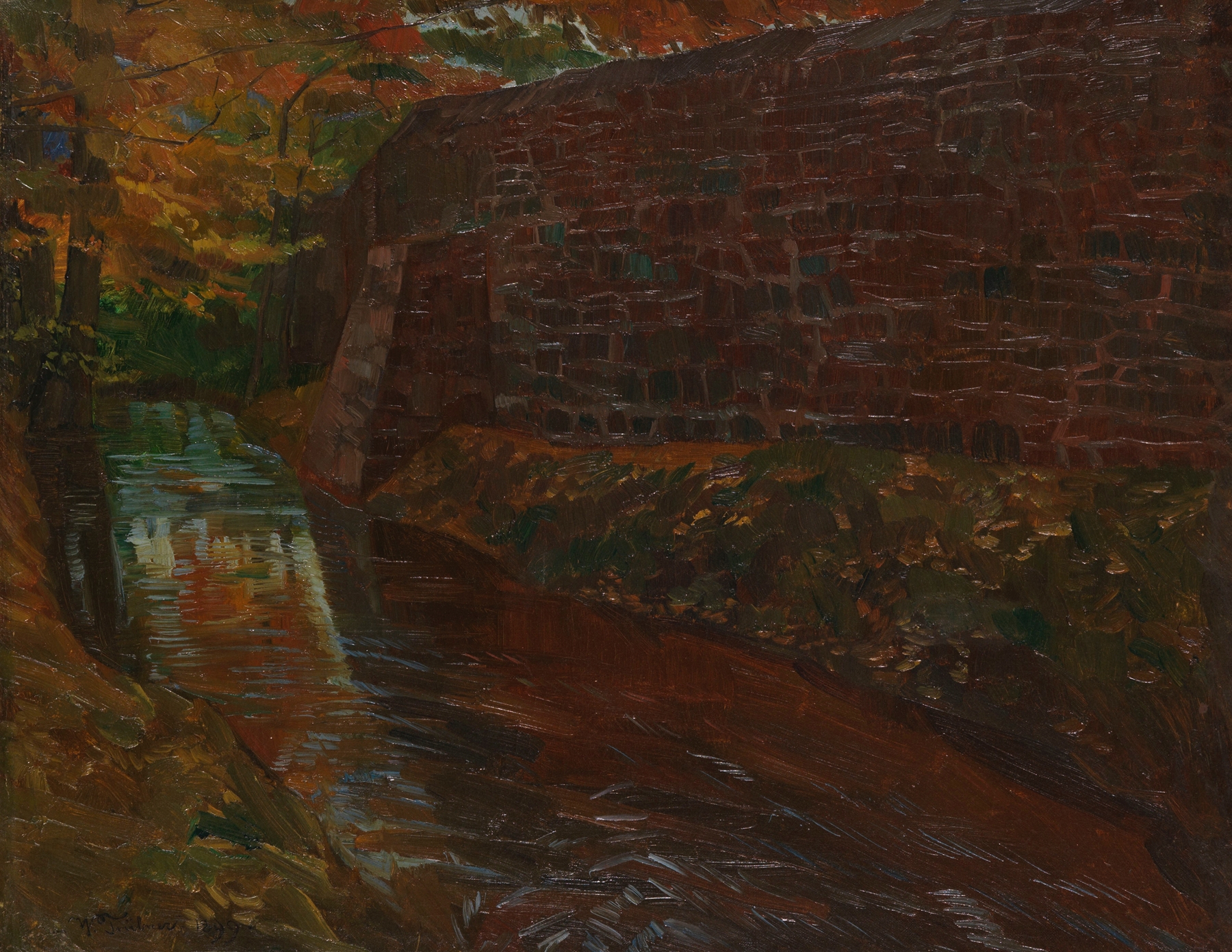
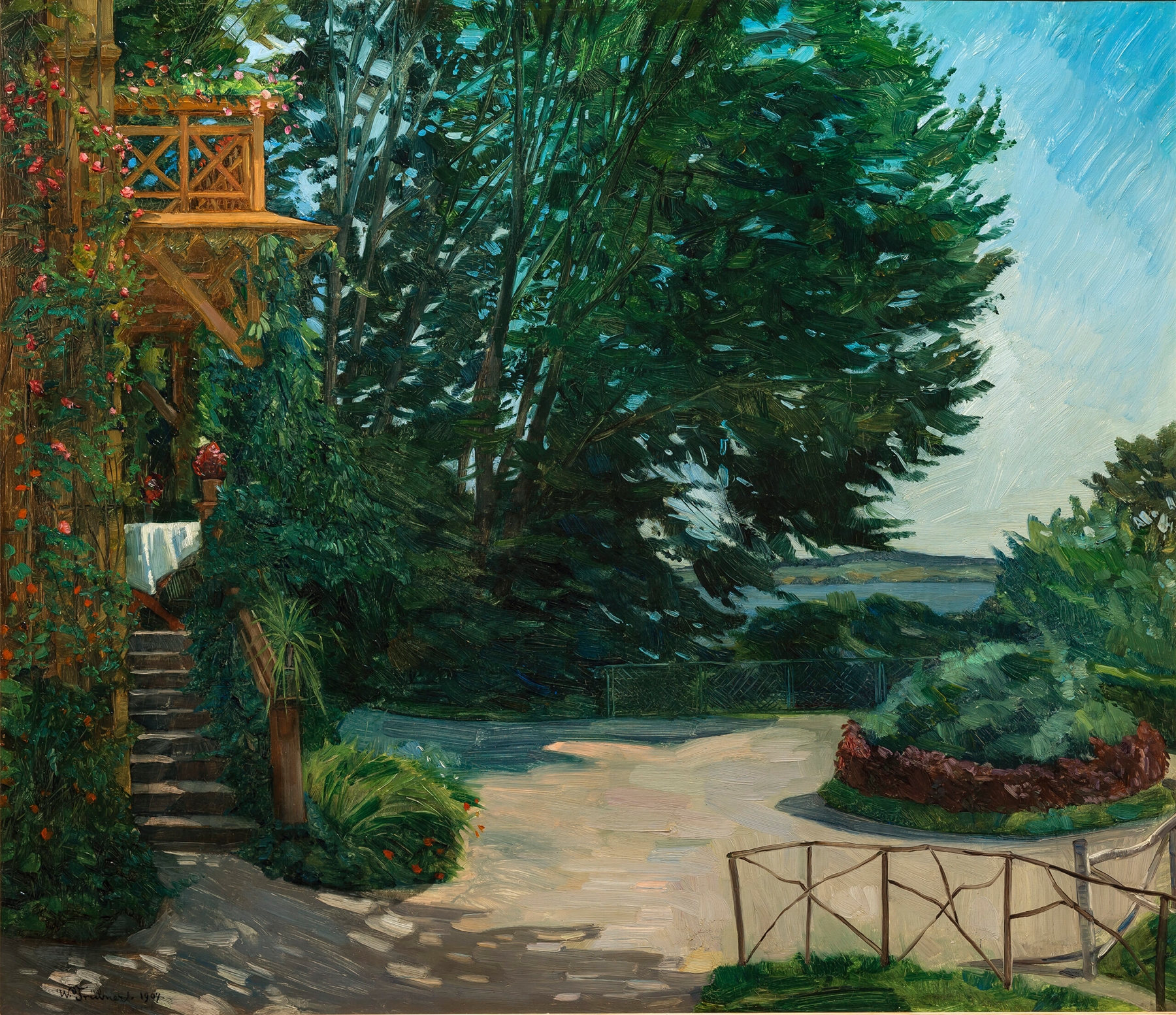
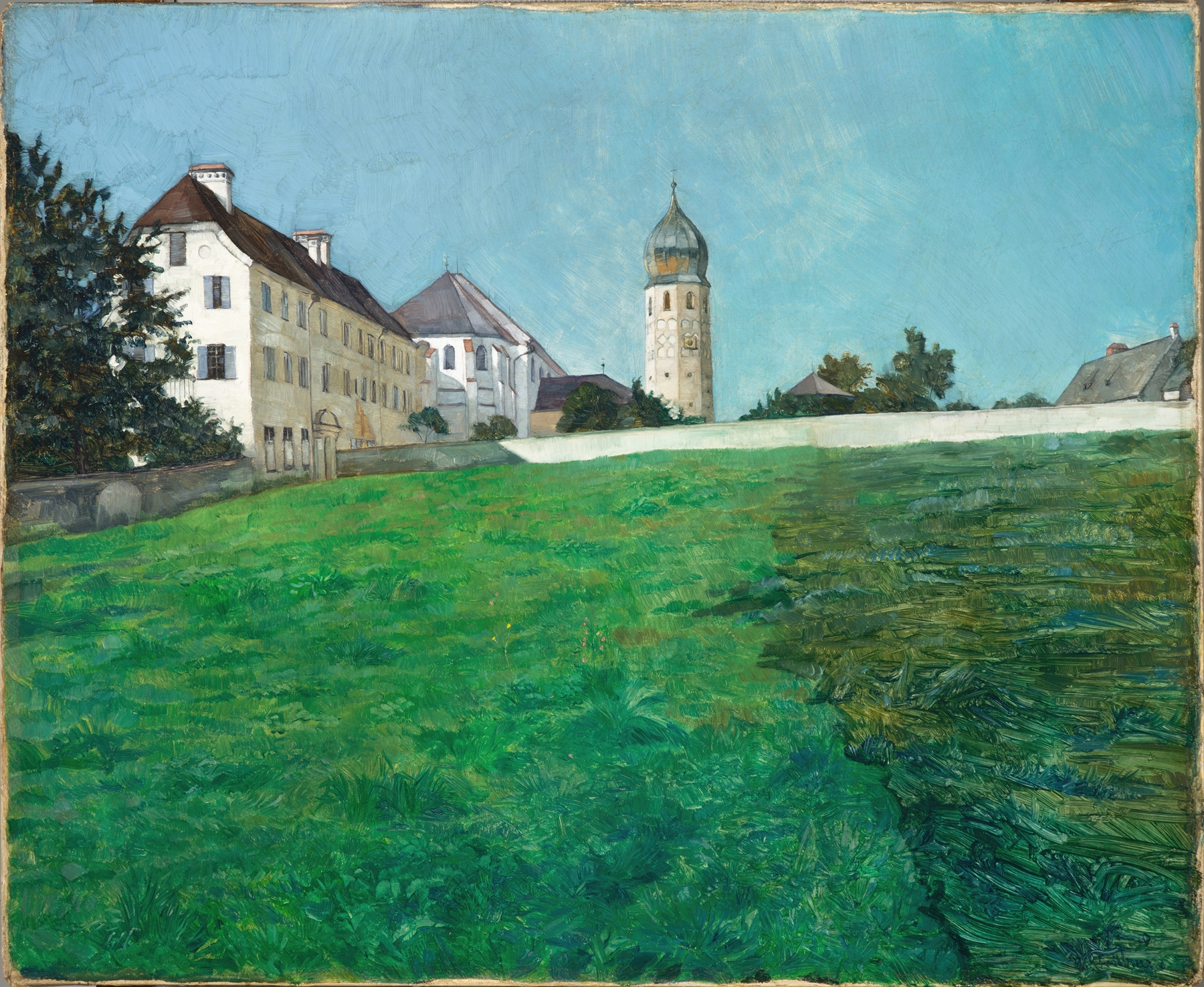
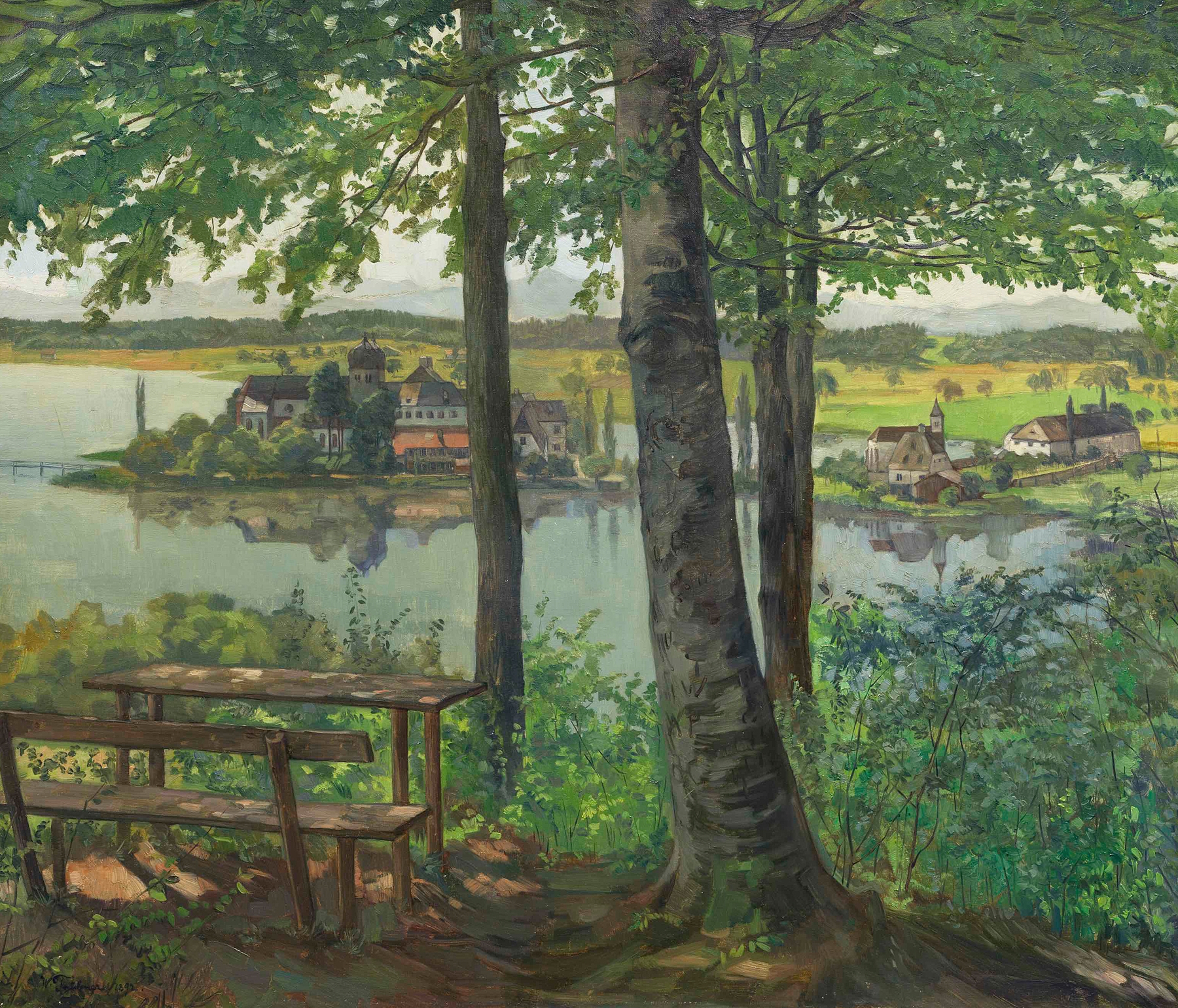
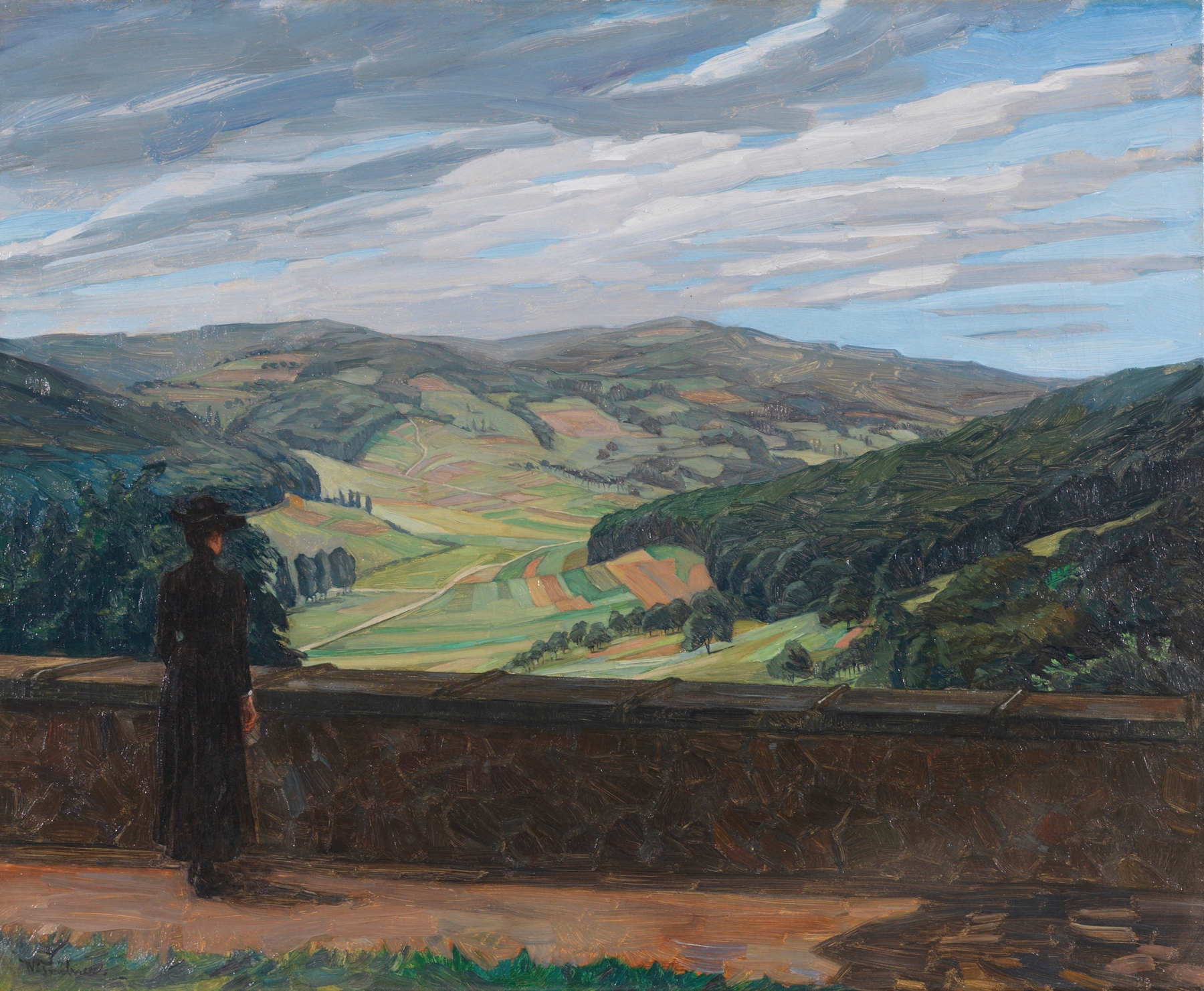
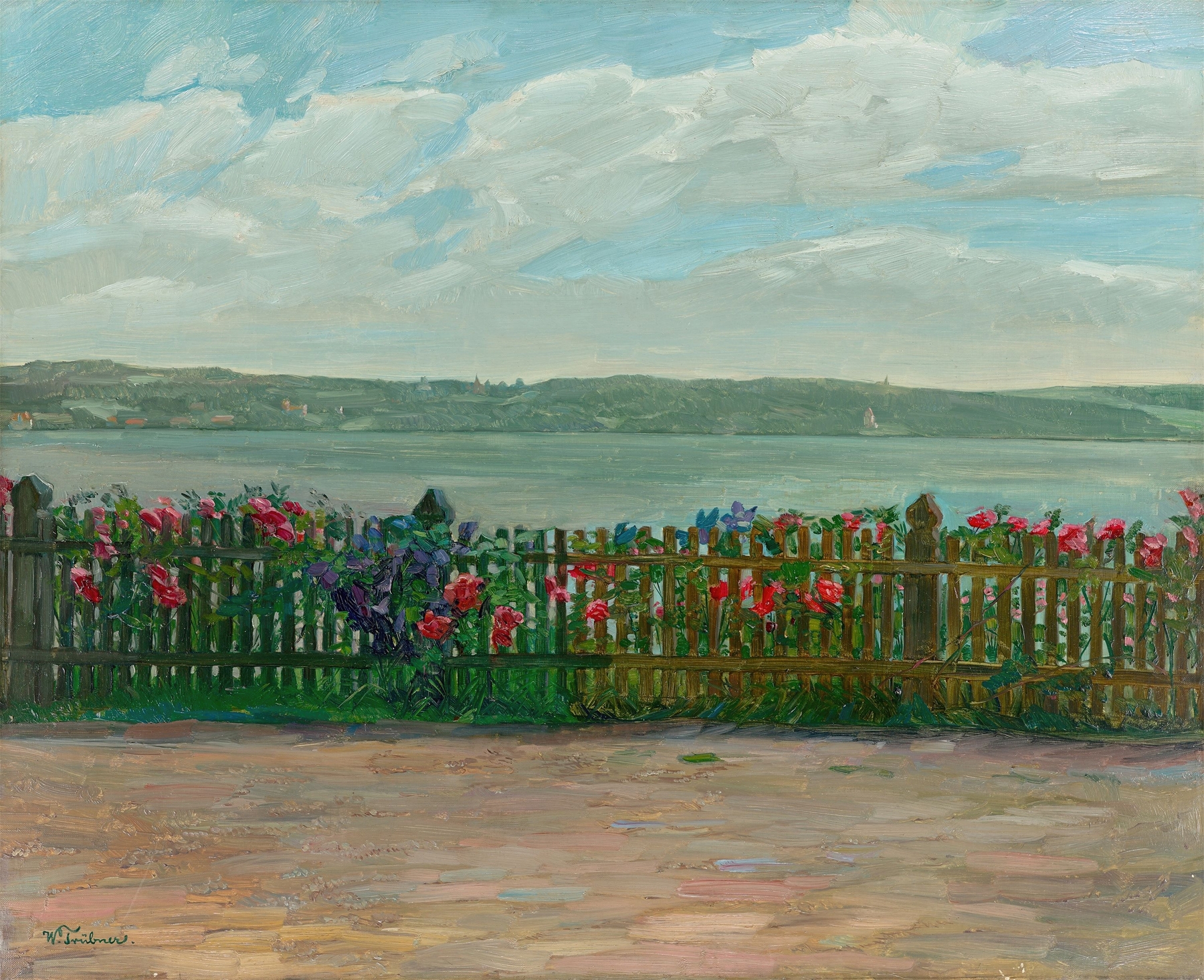
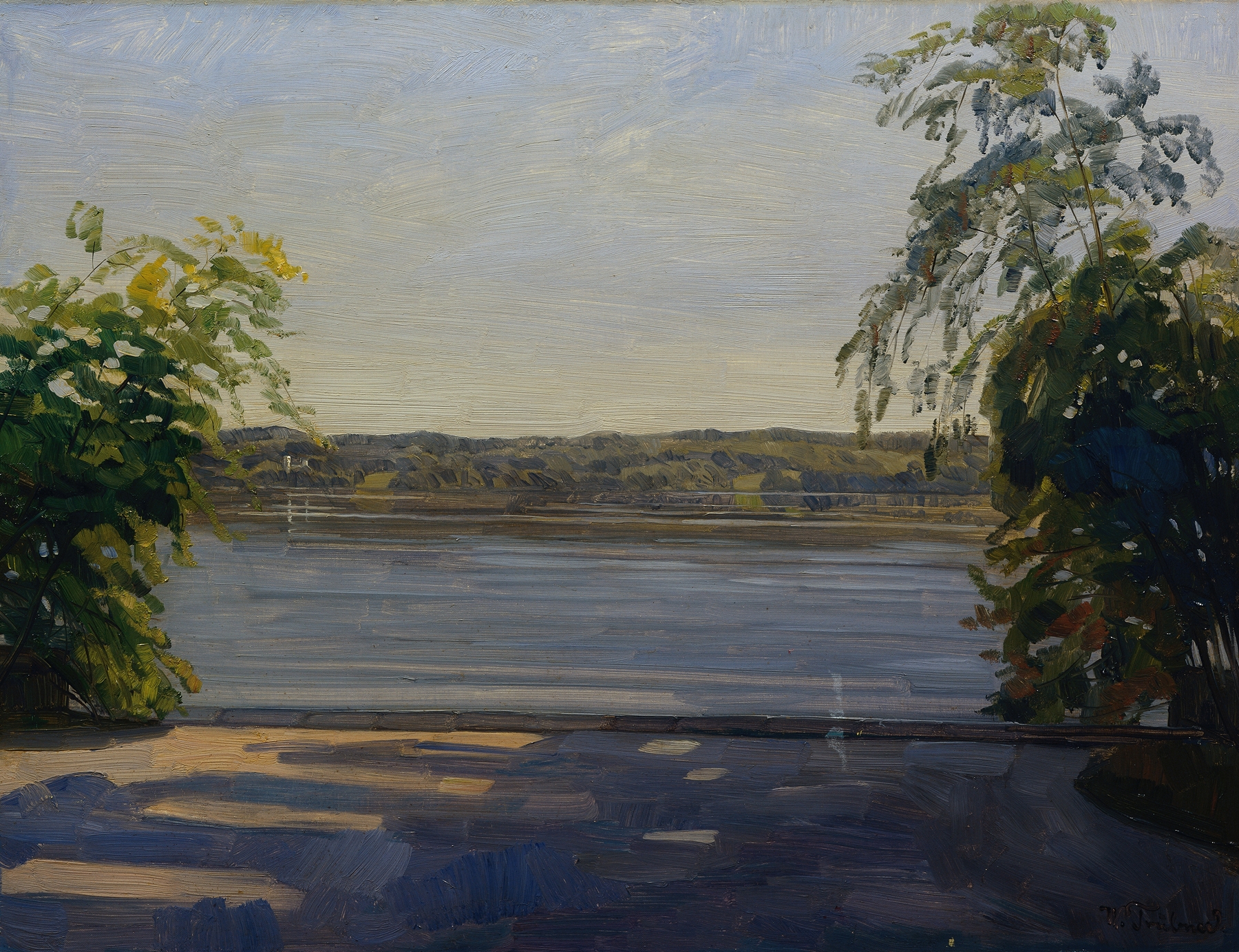
“Art reveals the soul when the world turns away.” In the delicate interplay of light and shadow, we find a mirror to our own fragility, beckoning us to explore the unseen depths of emotion. Look to the upper right, where a soft, golden hue washes over the tranquil waters of the lake, creating a stunning contrast with the deep blues of the sky. The painter’s brushstrokes elegantly capture the ripples on the surface, suggesting movement and life just beneath the placid exterior. The composition is thoughtful, drawing our gaze along the horizon where water meets sky, inviting contemplation of the vastness before us.
Beneath this serene landscape lies an exploration of vulnerability. The gentle undulations of the water reflect not only a physical reality but also emotional currents, hinting at the instability that can exist within calm exteriors. The juxtaposition of the vibrant colors against the muted tones of the earth evokes a sense of longing and introspection, as if the scene whispers secrets of existence and ephemeral beauty.
Created during a period when the artist grappled with personal and societal changes, this work emerged in a time characterized by both artistic exploration and existential reflection. Wilhelm Trübner painted this piece at a moment when realism was evolving, seeking to encapsulate feelings rather than just appearances. The world around him was steeped in transformation, making his work a poignant commentary on the fragility of life and the depth of the human experience.