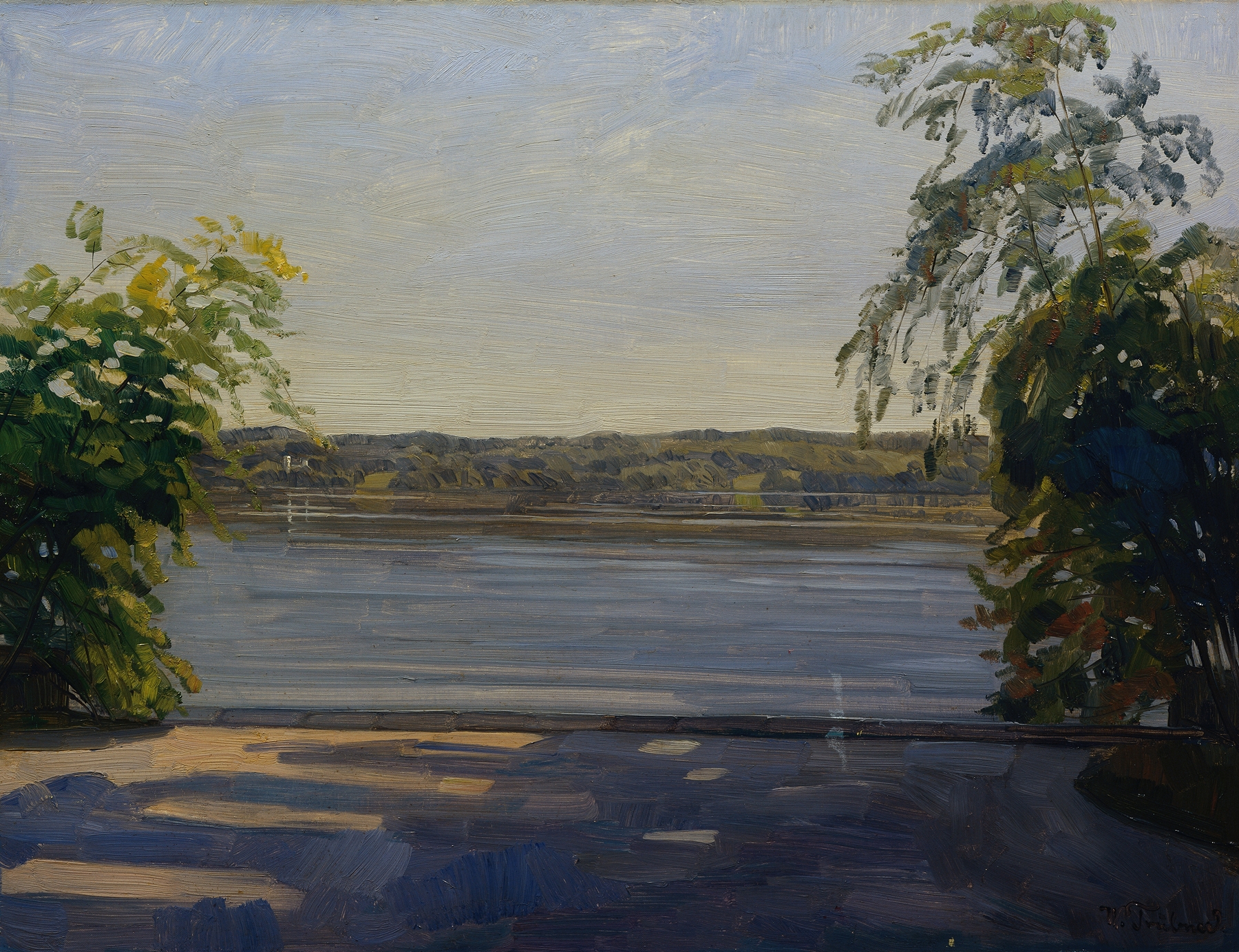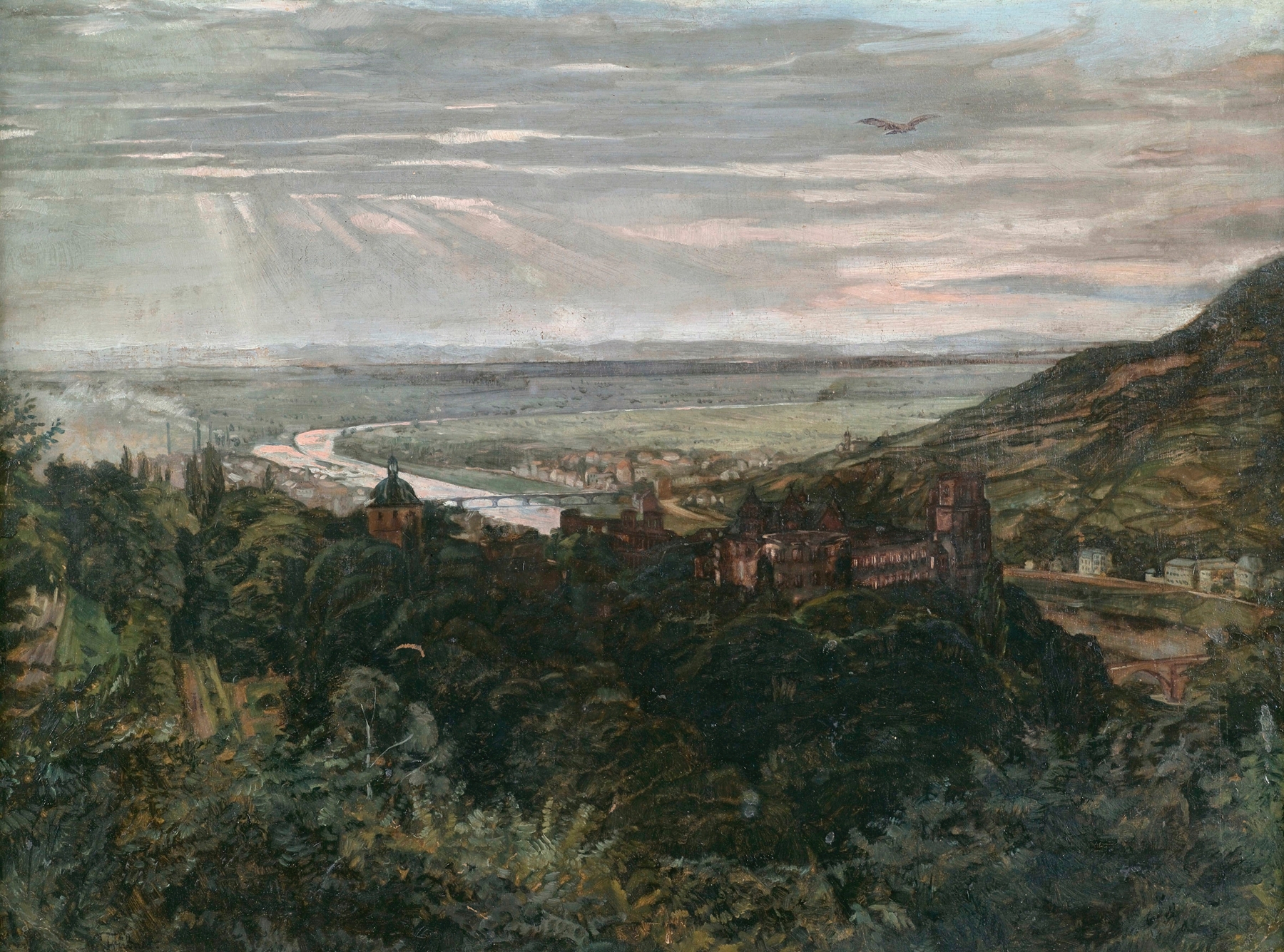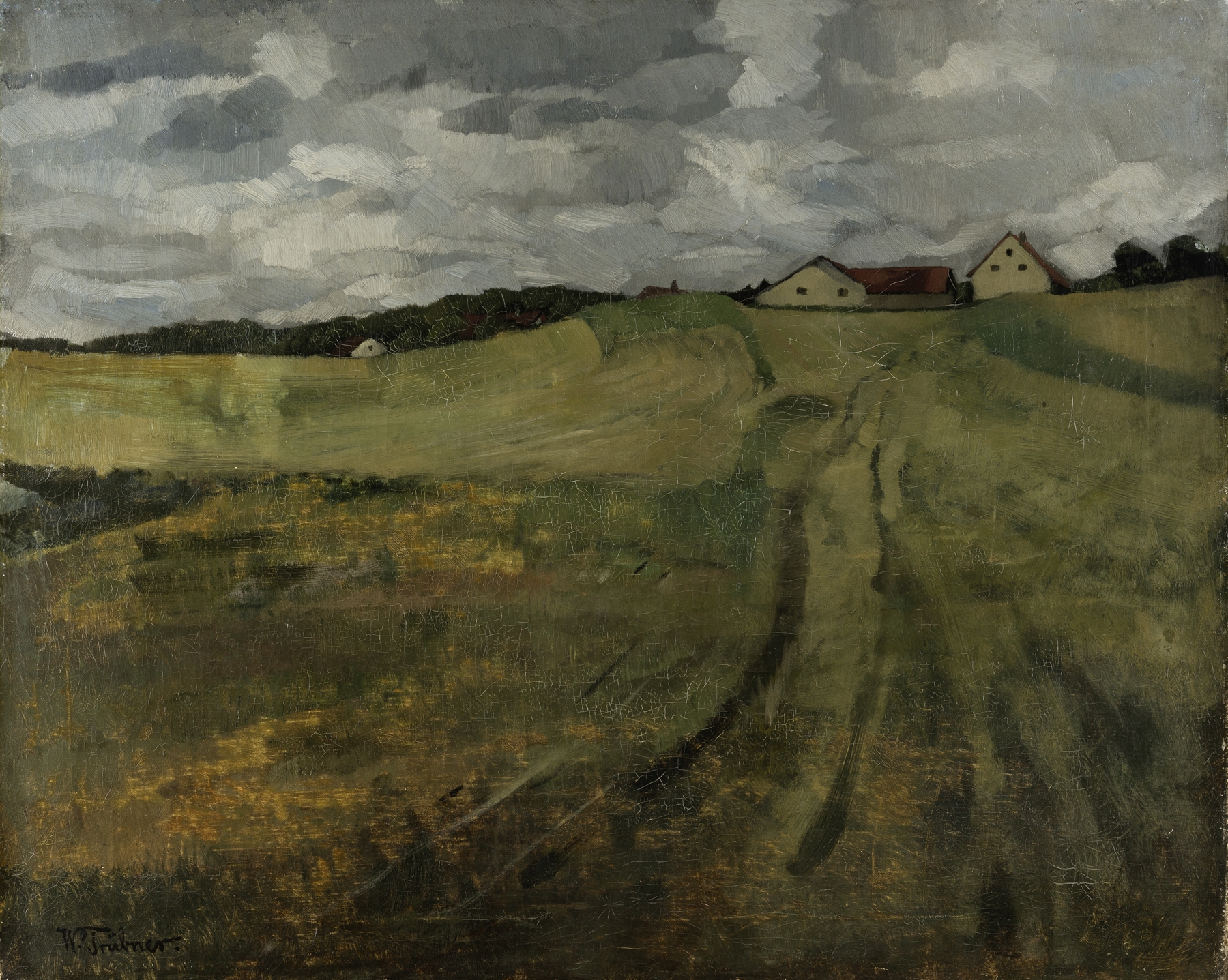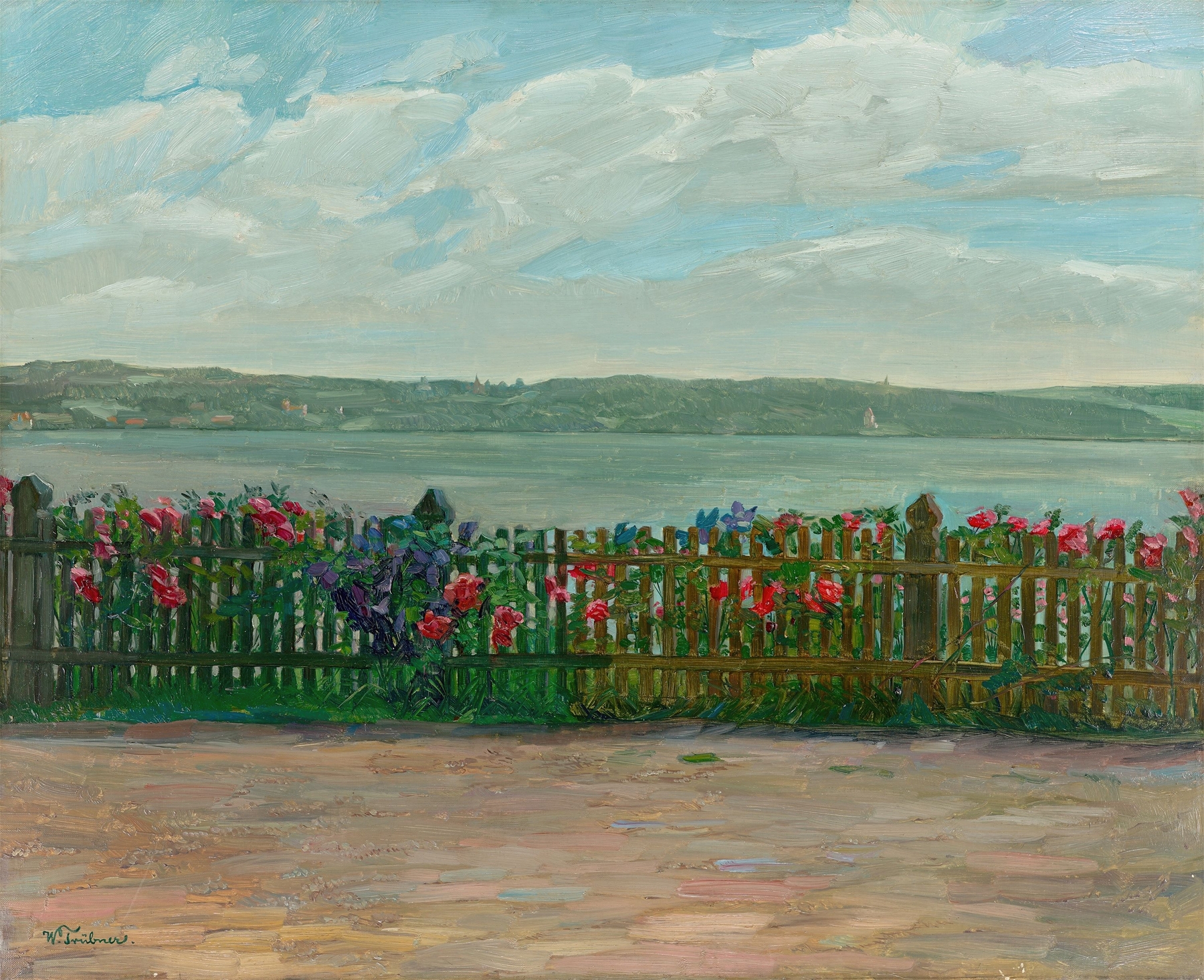
Blick in den Odenwald — History & Analysis
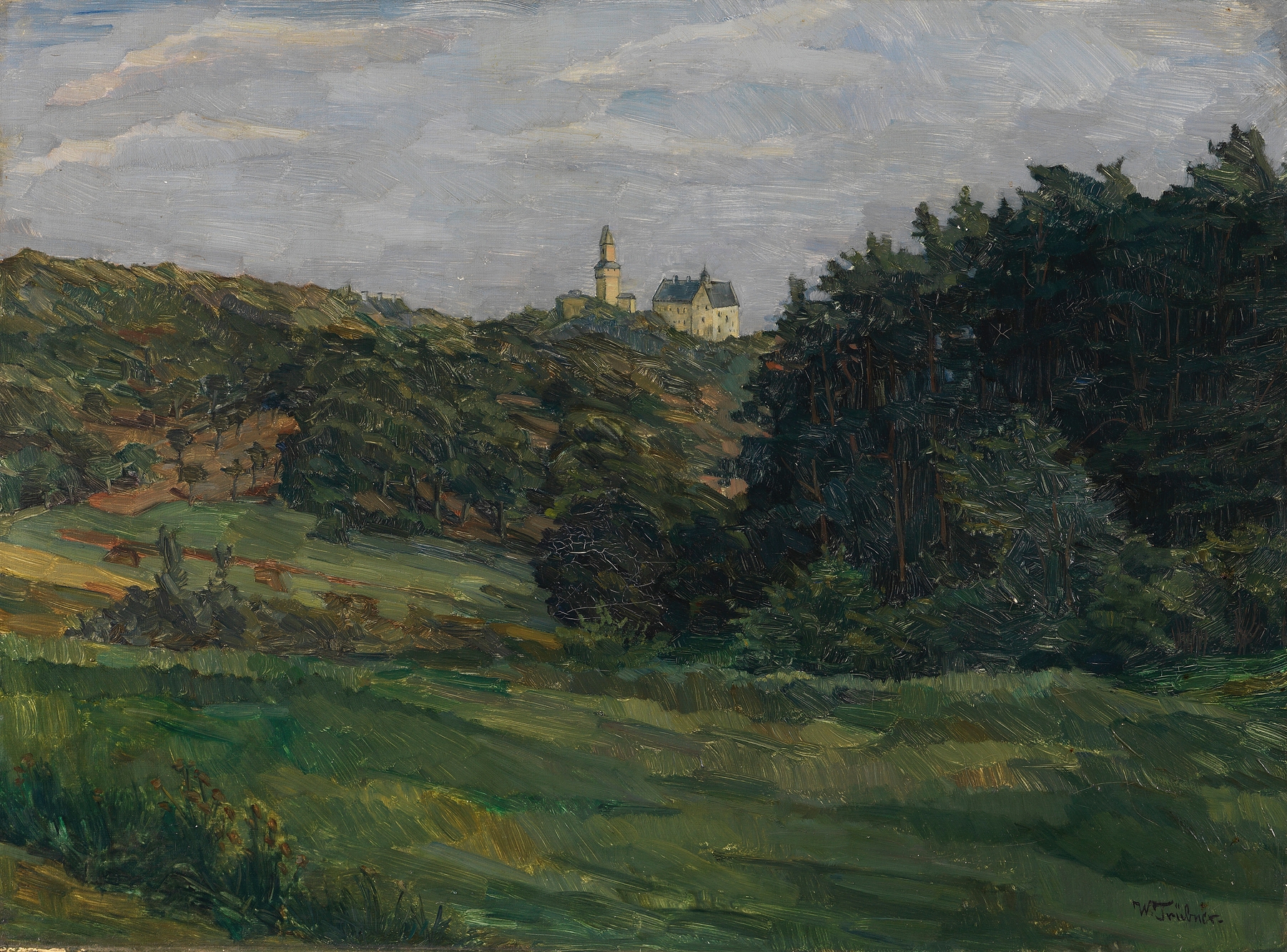
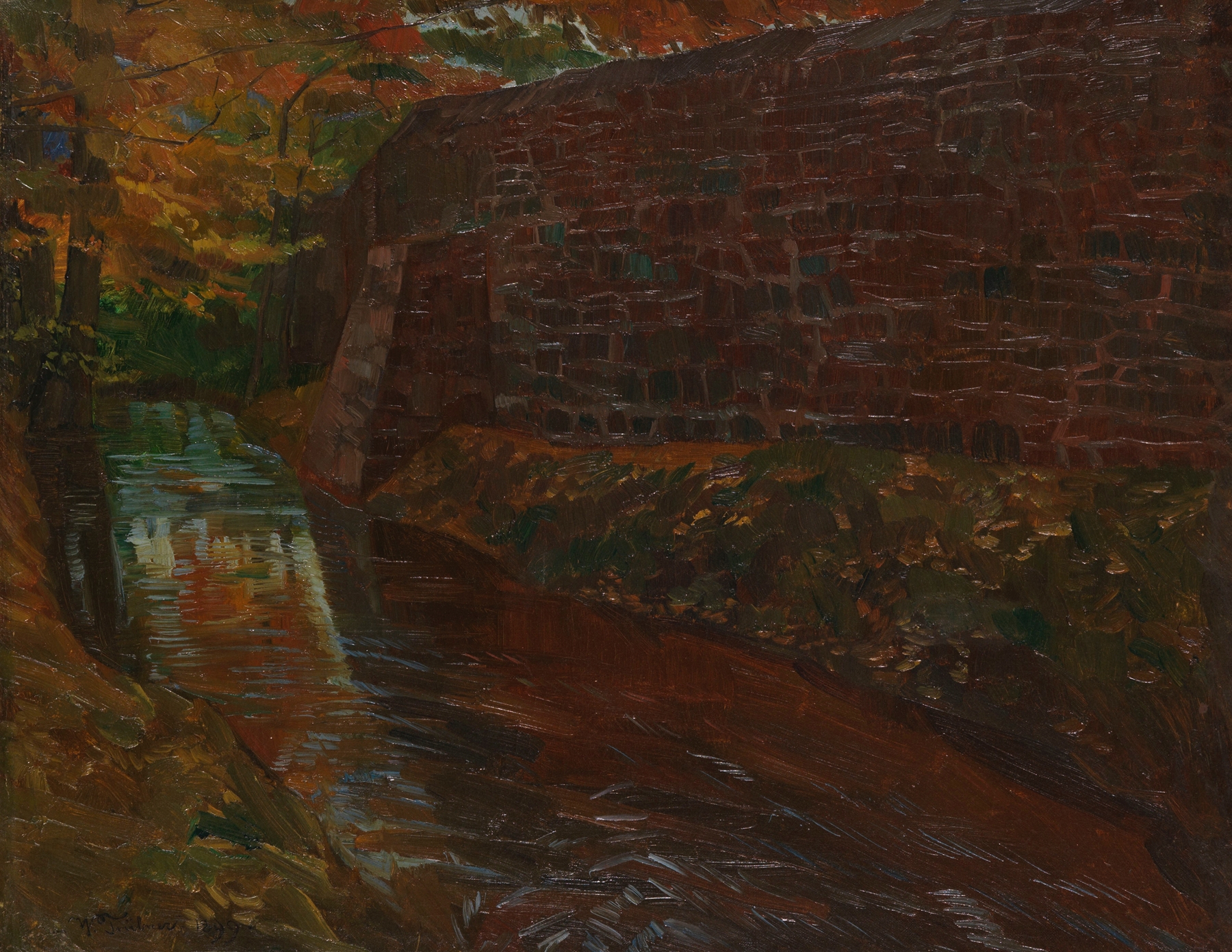
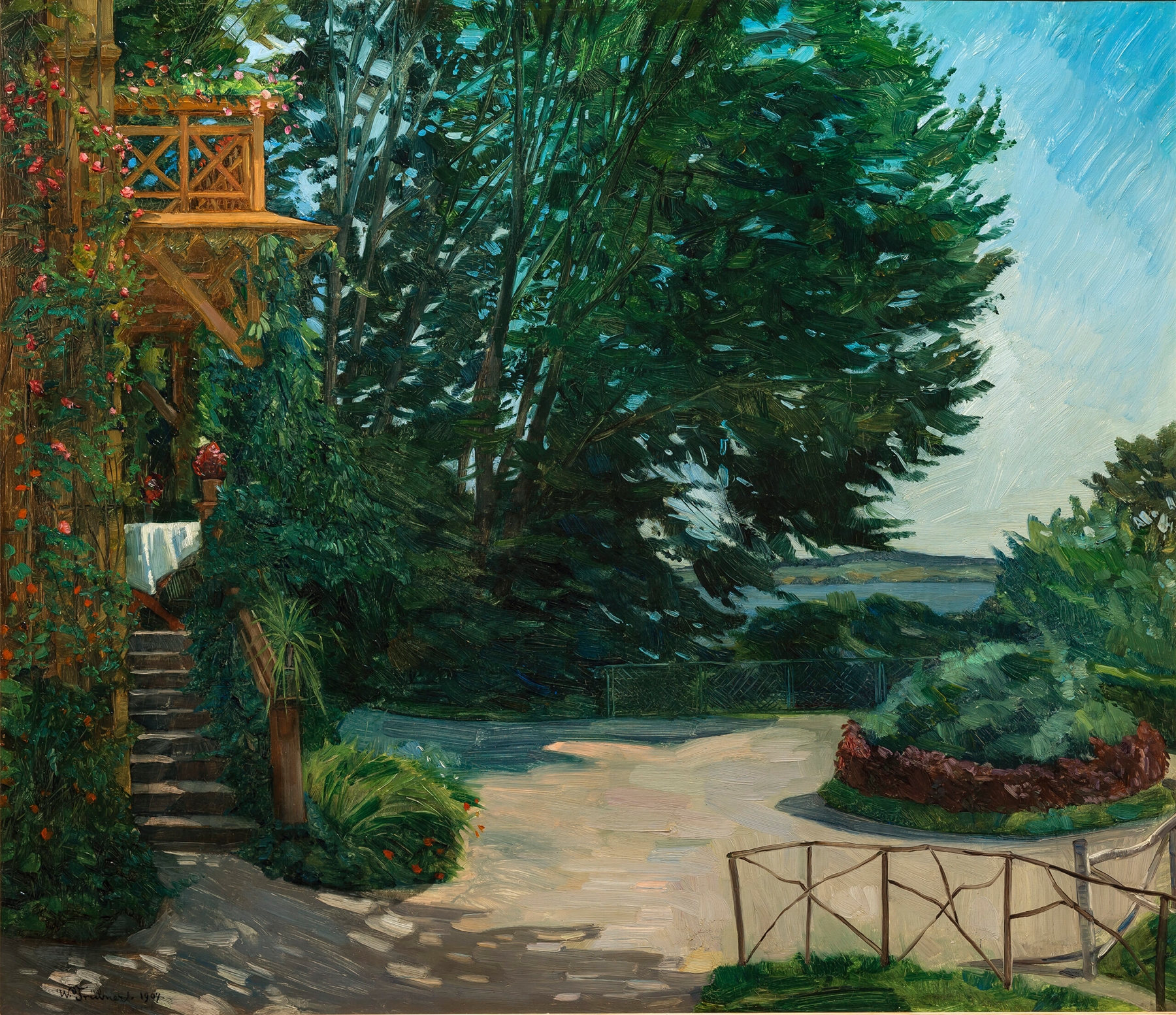
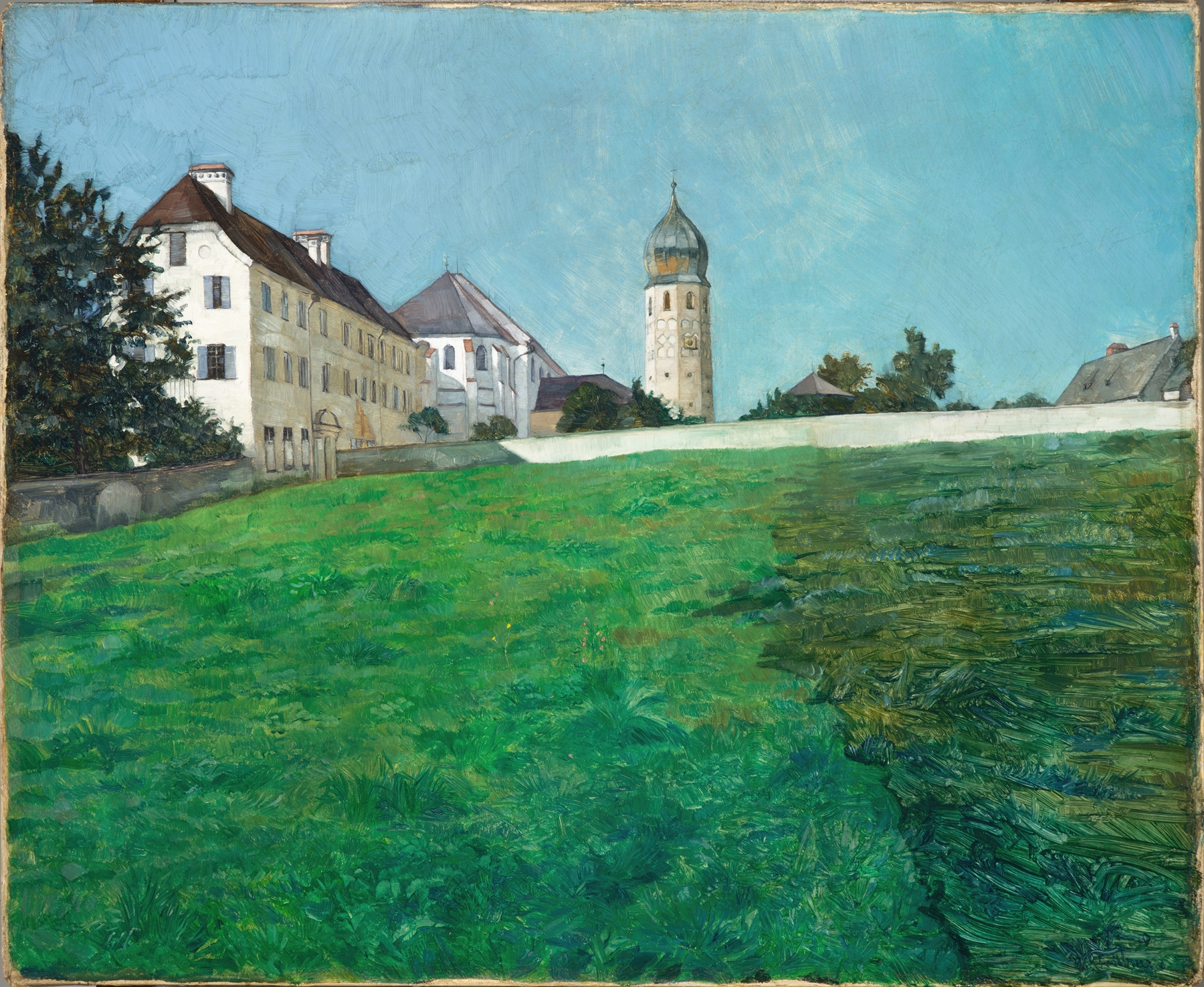
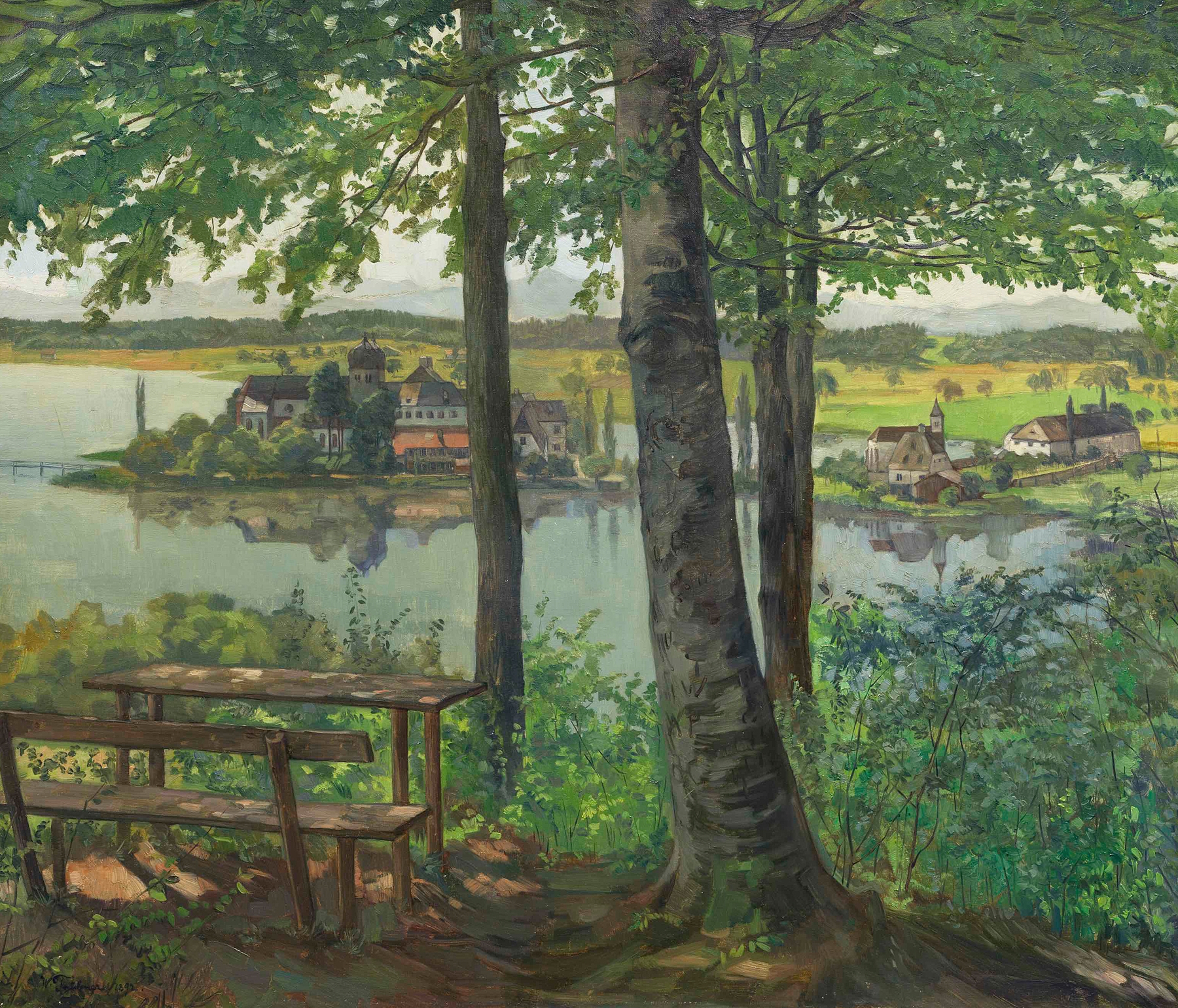
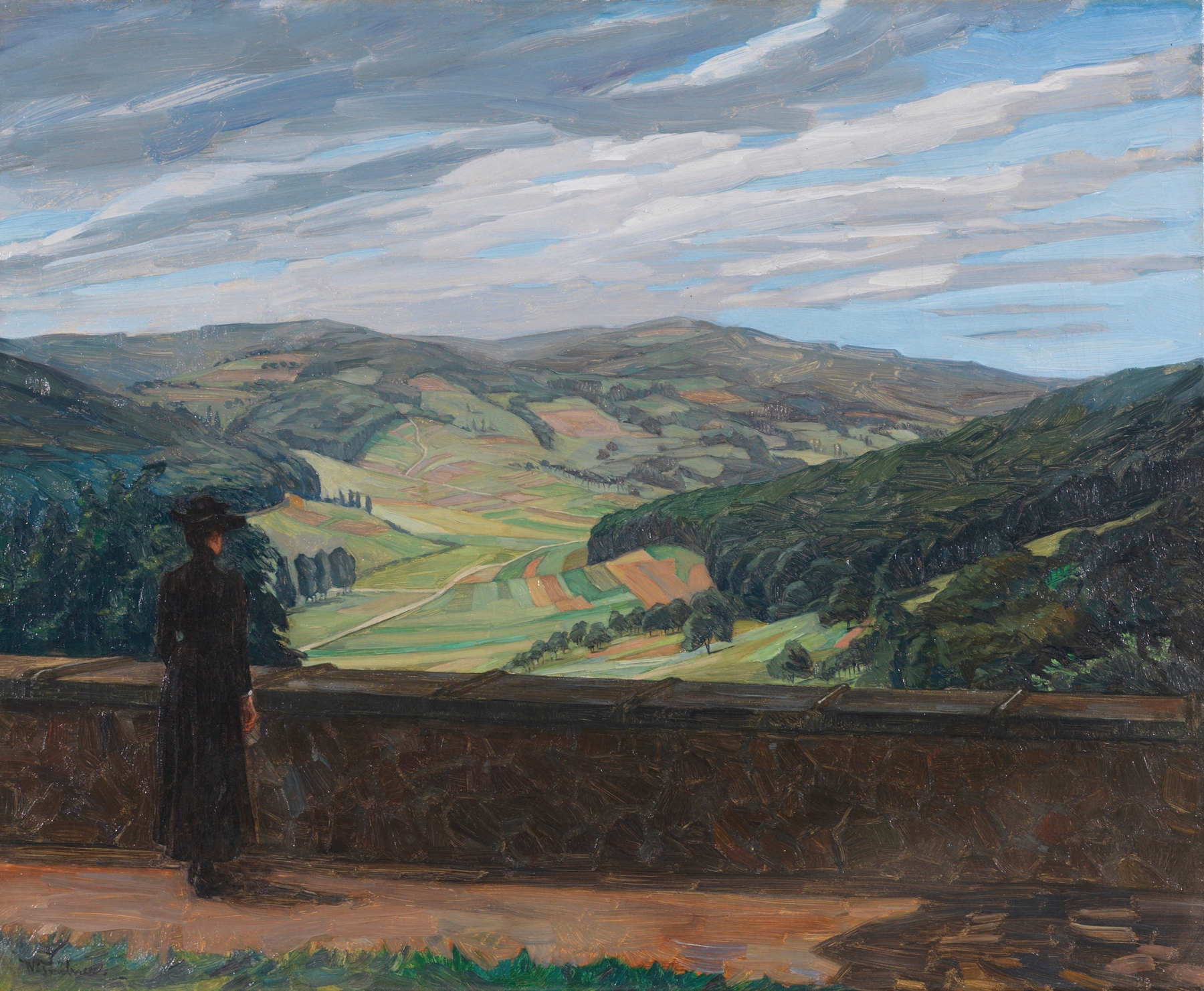
“Sometimes beauty is just pain, disguised in gold.” This statement encapsulates the dual nature of existence, where fleeting moments of splendor are intertwined with the inescapable shadow of mortality. Focus on the gentle undulations of green hills, where soft light dances across the canvas, breathing life into the landscape. Look to the horizon, where the sky transforms from a serene blue to warm, golden hues, hinting at the passage of time and the inevitable change that follows. Each stroke of paint captures the essence of nature’s tranquility, yet beneath this serene facade lies an unspoken reminder of life’s transience.
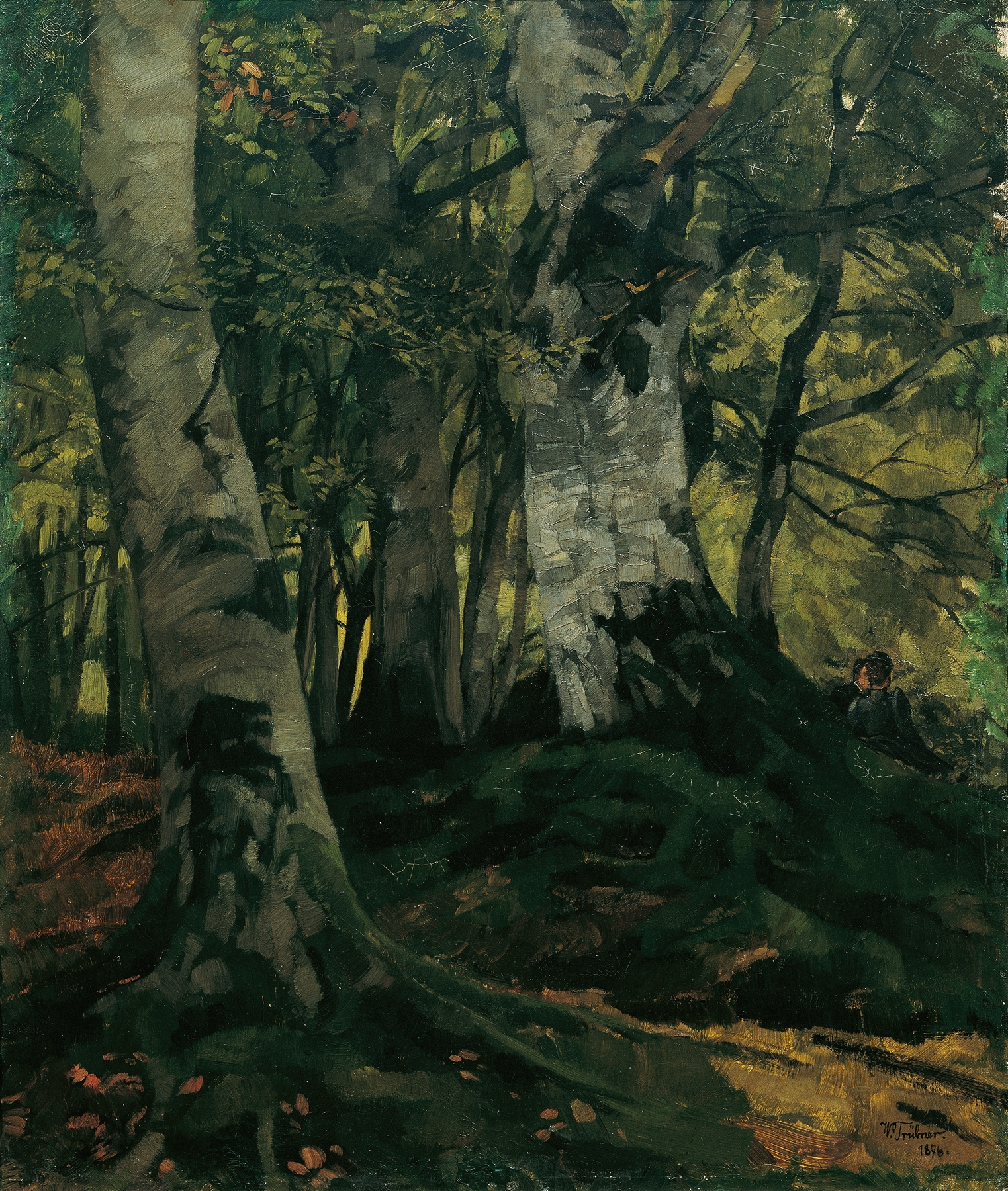
Delve deeper into the composition, noticing the meticulous detailing of the foliage, each leaf seemingly whispering secrets of the past. The interplay of light and shadow evokes a poignant contrast — beauty and decay, life and death — urging the viewer to reflect on their own fleeting moments. The distant figures, mere silhouettes in the landscape, represent humanity’s smallness in the vastness of nature, as if to remind us that we are but temporary visitors in this world.
In 1900, Wilhelm Trübner created this evocative piece while deeply immersed in the transition from Romanticism to Impressionism, seeking to bridge the emotional depth of the former with the vibrant immediacy of the latter. During this time, he found inspiration in the idyllic beauty of the Odenwald region of Germany, a landscape that resonated with his exploration of light and color. The painting reflects not only his artistic evolution but also the era's growing introspection about existence and the human experience.