View of Heidelberg — History & Analysis
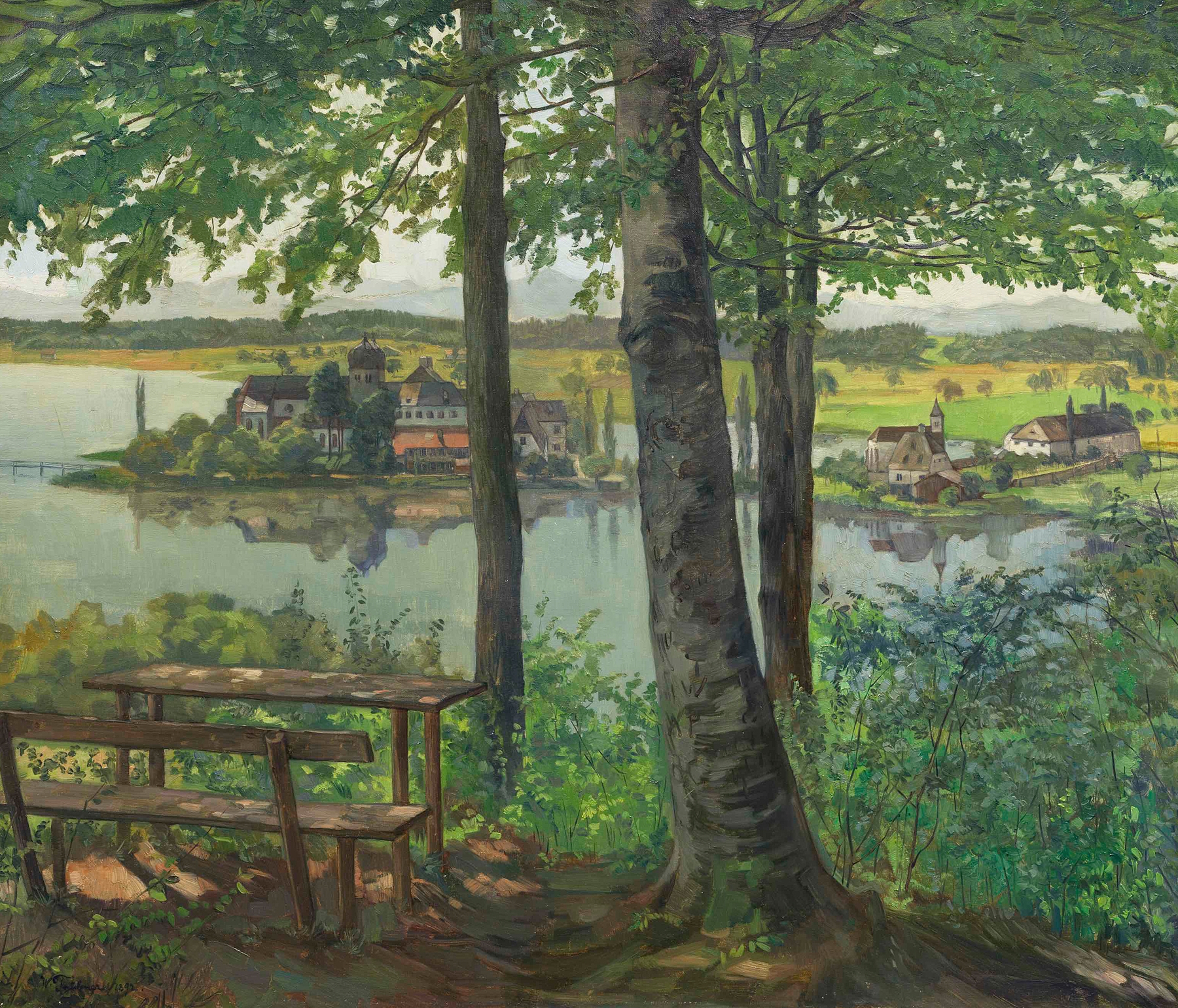
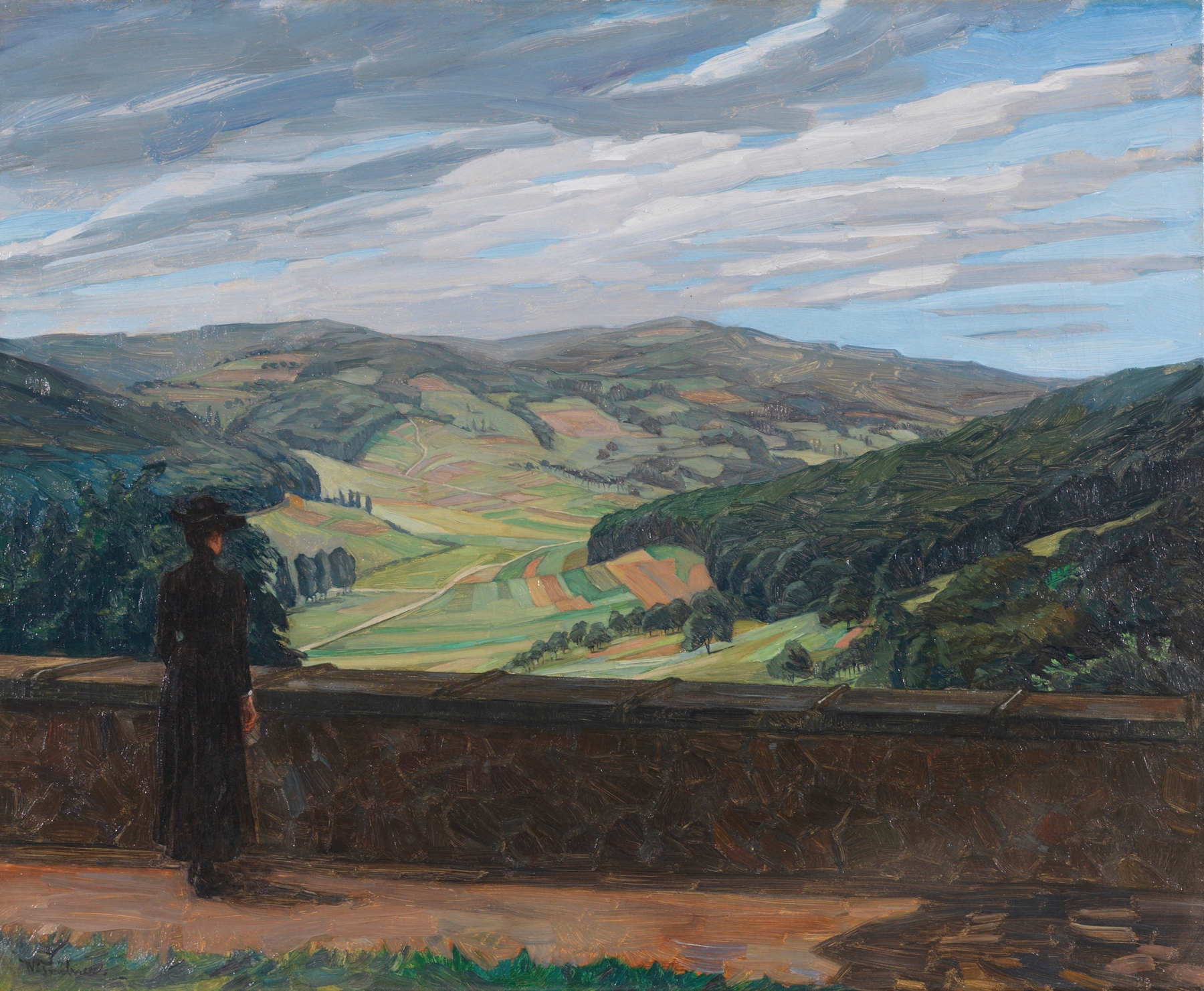
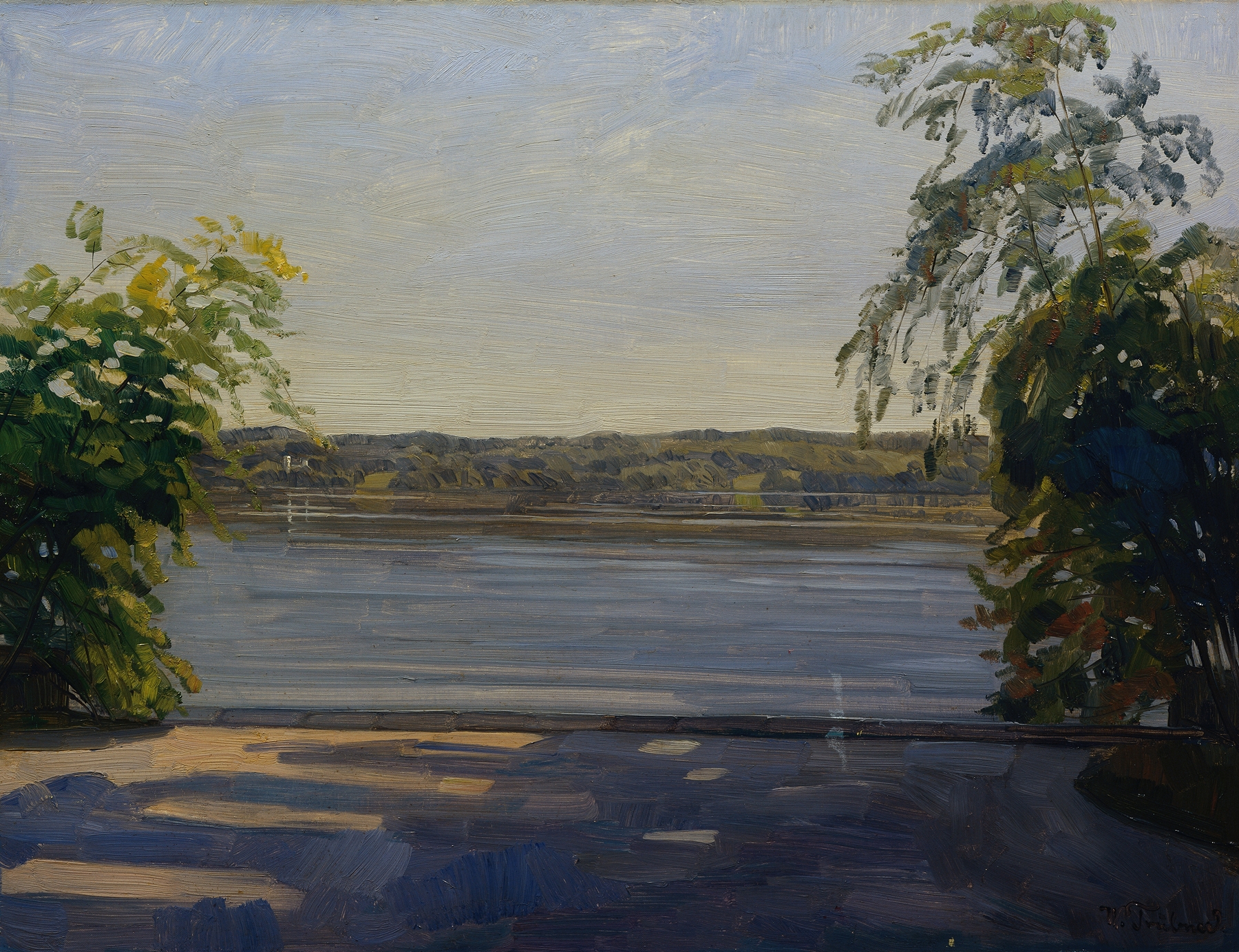
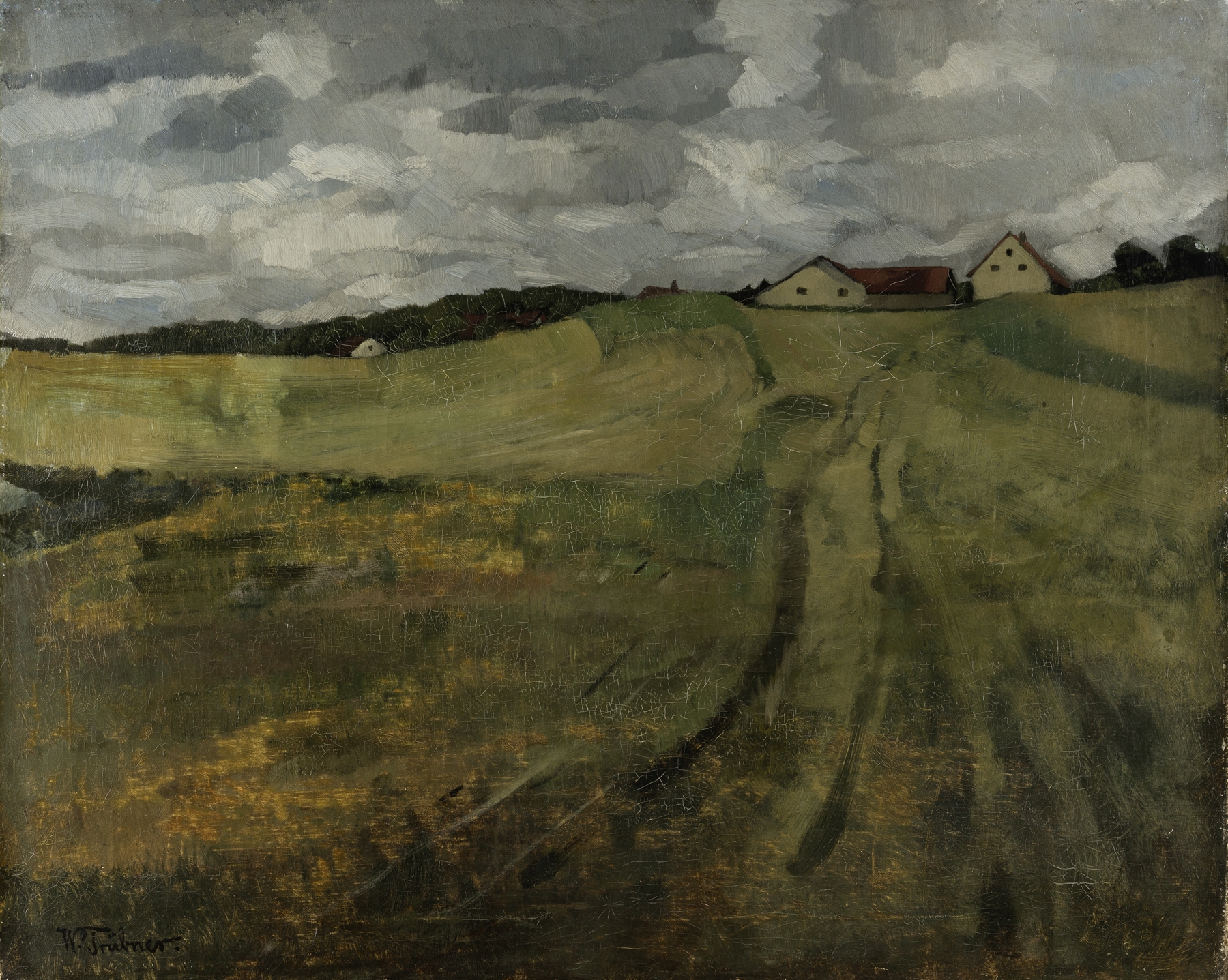
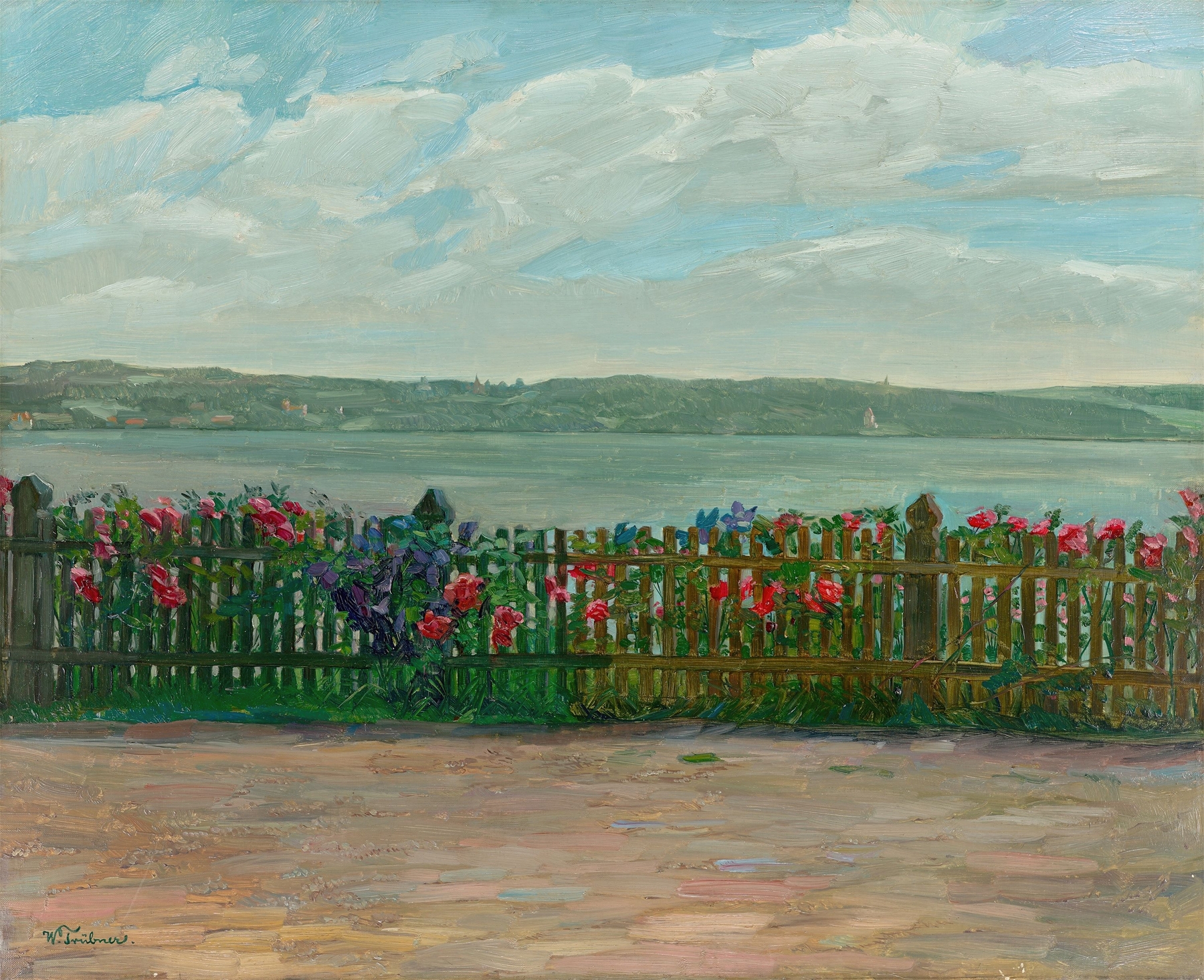
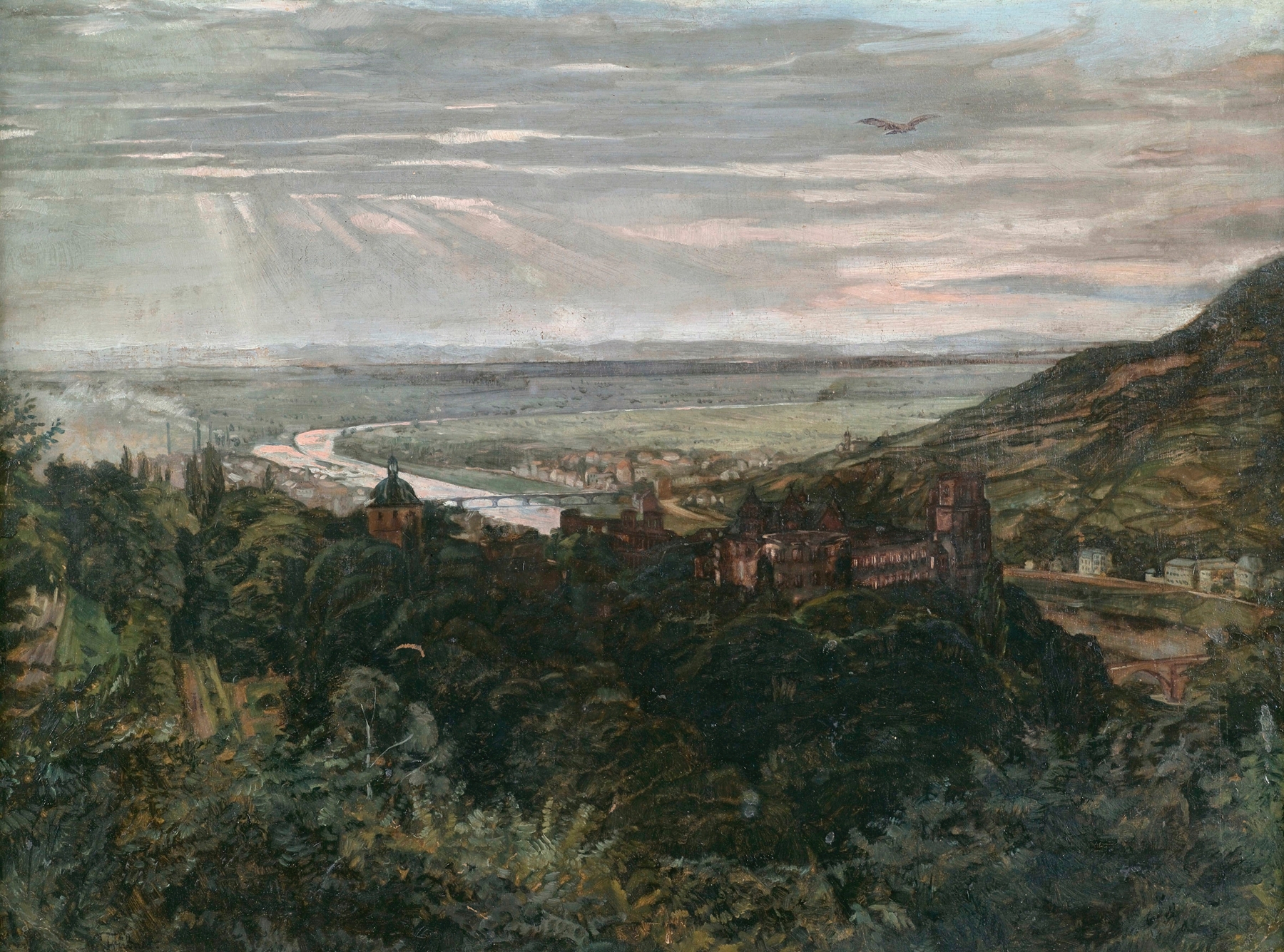
Did the painter know this moment would outlive them? View of Heidelberg captures an ethereal tranquility that makes time feel suspended, inviting us to linger in its serene embrace. Look to the right at the soft, undulating hills that cradle the quaint town below. Notice how the light falls upon the warm, terracotta rooftops, each glint and shadow expertly rendered to bring forth a sense of depth and solidity.
The composition leads the eye gently across the canvas, from the calming river that weaves through the landscape to the distant castle, nestled among the verdant foliage. Trübner’s palette, infused with rich greens and gentle blues, creates a harmonious balance that seems to breathe life into the scene. The emotional tension lies in the juxtaposition between the peaceful stillness of nature and the faint hint of human presence, suggested by the distant silhouettes. The serene water reflects not only the light but also a quiet longing, whispering of stories untold.
Each brushstroke conveys a sense of nostalgia, evoking an enduring connection to both place and time, inviting the viewer to ponder the essence of belonging and the passage of life. Wilhelm Trübner painted this evocative landscape in the late 19th century, a time when Romanticism and Impressionism were reshaping the art world. Living in Germany, he embraced both the beauty of nature and the influence of emerging artistic movements. This work reflects his desire to capture the sublime qualities of landscape and the fleeting moments of beauty that define our existence.