A View of Frauenchiemsee — History & Analysis
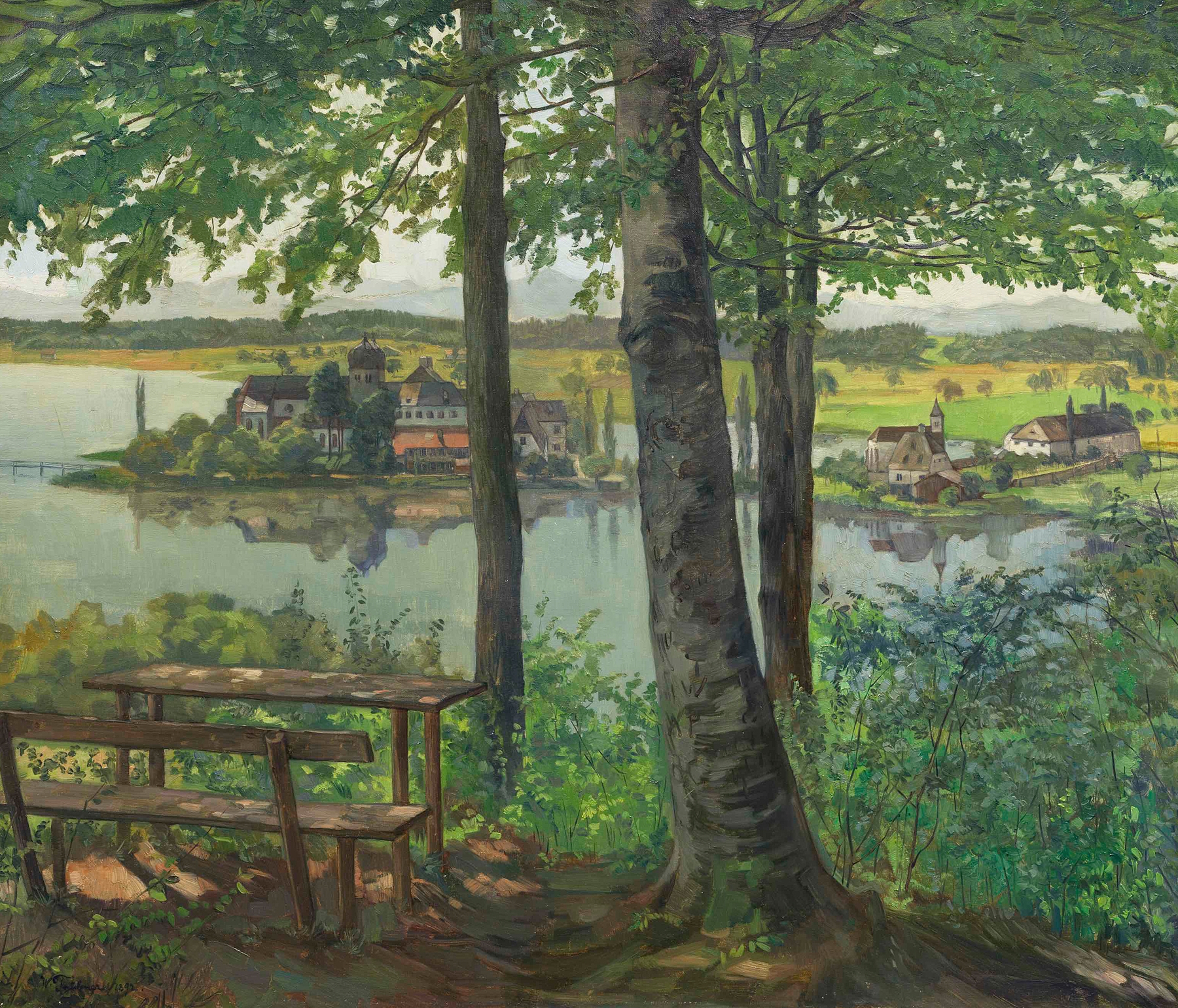
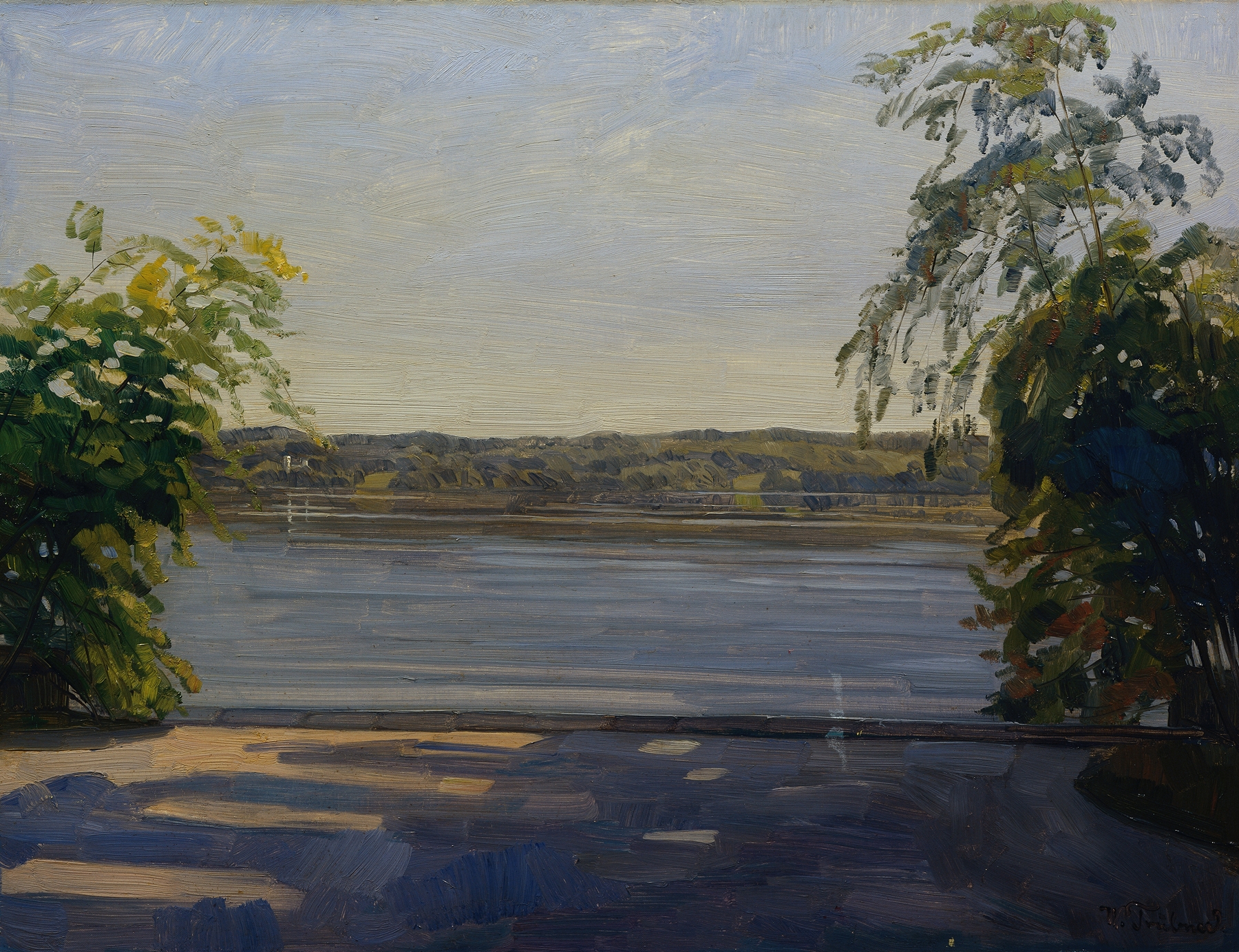
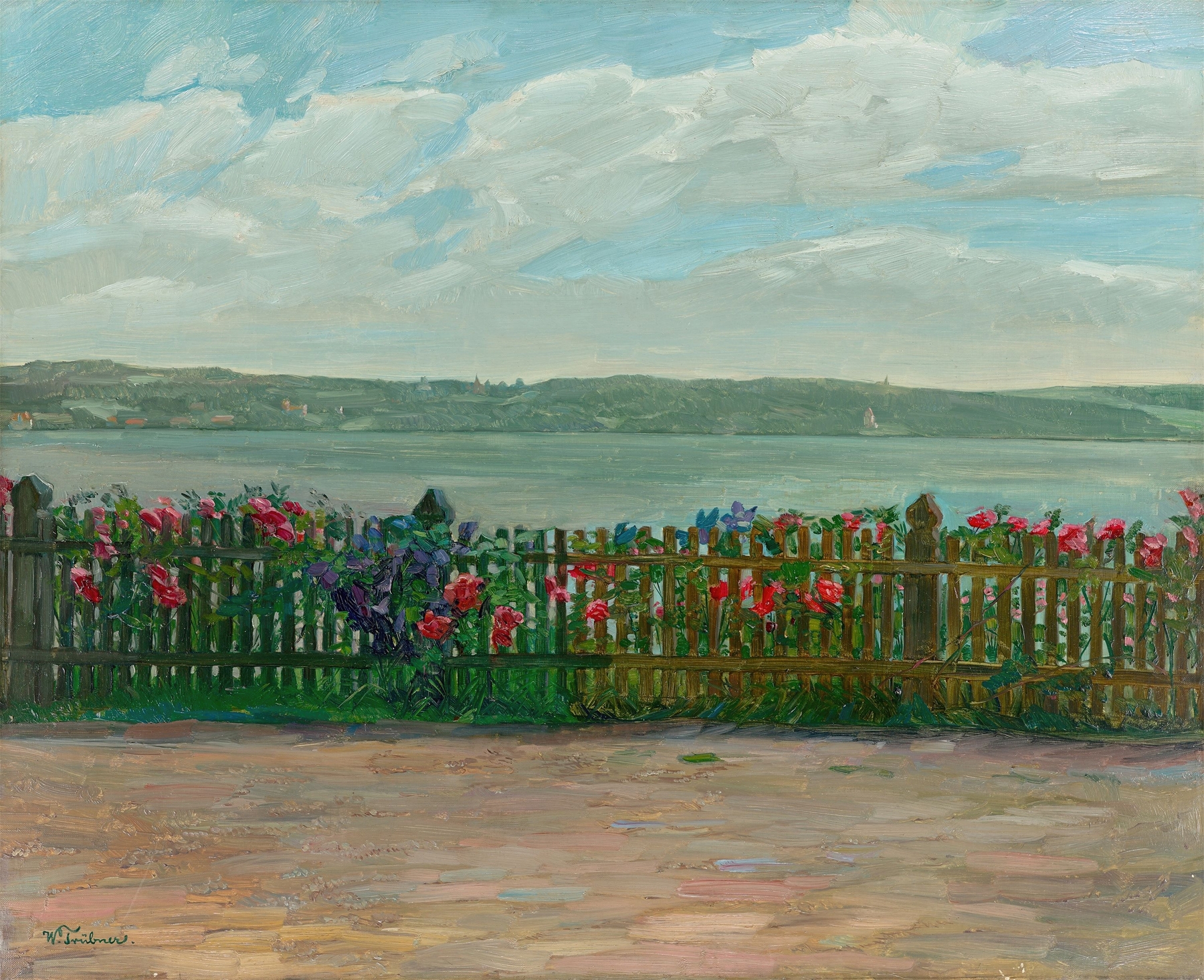
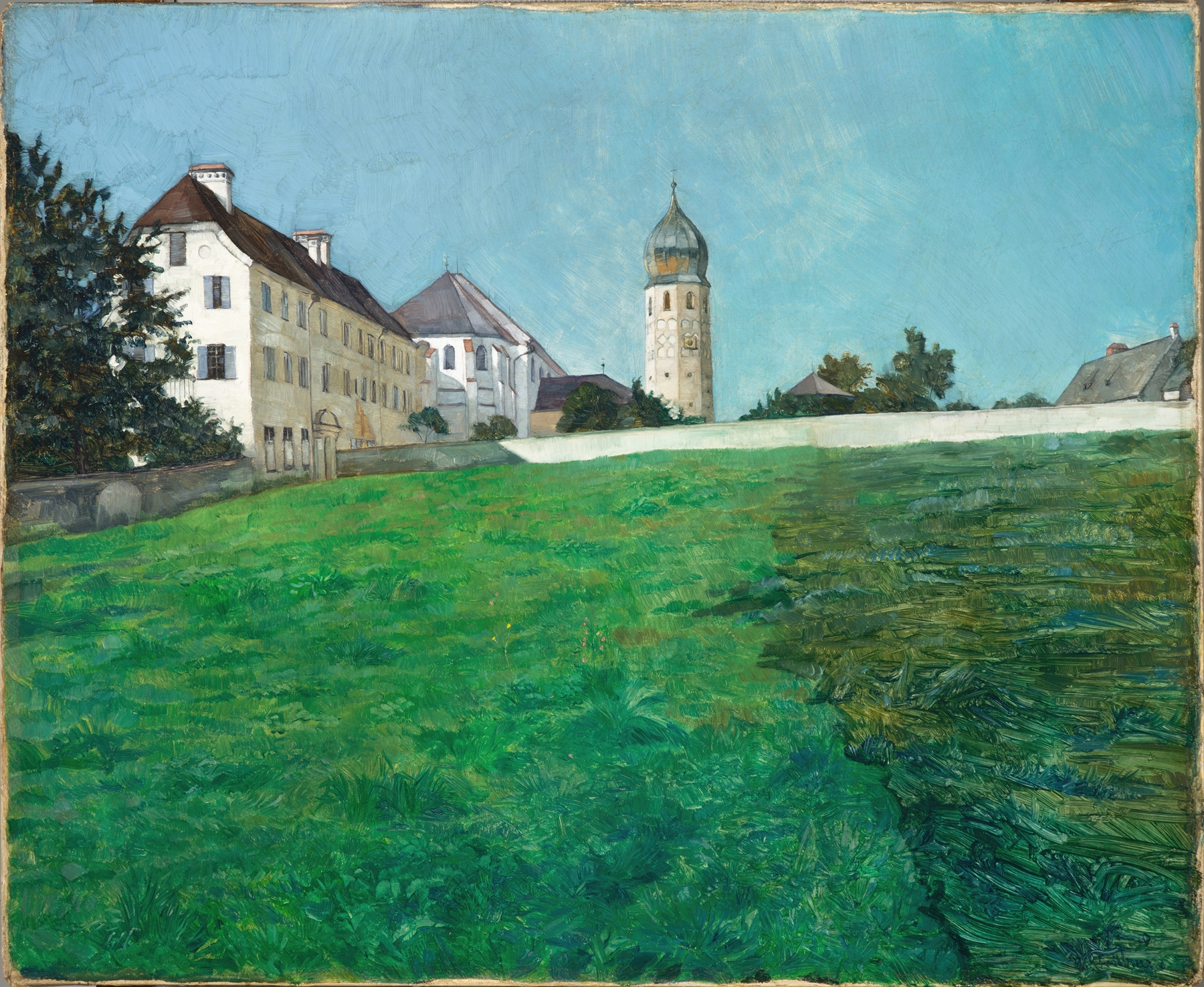
Where does light end, and longing begin? In the delicate interplay of hue and shadow, the viewer finds a silent conversation between nature and the soul's deepest yearnings. Look to the horizon where the tranquil waters of Frauenchiemsee meet the sky. The soft, shimmering blues blend effortlessly with the warm, golden tones of the setting sun, casting an ethereal glow over the landscape.
Notice how the brushstrokes vary in texture—smooth on the water, almost restless in the clouds—reflecting a serene yet charged atmosphere. The composition invites the eye to wander across the canvas, from the tranquil lake to the distant mountains, each element carefully placed to evoke a sense of peace mixed with a profound longing. Beneath the surface, this piece speaks of contrasts—the stillness of the lake juxtaposed with the dynamic movement of the clouds above. The palette captures not just the beauty of the scene, but the ache of desire for a moment that feels both ephemeral and eternal.
The light dances across the water, symbolizing hope, while the mountains stand resolutely in the background, representing the unyielding nature of dreams and aspirations. In 1891, Wilhelm Trübner painted this masterpiece during a period of personal and artistic exploration in Germany. At that time, he was deeply engaged in the Symbolist movement, which sought to convey emotional and spiritual experiences through art. This piece, created near the idyllic Frauenchiemsee, reflects not only his evolving style but also the broader artist endeavors in capturing the nuances of light and atmosphere, signifying a pivotal moment in late 19th-century art.