Autumn At Arkville — History & Analysis
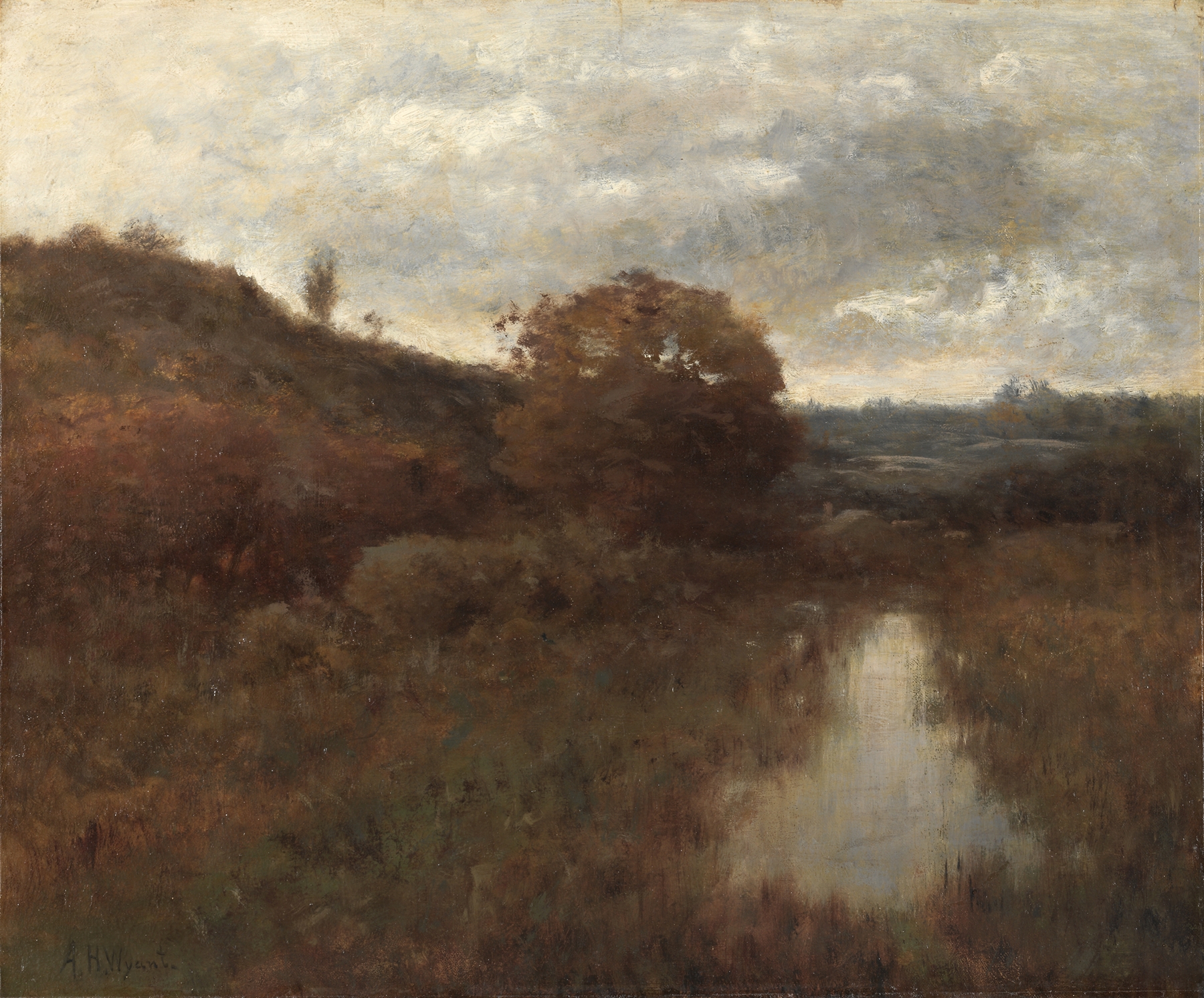
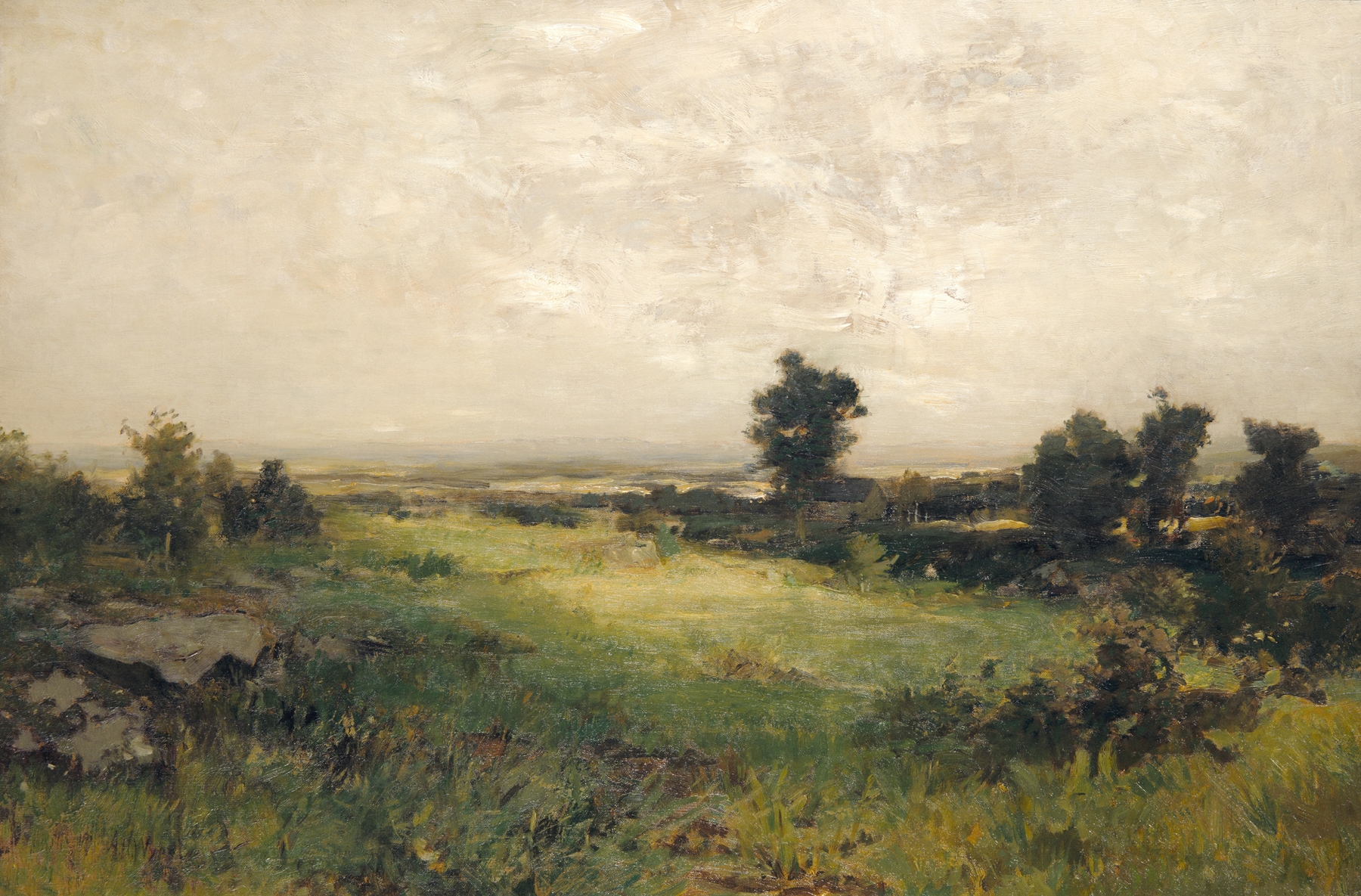
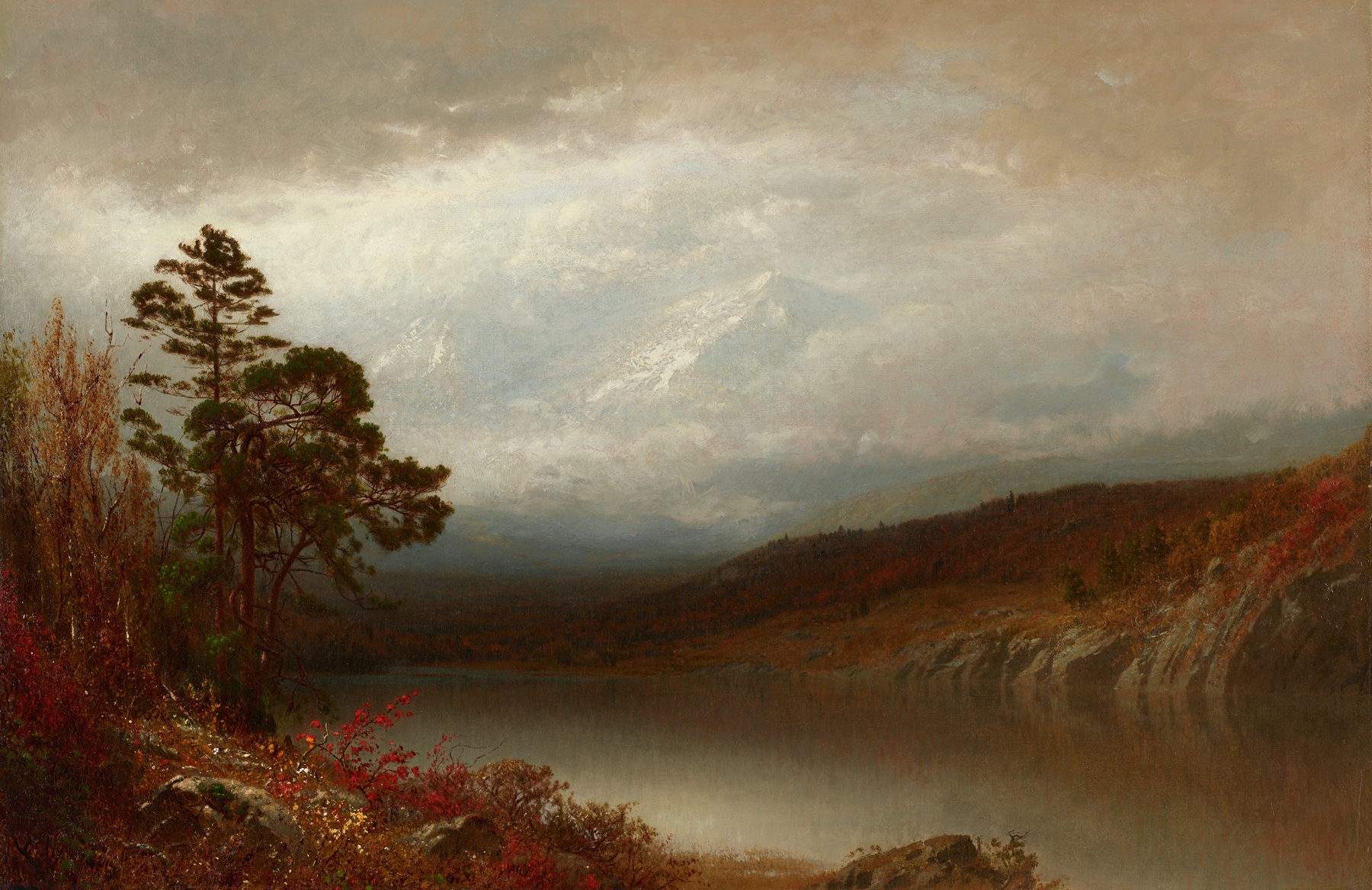
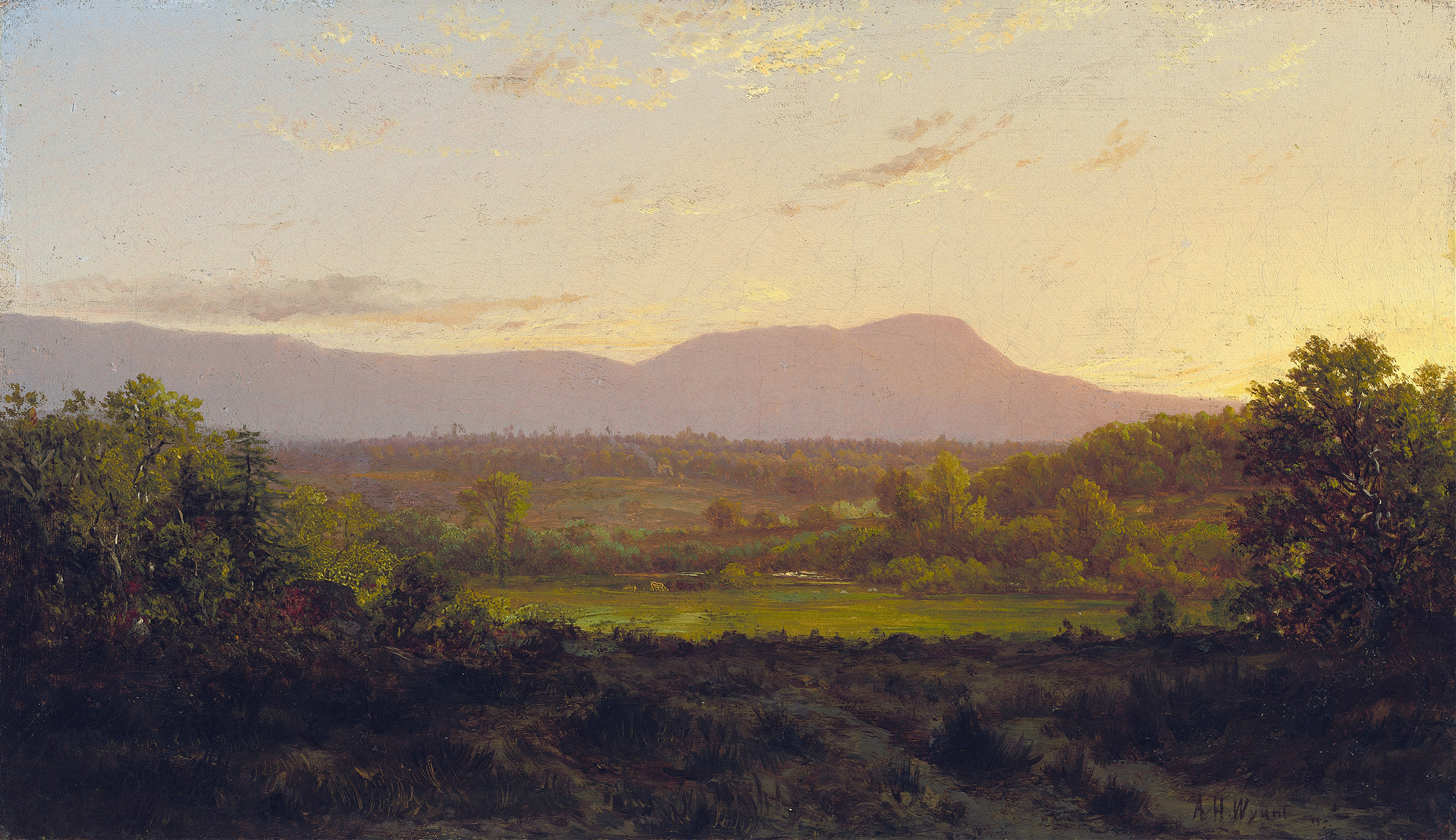
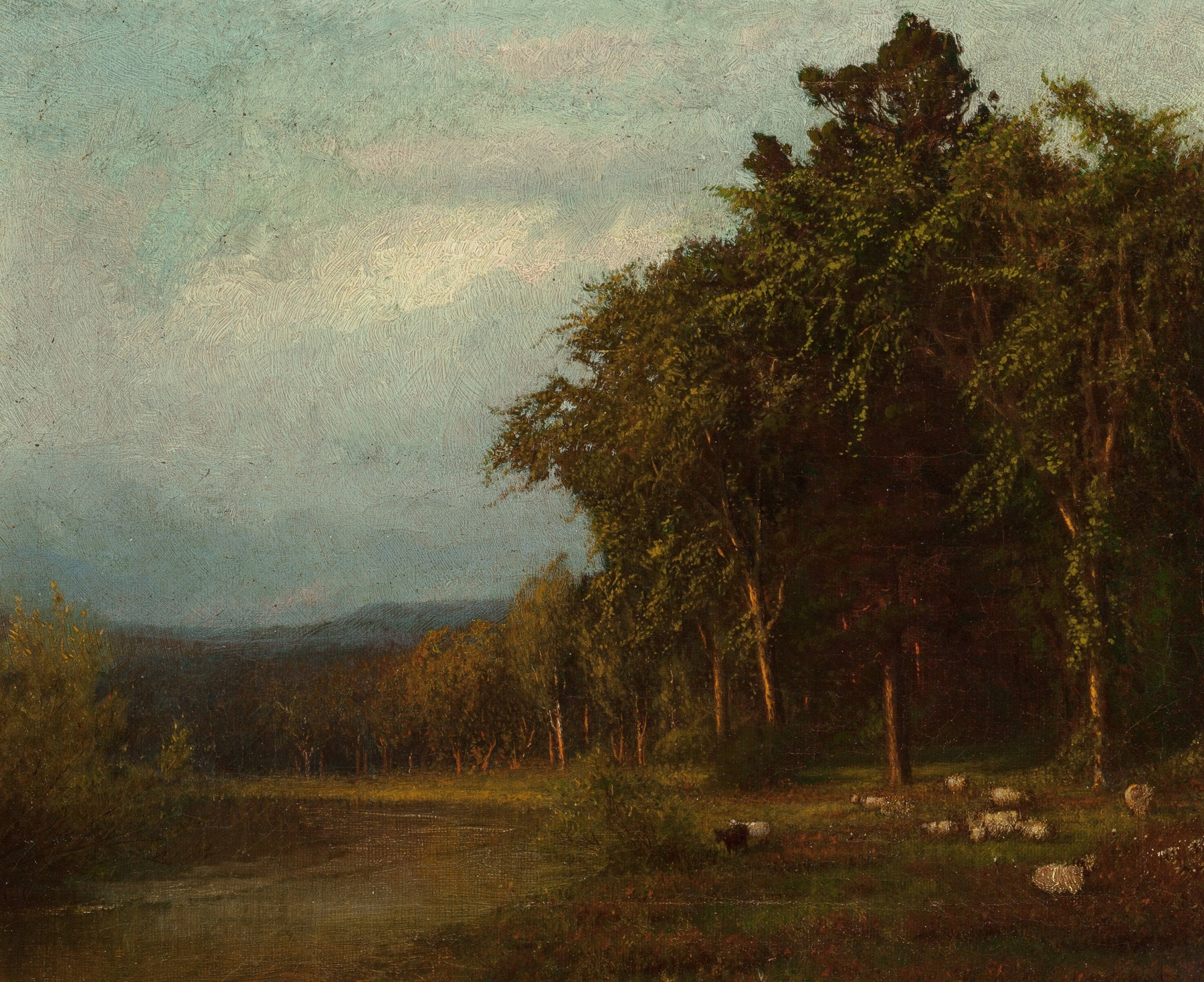
Where does light end, and longing begin? In the quiet embrace of a late autumn afternoon, nature transitions from vibrant hues to muted whispers, embodying the bittersweet essence of betrayal woven into the fabric of time. Look to the left at the trees, their leaves ablaze with warm oranges and golds, yet few cling stubbornly to their branches, hinting at loss. The horizon glows softly, a retreating sun casting long shadows over a serene landscape, inviting the viewer to linger, to mourn and to reflect.
The layers of color are applied with a delicate hand—each stroke reveals a masterful understanding of both light and texture, as the sky fades into cooler tones that evoke a sense of isolation. Delve deeper, and notice the subtle interplay of light and shadow, which serves not only to illuminate but to conceal. The interplay evokes a sense of betrayal, with the vibrant colors of life giving way to the inevitable descent into the cold embrace of winter.
An unseen presence seems to haunt the landscape; perhaps a memory of what once was, a reminder of fleeting beauty and the passage of time. This piece emerged during a time of personal evolution for its creator, who painted it in the late 19th century, likely while grappling with the shifting currents of the American art scene. As a member of the Hudson River School, he sought to express the profound connection between humanity and nature, yet it was also a period marked by rapid industrialization, creating a tension between the natural world and encroaching change.