Bacino di San Marco, Venice — History & Analysis
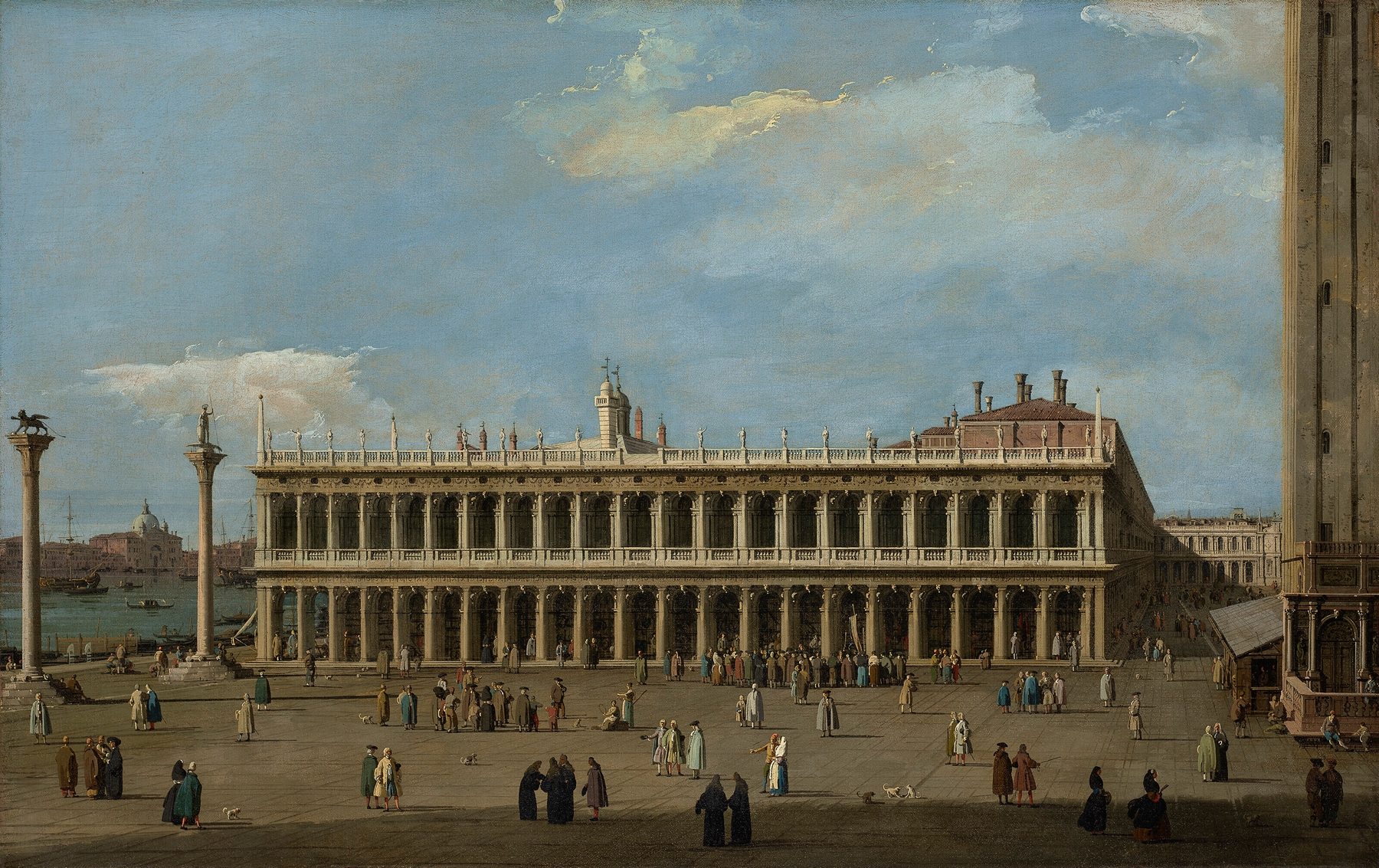
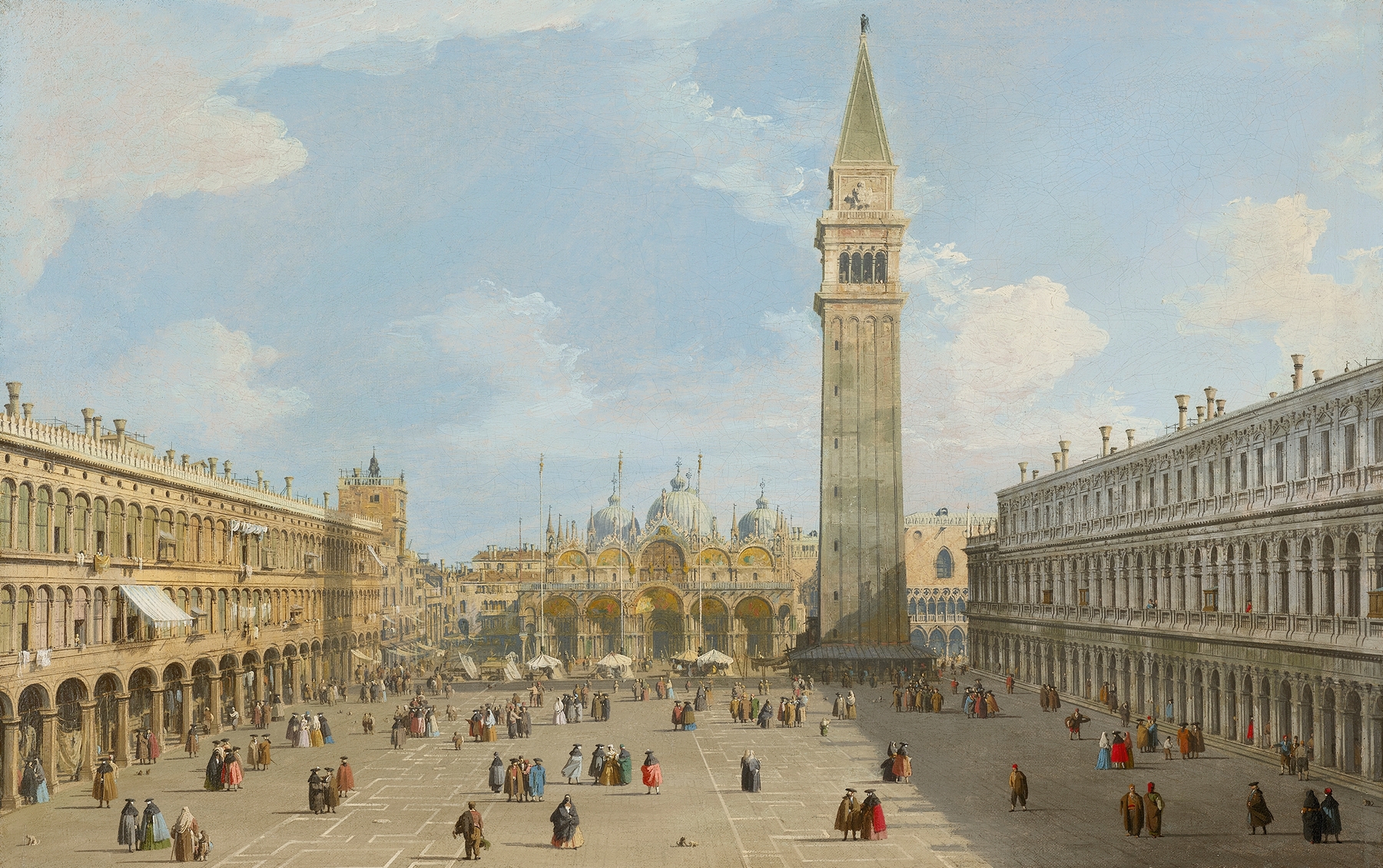
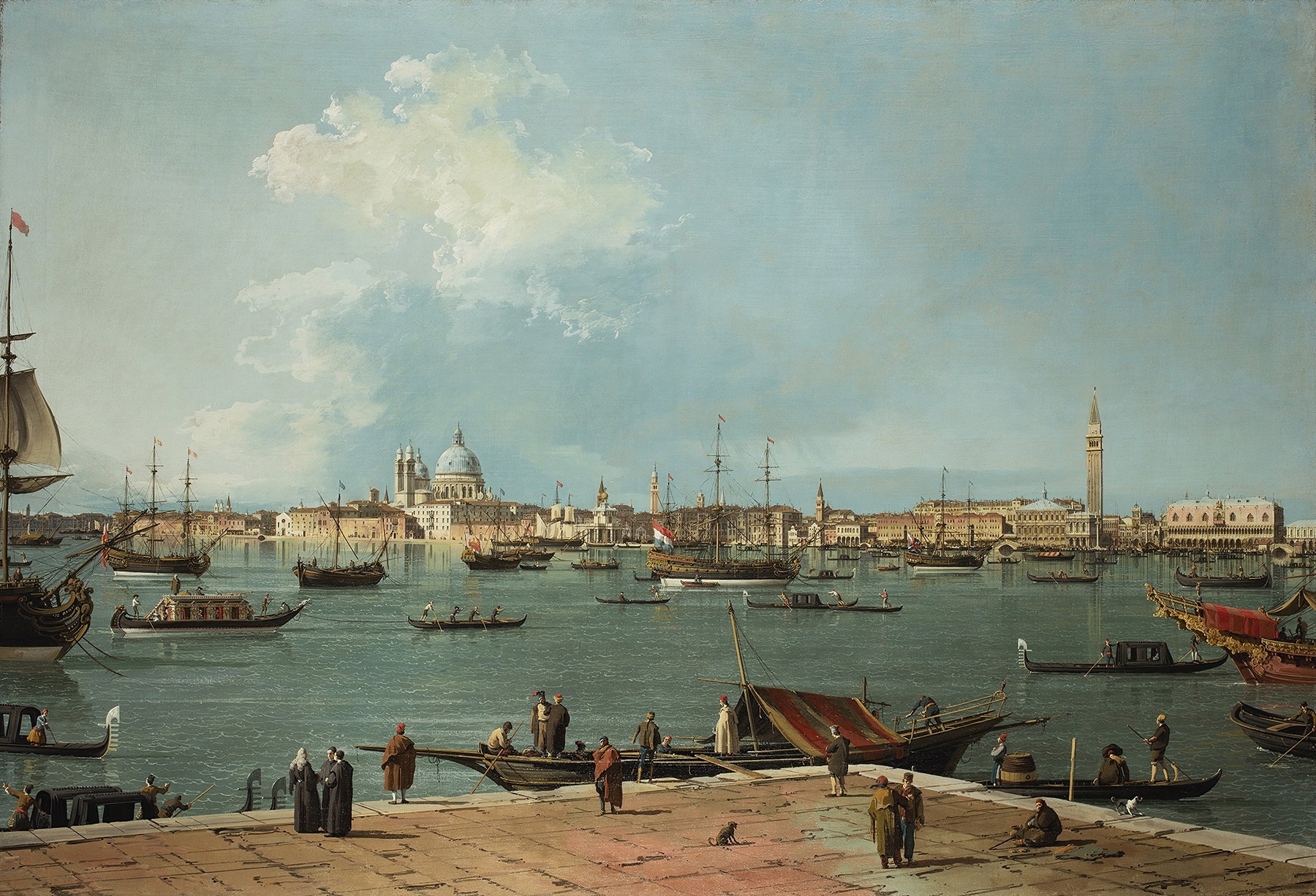
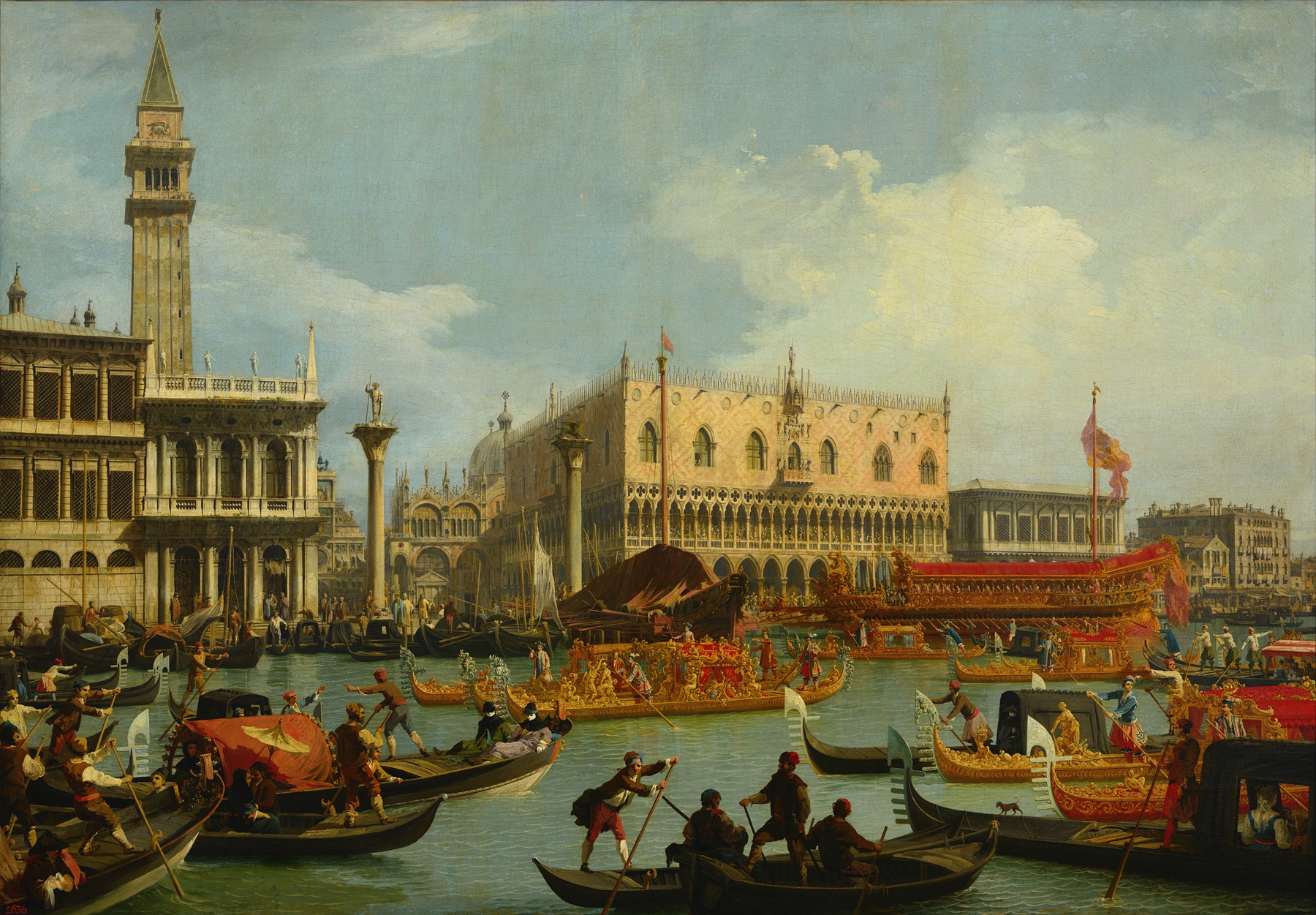
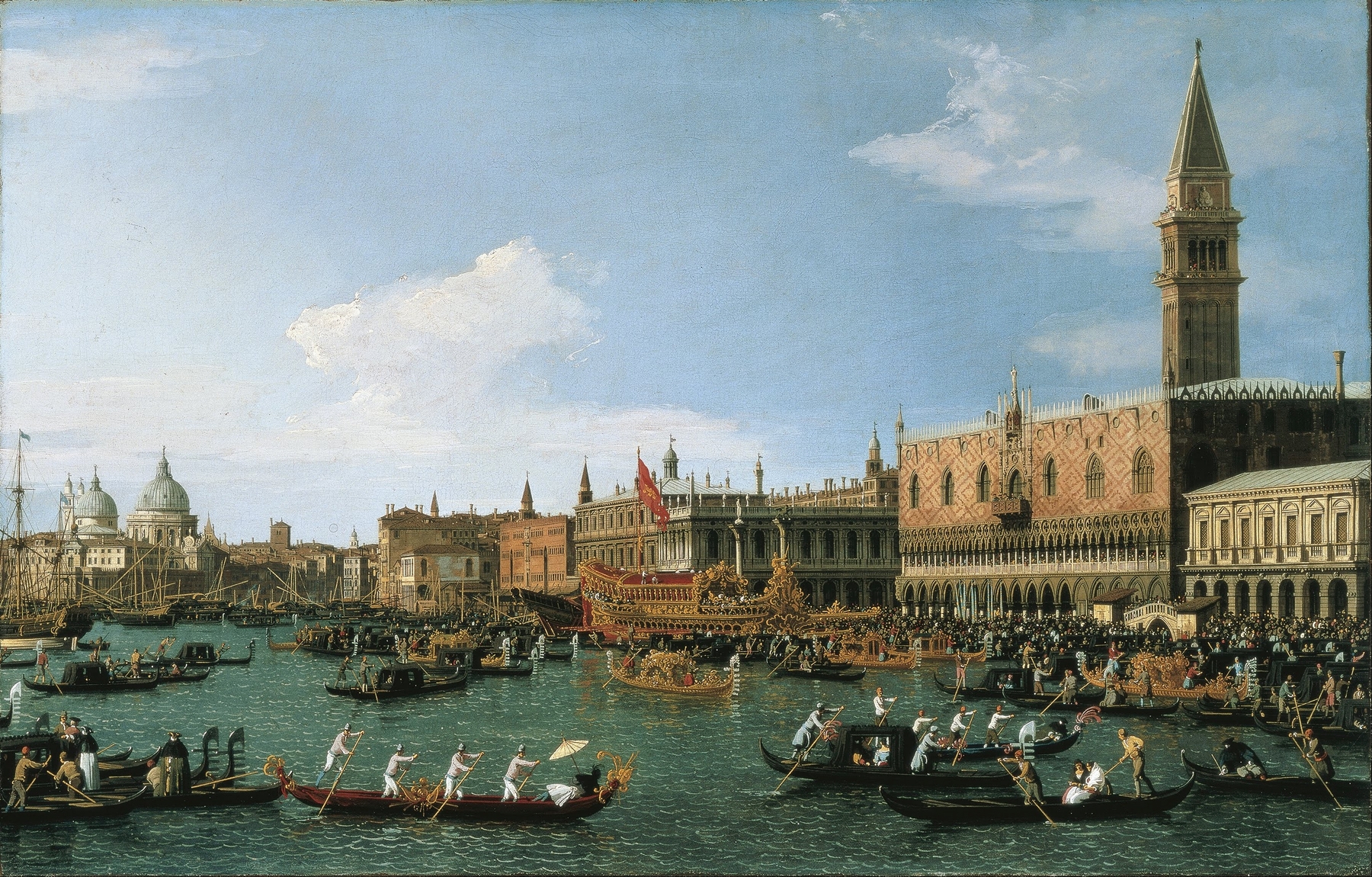
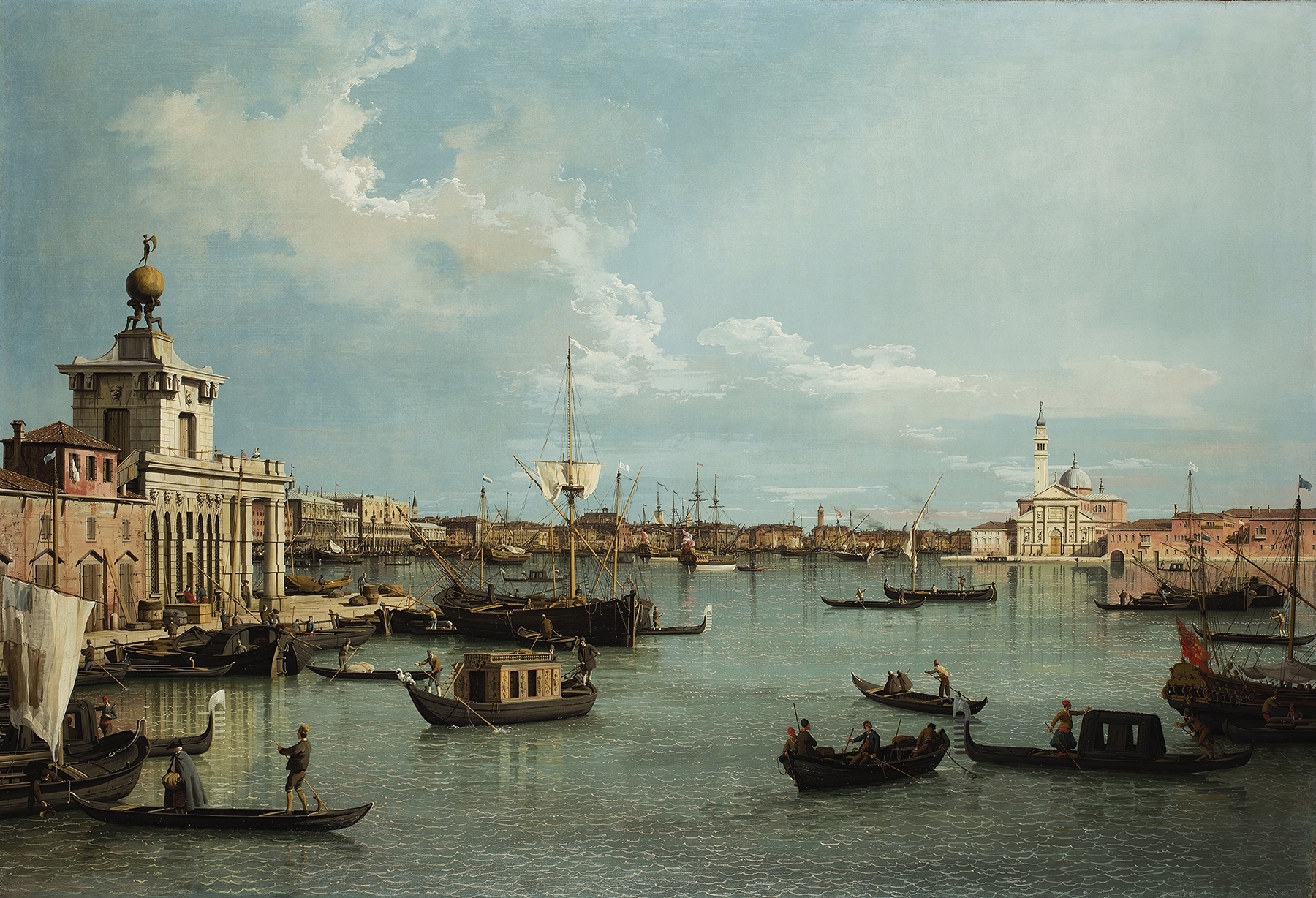
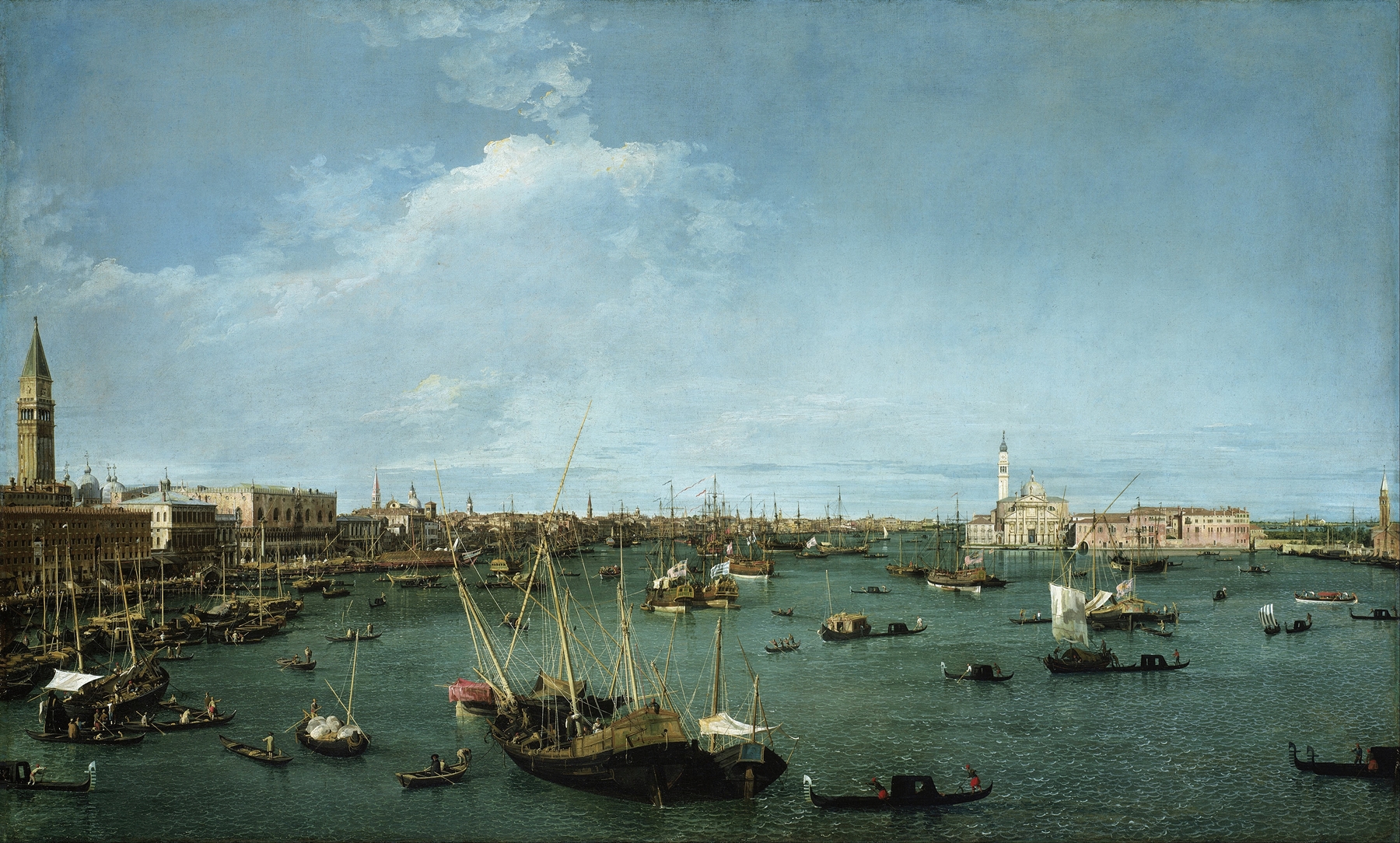
“Art reveals the soul when the world turns away.” In the bustling heart of Venice, a luminous innocence lingers over the shimmering waters, inviting the viewer to rediscover the beauty that often goes unnoticed in the chaos of life. Look to the left at the elegant lines of the buildings that wrap around the Bacino di San Marco, their reflections dancing lightly on the canal's surface. Notice how Canaletto captures the warm golden hues of a late afternoon sun spilling over the architecture, the delicate brushwork bringing texture to both the water and the facades. The composition draws your gaze towards the imposing silhouette of St.
Mark's Basilica, a masterpiece of intricate details that stands watch over the daily lives unfolding below. Deeper insights reveal a gentle contrast between the vibrant activity of boats and figures populating the scene and the serene presence of the Basilica. Each vessel appears to glide effortlessly, yet the muted colors of the sky evoke a sense of fleeting time, reminding us of innocence's ephemeral nature. The scene whispers to the viewer about the harmony between human existence and the divine, inviting contemplation of the world’s beauty as it exists within moments of stillness.
In 1738, the artist painted this work while residing in Venice, a city that had become a vibrant center for the arts during the Baroque period. Canaletto was experiencing significant success, as his paintings captured not only the city's architectural grandeur but also the essence of its daily life. This period marked a shift in his style, emphasizing clarity and perspective, as he sought to immortalize the city’s spirit in the face of impending change.