Venice, the Bacino di San Marco from the Canale della Giudecca — History & Analysis
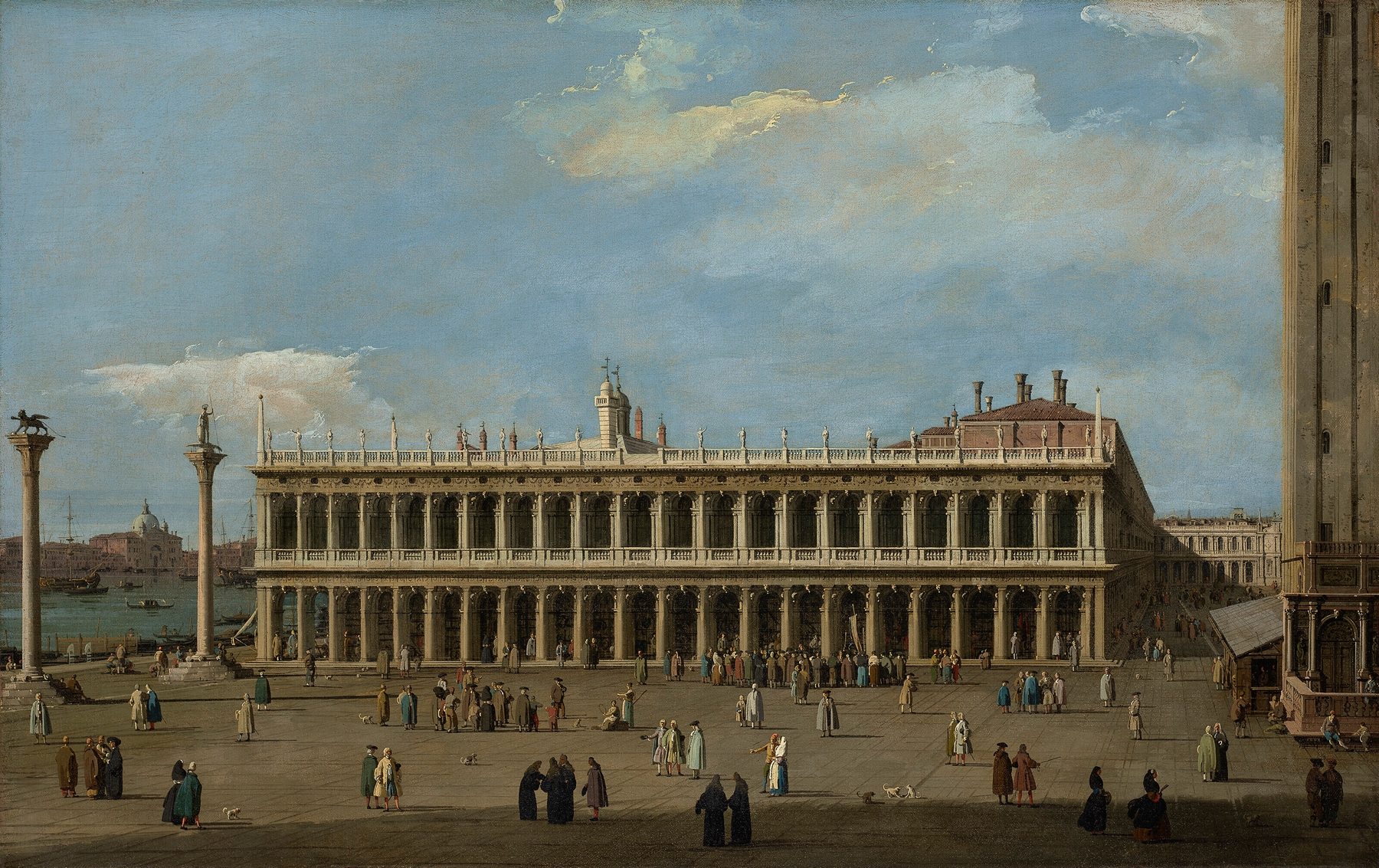
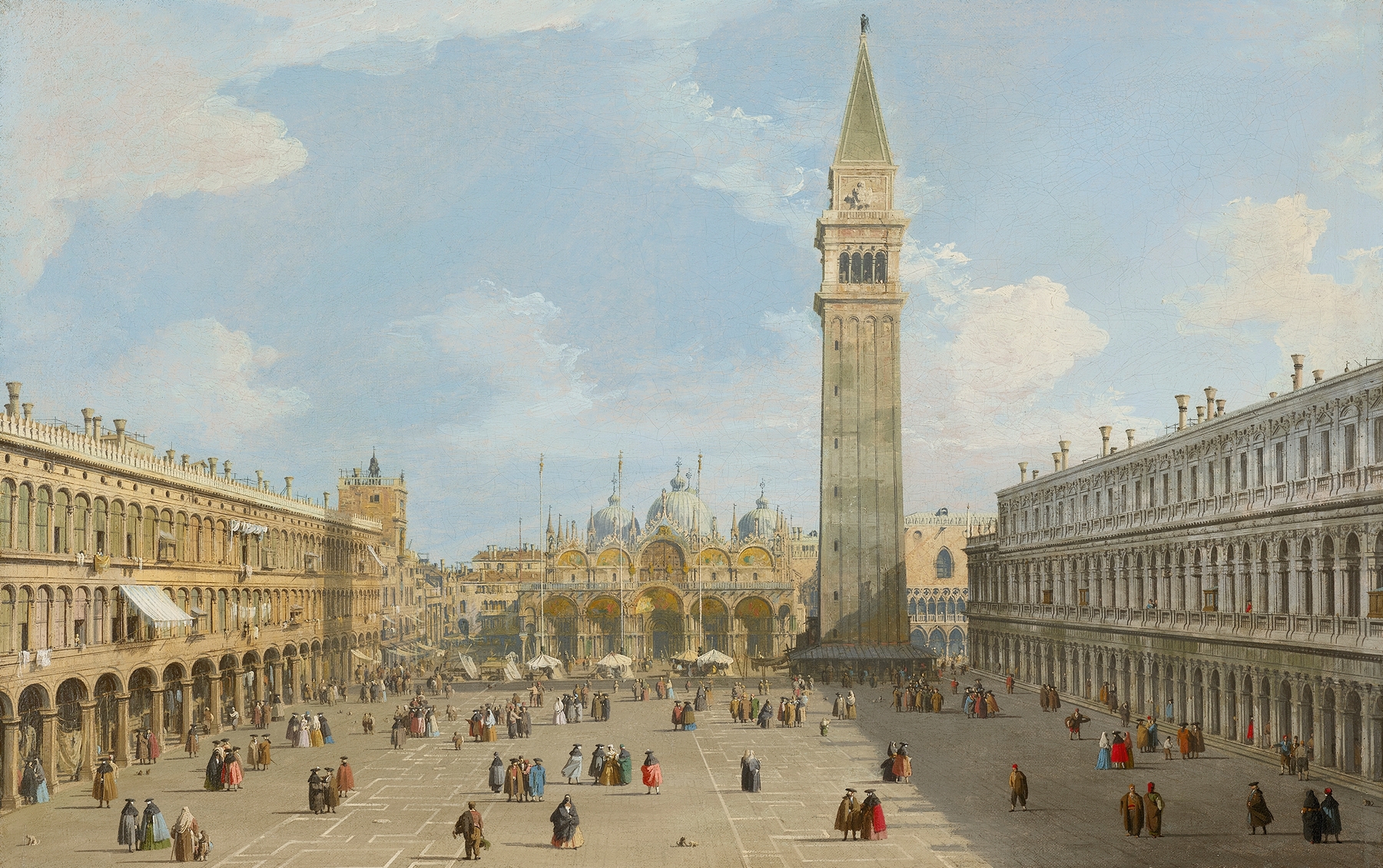
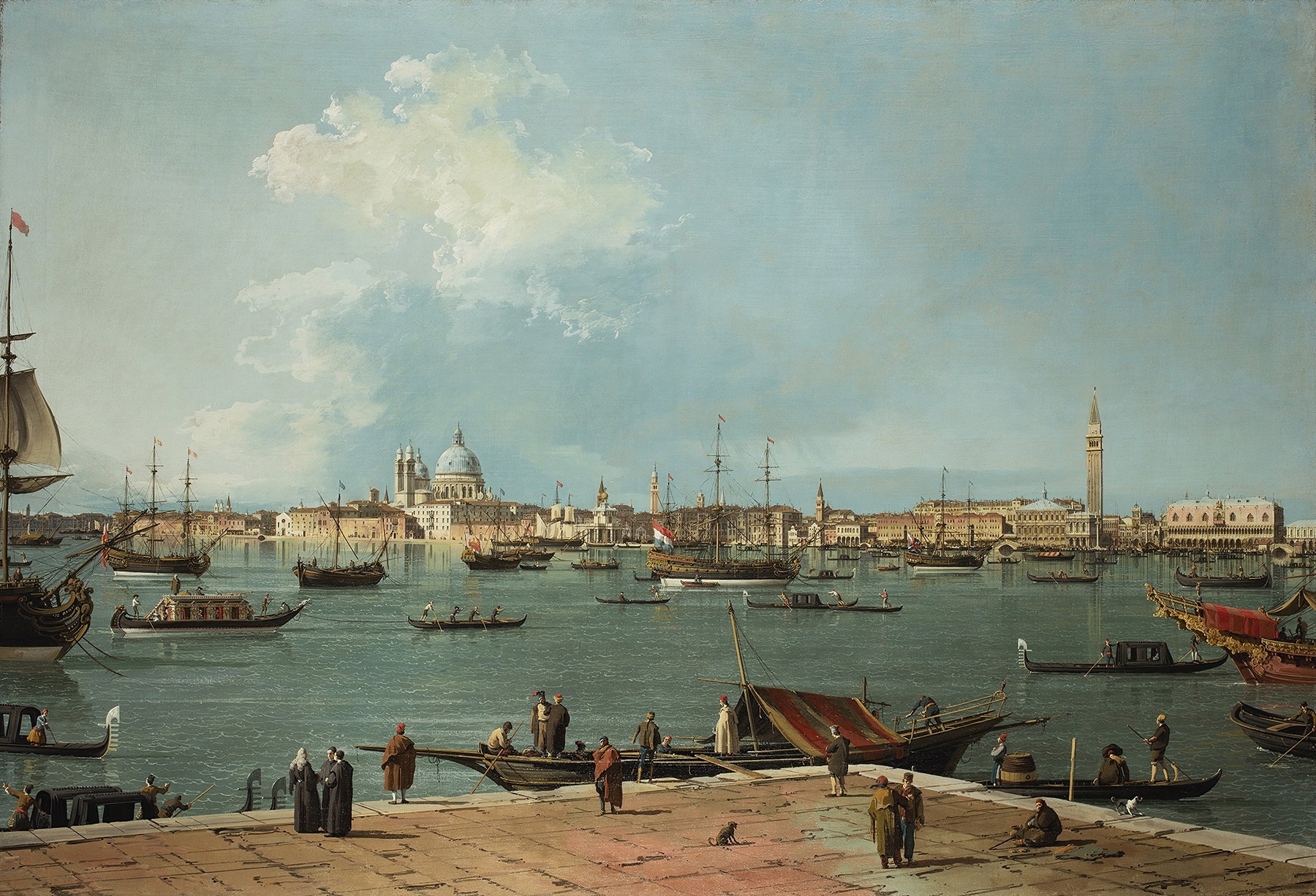
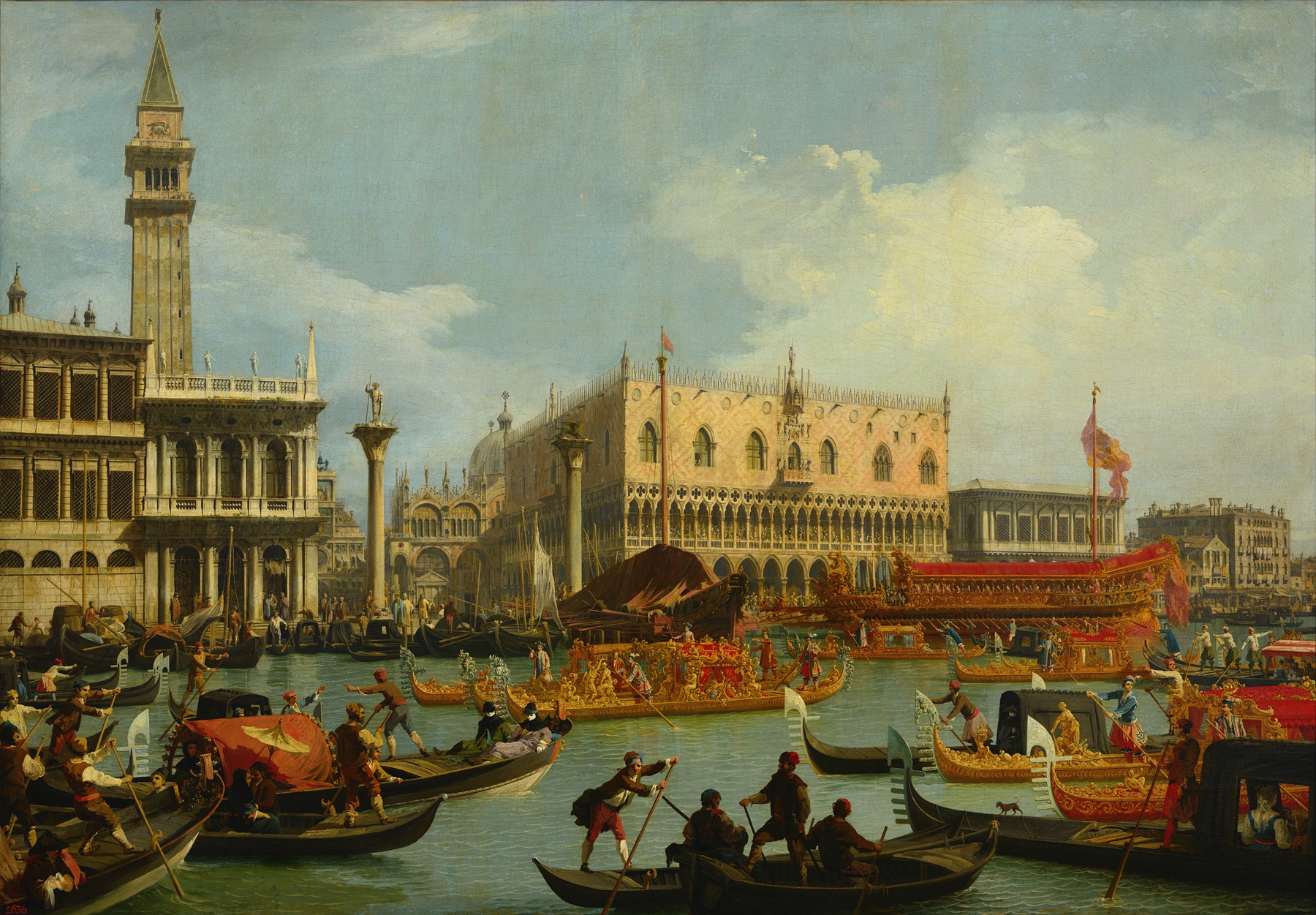
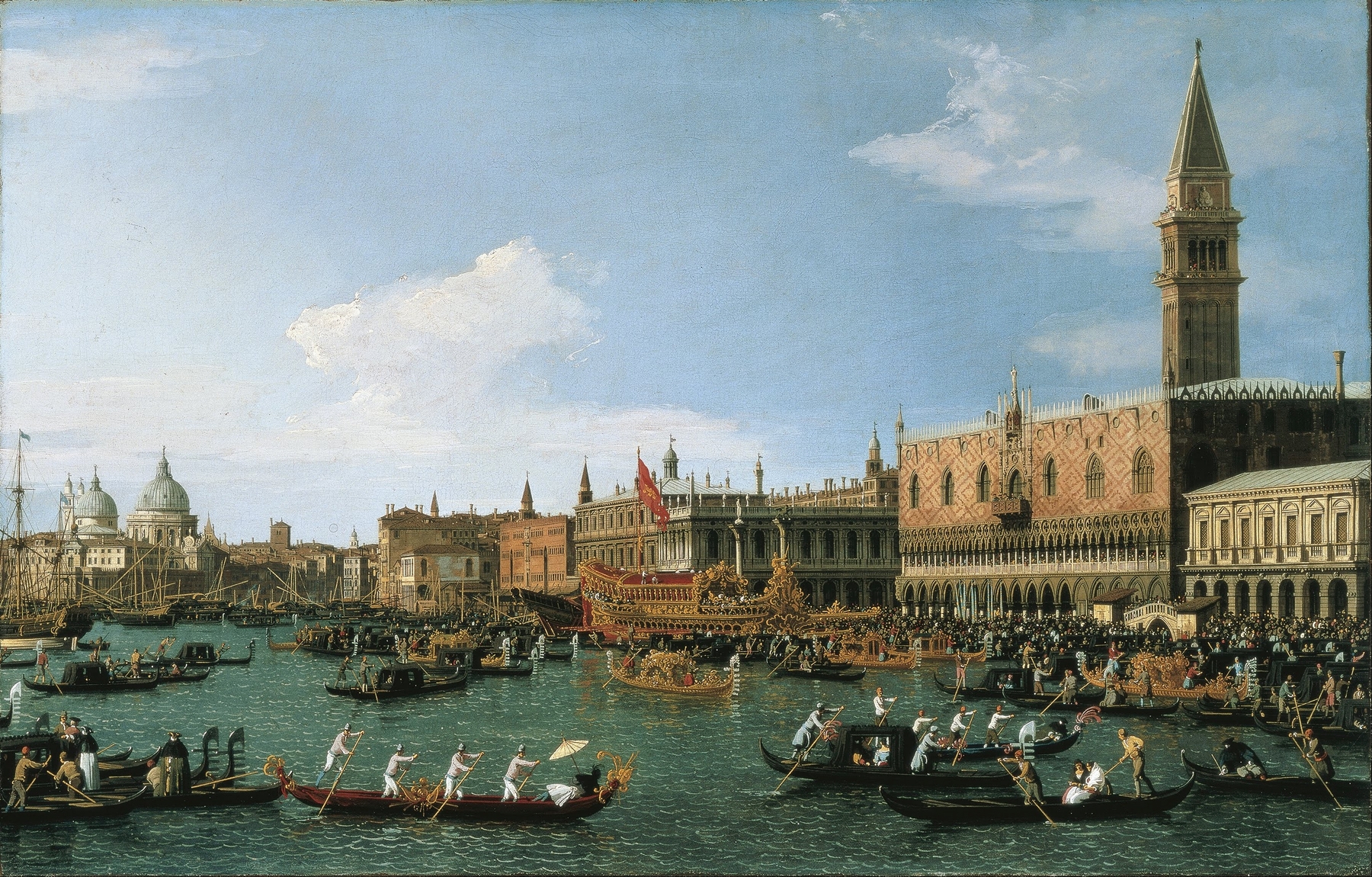
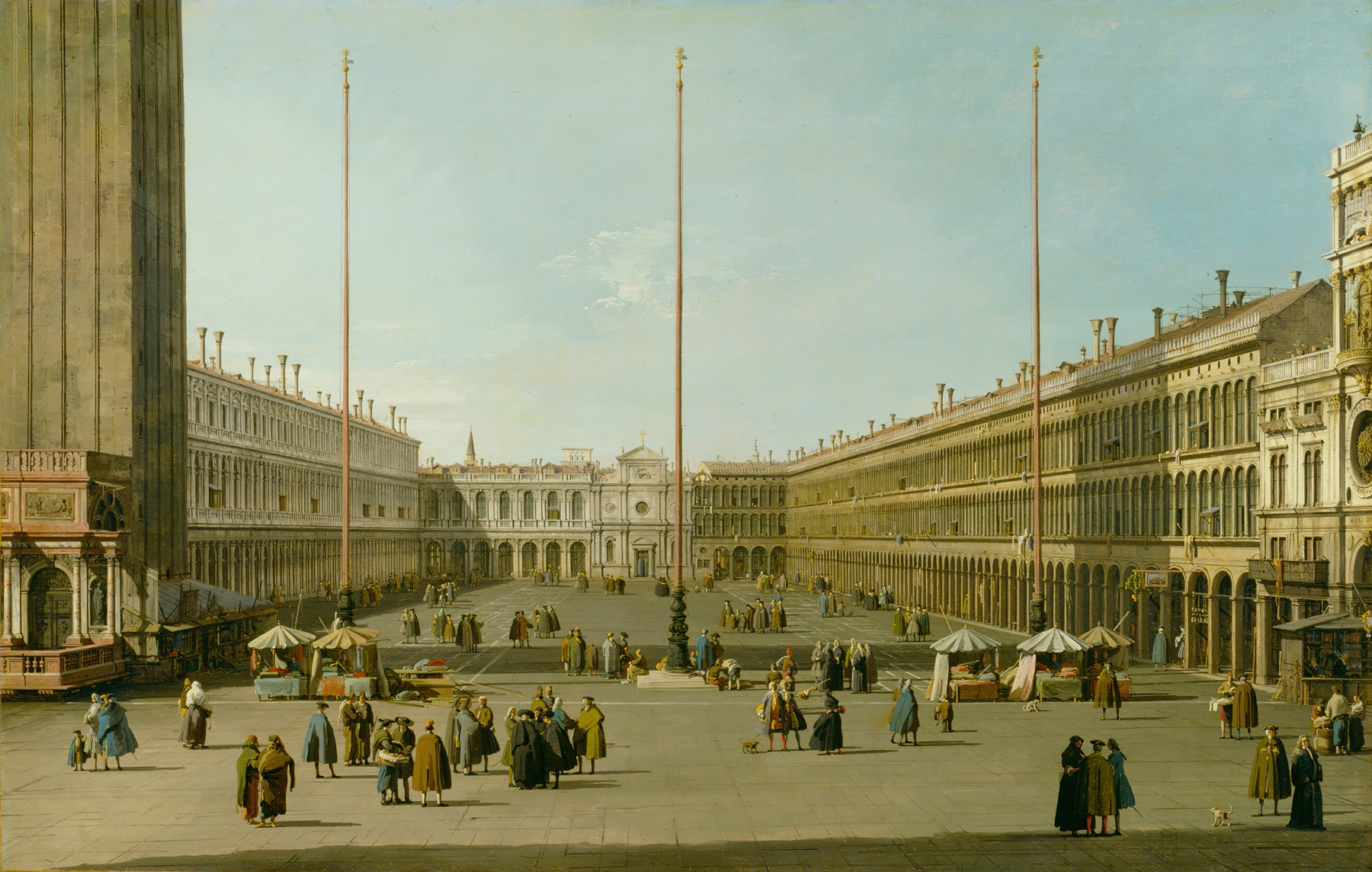
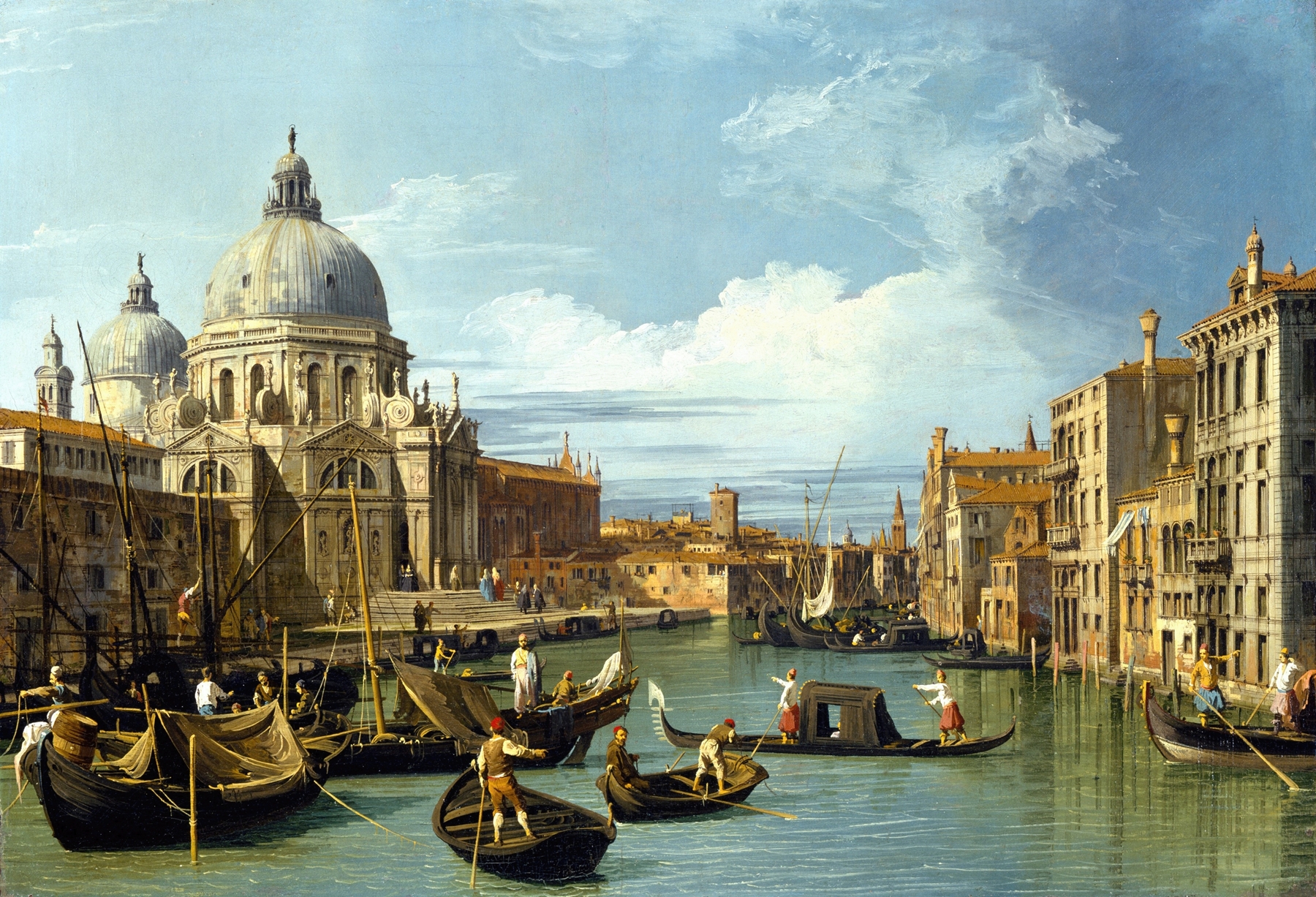
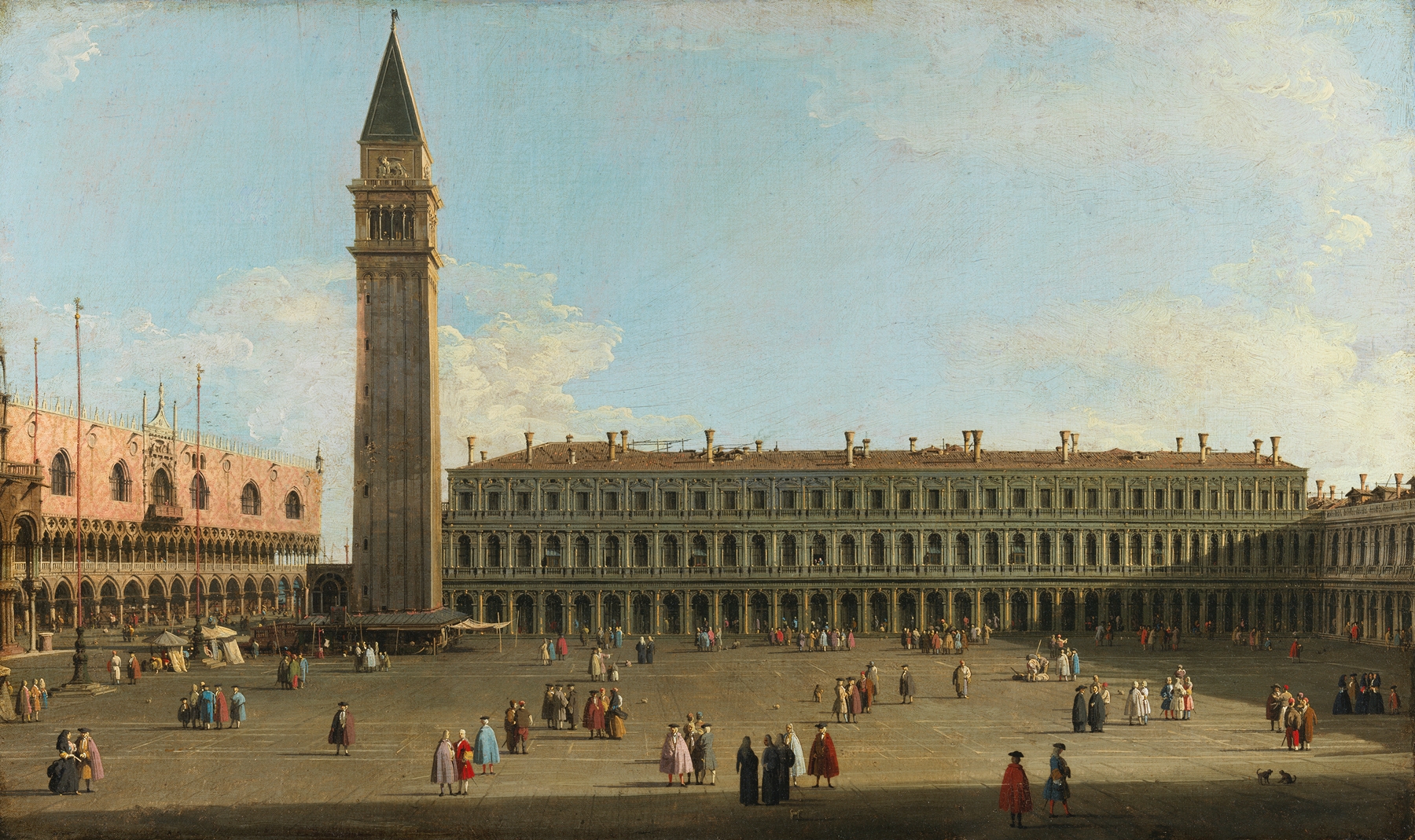
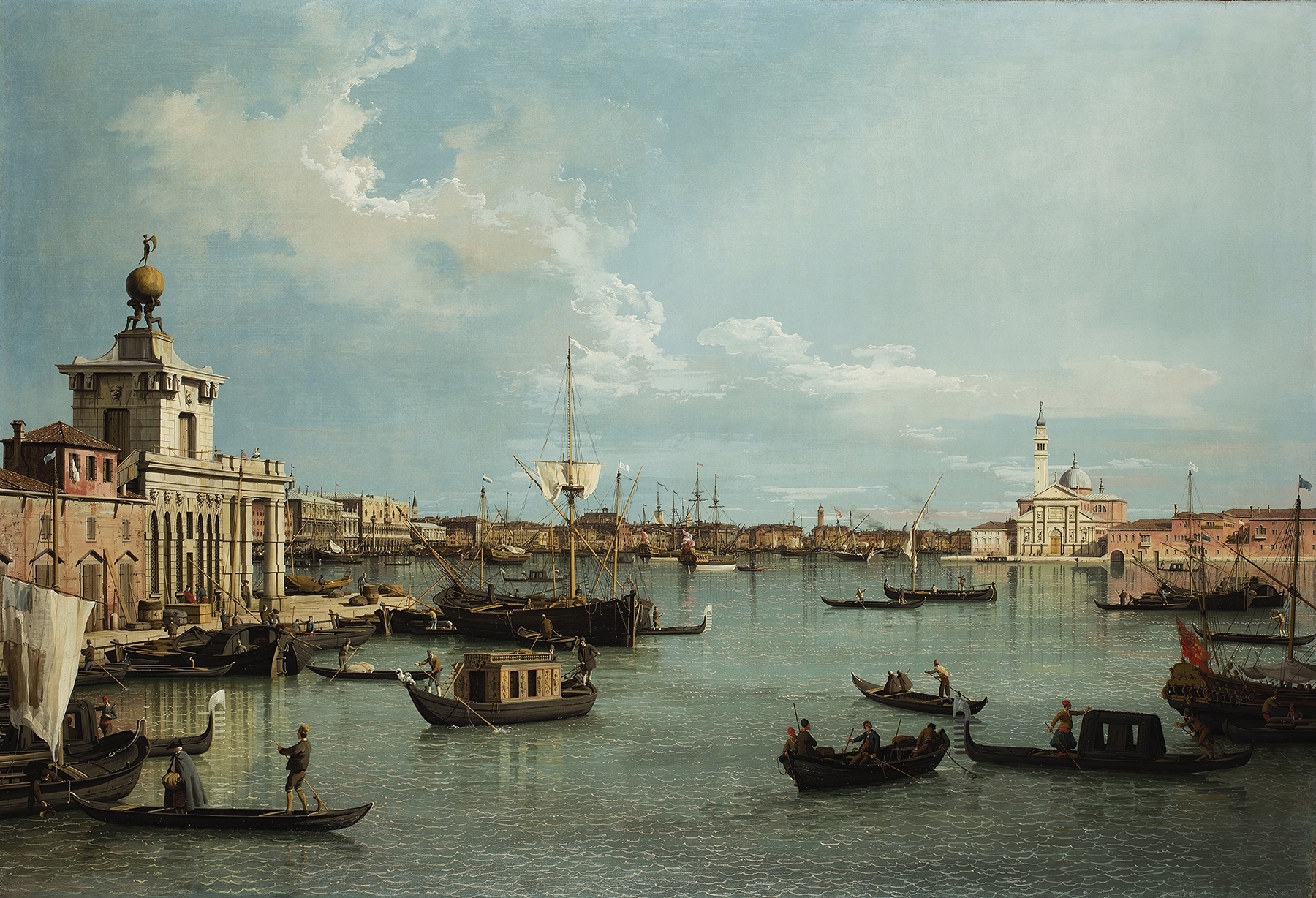
“Every brushstroke is a heartbeat remembered.” In *Venice, the Bacino di San Marco from the Canale della Giudecca*, the artist captures the very essence of reflection—both physical and metaphorical. The tranquil waters of the Bacino mirror the architectural splendor of Venice, inviting the viewer to contemplate the interplay between reality and its representation. Look to the left at the graceful silhouette of the Basilica di San Marco, its ornate domes and gilded details intricately rendered. The light dances upon the water's surface, illuminating the various shades of blue and gold that breathe life into the scene. Notice how the boats, gently bobbing in the foreground, create a rhythm, echoing the vibrant energy of the city while framing the serene backdrop, drawing your eye deeper into the composition. The contrast between the stillness of the water and the bustling activity of the boats suggests a world in balance, where serenity coexists with the vivacity of life. Small figures, lost in their journeys, hint at the stories of countless individuals navigating this historic backdrop. The reflective quality of the water not only serves as a literal mirror but also symbolizes the duality of Venice itself—its beauty and its impermanence, leaving the viewer to ponder the passage of time. Canaletto painted this masterpiece between 1735 and 1744, during a period when Venice was thriving yet facing the challenges of changing politics and commerce. Known for his meticulous attention to detail and atmospheric perspective, the artist was at the forefront of the Venetian veduta genre, capturing the city's allure for both local and visiting nobility while immortalizing its iconic landmarks against the backdrop of a bustling maritime environment.