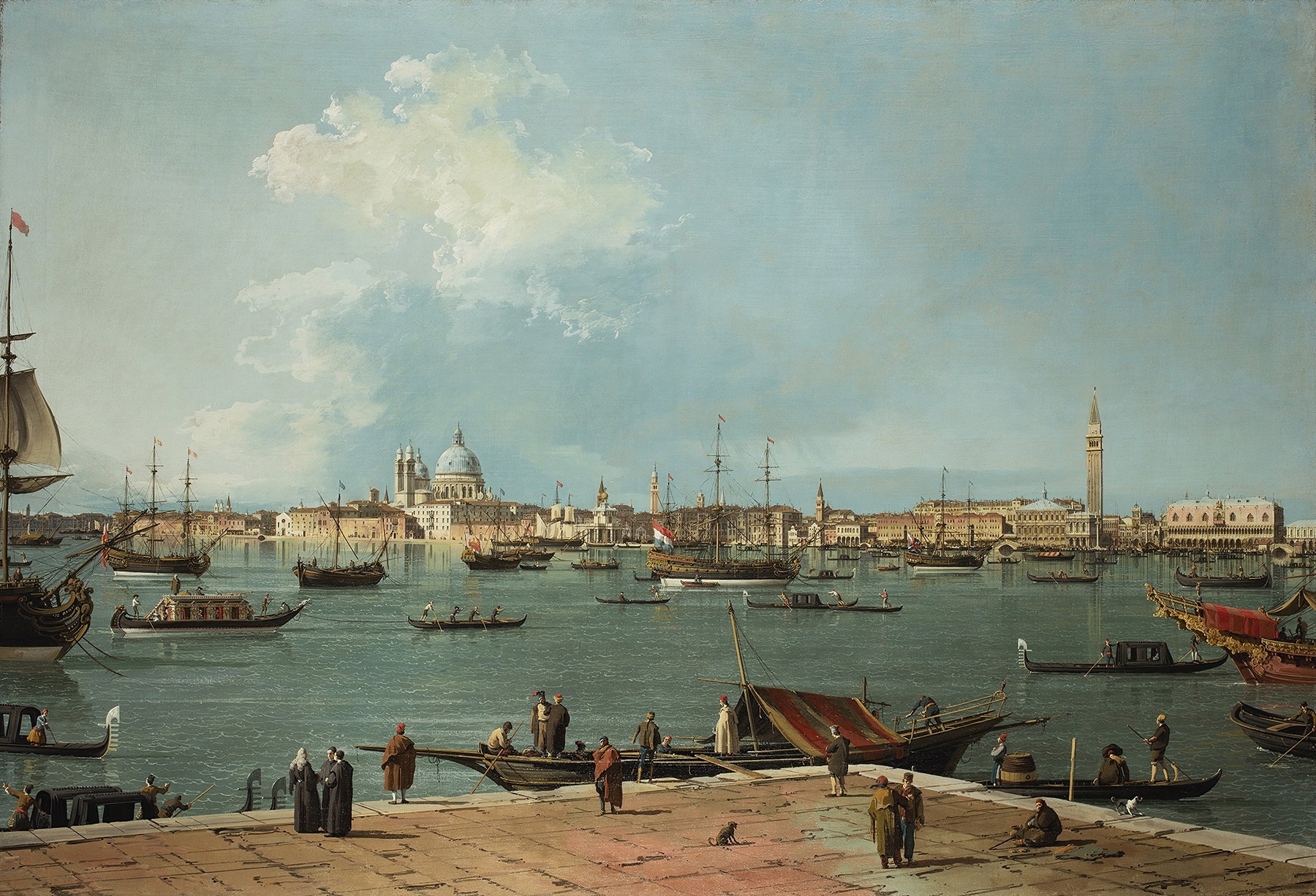
Venice, the Bacino di San Marco from San Giorgio Maggiore — History & Analysis
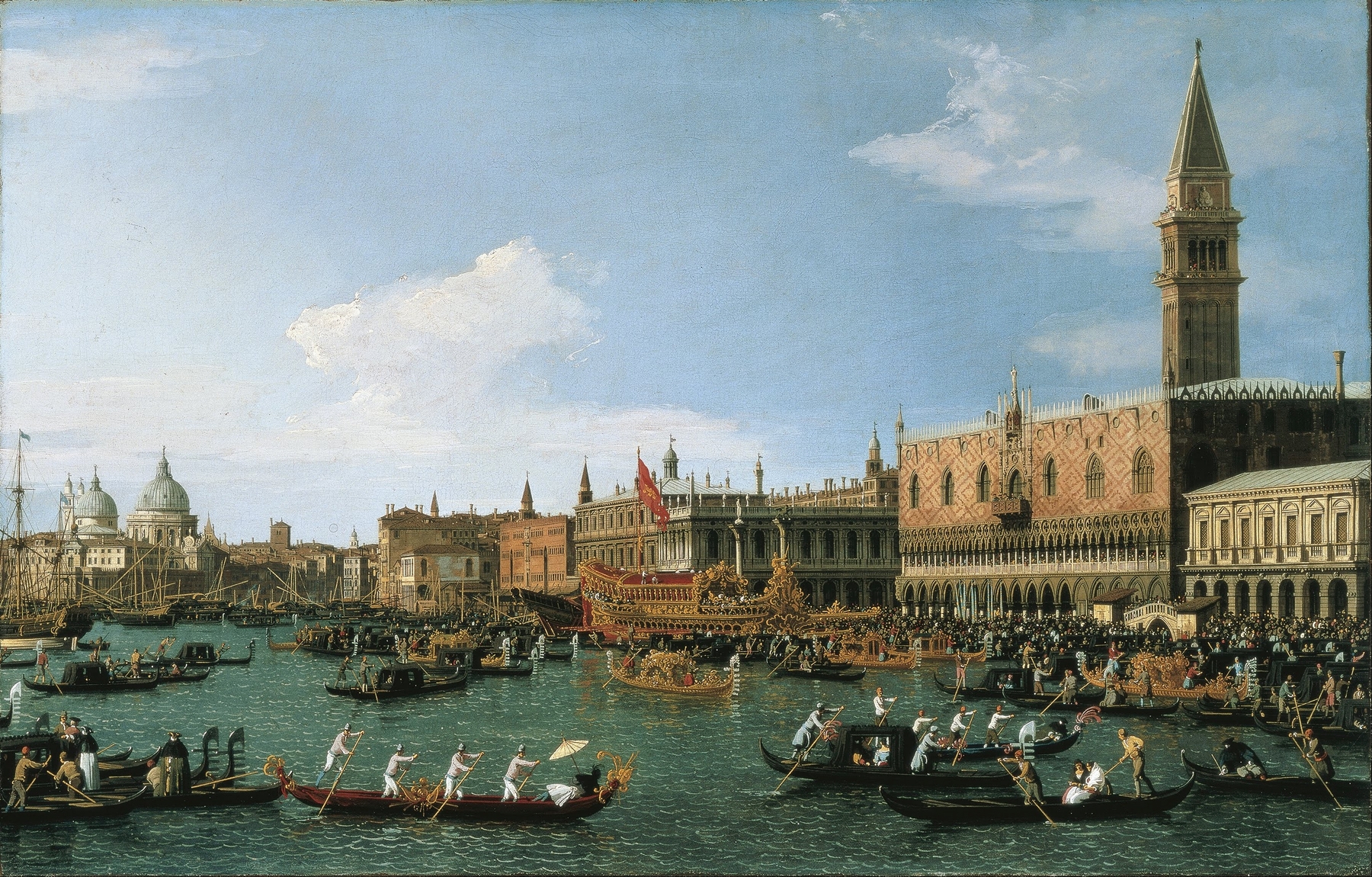
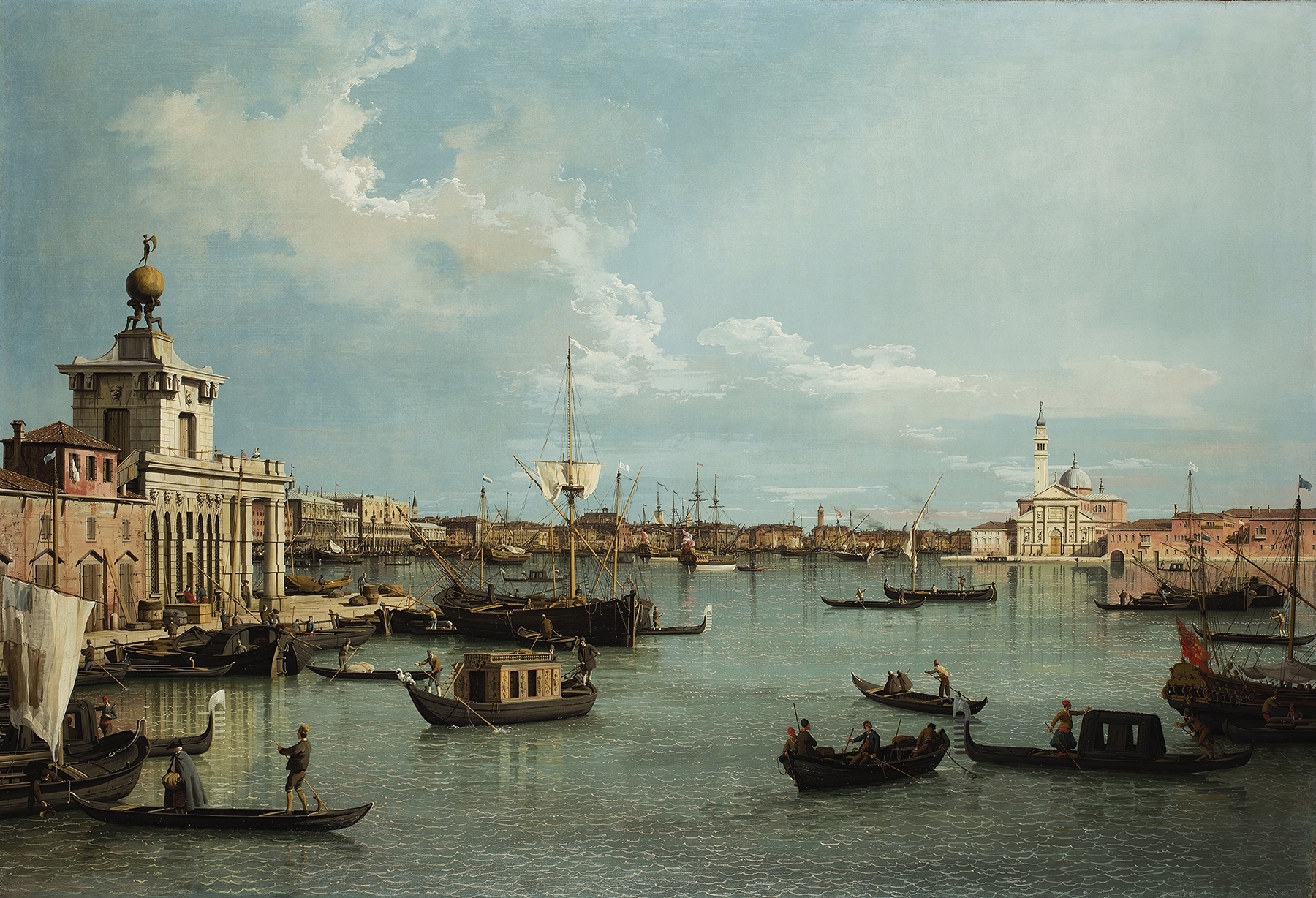
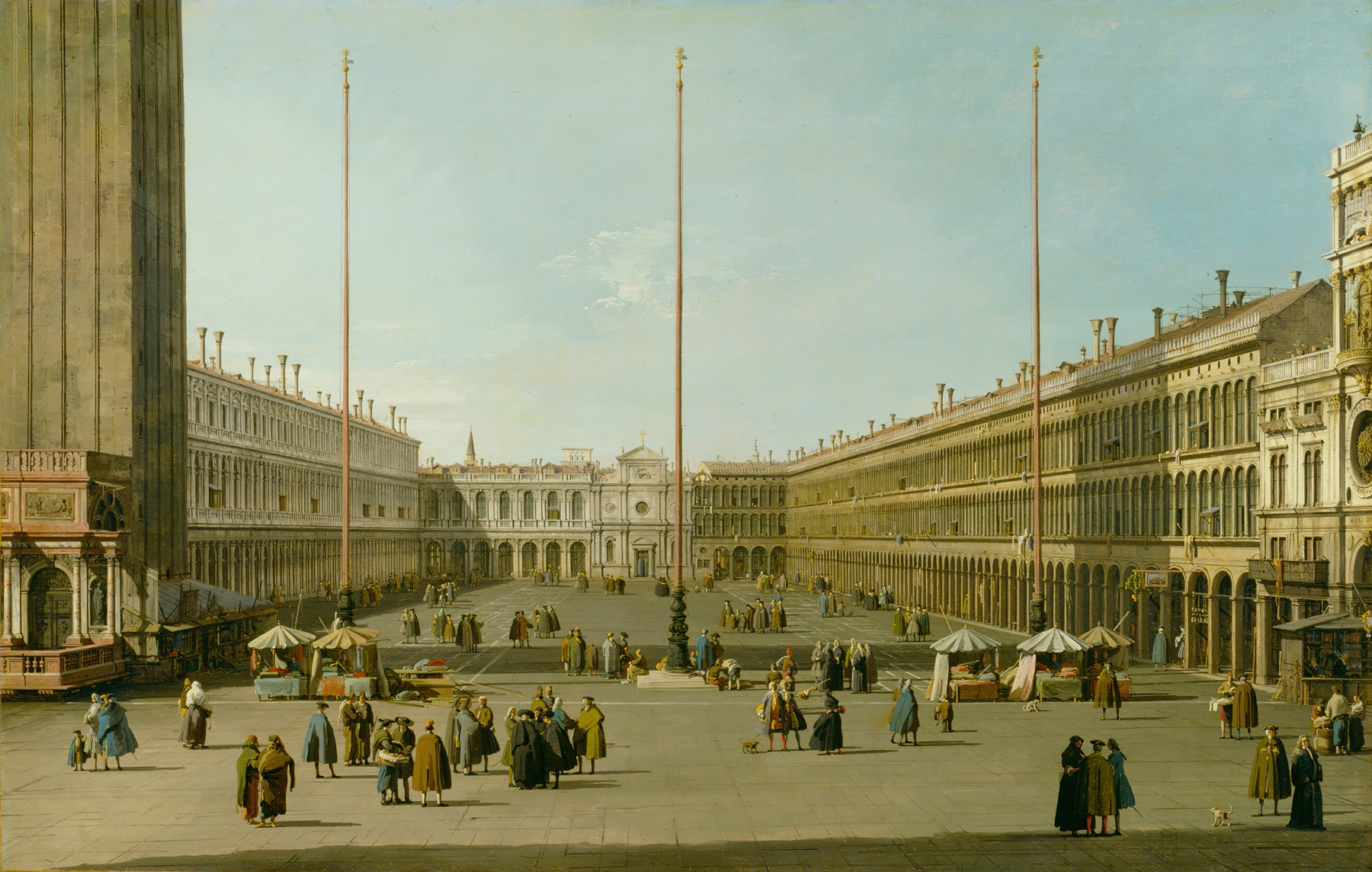
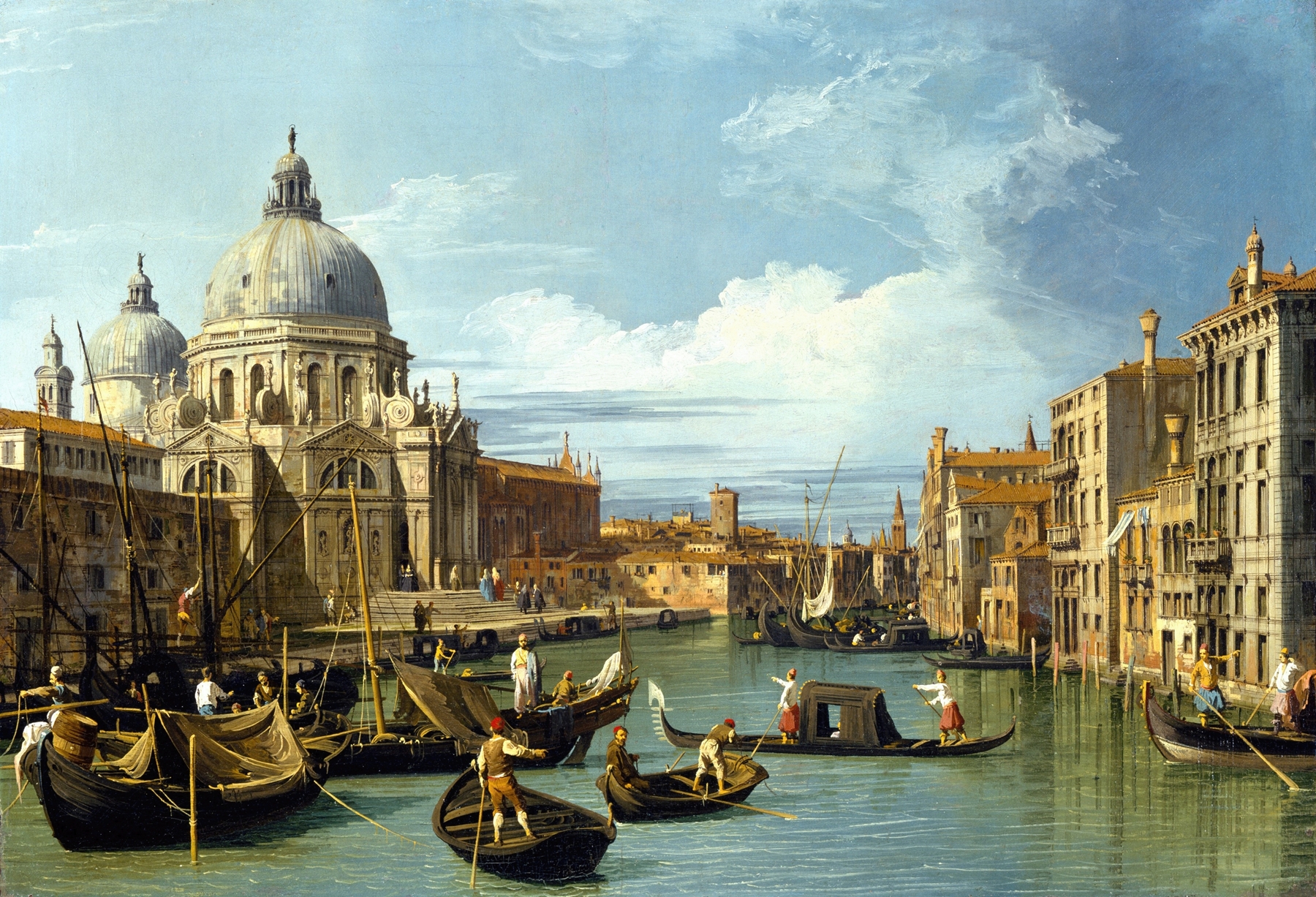
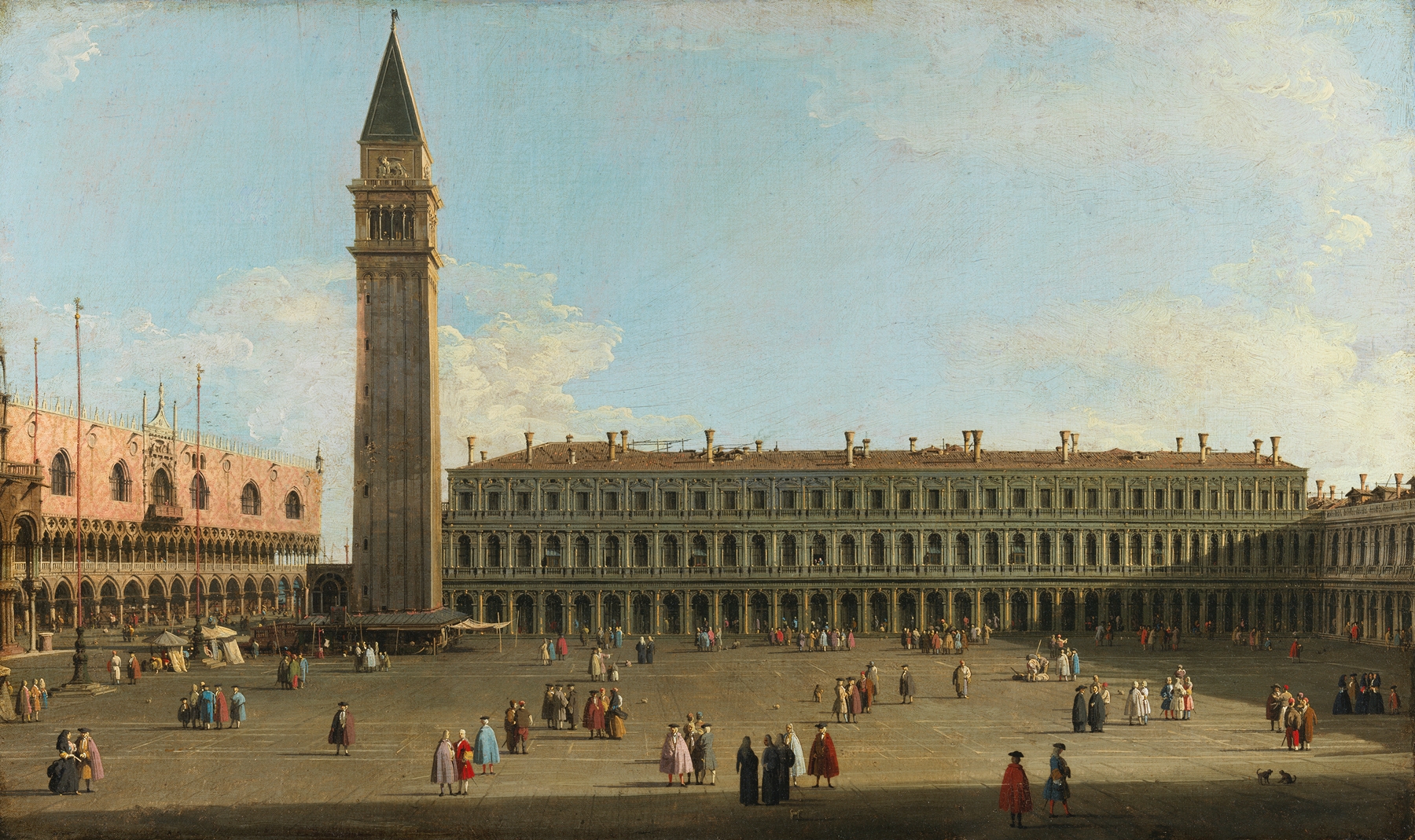
“The canvas doesn’t lie — it simply waits.” In the stillness of a Venetian morning, the serene beauty of the Bacino di San Marco unfolds, inviting us into a world suspended in time. This moment, painted with precision, whispers of tranquility amidst the bustling life of the city. Look to the heart of the composition, where the shimmering waters reflect the delicate hues of the sky. The boats, gently bobbing on the surface, guide your eye to the grand architecture of the basilica, its intricate details captured in a soft glow. Notice how the light dances across the scene, illuminating the vibrant colors of the buildings while casting long shadows that add depth and dimension. Everything is carefully placed, each element harmonizing to evoke a sense of peace. Beneath this picturesque surface, a quiet tension brews. The juxtaposition of the serene water and the distant figures hints at stories of merchants and travelers, lives intertwined yet isolated by the vast expanse of the lagoon. The calmness of the scene contrasts with the ever-changing nature of Venice itself, a city caught between grandeur and decline. Here, in this moment, we are reminded of the fragility of beauty and the inevitable passage of time. Canaletto painted this scene between 1735 and 1744, a period when Venice was experiencing both flourishing tourism and the effects of economic challenges. Working in a time when the grand traditions of the Baroque were waning, he focused on capturing the essence of the city with a keen eye for detail. His unique blend of realism and atmosphere would go on to influence generations of artists, ensuring that moments like this would never be forgotten.