Barmhartige Samaritaan verzorgt gewonde reiziger — History & Analysis
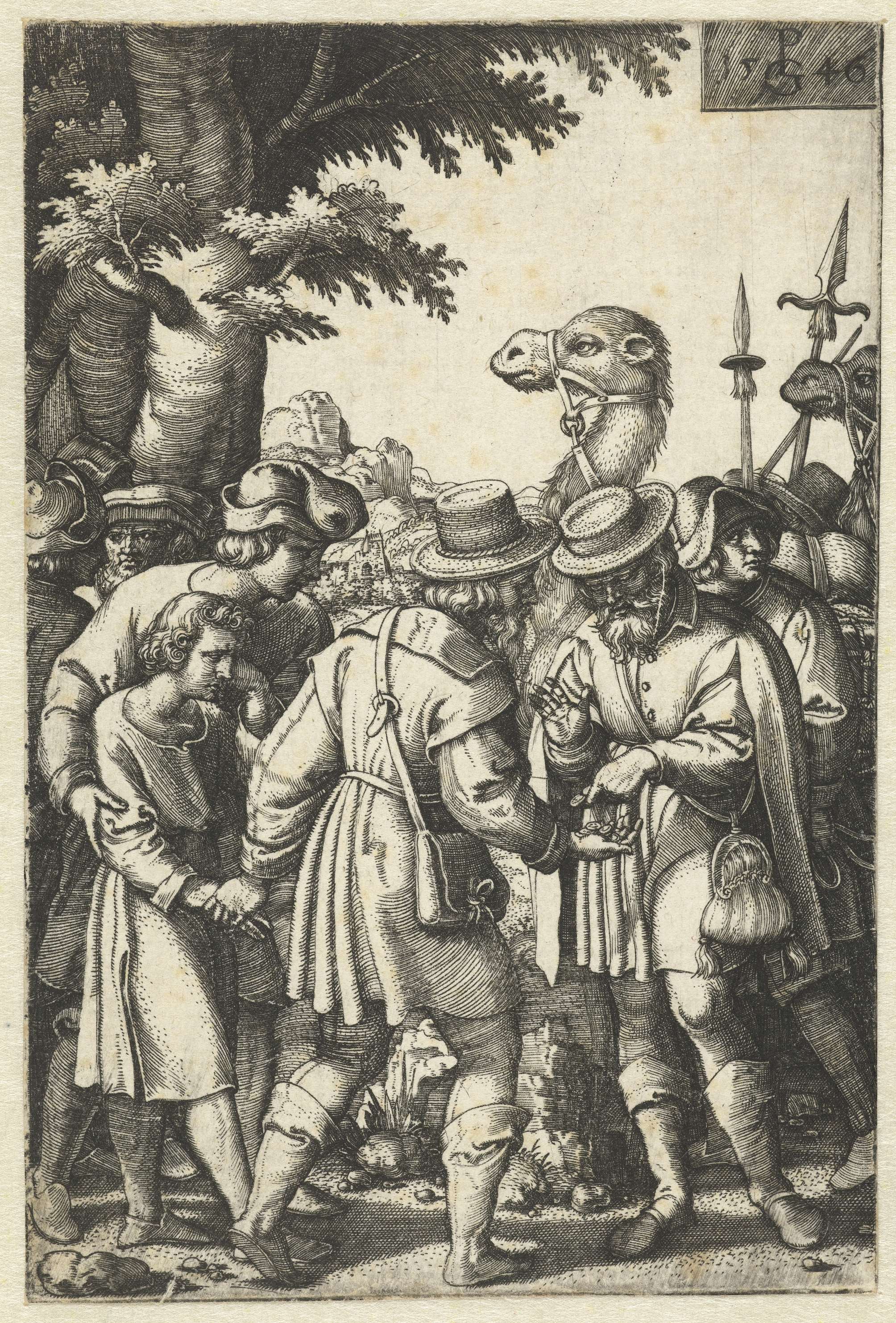
Can beauty exist without sorrow? In the heart of compassion lies a complex truth, where human kindness and suffering intertwine, revealing the depth of our shared experience. Look to the left at the central figure, a Samaritan, kneeling beside a wounded traveler. His outstretched hand cradles the injured man's arm, a gesture that speaks volumes of empathy and care. Notice how the gentle play of light highlights the Samaritan's earnest expression, contrasting sharply with the shadows enveloping the surrounding figures, their faces a mixture of indifference and intrigue.
The color palette, dominated by earth tones and muted hues, resonates with the gravity of the scene, enhancing the somber yet tender atmosphere. Delve deeper into the emotional tension of this encounter. The Samaritan's unwavering focus on the wounded traveler stands in stark contrast to the onlookers, who seem paralyzed by their own detachment. This juxtaposition reflects our societal struggles with empathy, inviting the viewer to confront uncomfortable truths about human nature.
The wounded man's vulnerability not only elicits compassion but also serves as a mirror, reflecting our own potential for kindness or apathy in moments of need. Created in 1543, this work emerged during a tumultuous period in the artist's life. Pencz, a member of the Nuremberg School, was navigating the complexities of the Reformation, a time when themes of morality and compassion were increasingly scrutinized. Influenced by both religious upheaval and the Renaissance's emphasis on humanism, the artist captured a poignant narrative that transcends its time, urging viewers to reflect on the essence of humanity itself.