Battlefield at the Shipka — History & Analysis
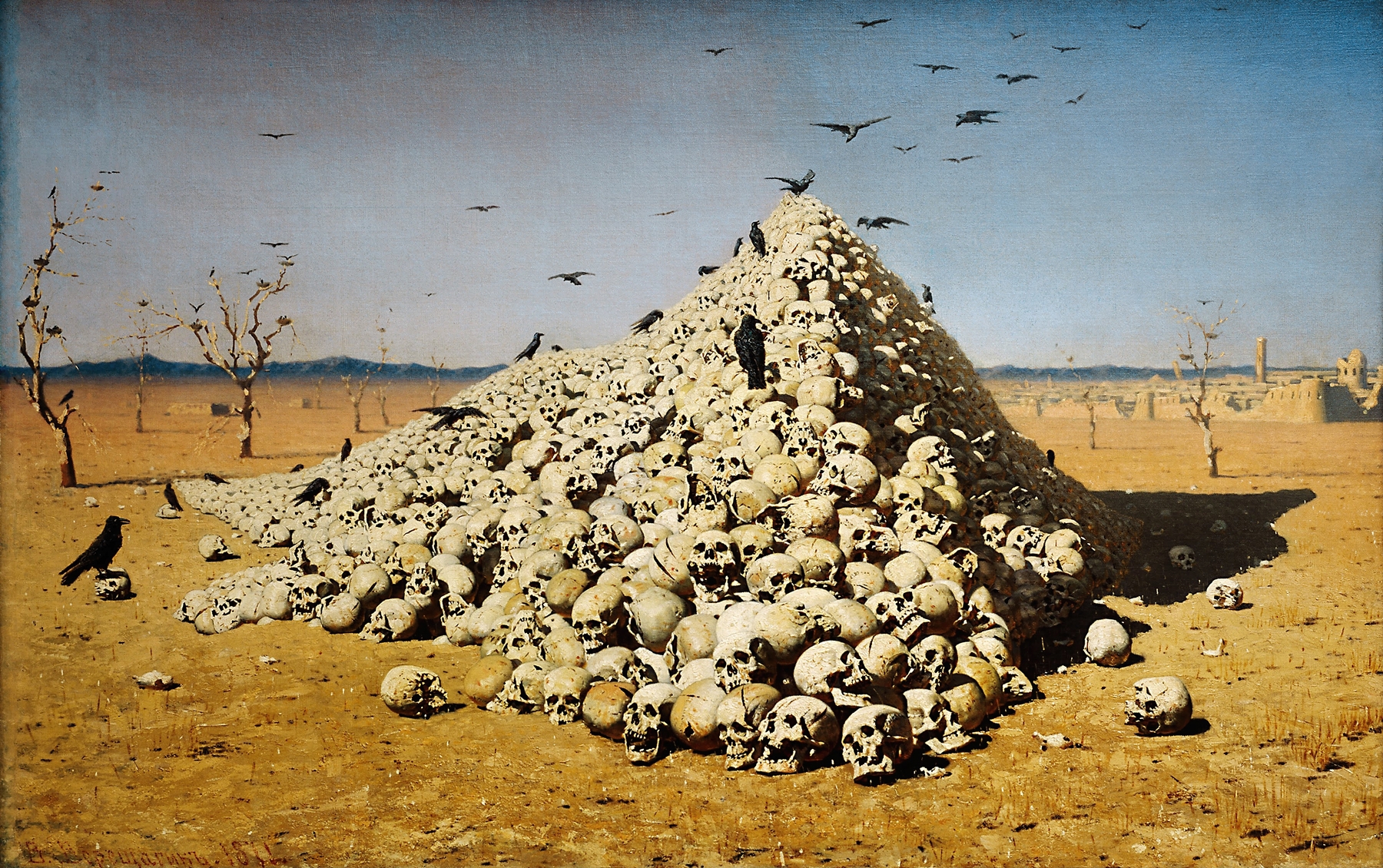
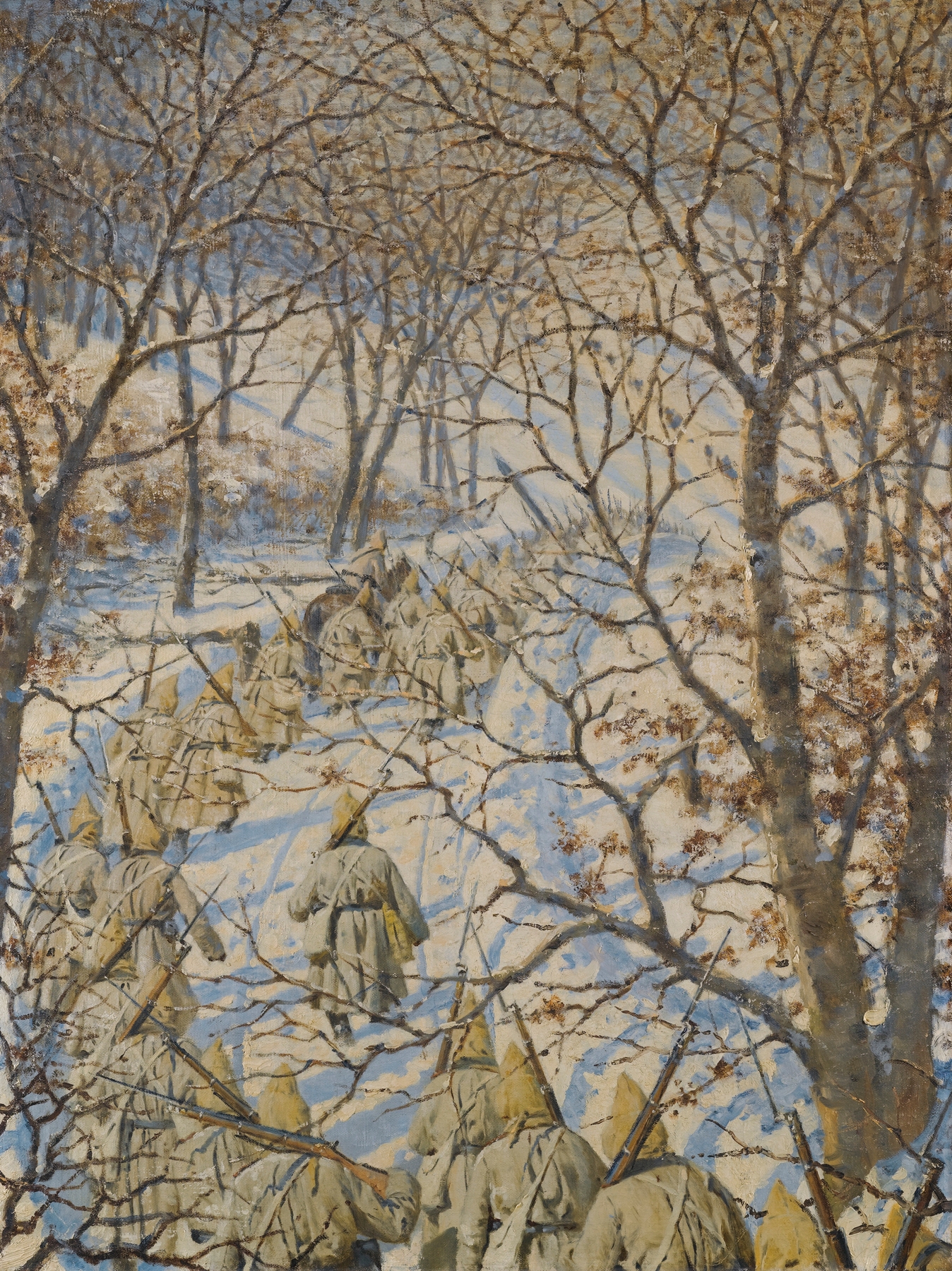
The air hangs heavy with the aftermath of chaos; the battlefield lies still under a muted sky, a truce whispered between the remnants of war. In the distance, the jagged silhouette of the Shipka Pass looms large, a silent witness to the struggle that has unfolded. Scattered bodies, frozen in time, evoke a haunting silence, while the soft light of dusk casts a serene glow over the devastation. Look to the center of the canvas, where the soft hues of fading daylight illuminate the earth, revealing the contours of the landscape.
Notice how the artist masterfully balances light and shadow, allowing the brushstrokes to capture both the harshness of battle and the ethereal beauty of the natural world. The palette, dominated by earthy tones, creates a sense of stillness amidst the ruin; each detail, from the stony outcrops to the remnants of uniforms, invites viewers to contemplate the price of conflict. Amidst the stark imagery, there exists a profound contrast; the brutal reality of loss intertwines with the serene beauty of the landscape, suggesting a fleeting harmony between nature and the human condition. The stillness of the scene prompts introspection, revealing the emotional weight carried by both the fallen and the living.
This juxtaposition encourages a deeper understanding of humanity's resilience in the face of devastation, and how serenity can emerge from sorrow. Created in 1878, this work reflects Vereshchagin's deep engagement with the realities of war, shaped by his own experiences as a soldier and artist. Painted after the Russo-Turkish War, it marks a significant moment in his career, characterized by a shift toward depicting the harsh truths of conflict rather than glorifying it. Vereshchagin sought to capture the psychological impact of battle, making his work a profound commentary on the nature of warfare during a turbulent period in history.