Hemis Monastery in Ladakh — History & Analysis
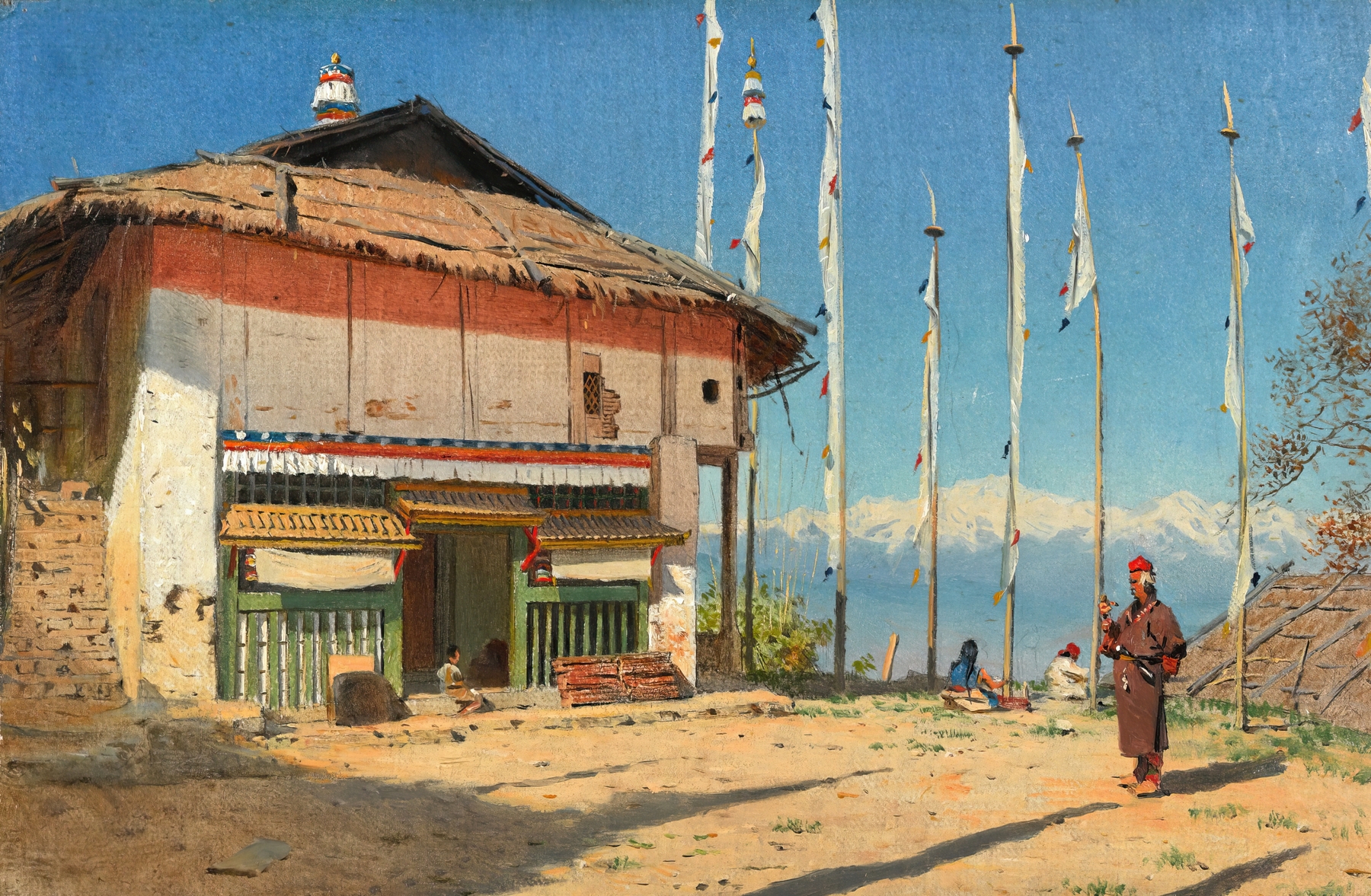
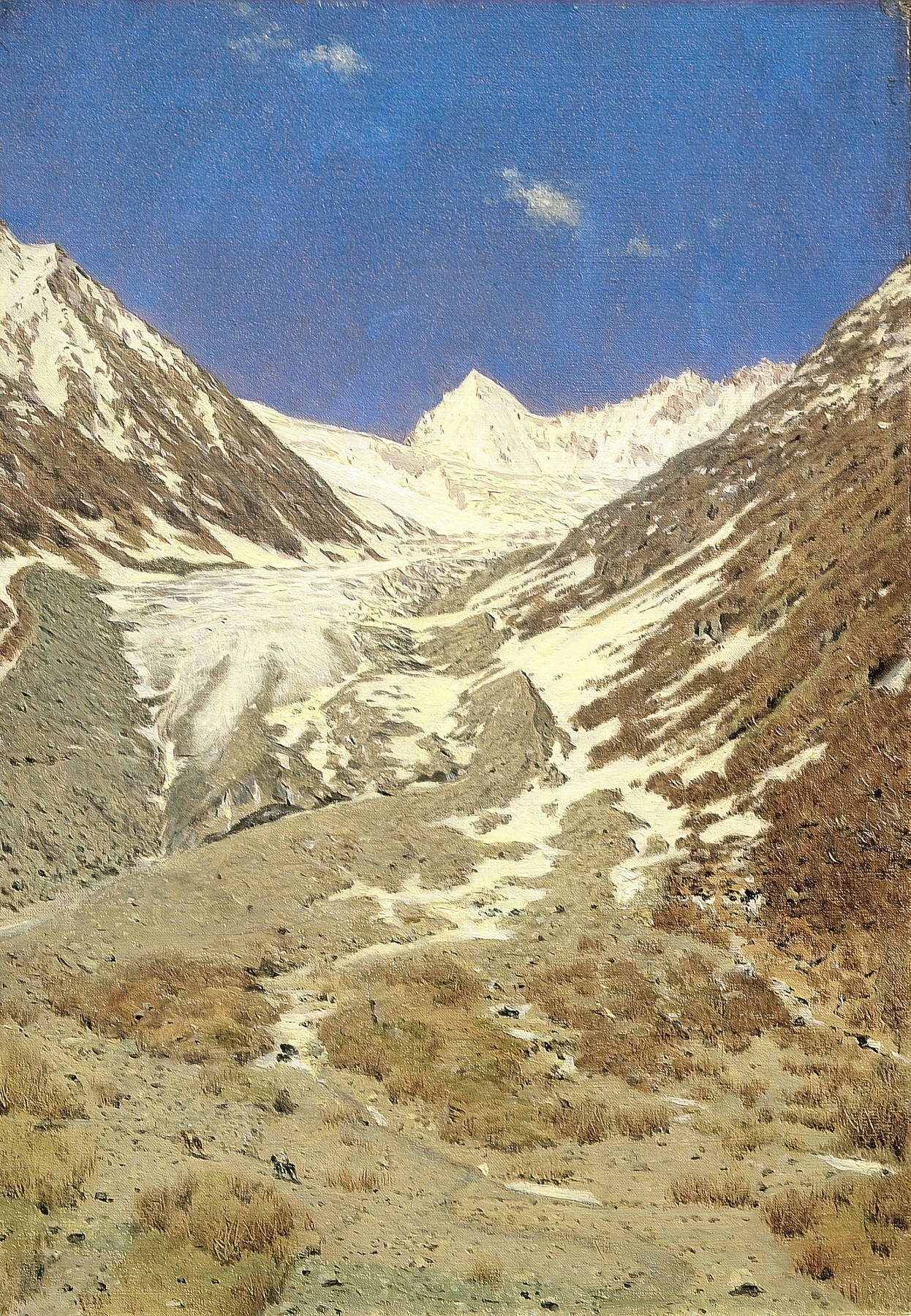
Could beauty survive in a century of chaos? The question lingers like a whisper among the ancient stone walls and rugged mountains caught in a moment of stillness. Look to the center of the canvas, where the Hemis Monastery stands resilient against the vastness of the Ladakhi landscape. The delicate interplay of light and shadow reveals the monastery's intricate architecture, its vibrant colors poised against the muted earth tones of the surrounding hills.
Notice how the sunlight accentuates the peaks, creating a stark contrast that draws your eye upwards — a symbolic ascent toward spirituality amidst the harsh terrain. Beneath the surface of this serene depiction lies a tension between sanctuary and solitude. The shadows cast by towering mountains may evoke a sense of confinement, yet they also suggest protection, as if the monastery is cradled by the very forces of nature. The delicate brushwork intensifies the emotional weight; it hints at the countless stories the monastery bears witness to, each layer of paint symbolizing the passage of time and the endurance of faith in an ever-changing world.
In 1875, during a period marked by both personal and political turmoil, the artist found himself in Ladakh, captivated by its austere beauty. Vereshchagin, known for his depictions of war and the human condition, was navigating the complexities of a rapidly modernizing world. This painting reflects his desire to capture moments untouched by chaos, a stark contrast to the upheaval he often chronicled in his work.