Taj Mahal Mausoleum, Agra — History & Analysis
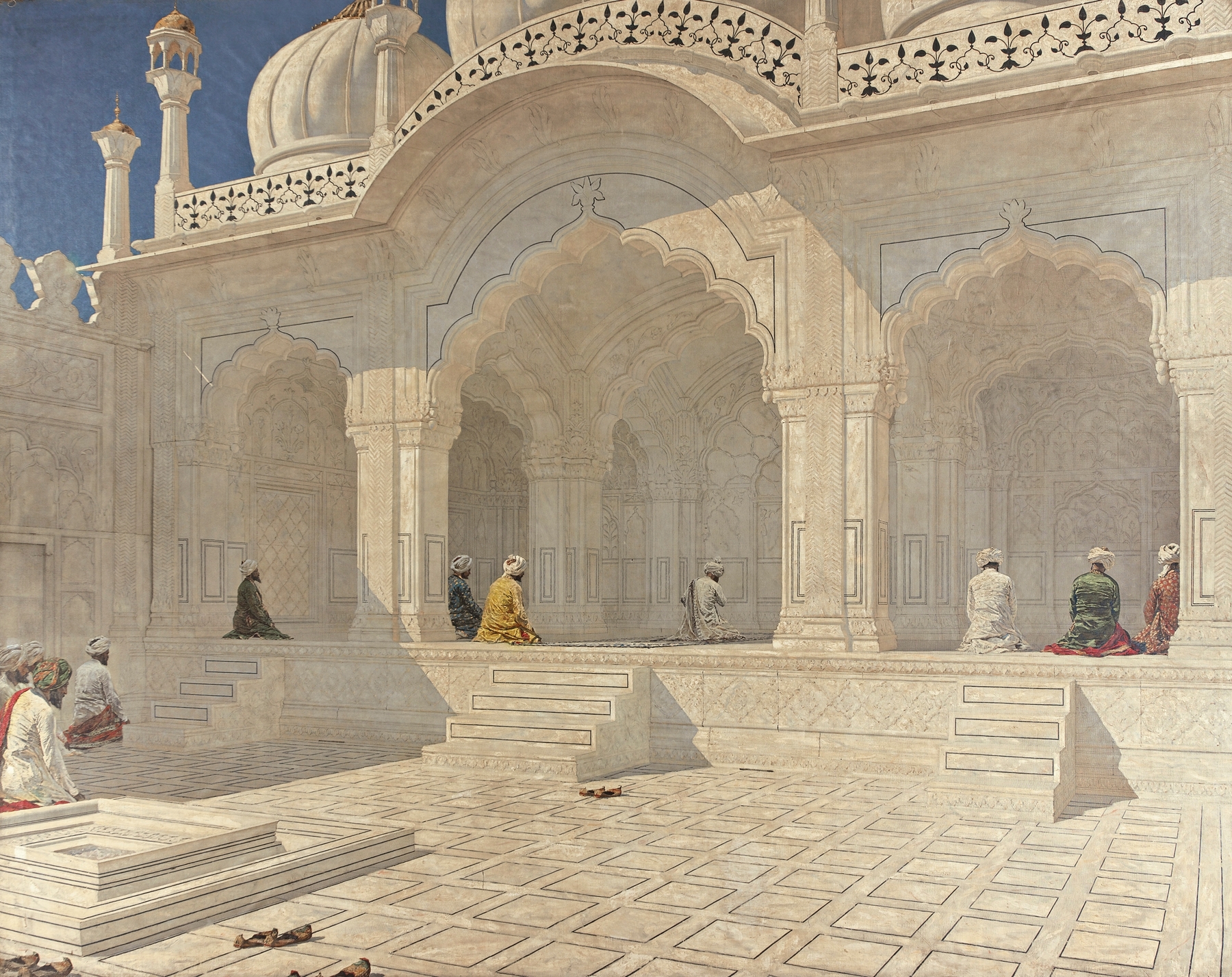
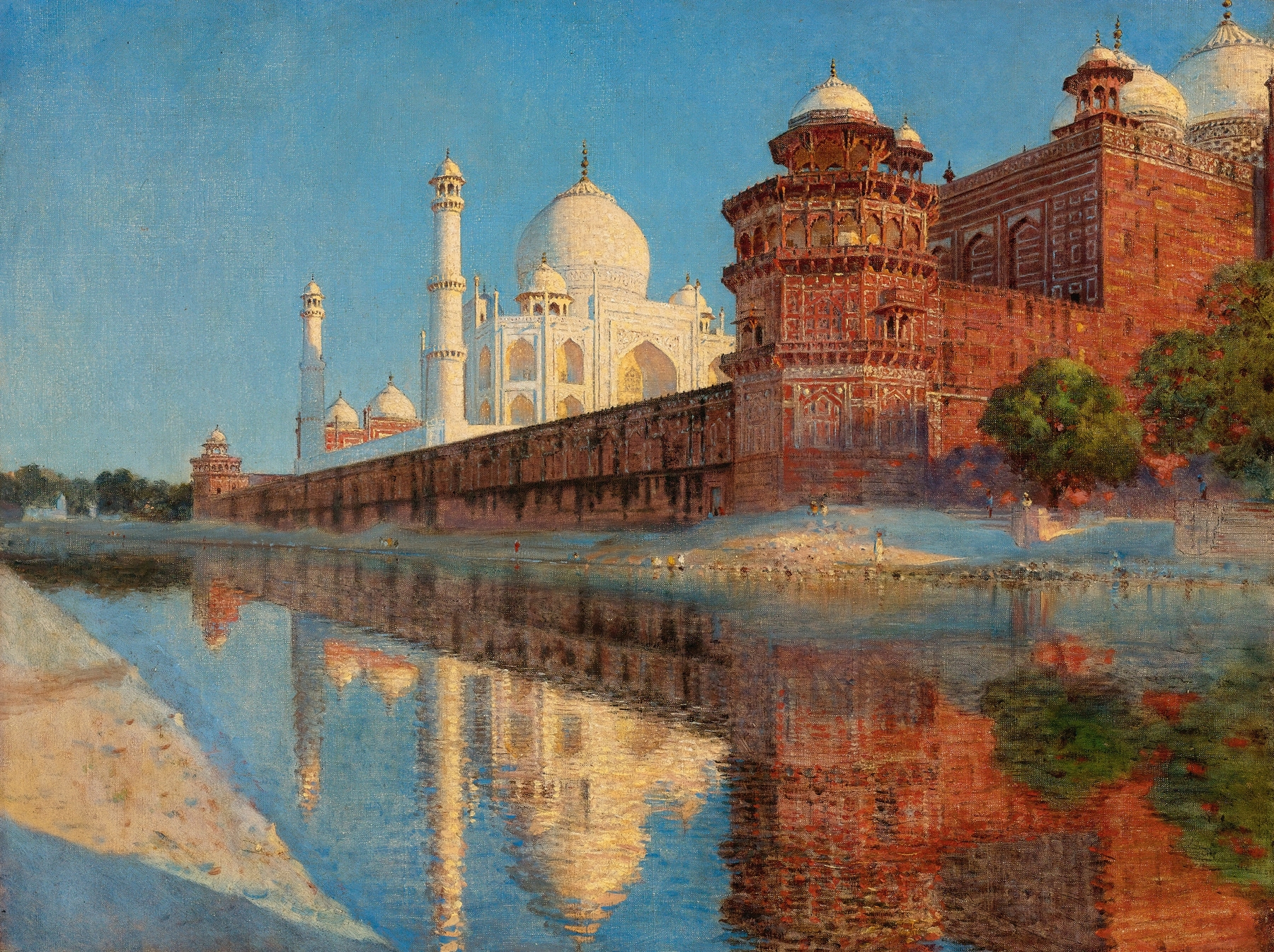
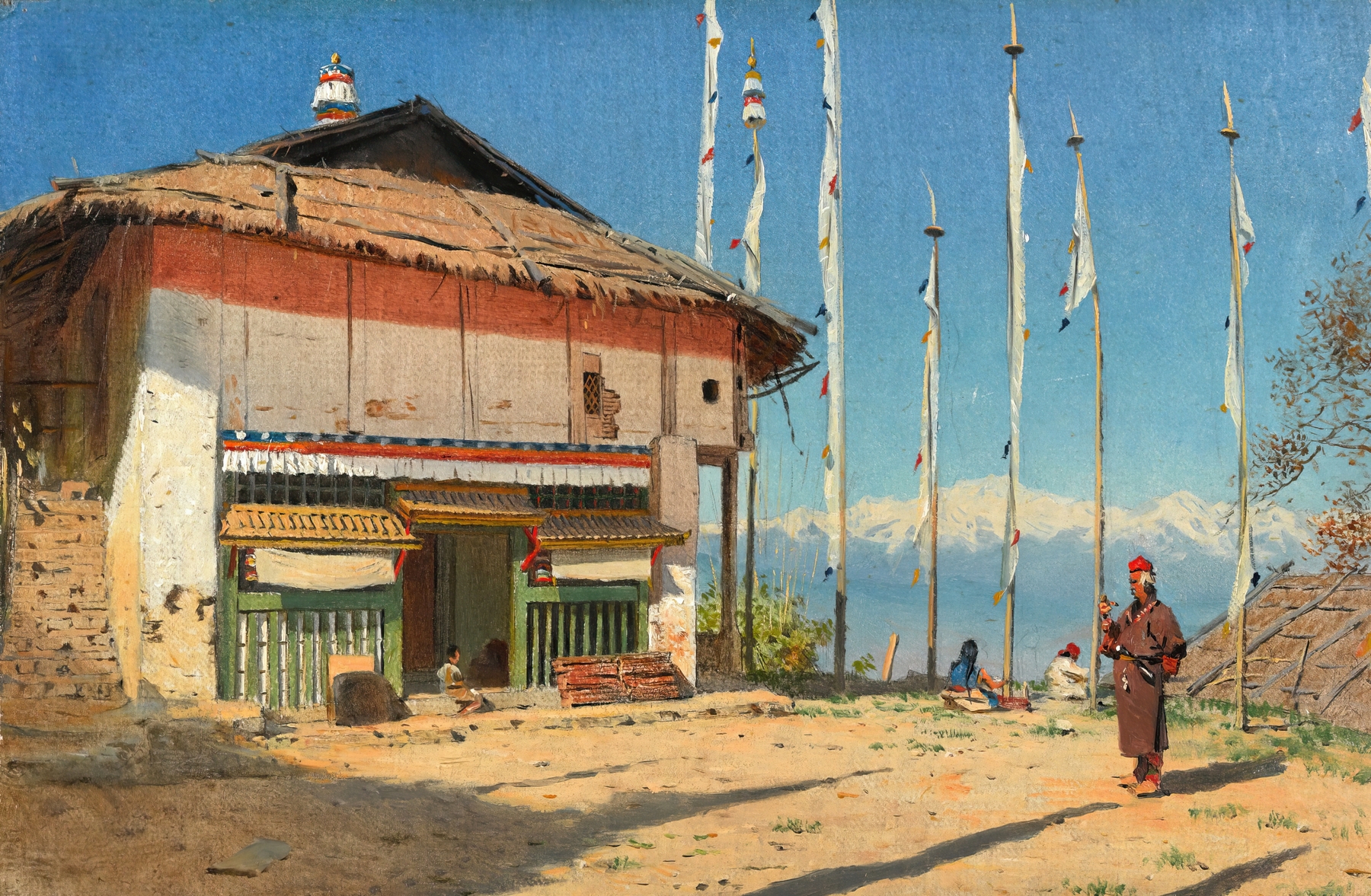
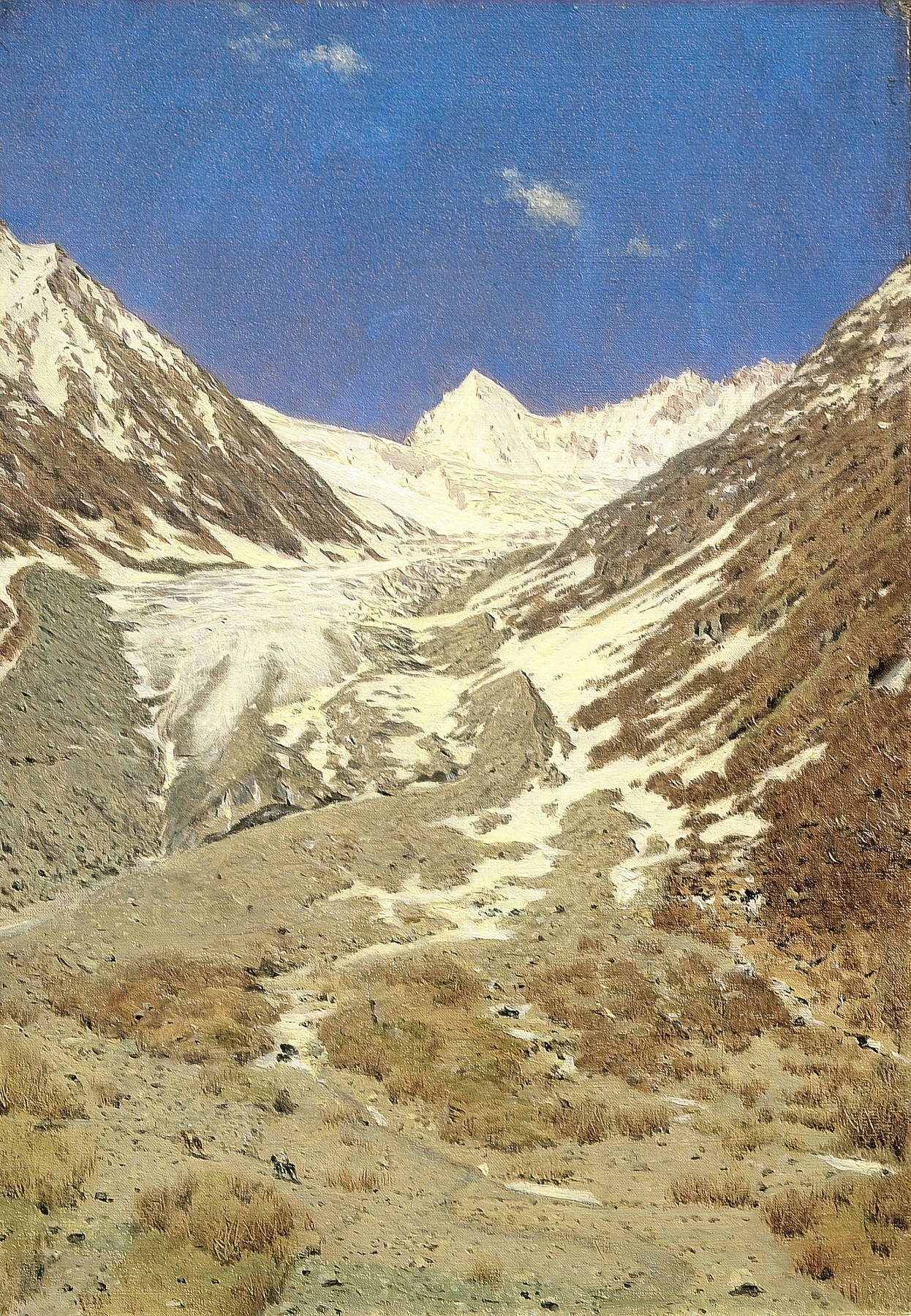
“To paint is to remember what time wants us to forget.” In an age where monuments bloom and wither, the emptiness captured in this work invites us to confront the silence left behind. Focus your gaze on the majestic edifice to the left, its pristine white marble glimmering under an impassive sky. The intricate details, from the delicate inlays of flowers to the imposing domes, reveal the painstaking craftsmanship that brought this mausoleum to life. Notice how the stark contrast between the brilliant white of the Taj and the muted earth tones surrounding it emphasizes a profound solitude, suggesting a moment suspended in time.
Delve into the subtle emotional tensions within this masterpiece. The empty foreground creates a chasm between the viewer and the monument, evoking feelings of loss and longing. The stillness of the scene speaks of what remains unspoken: the absence of life, the echoes of history entwined with the beauty of decay.
Each architectural element seems to whisper the tales of those who have passed, rendering the viewer both an observer and a mourner. In the mid-1870s, while working in Agra, Vereshchagin was deeply influenced by the themes of mortality and memory, a reflection of his own experiences in a world marred by conflict. This period marked a transition in his artistic journey, as he began to explore the intersections of beauty and desolation, illustrating a profound connection to both the subject and the transient nature of existence.