Pearl Mosque At Delhi — History & Analysis
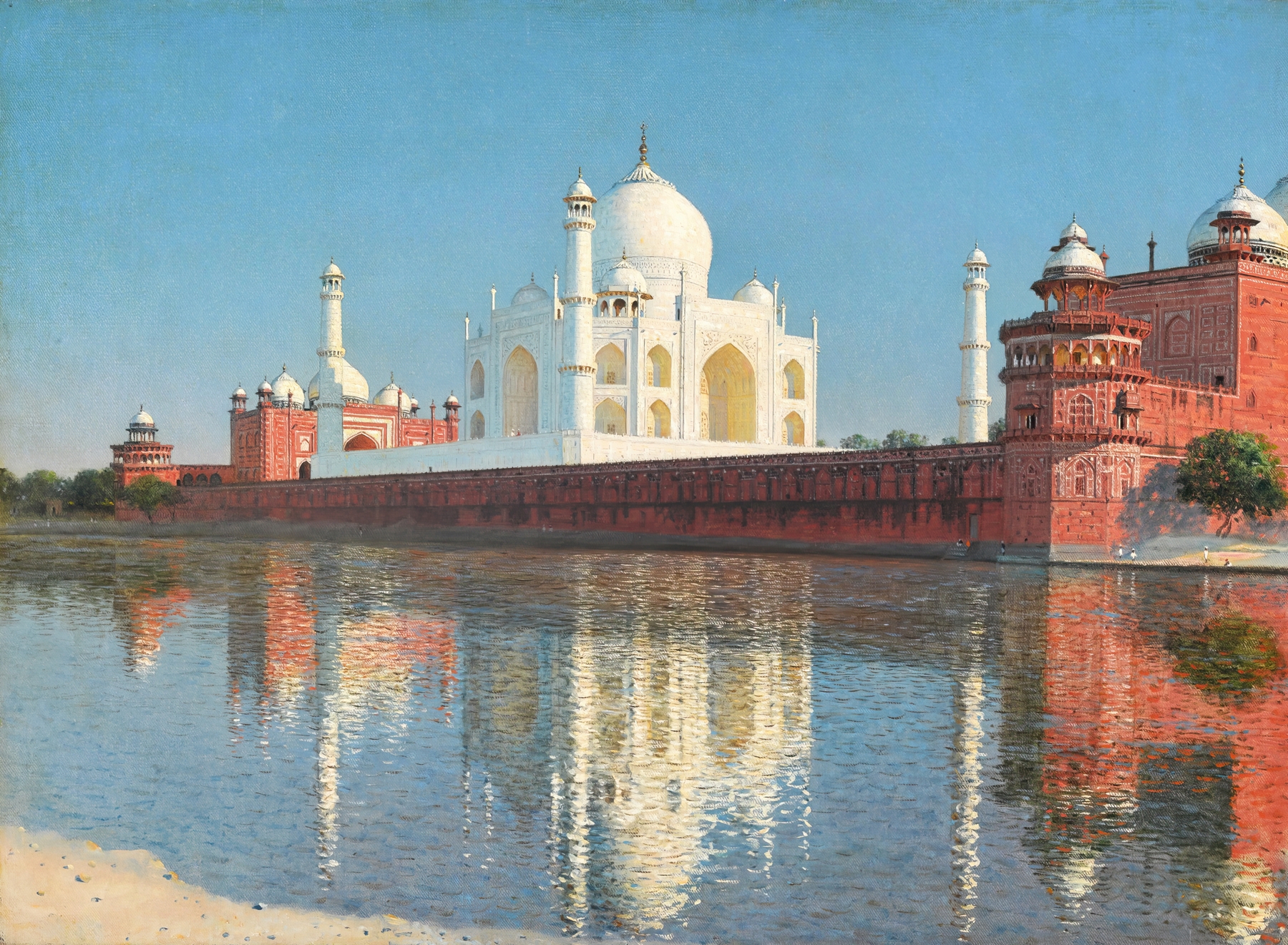
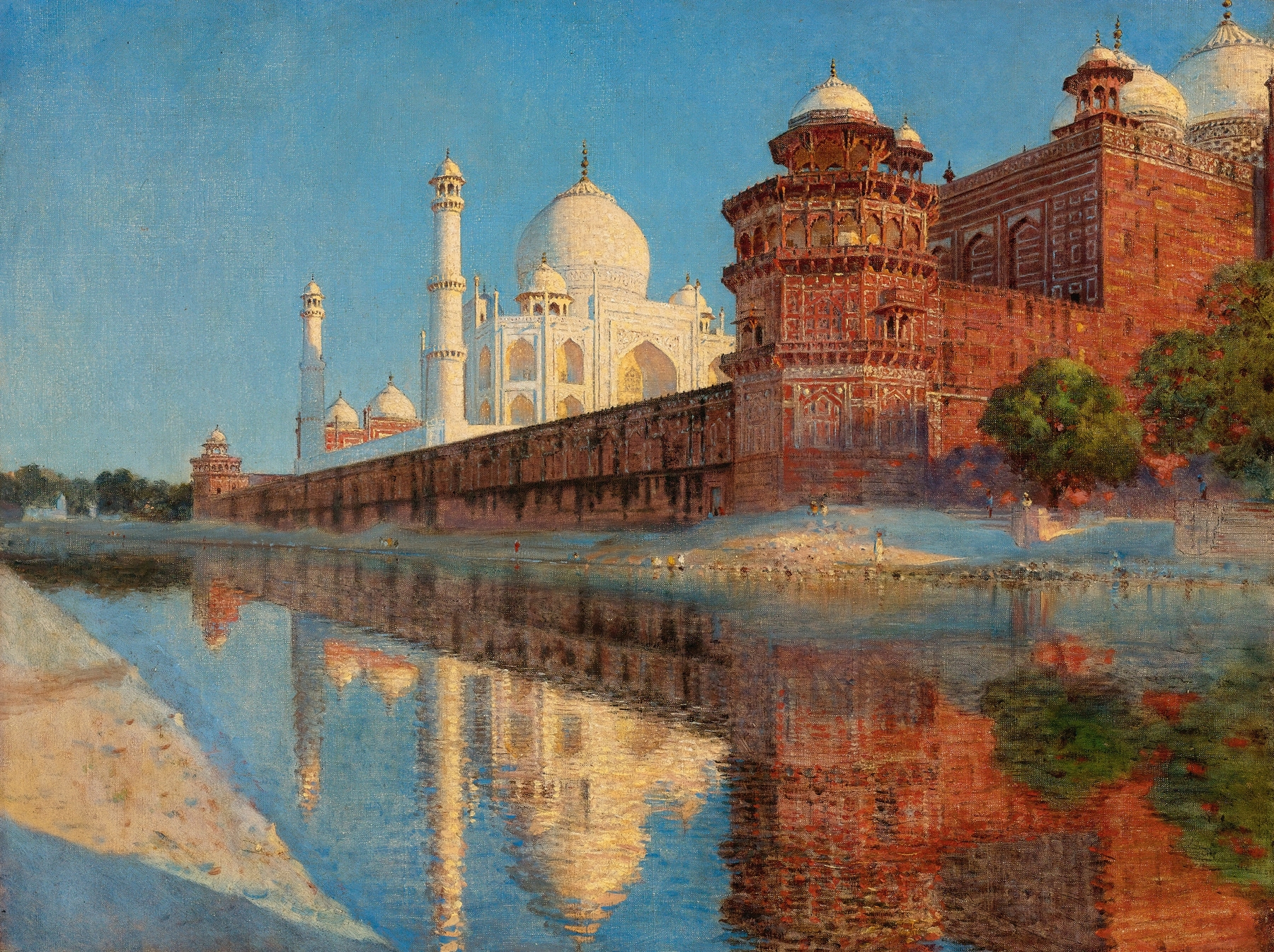
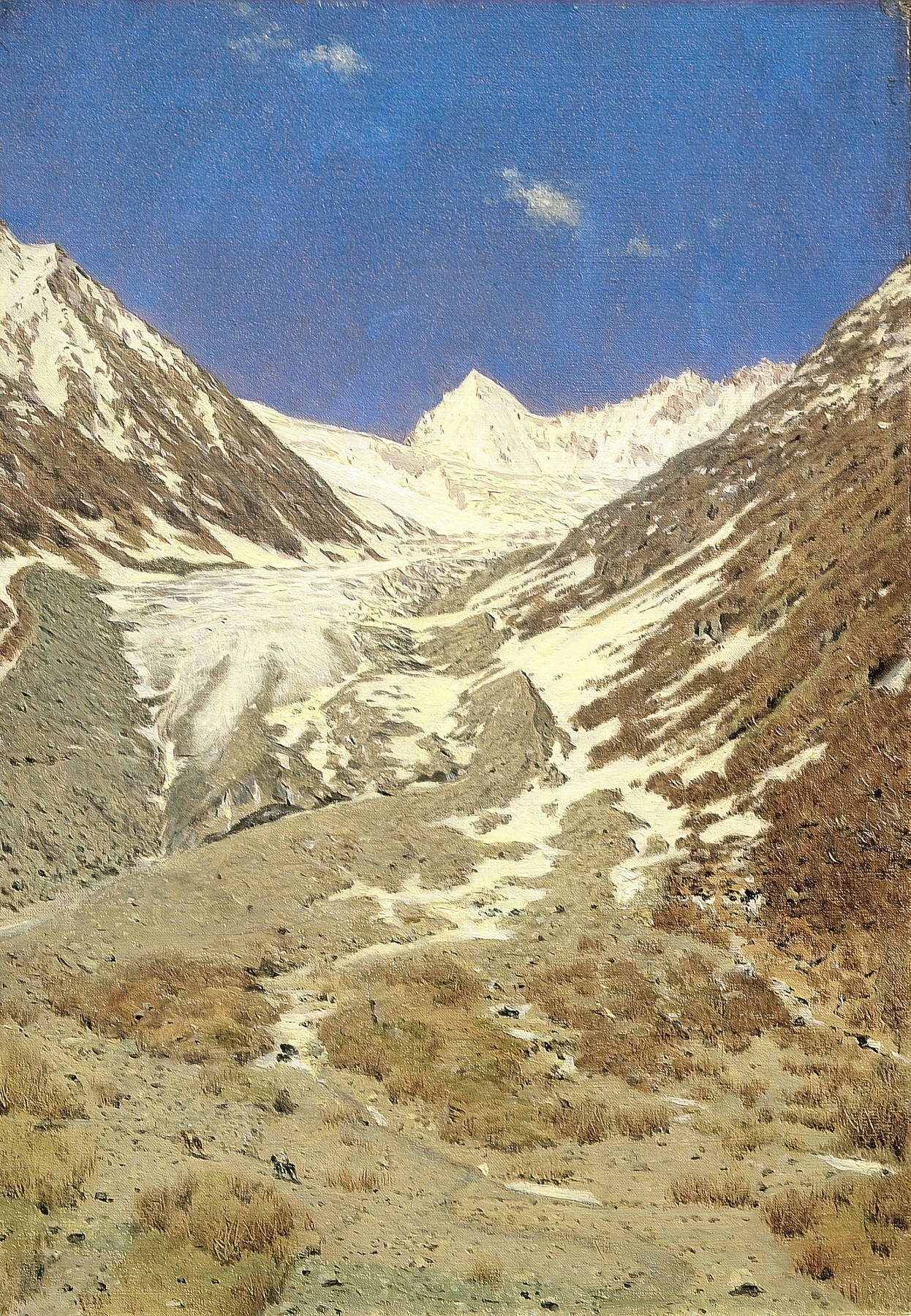
“To paint is to remember what time wants us to forget.” In the delicate interplay of light and shadow, hope emerges from the stillness captured in this masterwork. Look to the center where the Pearl Mosque rises majestically, its pristine marble glistening against the deep azure sky. Notice how the sunlight bathes the structure, creating a soft halo that draws the eye. The intricate details of the mosque's architecture stand in contrast to the simplicity of the surrounding landscape, emphasizing its spiritual significance.
The subtle earth tones in the foreground invite the viewer to step closer, while the vibrant blue above evokes a sense of tranquility and aspiration. Yet, beneath the serene beauty lies an emotional tension. The mosque, a symbol of faith, stands resilient against the passage of time, representing hope in an era marked by turmoil and conflict in India. The juxtaposition of its grandeur against the barren land speaks to the struggles endured by those seeking solace and belonging in a rapidly changing world.
Each brushstroke offers a whisper of remembrance, urging us to reflect on the persistence of hope amid adversity. In the late 1870s, while residing in India, the artist sought to immortalize the essence of his surroundings. This period marked a significant exploration of cultural identity and artistic expression as Vereshchagin confronted the complexities of life in colonial India. The Pearl Mosque At Delhi embodies both a personal and historical narrative, intertwining the artist's journey with the resilient spirit of a nation in flux.