Berge — History & Analysis
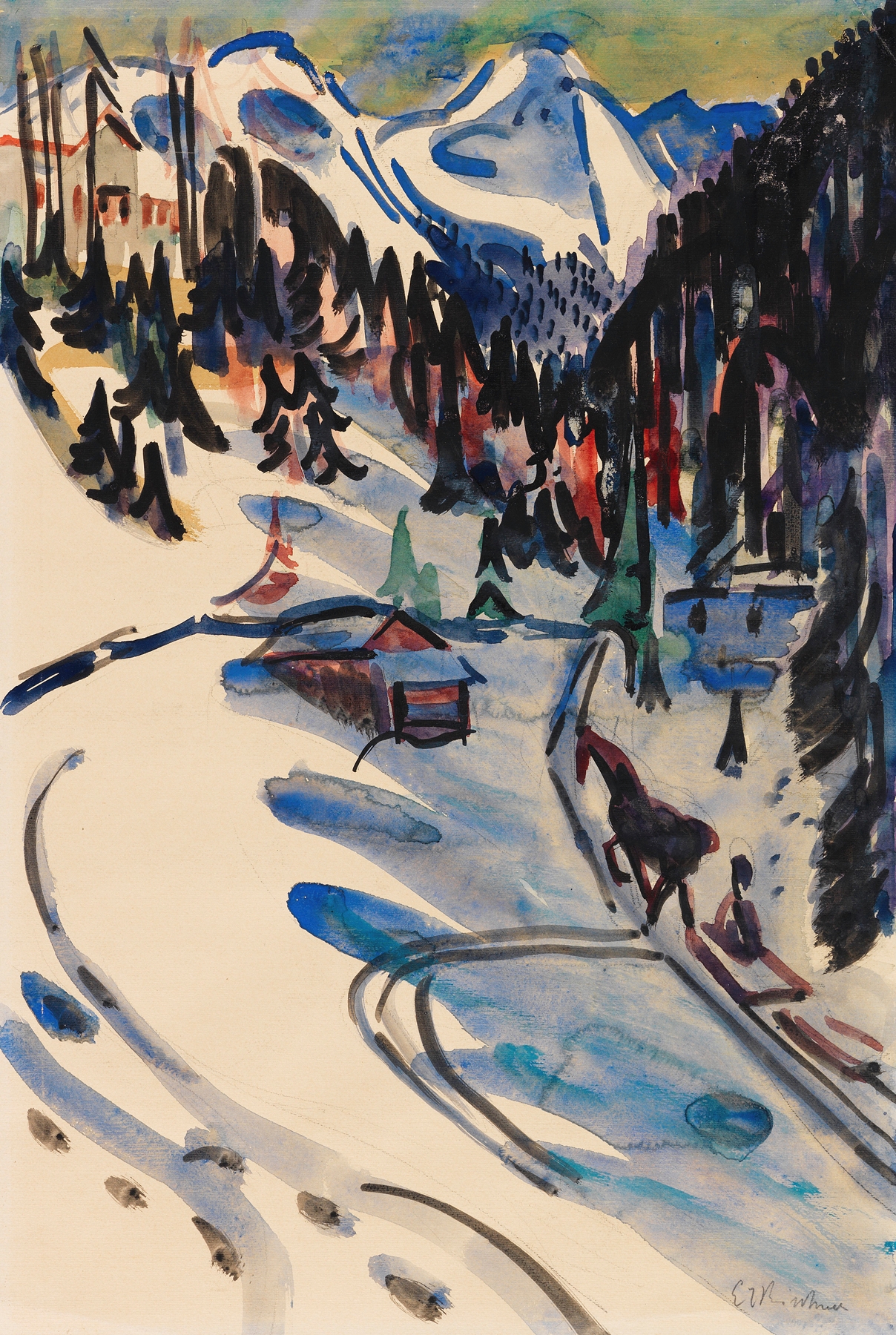
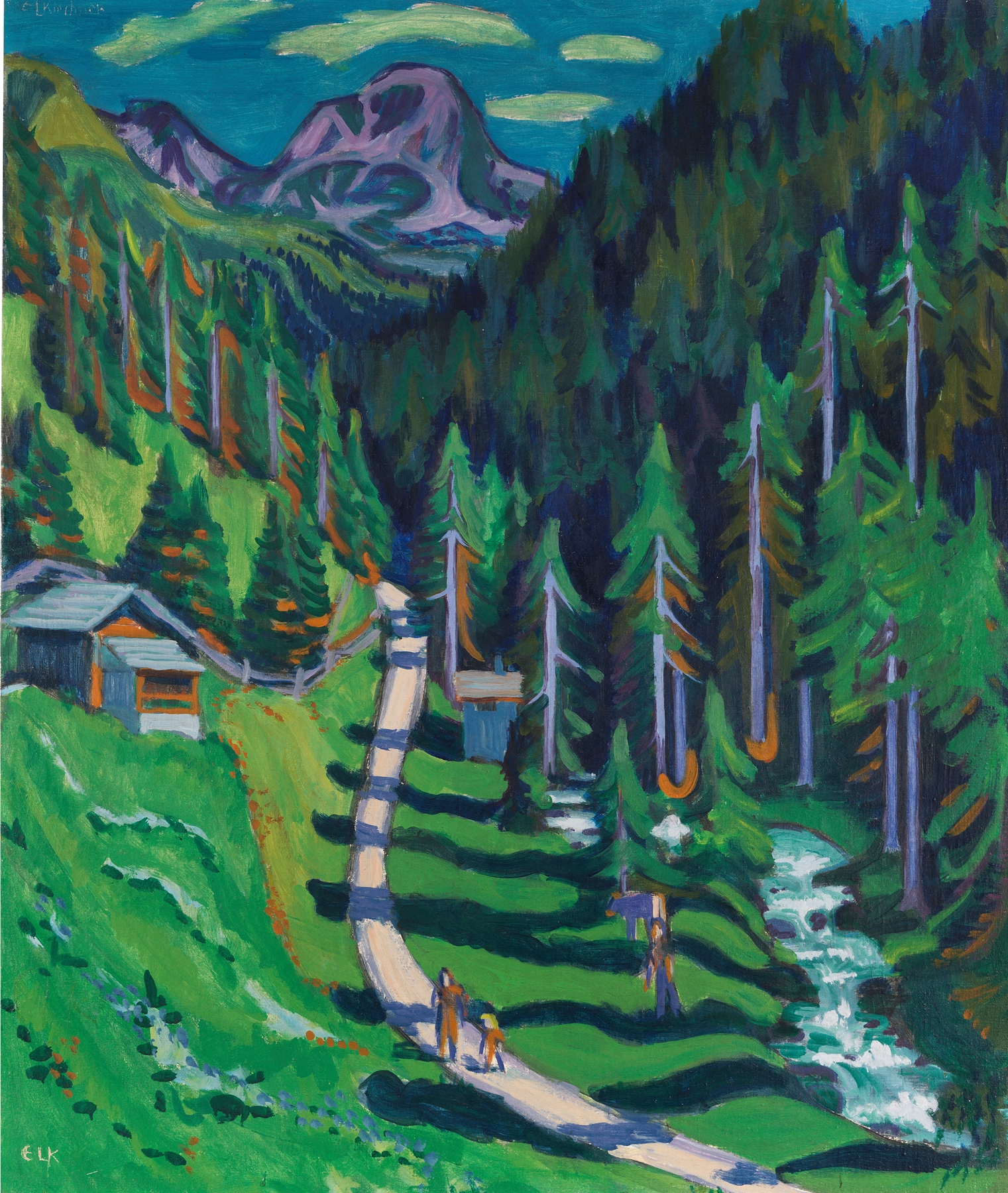
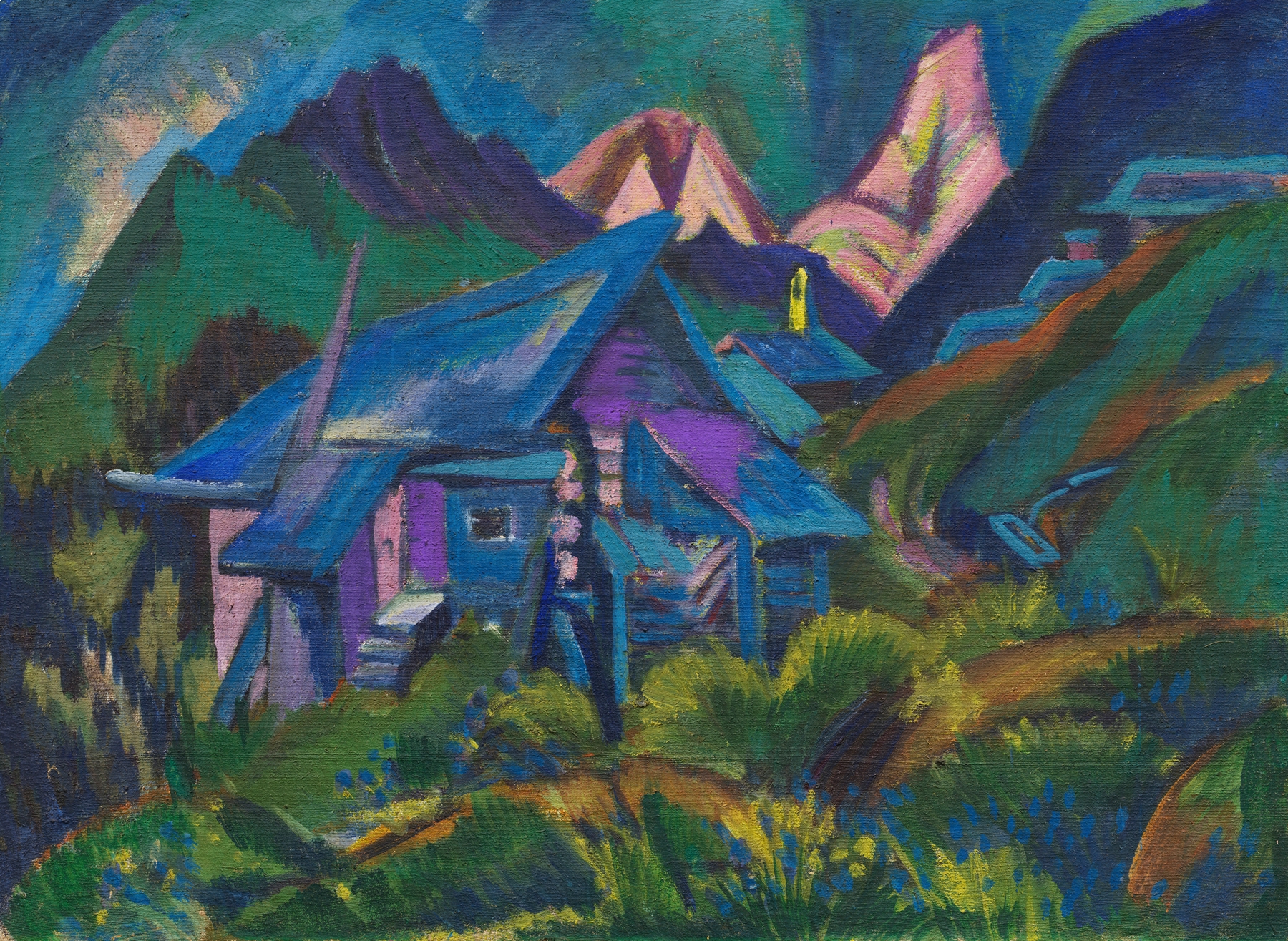
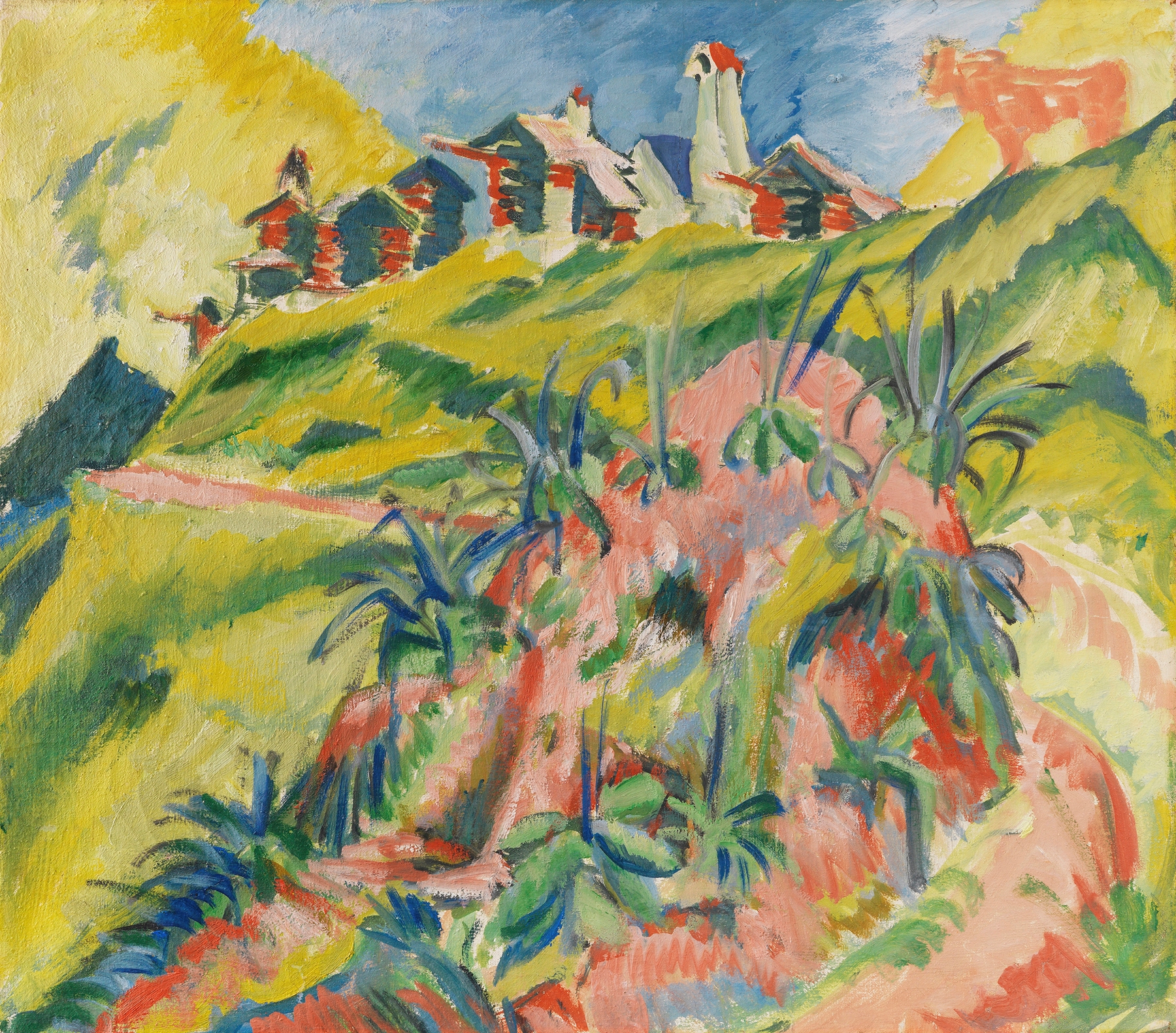
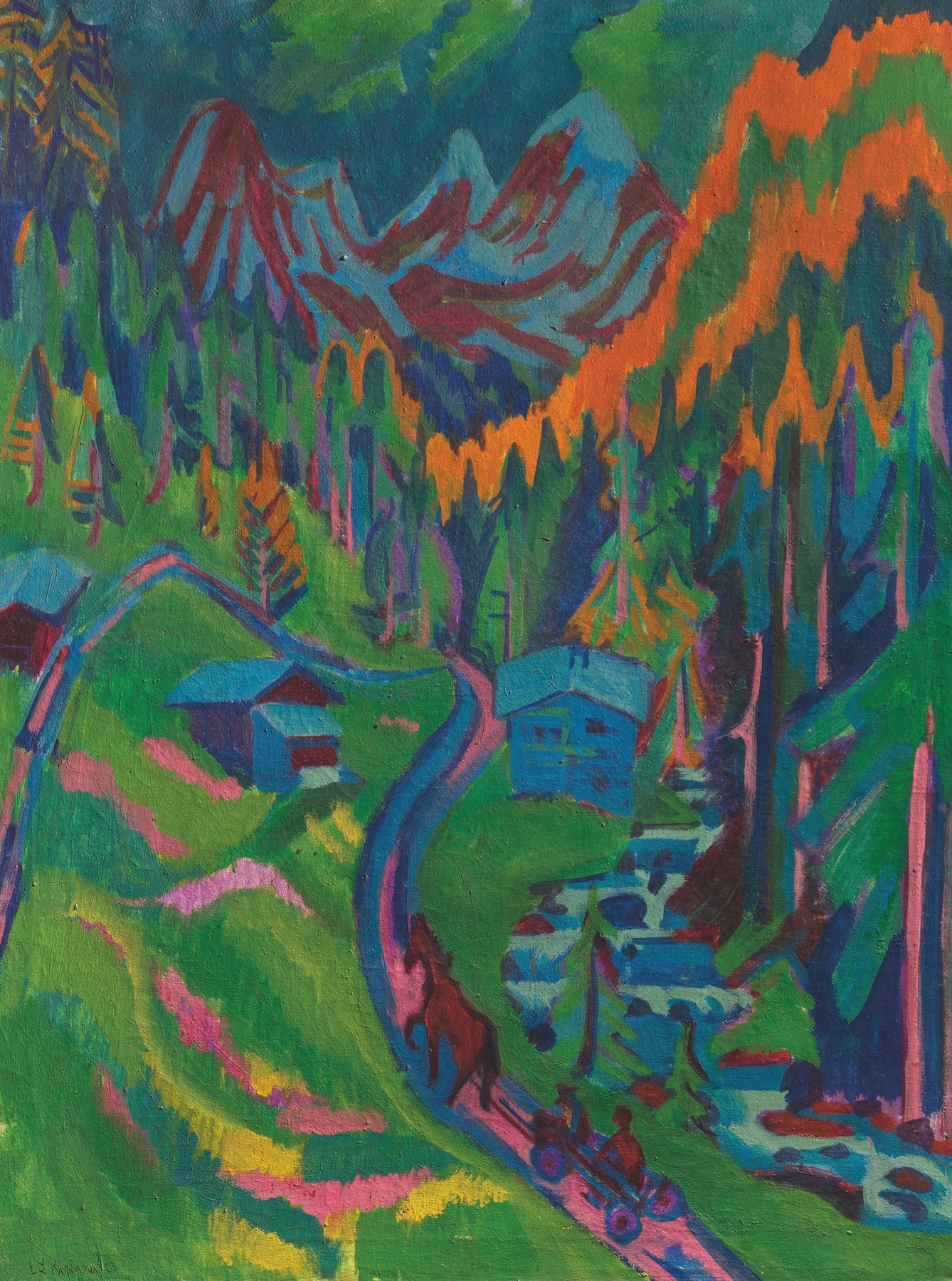
Could a single brushstroke hold eternity? In Berge, an expanse of sharp angles and vibrant colors captures the essence of movement, transforming the canvas into a living landscape that pulses with energy. Direct your gaze to the tumultuous peaks that dominate the composition. Notice how the deep blues and greens swirl together, creating a sense of rhythm that draws you into the mountains' embrace. The bold, expressive brushwork gives life to the surface, as if the mountains themselves sigh and breathe.
Amidst the intensity, the lighter hues peek through, inviting moments of tranquility and contrast—a tension that defines the very nature of these towering giants. As you delve deeper, consider the emotional undertow of this work. The jagged forms reflect not just the physicality of the mountains but also symbolize the struggles and aspirations of the artist. The interplay of light and shadow evokes feelings of unease and exhilaration, suggesting the duality of grandeur and isolation inherent in nature.
This tension invites a personal reflection on the viewer’s own journey within the vastness of existence—a reminder of the beauty and chaos intertwined in life. Ernst Ludwig Kirchner painted Berge in 1919, during a period of profound change in his life and the world around him. Having returned to Germany after the tumult of World War I, he was grappling with the psychological scars left by the conflict. The post-war art scene was shifting towards Expressionism, a movement that sought to convey emotional experience over physical reality, aligning perfectly with his vision as he sought solace and inspiration in the landscape that surrounded him.