Überschwemmung im alten Dorf (Die Sagehorner Landstraße bei Hochwasser) — History & Analysis
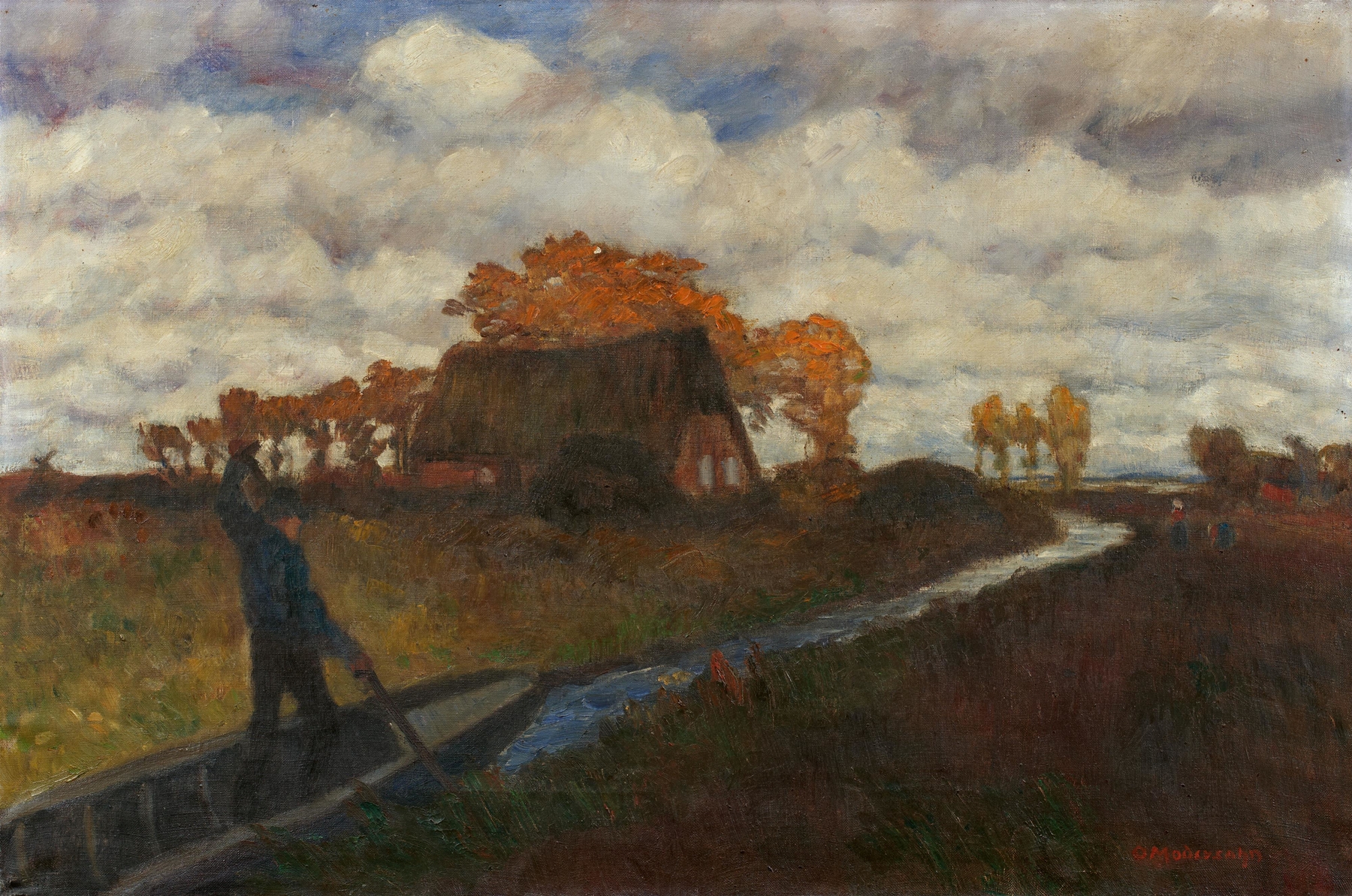
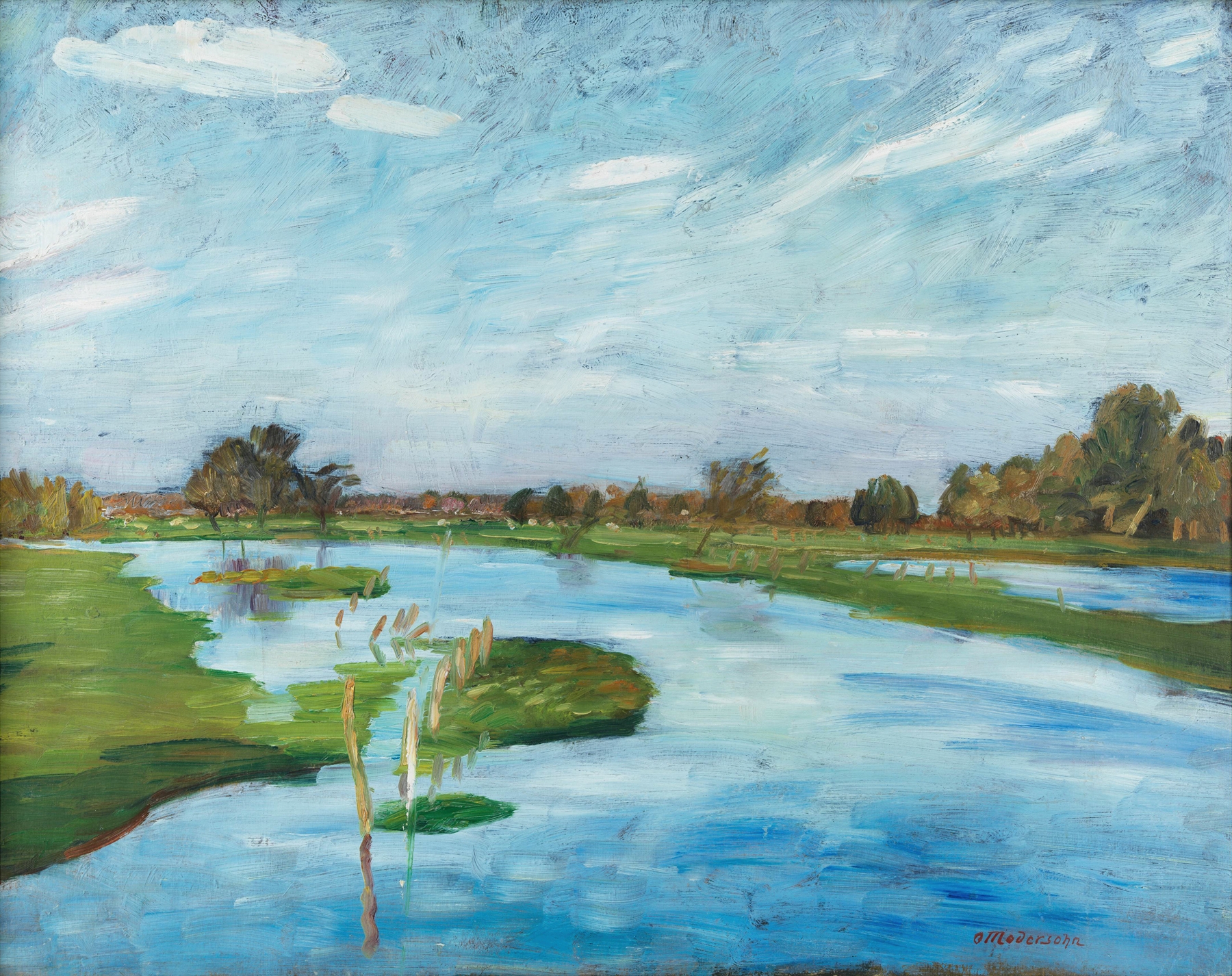
“To paint is to remember what time wants us to forget.” In a world that often erases the delicate traces of our existence, the essence of fragility remains a timeless echo. As you engage with Überschwemmung im alten Dorf (Die Sagehorner Landstraße bei Hochwasser), let your gaze drift towards the water's edge, where the reflective surface captures the intricacies of a submerged landscape. Notice how Modersohn's brushwork weaves together soft strokes of blues and greens that mirror the sky, suggesting an eerie calm amidst chaos. The trees, their limbs stretching helplessly above the rising waters, stand as silent witnesses to nature’s unpredictable power, while the muted tones evoke a sense of melancholy and loss.
Delve deeper into the painting's layers, and you will uncover the emotional tension between the fragile beauty of the scene and the threat posed by the encroaching water. The juxtaposition of vibrant villages and the relentless flood reveals a broader narrative about the vulnerability inherent in human existence. Each house, though sturdy in form, seems at odds with the relentless force of nature, hinting at the transience of life itself and the stories that are at risk of being washed away.
In 1938, Otto Modersohn was immersed in the artistic currents of Germany, navigating the complex interplay of tradition and modernity. Painting from his home near the village of Hochwasser, he was influenced by the emotional weight of his surroundings and the tumultuous socio-political landscape of the time. His work reflects not just a personal exploration of beauty and fragility, but also a poignant commentary on the impermanence that defined an era on the brink of profound change.