Binnenplaats van het Palazzo del Podestà te Florence, Italië — History & Analysis
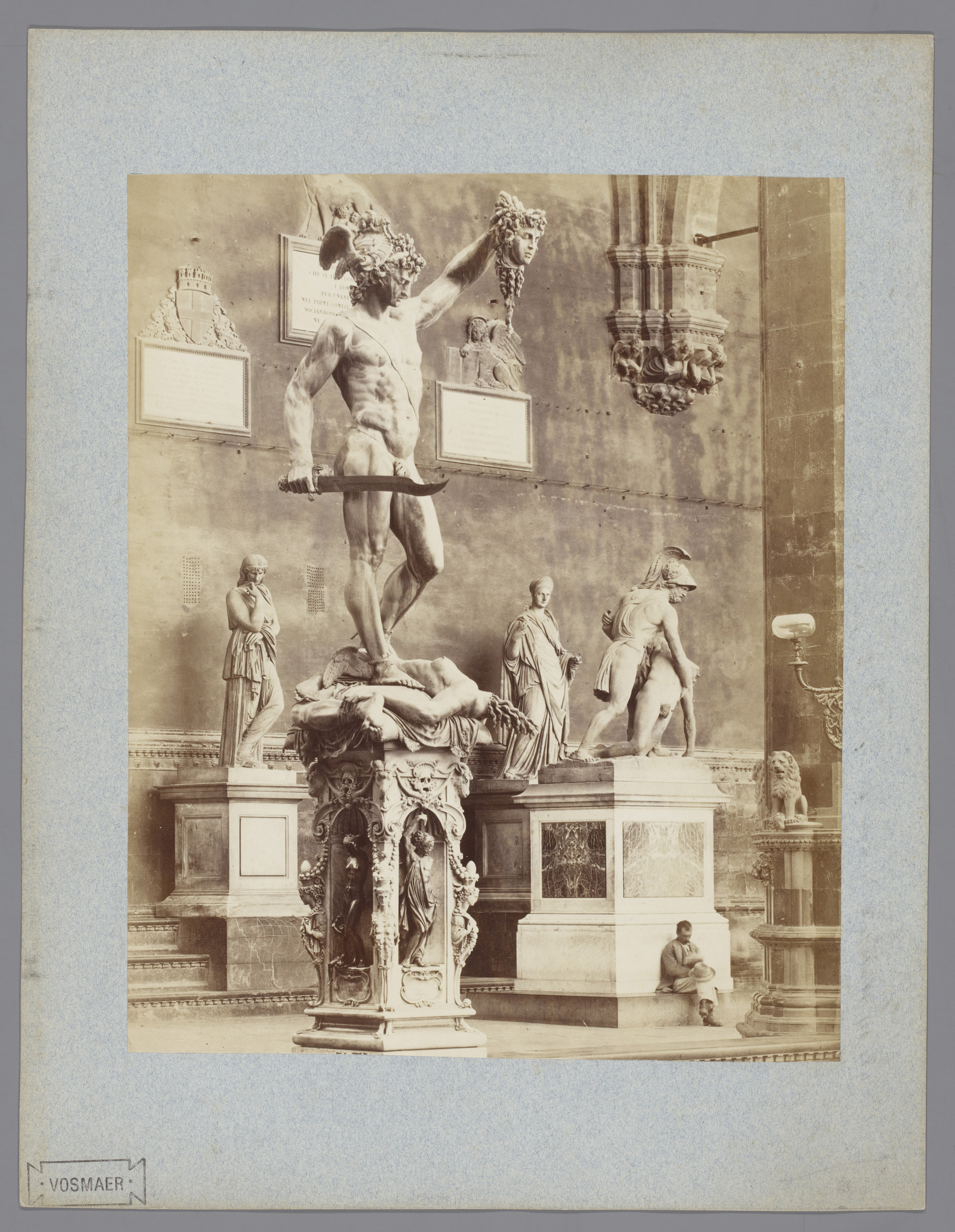
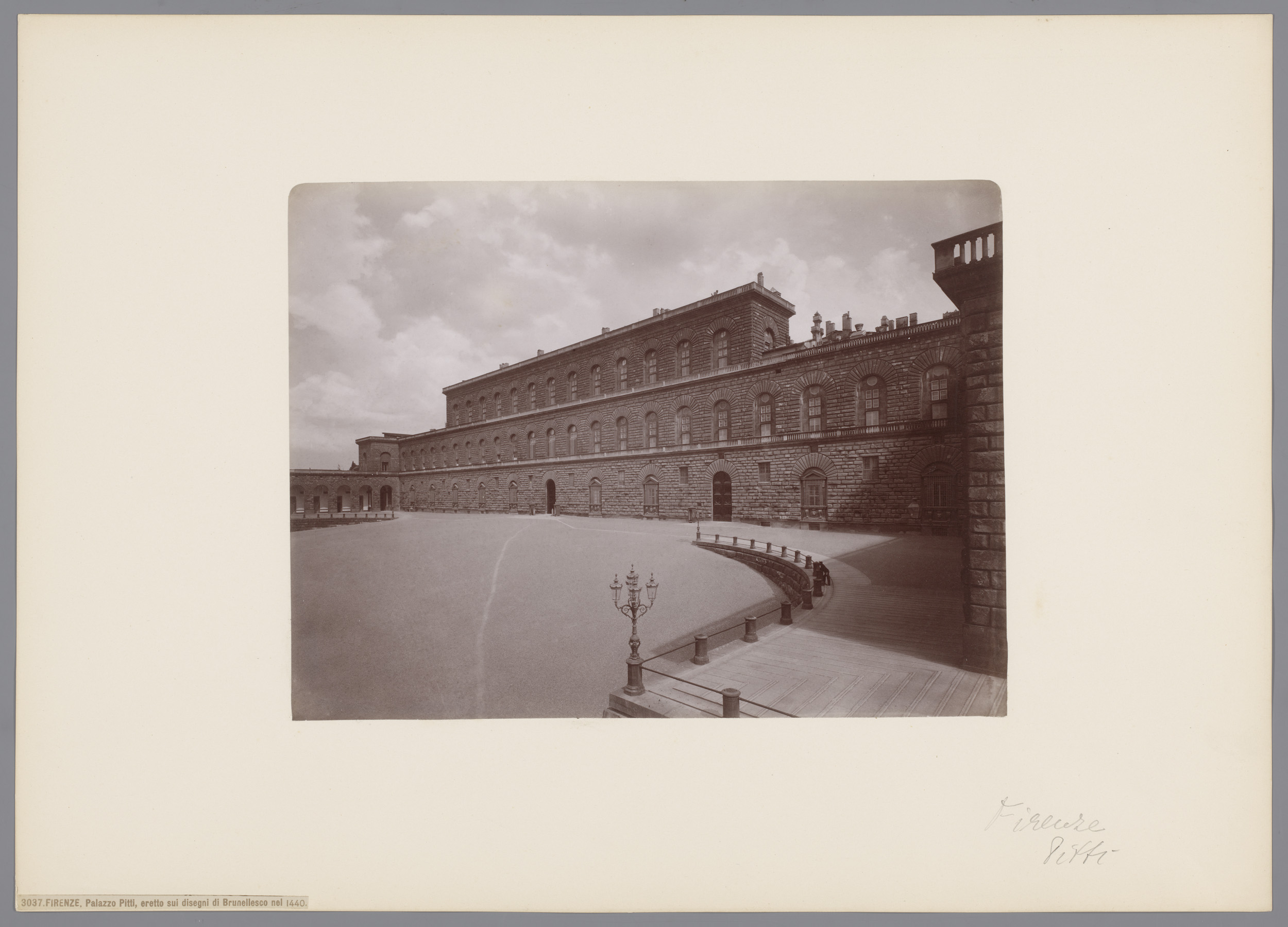
What if beauty was never meant to be finished? This question reverberates through the stillness of the Palazzo del Podestà, where the architectural grandeur seems to whisper secrets of its storied past. Focus on the intricate arches and their shadows, drawing your gaze down the cobbled courtyard. Notice how the sunlight cascades through the open spaces, creating a dance of light and shadow that animates the aged stones.
The soft hues of terracotta and the deep blues of the sky complement each other, while the meticulous detailing in the arches hints at the artist's deep reverence for classical beauty. The symmetry invites you to linger, beckoning a sense of tranquility amid the grandeur. Consider the contrasts that emerge in this serene composition—old versus new, interior versus exterior, stability versus transience. The faint echo of footsteps suggests a history that ebbs and flows, the very lifeblood of this space.
Each element, from the weathered stones to the delicate play of light, speaks of the passage of time, capturing both the splendor and the melancholy of a moment frozen in history. In the mid-19th century, Giacomo Brogi was encapsulated by the Romantic movement’s fascination with Italy's rich architectural heritage. Creating this piece between 1856 and 1881, he aimed to document the essence of Florence’s picturesque beauty while blending realism with a dreamlike quality. During this time, Brogi engaged with an art world experiencing rapid changes, seeking to immortalize the enchanting allure of the past while inviting viewers to reflect on their own perceptions of grandeur and time.