Birken am Moorgraben — History & Analysis
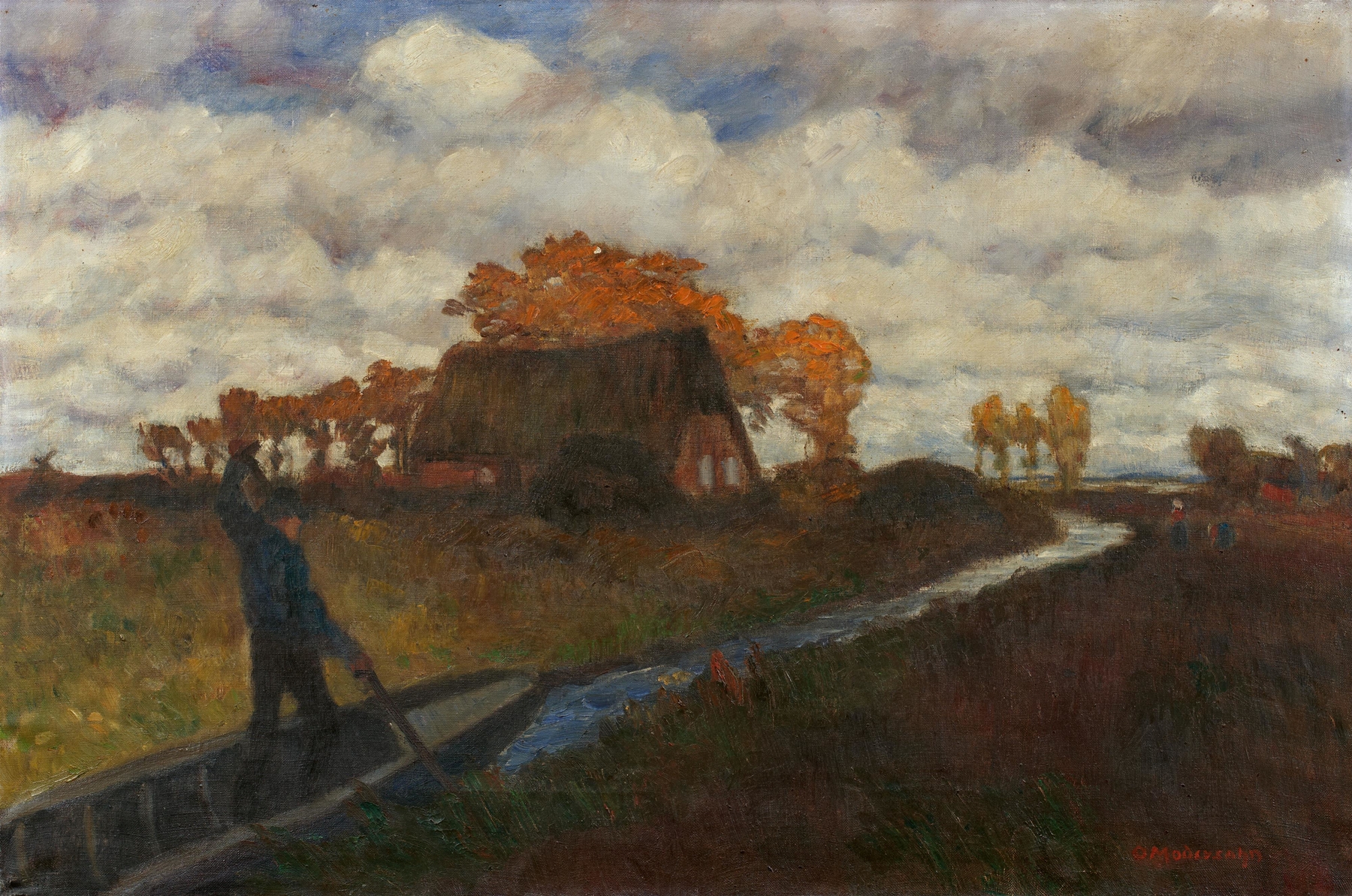
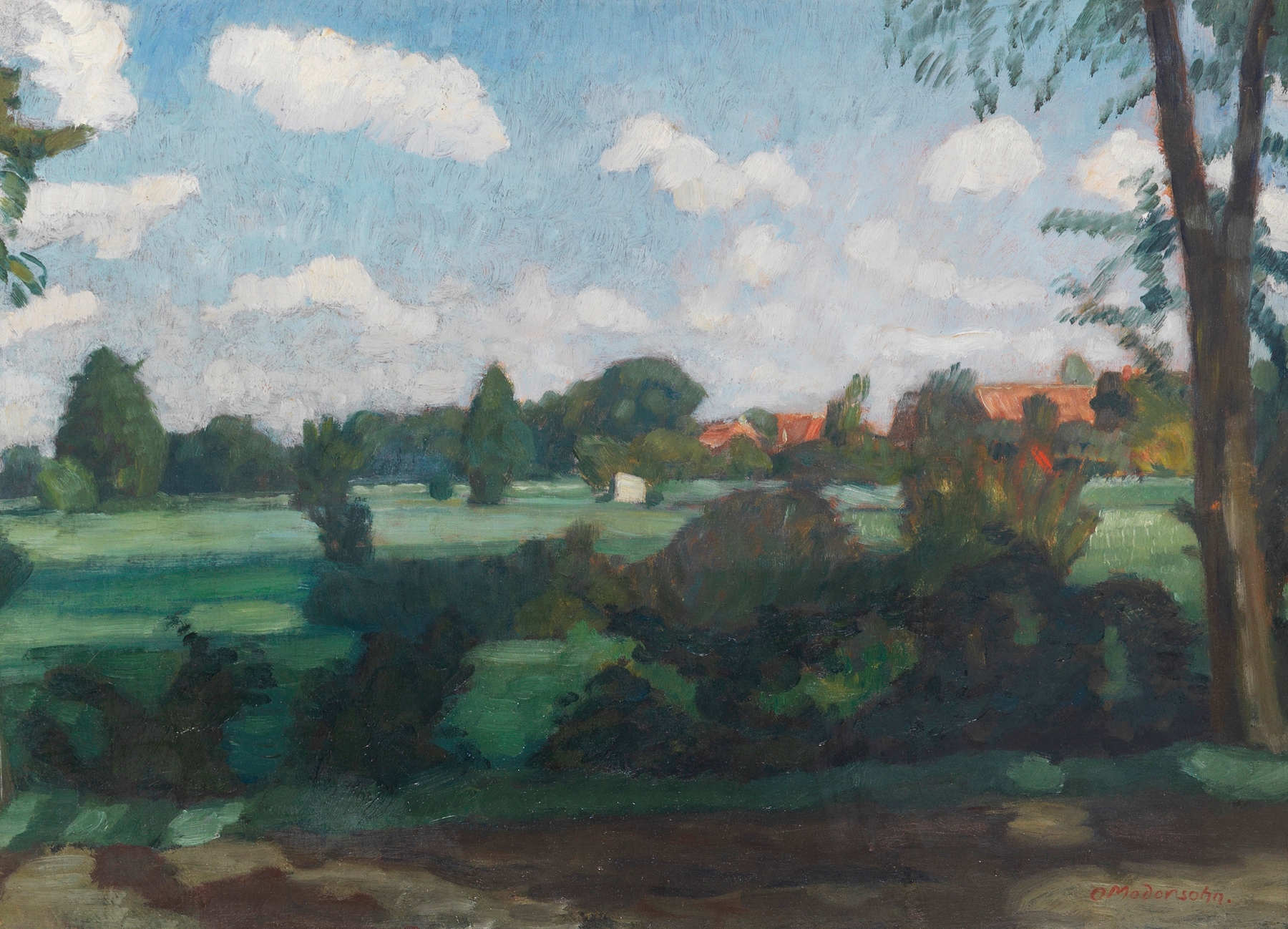
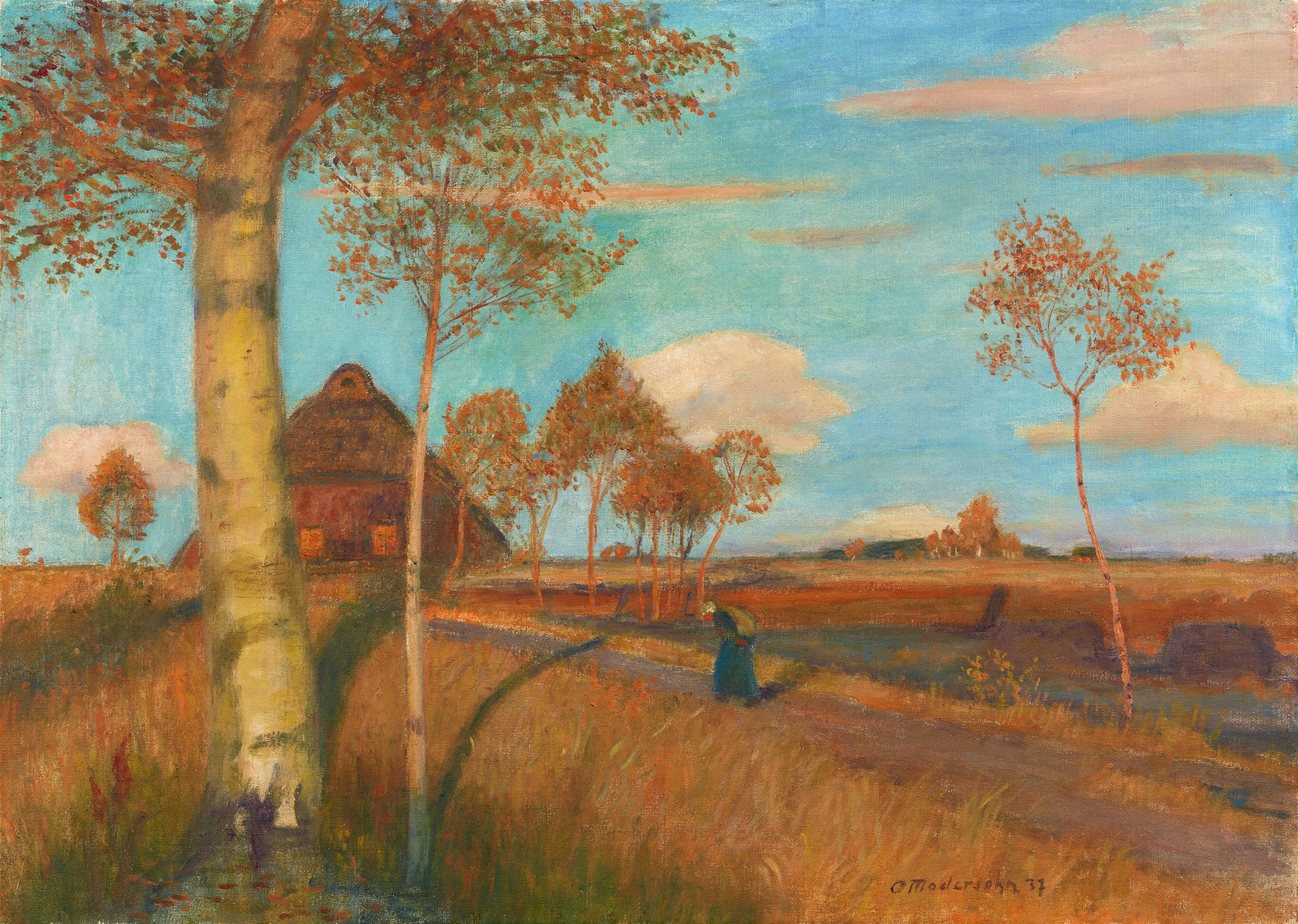
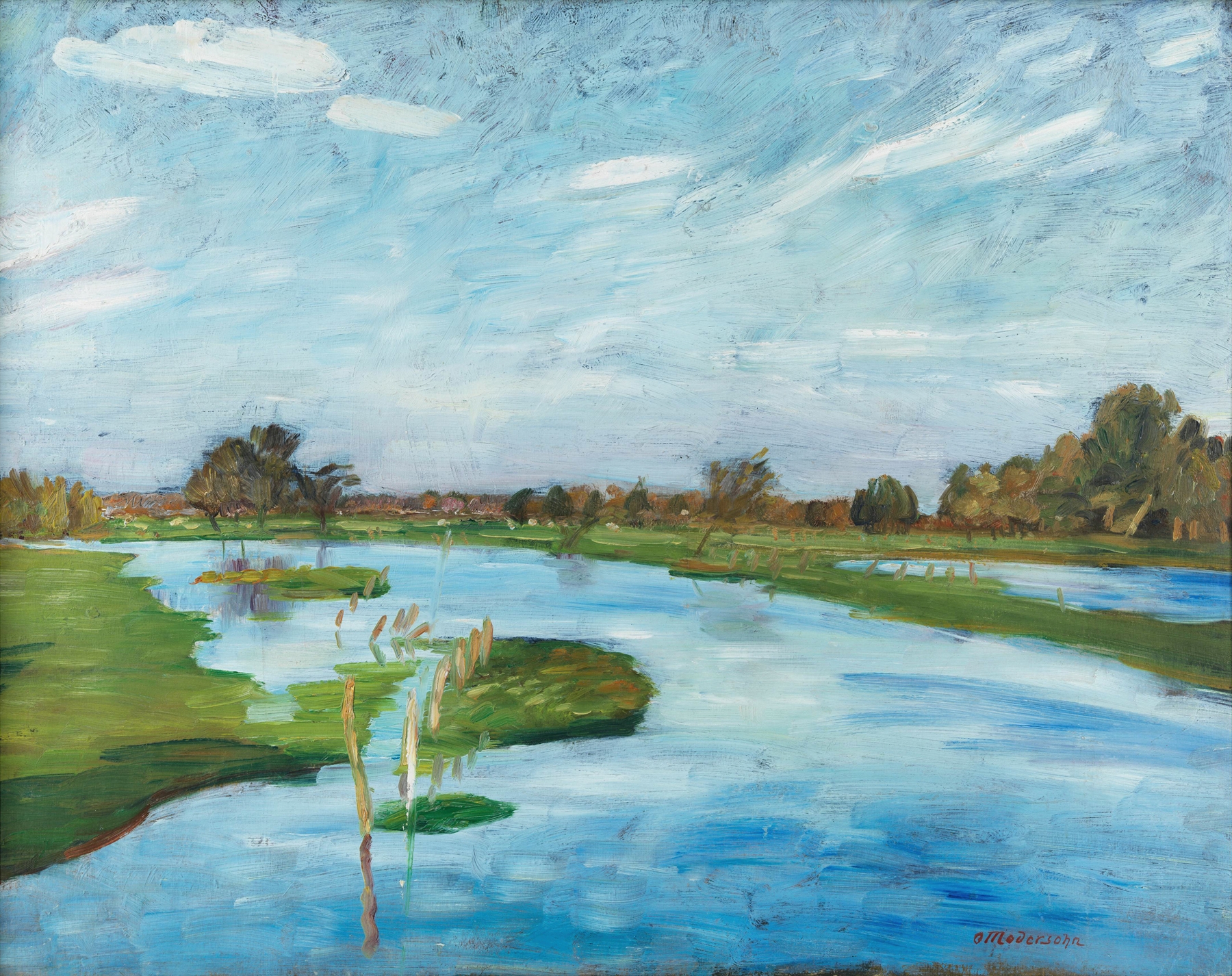
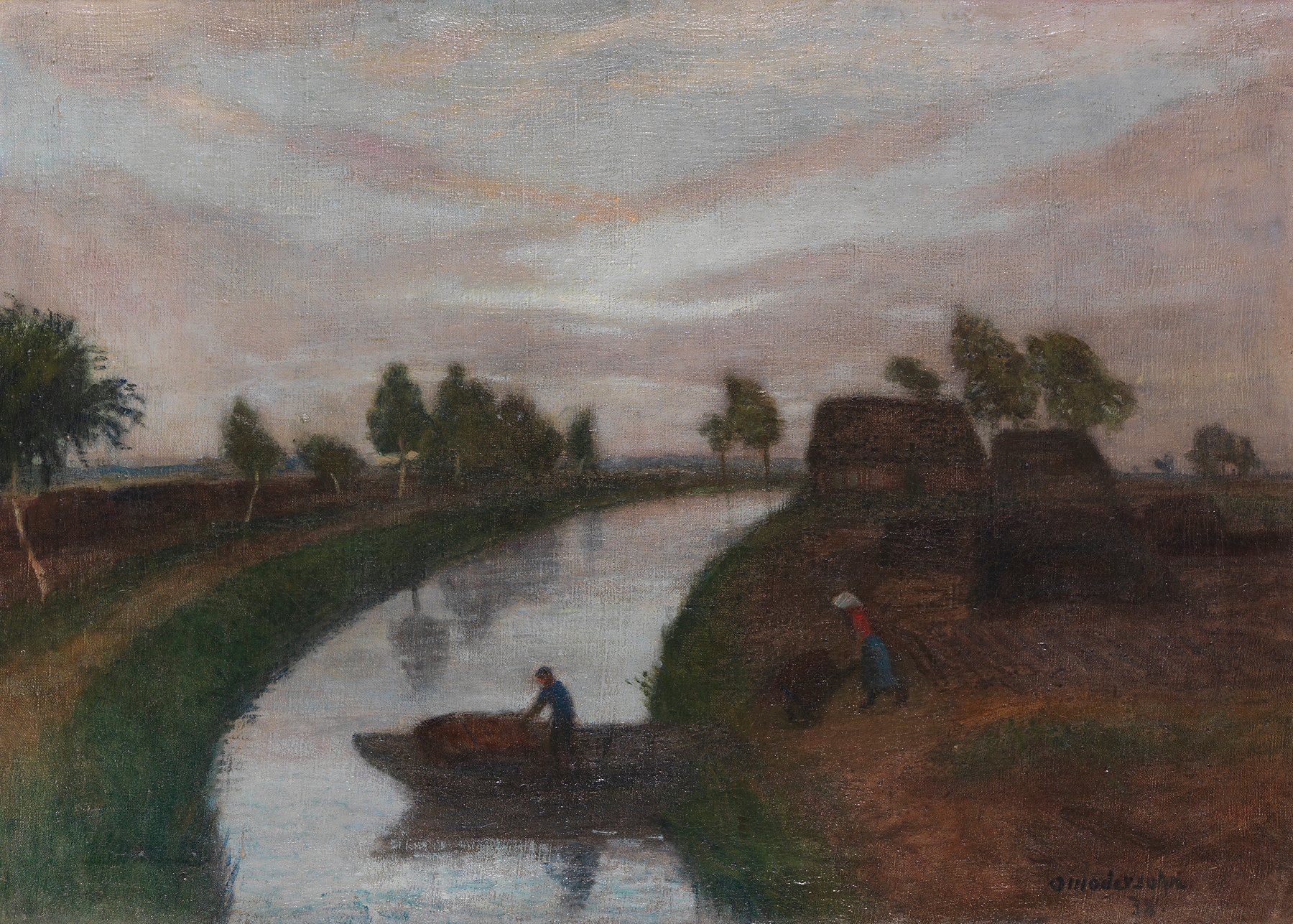
“Between color and silence, truth hides.” The yearning for connection and understanding often lingers in the spaces between nature and the human experience, where the soul seeks solace. This tension resonates deeply in the layers of Birken am Moorgraben. Look to the foreground, where slender birch trees rise gracefully, their white trunks contrasting starkly against the rich greens of the underbrush. The interplay of light and shadow invites your gaze to wander, revealing delicate brushwork that captures the rustling leaves and murmuring water.
Notice how the soft, muted palette reflects the tranquility of the scene, while the subtle variations in hue convey a sense of depth and intimacy, almost as if the viewer is peering into a secret world. Yet, amidst the serene beauty, there lies an undercurrent of solitude. The arrangement of the trees, standing sentinel-like, evokes both a protective embrace and an isolating distance. The gentle ripple of the moorgraben suggests a passage of time, a reminder of nature's relentless flow, while the stillness of the air amplifies an ache for connection.
This duality of comfort and longing is woven into the fabric of the landscape, inviting contemplation on the relationship between humanity and the wild. In 1904, Otto Modersohn painted this piece during a transformative period in his life, having recently settled in Worpswede, Germany, a hub for artists seeking to capture the essence of rural life. This was a time when the German Impressionism movement was gaining momentum, reflecting a shift towards a more personal, emotive approach to landscape painting. As Modersohn immersed himself in the local scenery, he found inspiration in the quiet beauty of his surroundings, forging a powerful connection with nature that is palpable in this work.