Biwak russischer Soldaten — History & Analysis
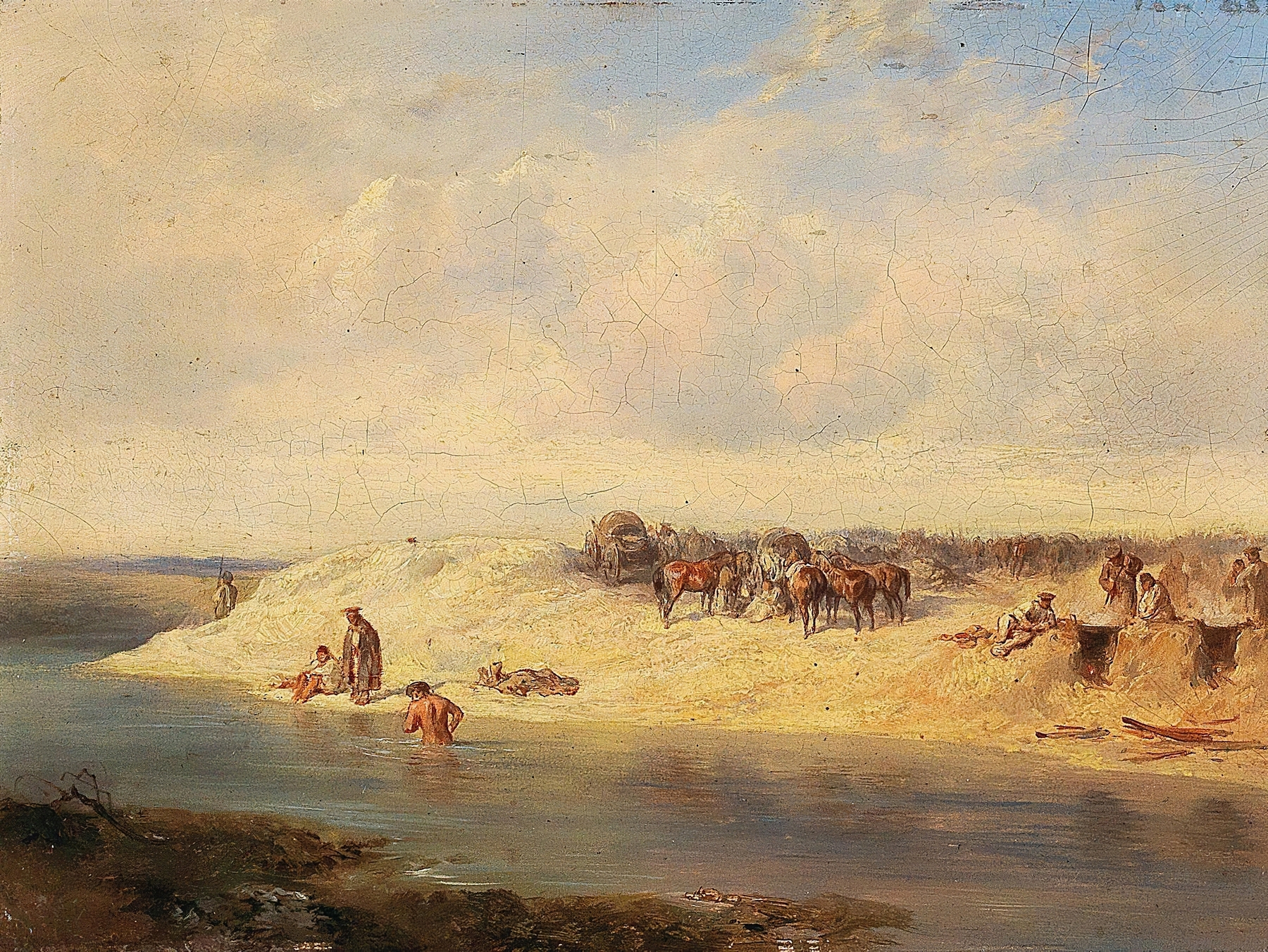
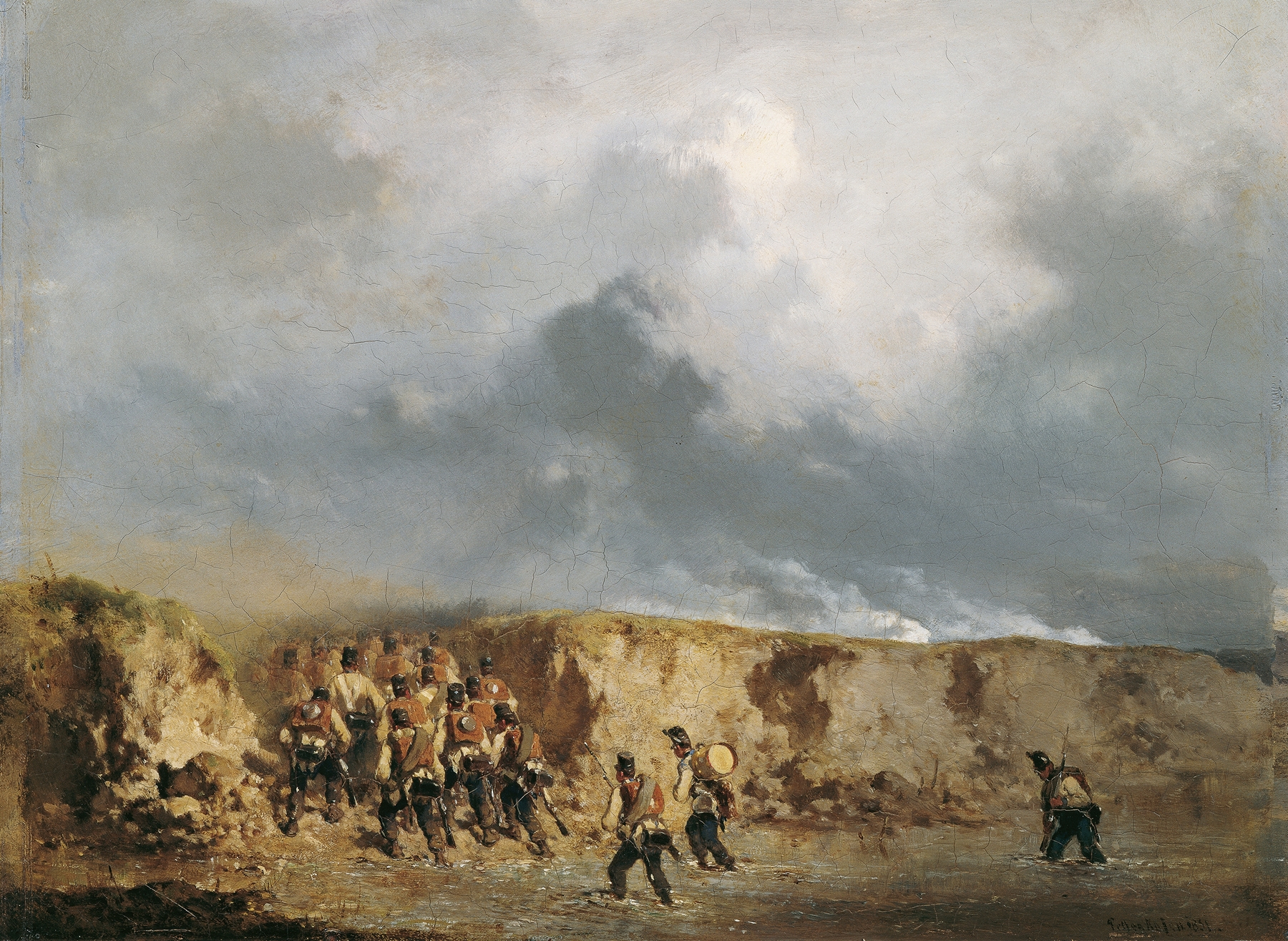
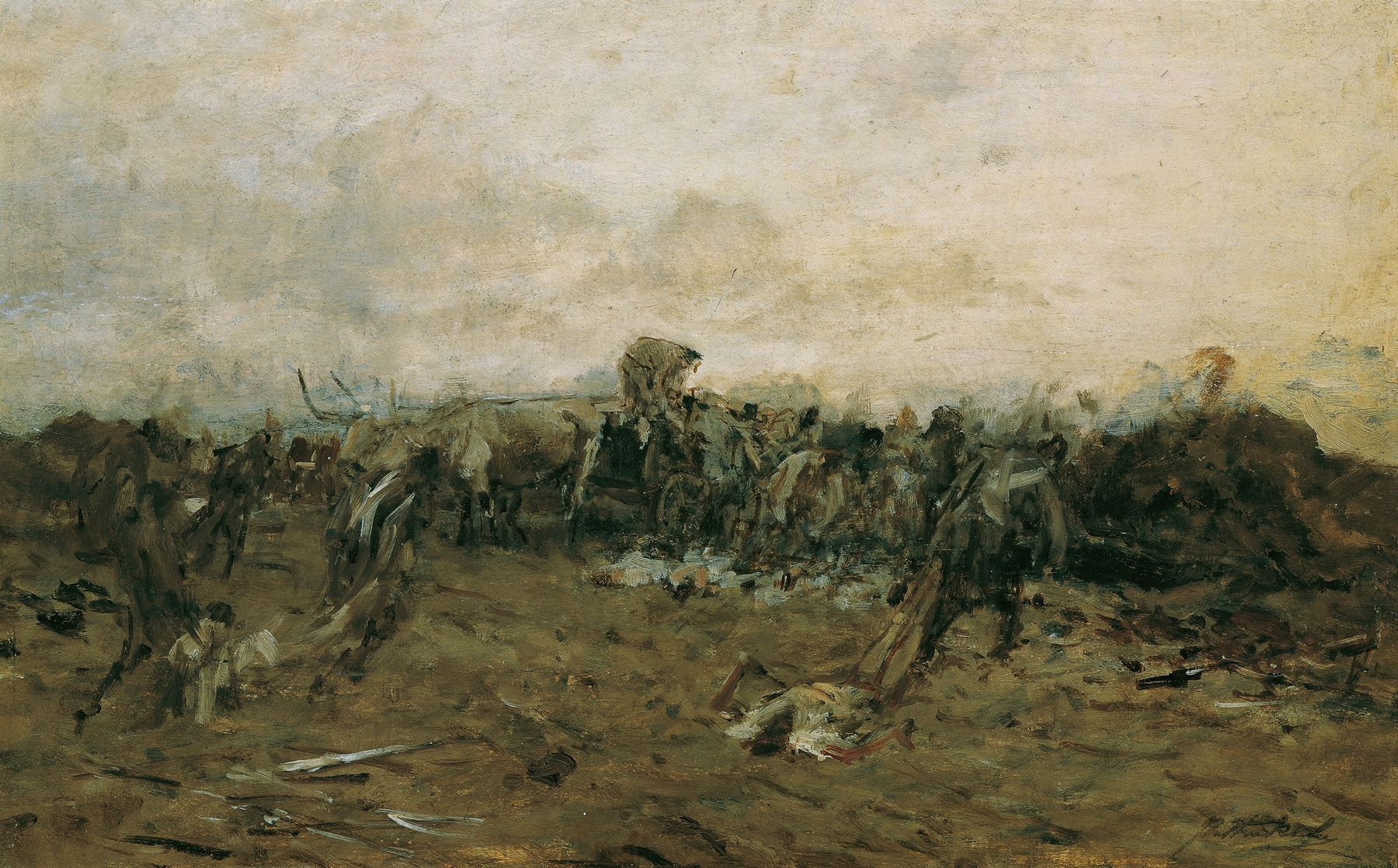
When did color learn to lie? In a world where beauty often masks reality, one can wonder how truth and deception coexist on the canvas. Focus on the striking interplay of light and shadow in Biwak russischer Soldaten. With a keen eye, explore the soft glow illuminating the soldiers huddled in their temporary camp. Notice how the warm earth tones of their uniforms contrast against the cool blues and greens of the surrounding landscape, highlighting the tension between the comfort of camaraderie and the harshness of their environment.
The arrangement of figures invites viewers to contemplate their shared experience — a moment frozen in time, yet laden with the unspoken burdens of duty and sacrifice. As you delve deeper, observe the small details that whisper stories of resilience and vulnerability. The way a soldier’s hand rests on his knee, relaxed yet vigilant, speaks to the duality of peace and the ever-looming threat of conflict. The expressions on their faces subtly reveal a spectrum of emotions, hinting at hope and despair in a world filled with uncertainty.
Even the flicker of the campfire pulls attention, a symbol of warmth amid the cold expanse, echoing the human desire for connection in times of turmoil. In 1852, during a period marked by significant geopolitical shifts in Europe, the artist captured this poignant scene while living in Vienna. At a time when the realities of war were often romanticized, he sought to portray a more authentic depiction of soldiers’ lives, stepping away from the grandiose narratives prevalent in art. This choice underscored his commitment to social realism, enhancing the emotional depth and resonance within his work.