Blick auf eine Stadt — History & Analysis
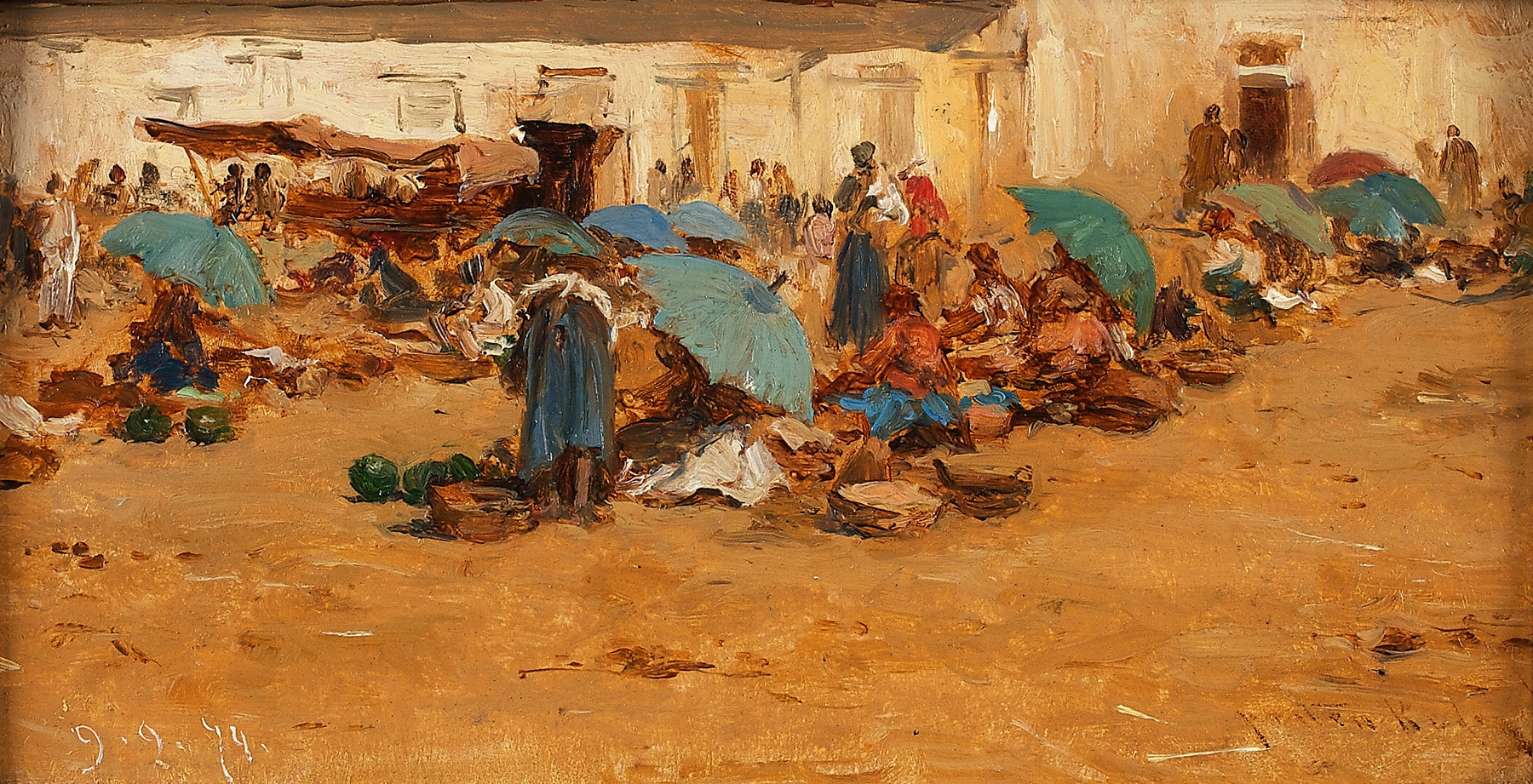
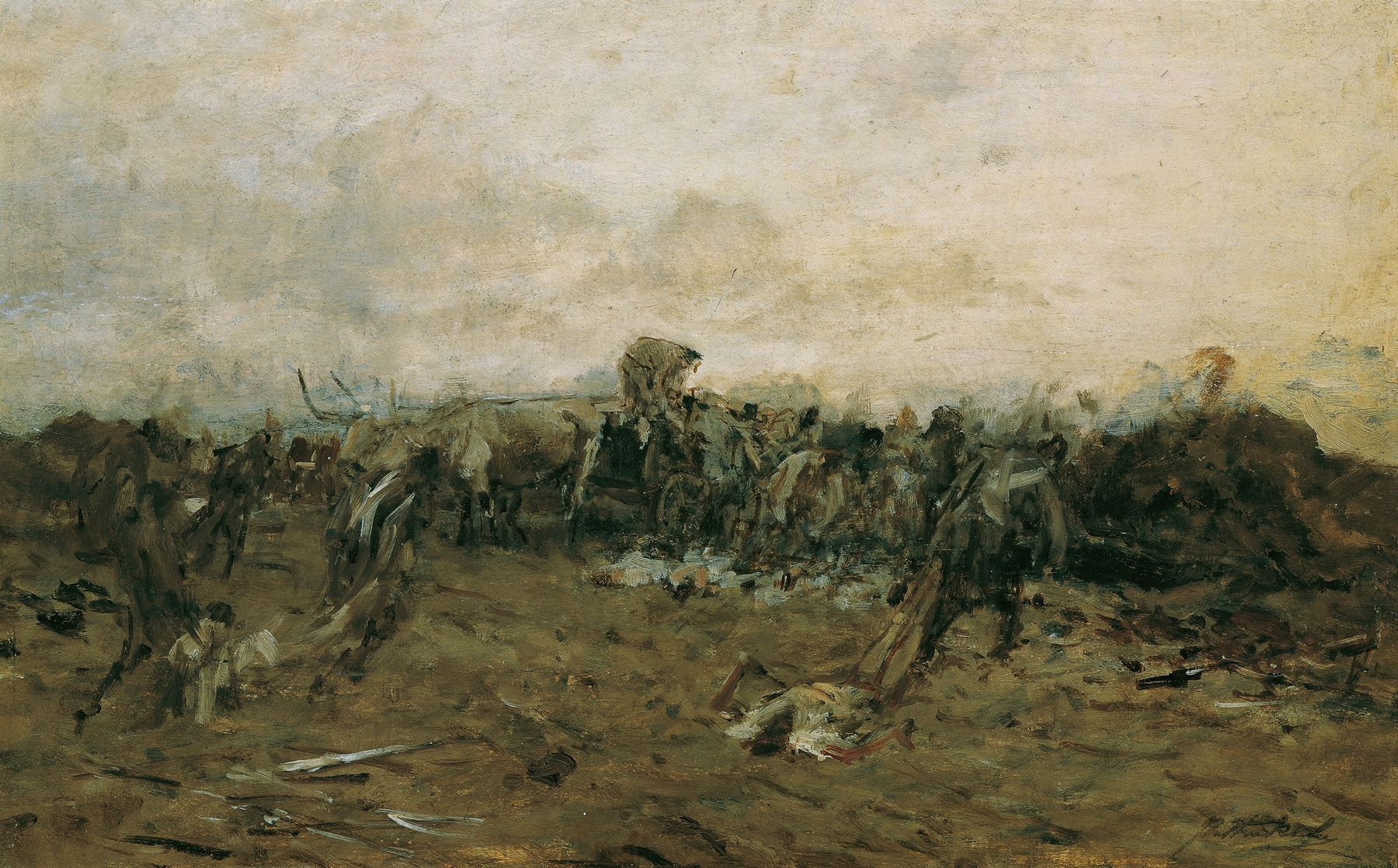
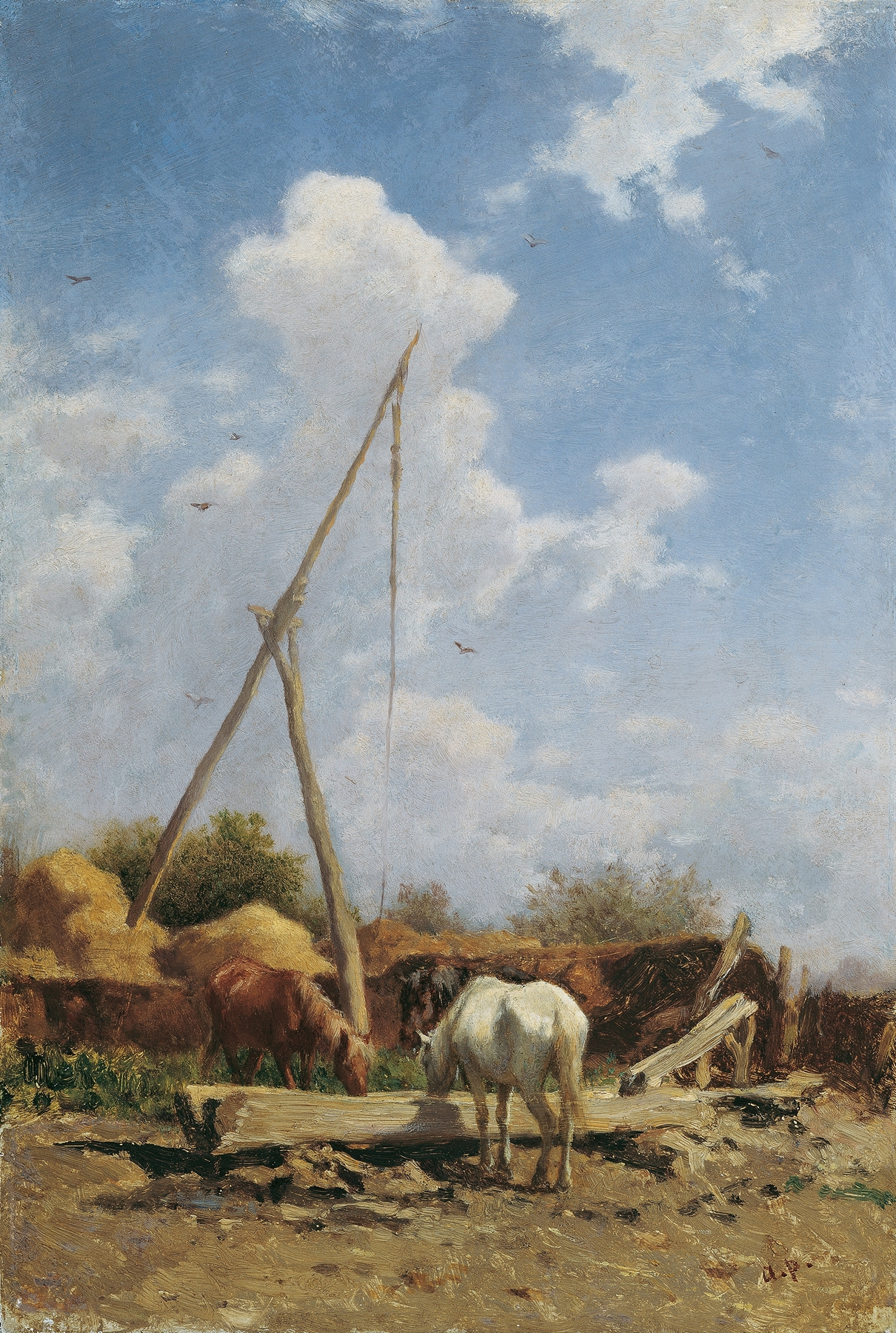
Where does light end, and longing begin? In the quiet embrace of twilight, the vibrant hues of a cityscape whisper stories of time and memory. Look to the left at the warm ochres and deep blues that create a striking contrast against the gentle light of the setting sun. Notice how the buildings rise, their silhouettes softened by the fading day, each structure a testament to the passage of time.
The brushstrokes dance with a delicate precision that captures both the vibrancy and solitude of urban life, while the carefully applied highlights draw the eye upward, urging it to soar above the mundane and into the realm of possibility. Yet, amid the beauty of the architecture lies an undercurrent of melancholy—each window, a reminder of lives unfolding behind closed doors. The distant horizon hints at an unknown future, while the foreground grounds us in the present moment, contrasting the urgency of time's relentless march against the stillness of the scene. Here, the viewer may sense both connection and isolation, as if the city breathes, inhaling the dreams and aspirations of its inhabitants while exhaling a sense of longing.
In the late 19th century, the artist created this work during a pivotal time in the art world, marked by a growing interest in urban life and impressionistic techniques. As a member of the Viennese art scene, August von Pettenkofen was inspired by the transformative power of light and the changing landscapes of modernity. This painting reflects not only his personal journey but also the collective experience of an era caught between tradition and innovation.