Markt in Szolnok — History & Analysis
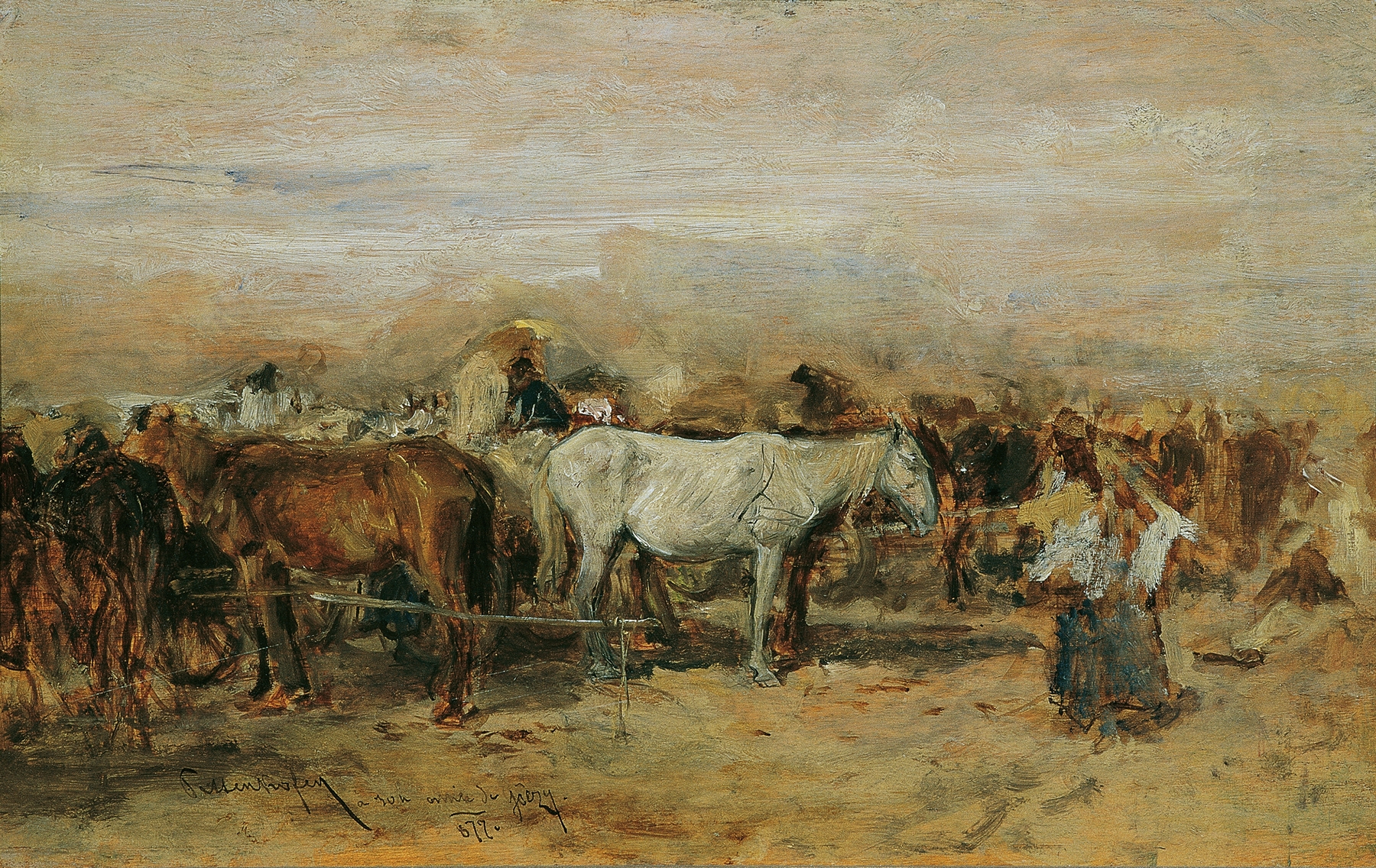
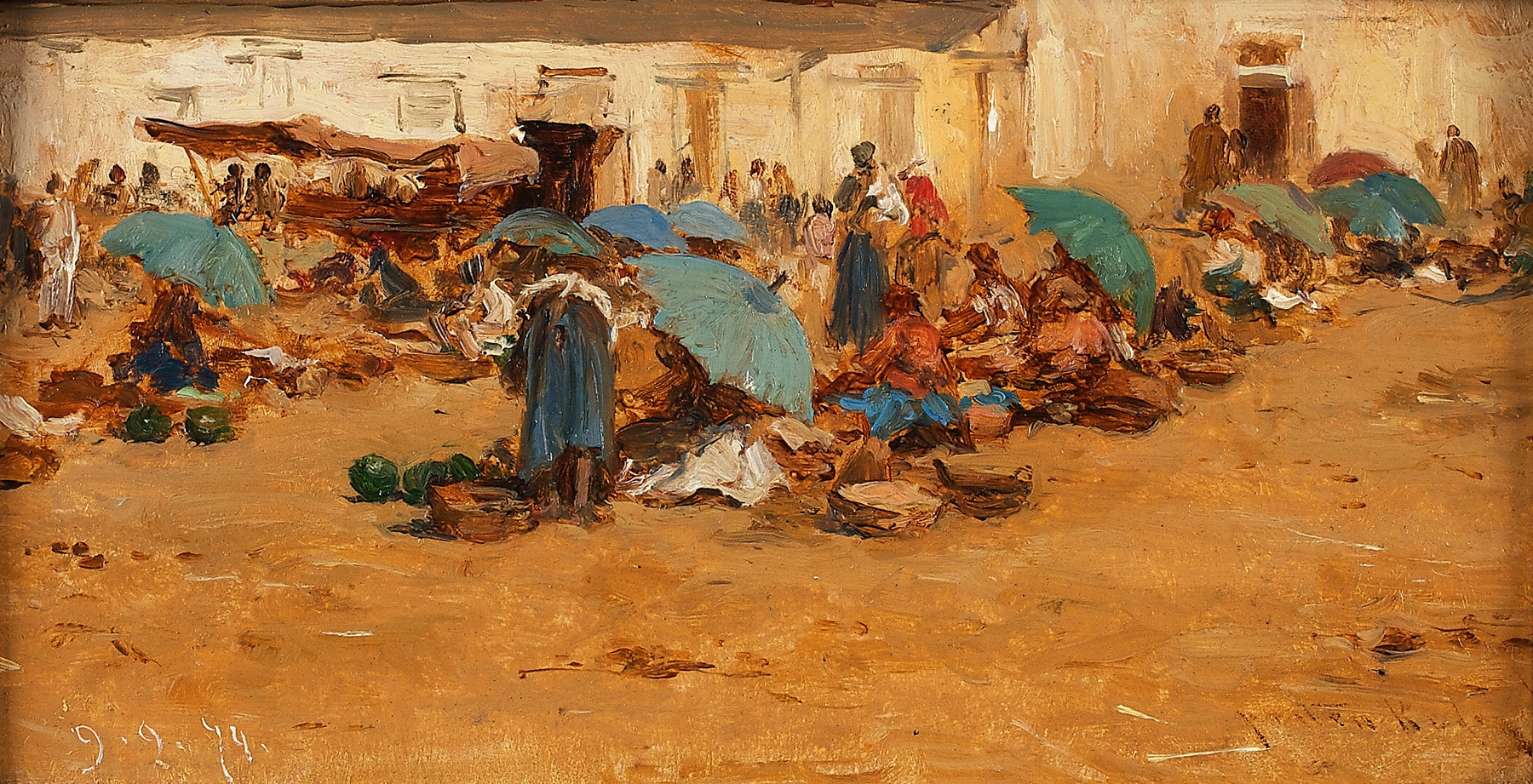
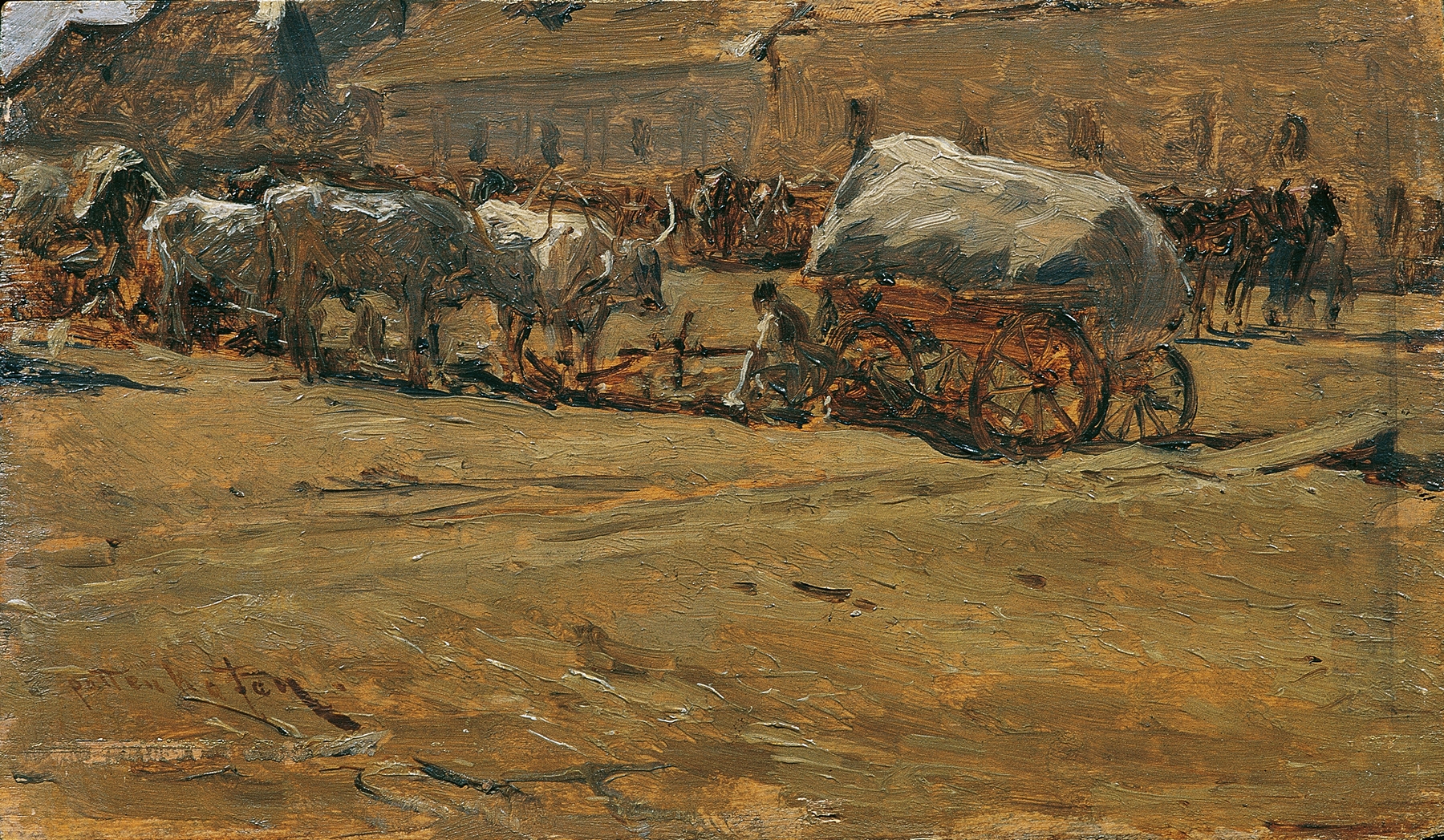
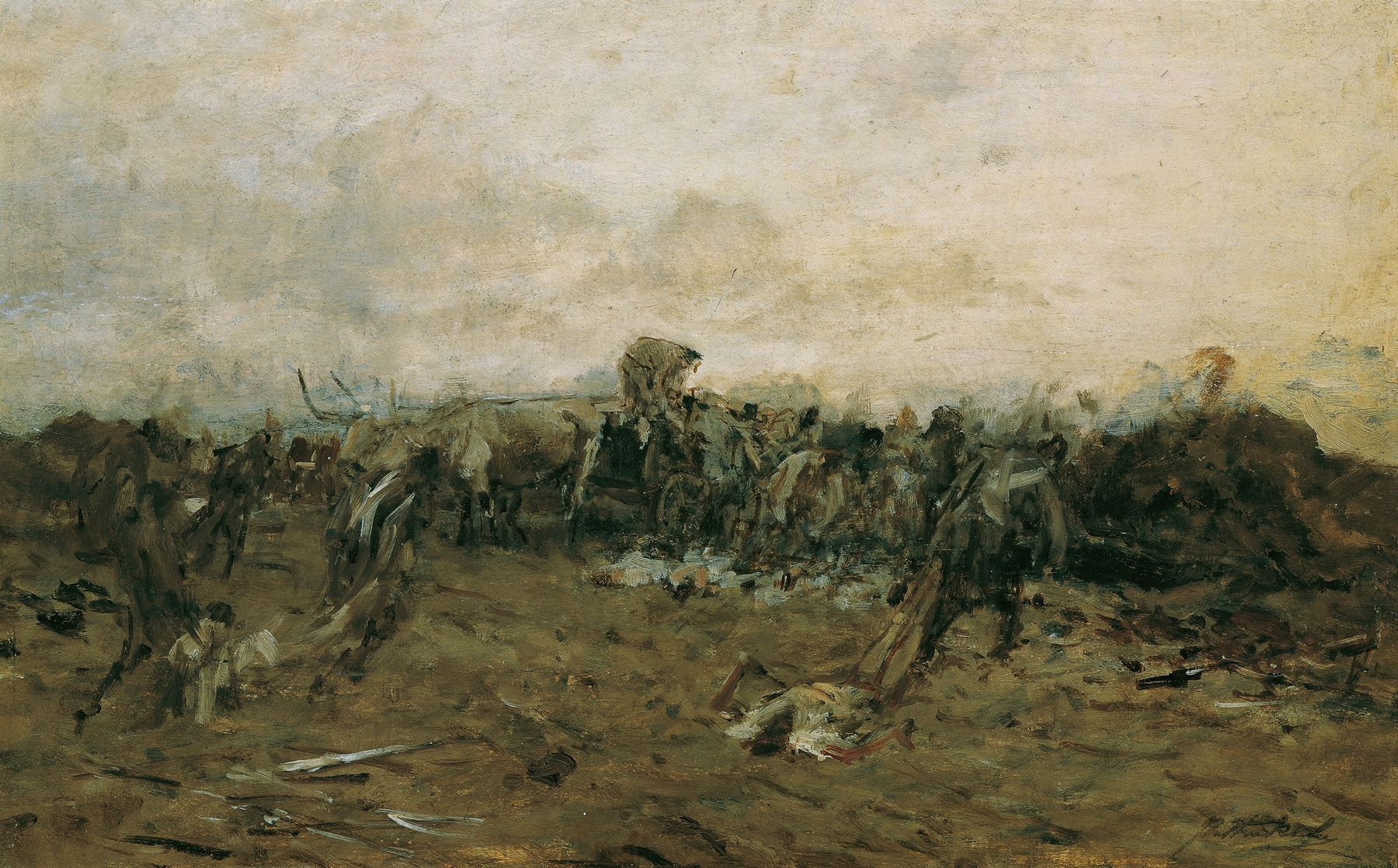
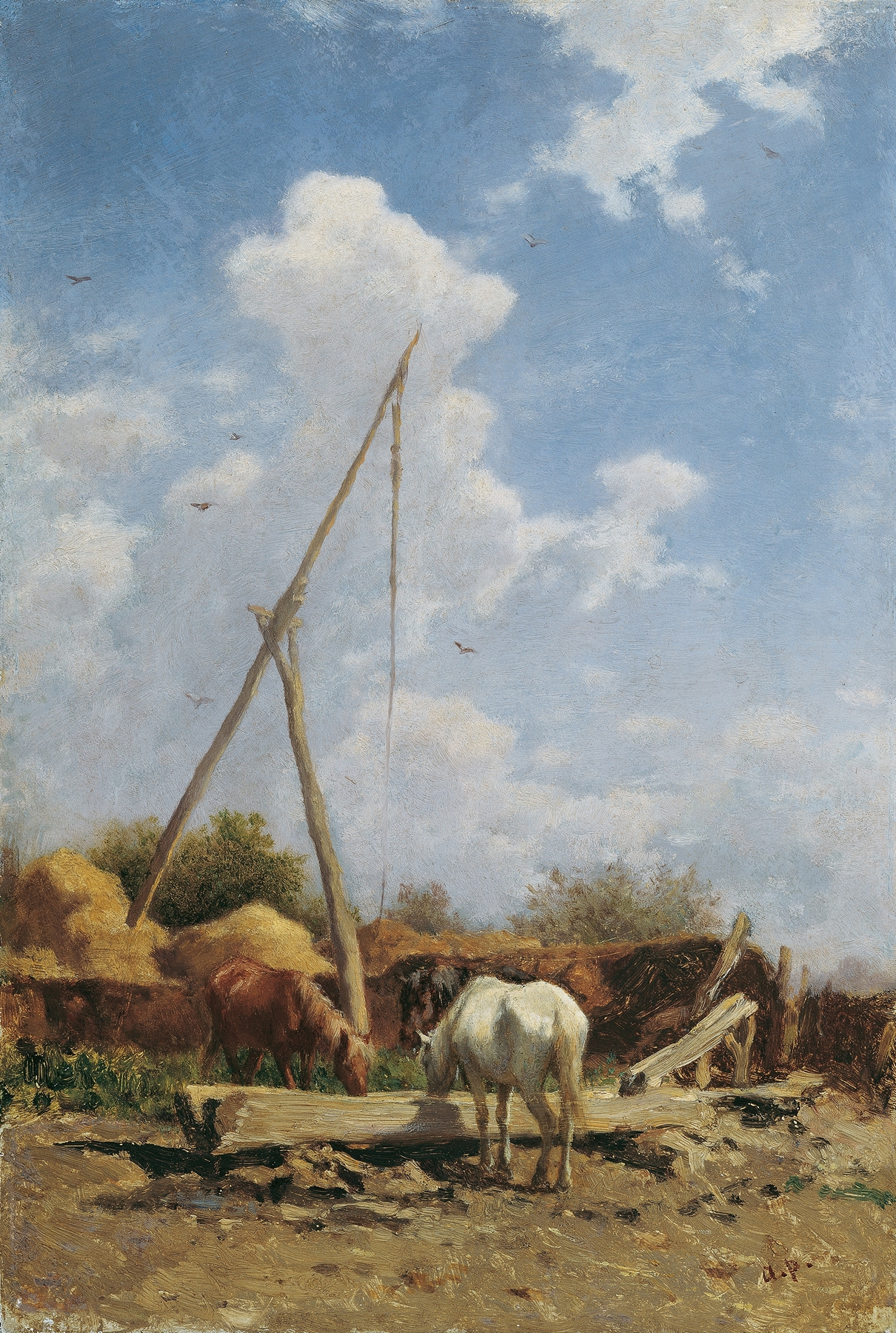
What if beauty was never meant to be finished? In Markt in Szolnok, the fleeting essence of daily life unfurls, revealing a world brimming with the vibrancy of human connection and the rustle of commerce. Focus on the lively interaction in the center, where figures converge in animated discussions, their colorful garments blending harmoniously with the earthy tones of the marketplace. Notice how the sunlight pours through the canopy of trees, casting dappled shadows that dance across the cobblestones.
The artist's deft brushwork captures not only the details of clothing but also the expressions on the faces, a testament to a moment shared, rich with unspoken stories. Hidden within the composition are echoes of transience and the passage of time. The way the figures lean into each other suggests camaraderie, yet the presence of vendors packing away their wares hints at the inevitable close of day—a reminder that every encounter is fleeting. The juxtaposition of the lively market atmosphere with the quiet looming of dusk evokes a sense of awakening to life’s impermanence, urging viewers to appreciate the moment before it slips away.
Painted between 1870 and 1880, this piece emerged during a significant period of artistic exploration in Europe. August von Pettenkofen was deeply influenced by the realities of everyday life and the burgeoning realism movement, reflecting a society in transition. His focus on ordinary scenes marked a departure from the grandiose subjects of earlier periods, capturing the essence of a world awakening to its own beauty and complexity.