Blühender Obstbaum — History & Analysis
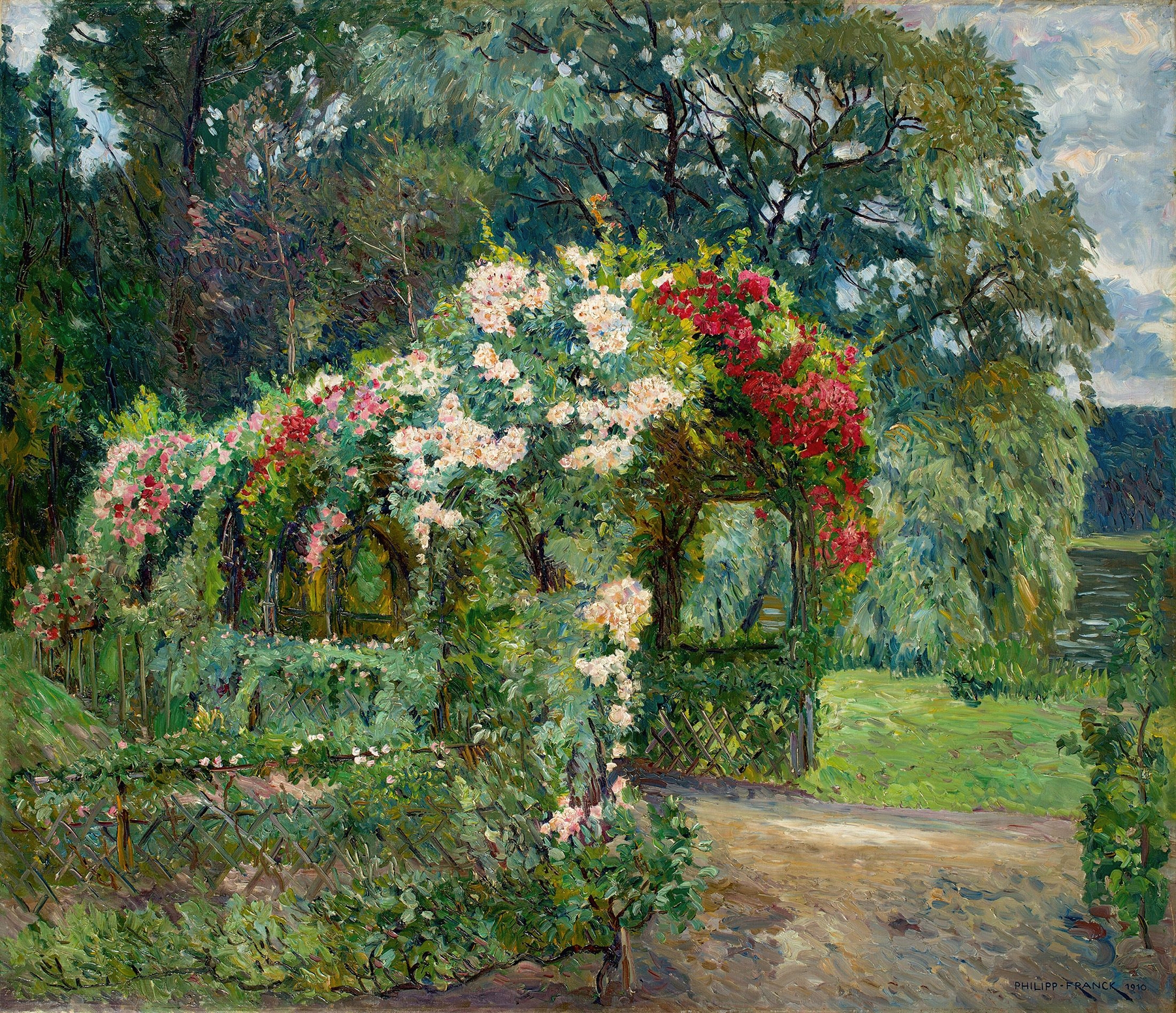
When did color learn to lie? In Blühender Obstbaum, light dances across a canvas filled with blossoms, inviting a contemplation of deception and reality within nature's beauty. Focus first on the vibrant pinks and whites that burst forth from the tree’s branches. Notice how the delicate petals seem to catch the morning sun, radiating their hues with a vitality that almost feels surreal. The background melds into soft greens and warm earth tones, creating a contrast that enhances the blossoms’ prominence.
Franck’s brushwork balances precision with spontaneity, drawing you into the outer edges of the composition. Yet beneath this seemingly idyllic scene lies a deeper narrative. The void surrounding the tree hints at the fragility of beauty and the transient nature of life. The blossoms, although alive with color, are ephemeral; their existence is a fleeting moment that cannot be held. This juxtaposition creates a tension between the vibrancy of spring and the inevitable approach of decay.
Franck captures not just beauty but an awareness of its temporality, inviting viewers to reflect on their own perceptions of growth and loss. In 1910, Philipp Franck was immersed in the artistic movements of his time, exploring Impressionism and the expressive qualities of color. Living in Germany, he was influenced by the vibrant artistic dialogue surrounding him. The early 20th century was marked by a shift towards abstraction and a disdain for strict representation, which resonated in Franck’s work as he sought to capture not only the appearance but also the emotional essence of the natural world.