Blumenstauden im Nutzgarten nach Nordwesten — History & Analysis
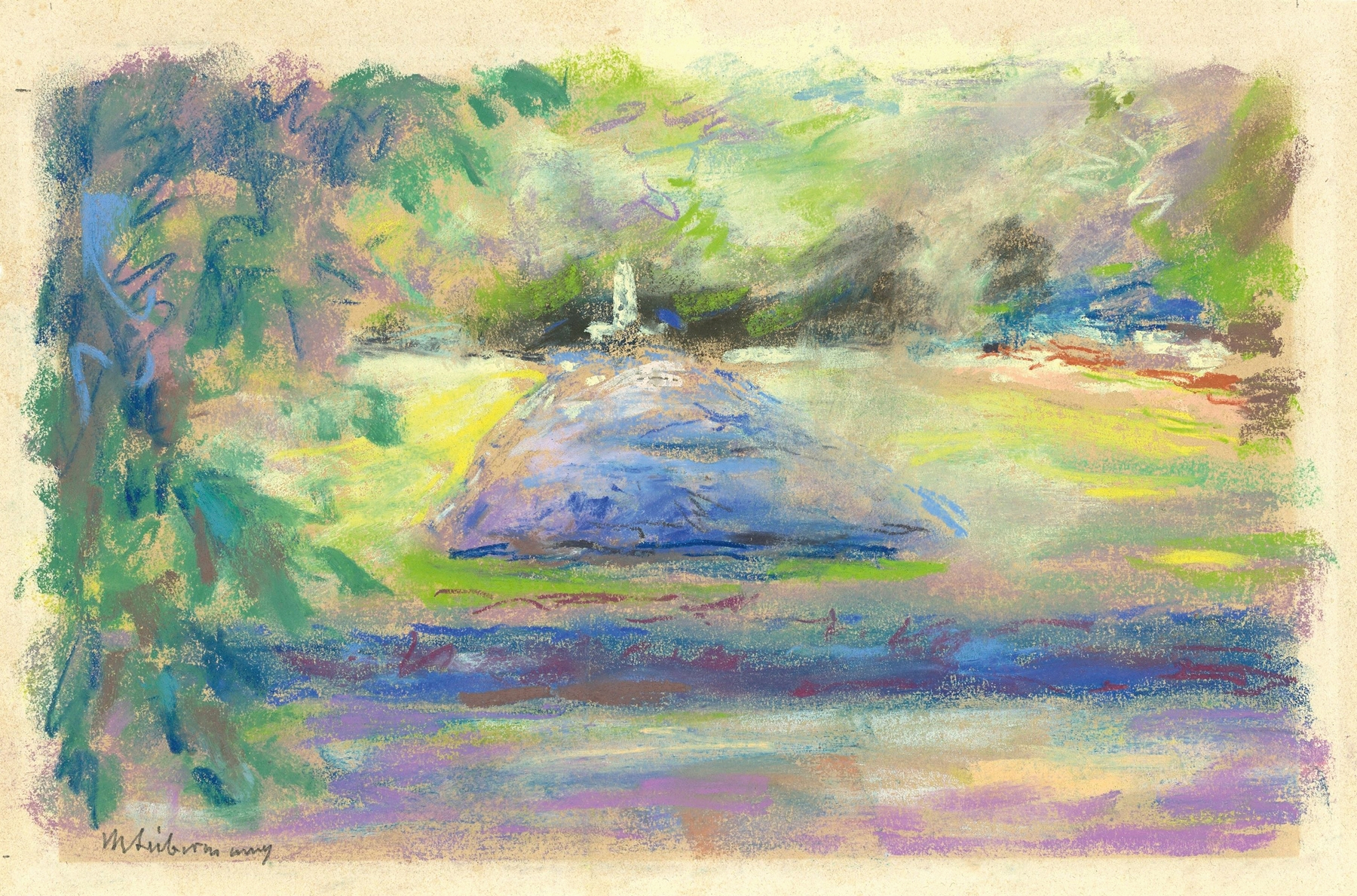
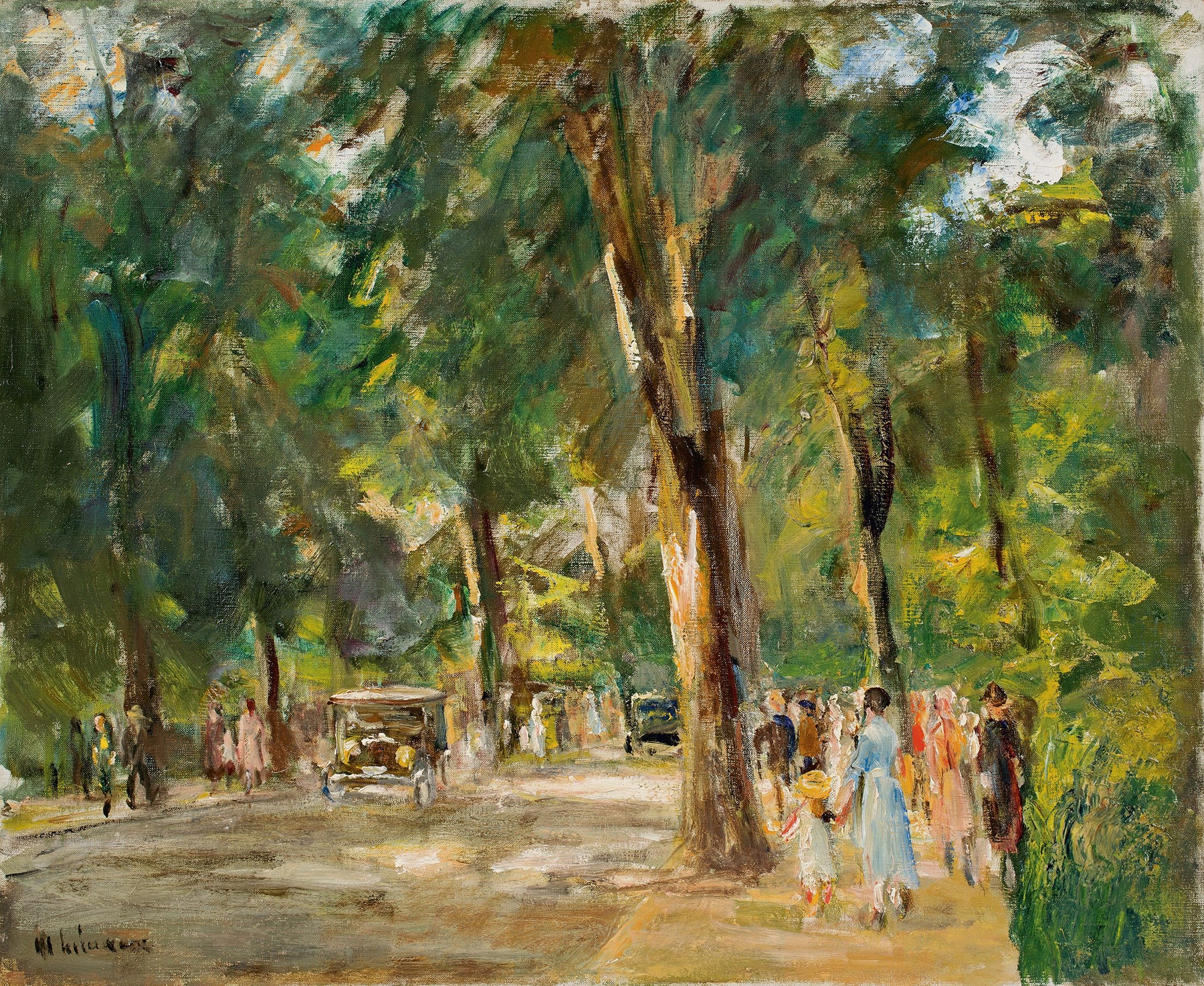
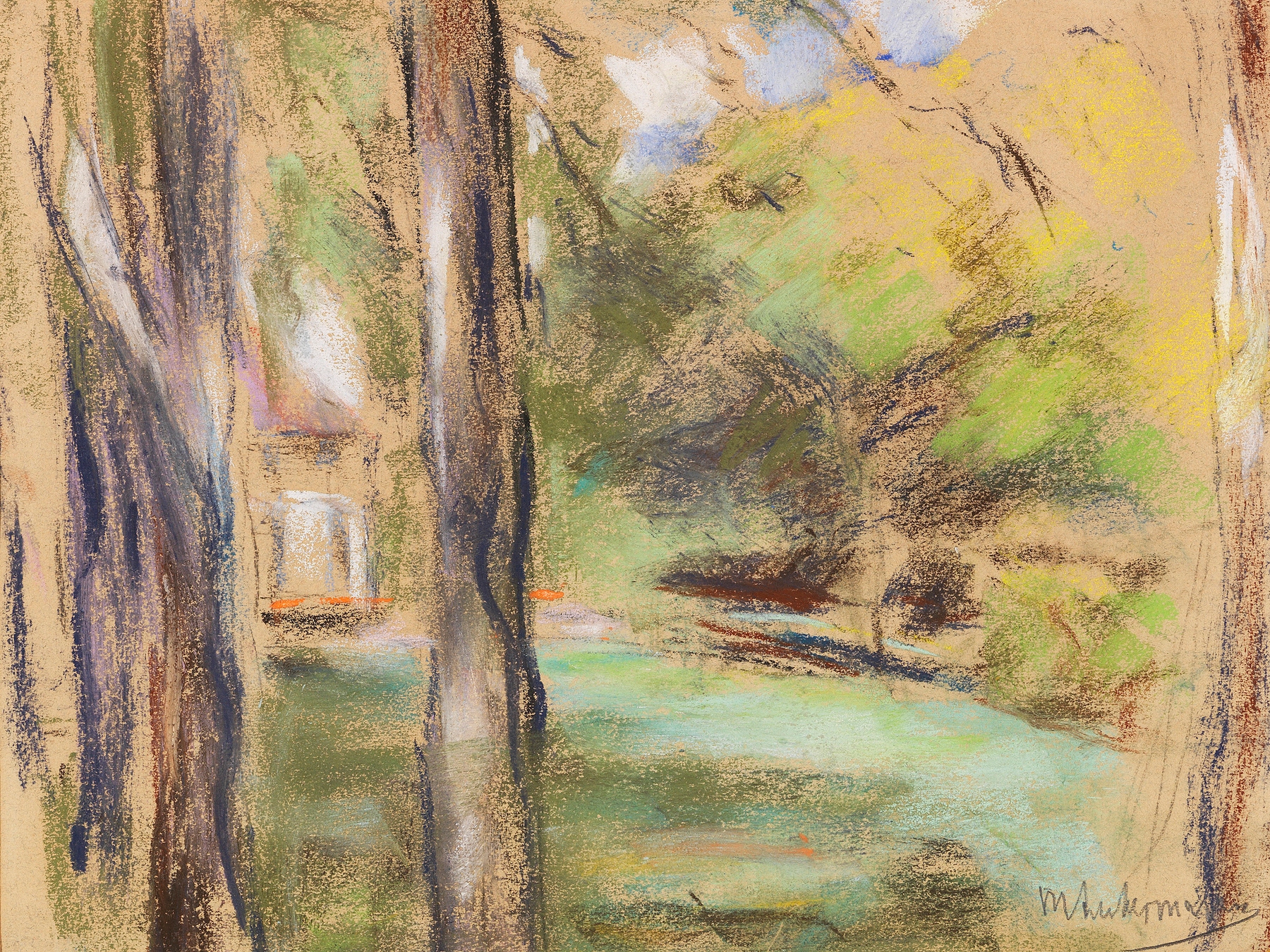
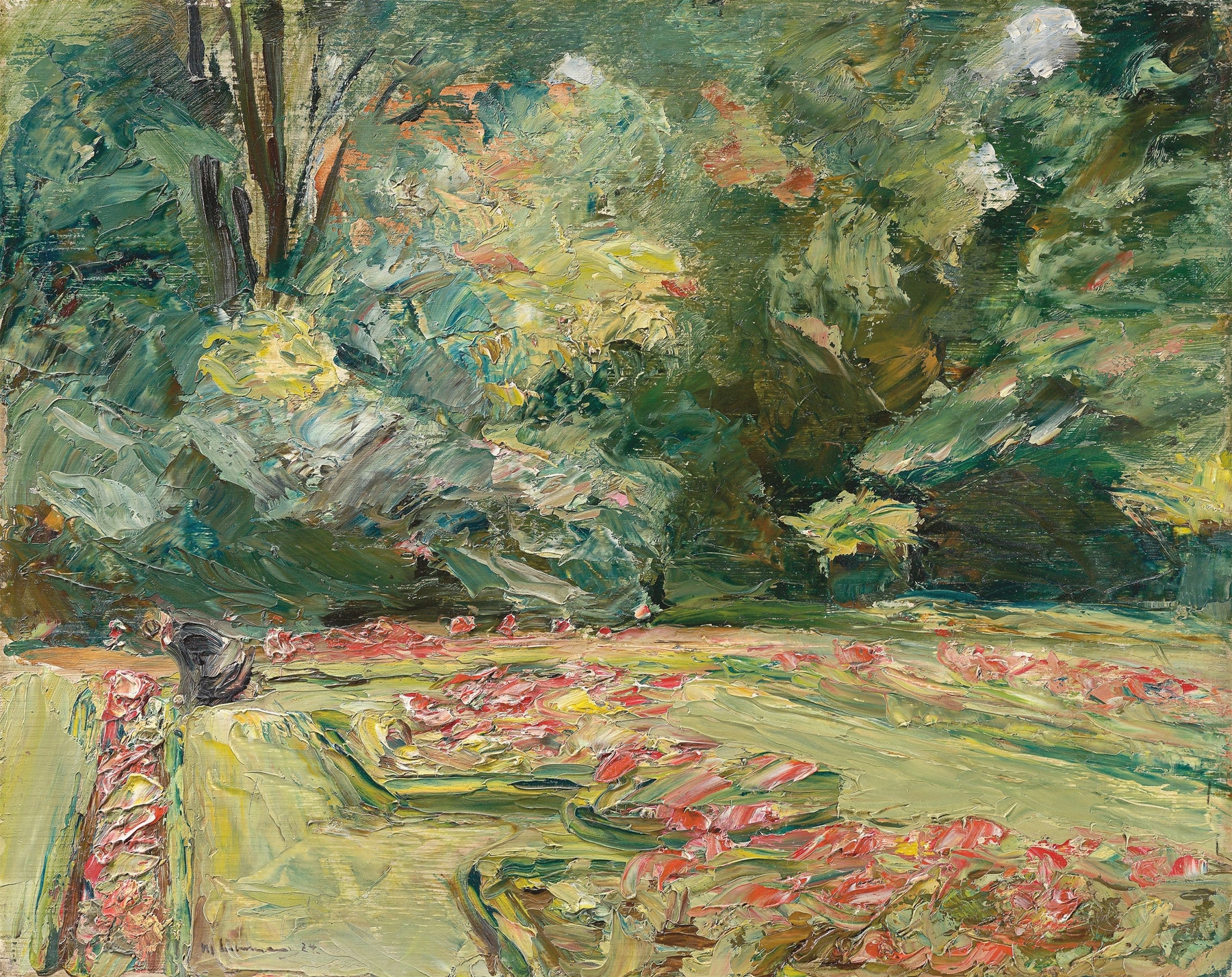
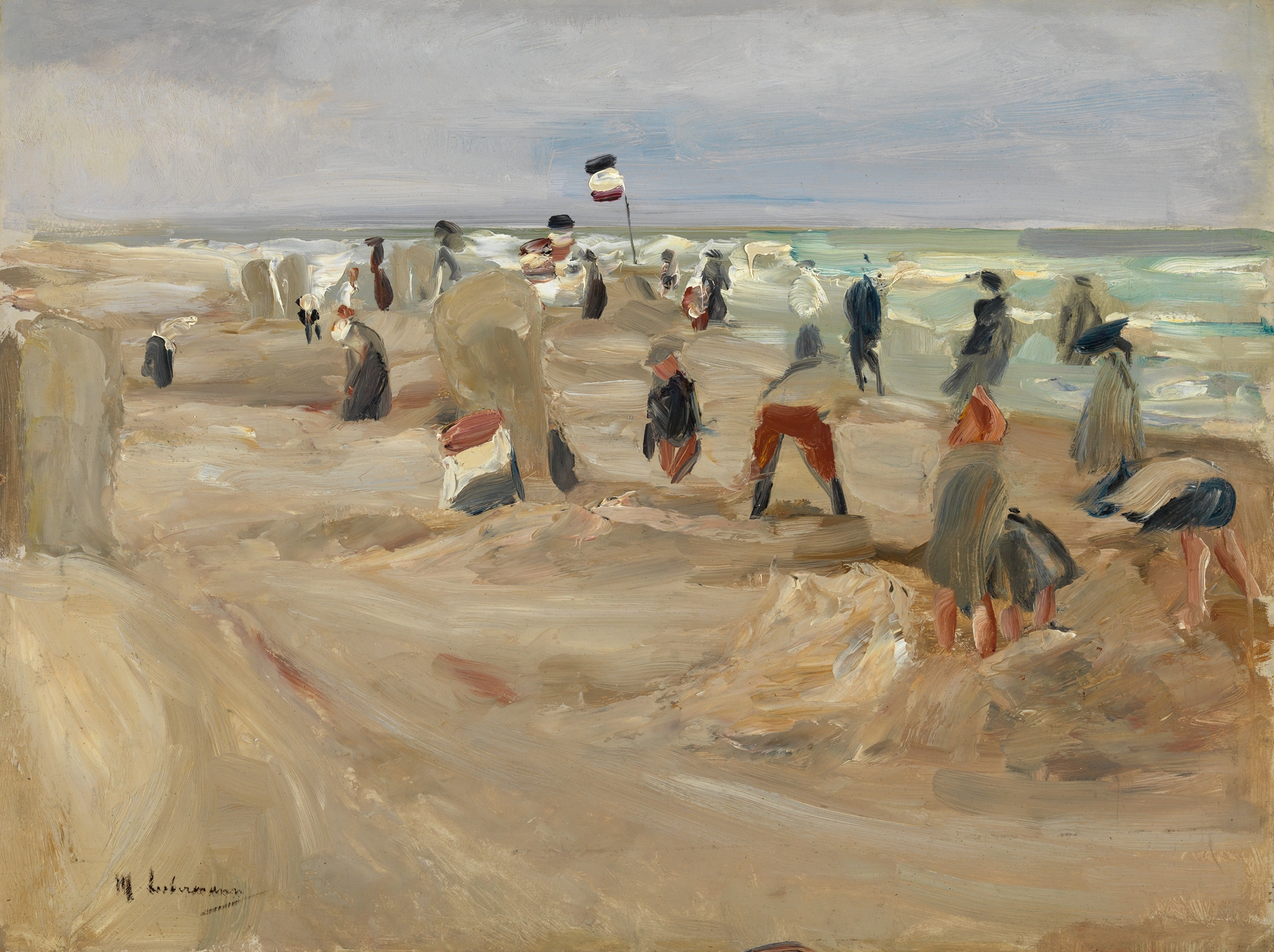
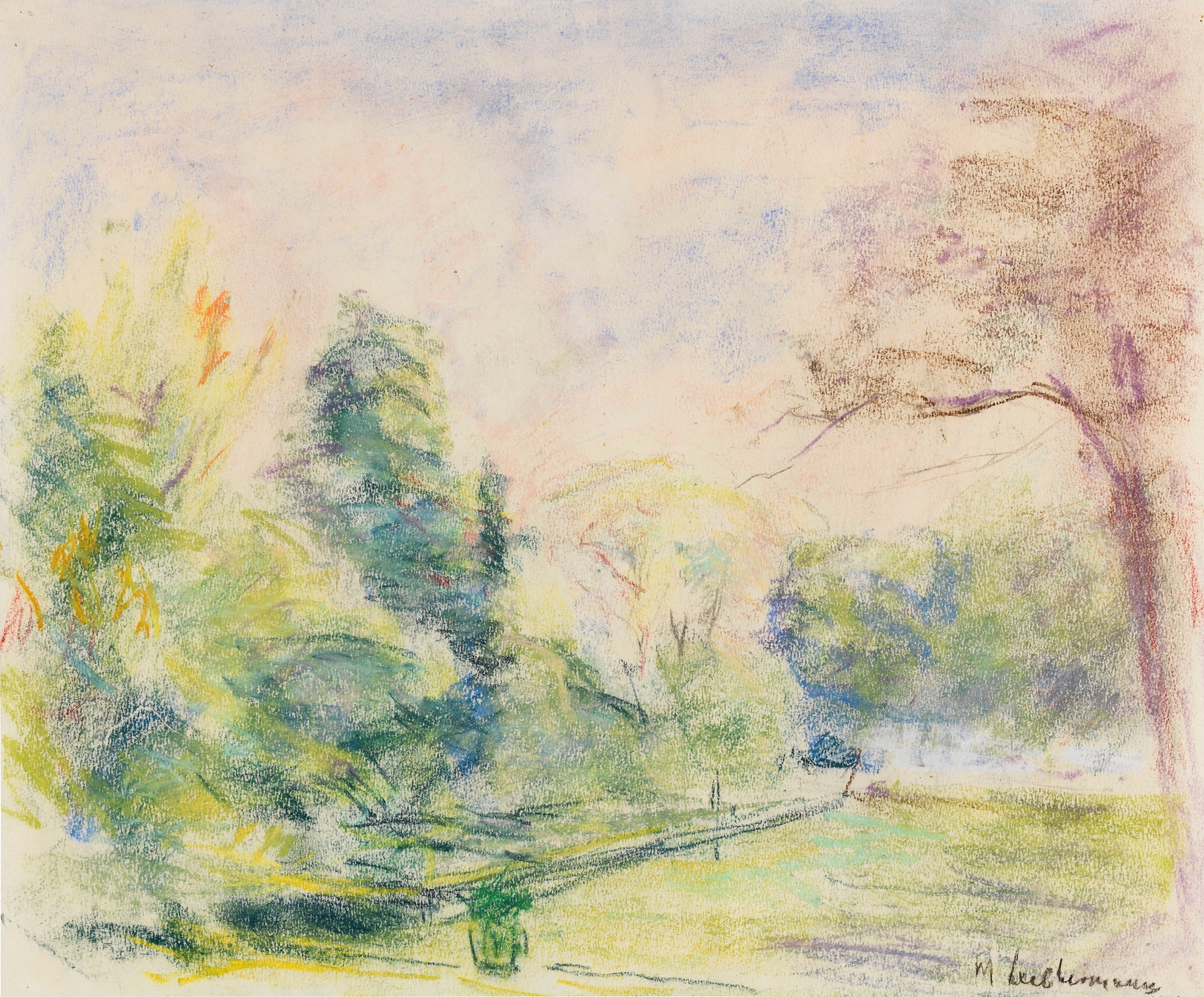
“The canvas doesn’t lie — it simply waits.” In this moment of quiet anticipation, it holds a universe of emotions just beneath its surface, beckoning us to explore its depths and possibilities. Focus on the vibrant colors that burst forth from the canvas, primarily the rich greens and floral hues that create a tapestry of life. Look to the lower right corner, where the meticulous brushstrokes of blossoms sway gently, inviting the eye to wander through the carefully arranged rows that stretch towards the horizon. The light, dappled and warm, brings forth an ethereal glow, creating a rhythm between shadow and illumination that enhances the natural beauty of the garden.
Beneath the apparent serenity of the garden lies an exploration of coexistence and the delicate balance between nature and cultivation. The wilting petals juxtaposed against the thriving greenery whisper of impermanence, while the organized layout speaks to human intervention in natural spaces. This duality encapsulates the tension between the wild and the controlled, suggesting a deeper narrative on the void between the two realms.
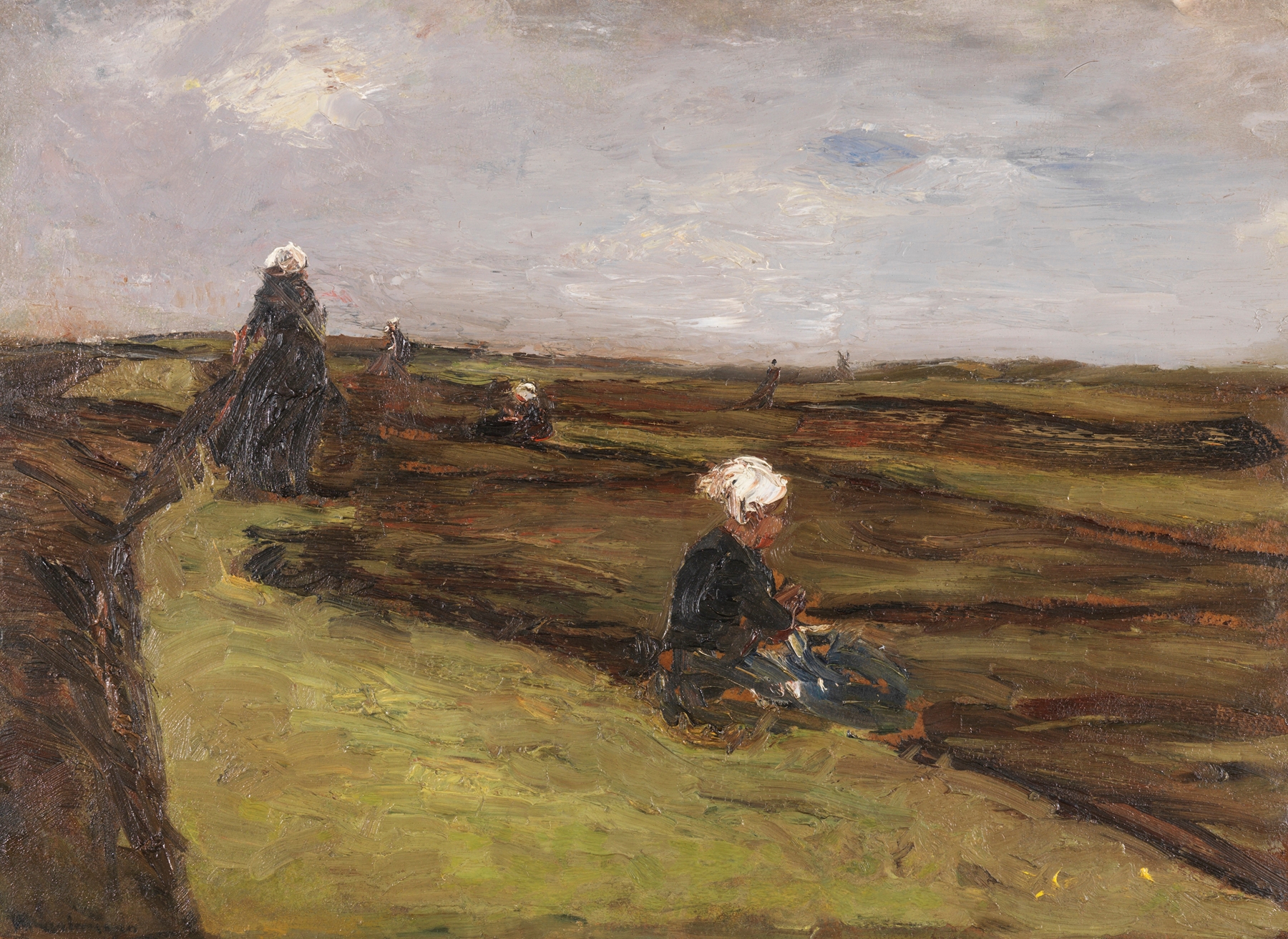
In 1929, when this piece was created, Max Liebermann was ensconced in the vibrant art milieu of Weimar Germany, showcasing his affinity for Impressionism. While he faced challenges from the rise of modernist movements, his commitment to capturing the essence of everyday life remained steadfast. This painting reflects both his personal artistic journey and a broader cultural moment, where traditional approaches began to grapple with the shifting tides of creativity and expression.