Boats Carrying Out Anchors to the Dutch Men of War — History & Analysis
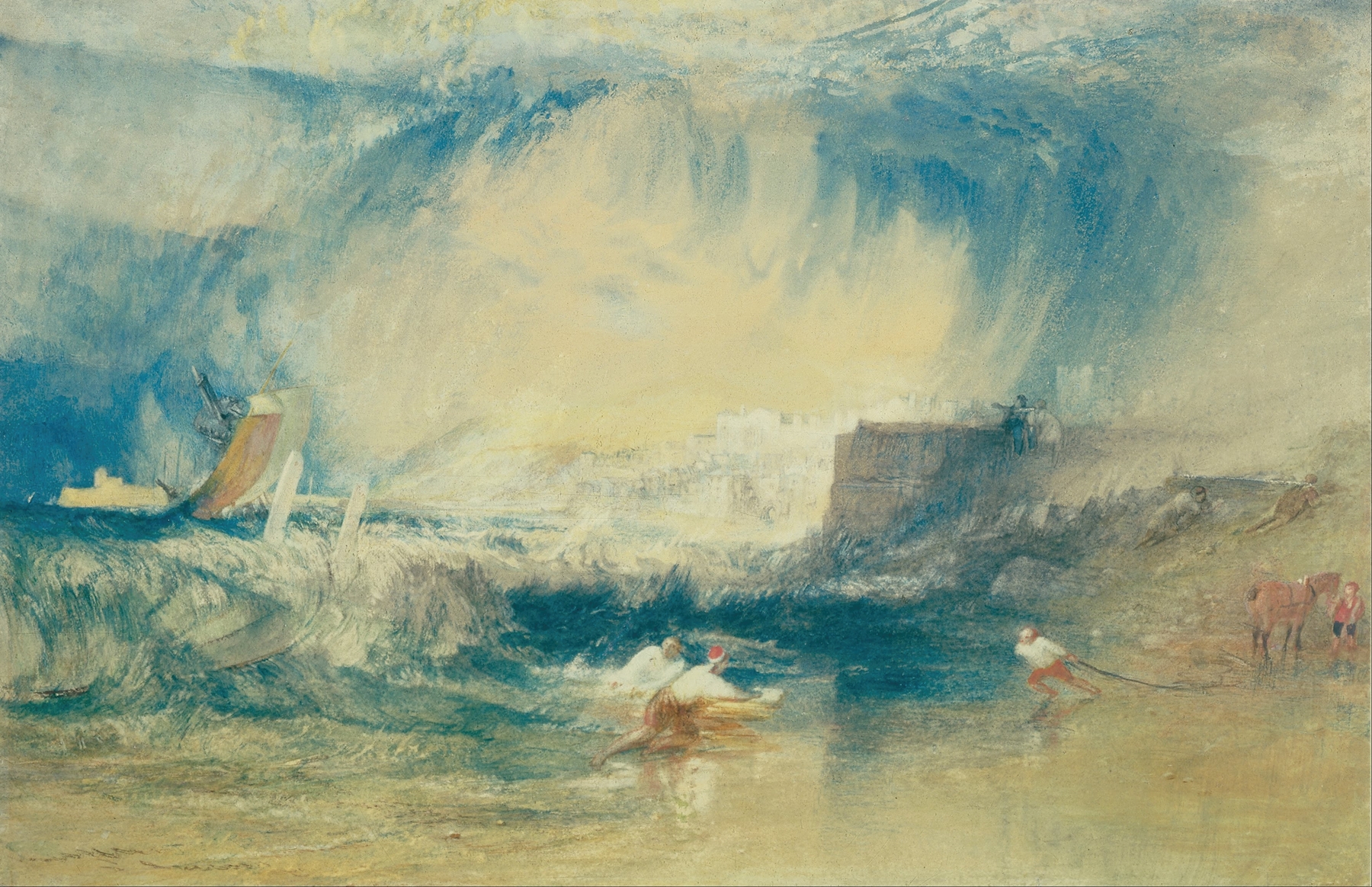
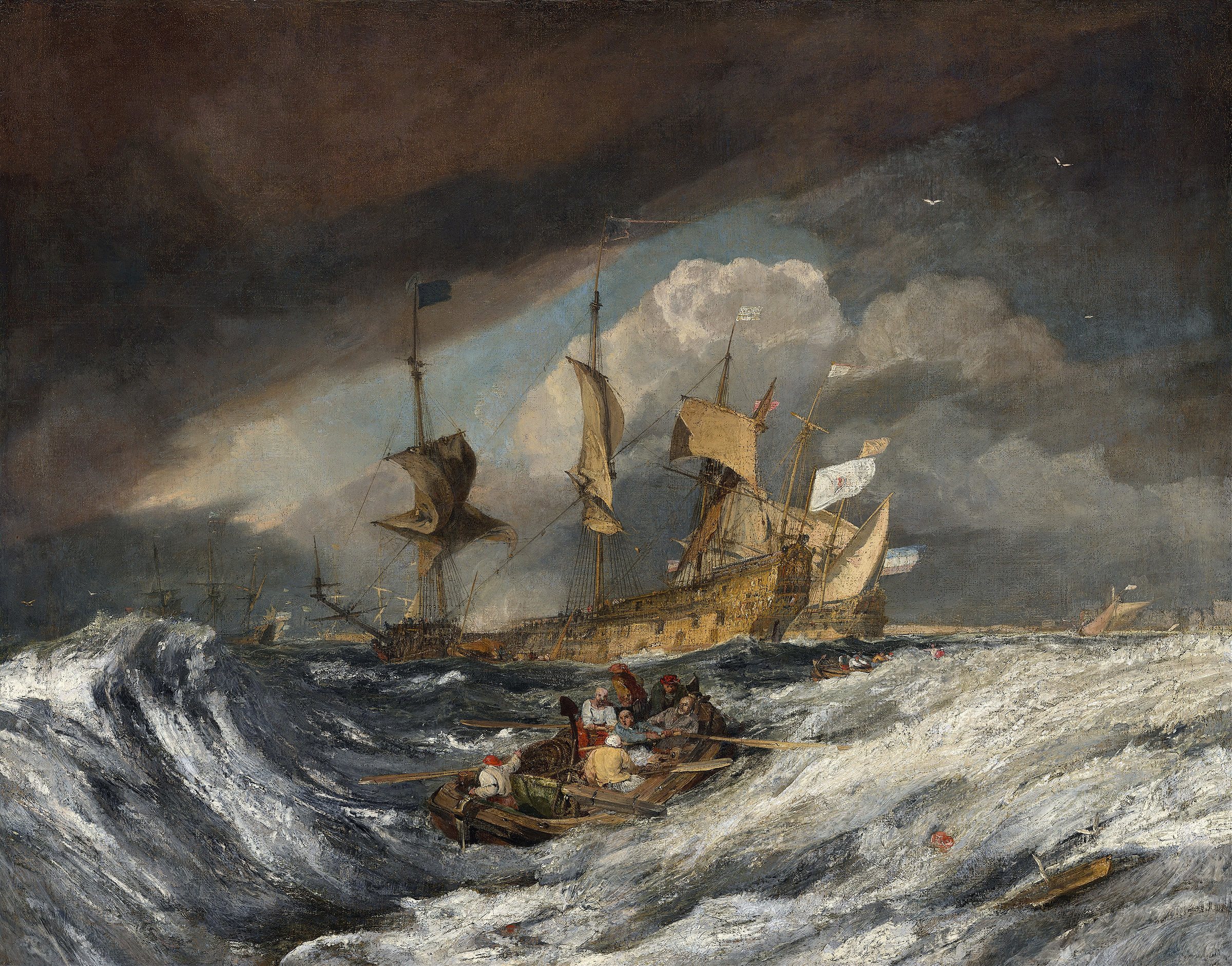
Is this a mirror — or a memory? The tumultuous waters seem to ripple with the weight of forgotten battles, echoing a history marked by both beauty and violence. Look to the center where the resolute boats slice through the frothy waves, their hulls rendered in deep, ominous tones of navy and gray. The light dances unevenly across the turbulent surface, illuminating the figures aboard, their gestures blending urgency and restraint. Notice how the clouds, thick with impending rain, loom overhead, their swirling forms echoing the chaotic energy below. In an intricate display of technique, Turner’s brushwork captures the restless sea, contrasting the stillness of anchored ships, creating a palpable tension between motion and repose. Delve deeper into the painting, and you will find layers of meaning. The boats, though small against the backdrop of mighty Dutch men-of-war, symbolize resilience and the human spirit’s fight against the forces of nature and fate. The violent energy of the waves juxtaposes the steadfastness of the vessels, hinting at a struggle not just with the sea but within ourselves, a clash between ambition and vulnerability. Each brushstroke breathes life into the narrative, suggesting that beneath this surface lies a history marred by conflict. In the early 1800s, Turner painted this work while exploring maritime themes and the interplay of light and atmosphere. Living in London, he was influenced by the Napoleonic Wars and the growing interest in romanticism, which sought to express the sublime in nature. This period saw him developing his signature style, blending emotions with the raw power of the sea, as he sought to depict not just a physical scene but the tumult of the human experience.