Bosgezicht — History & Analysis
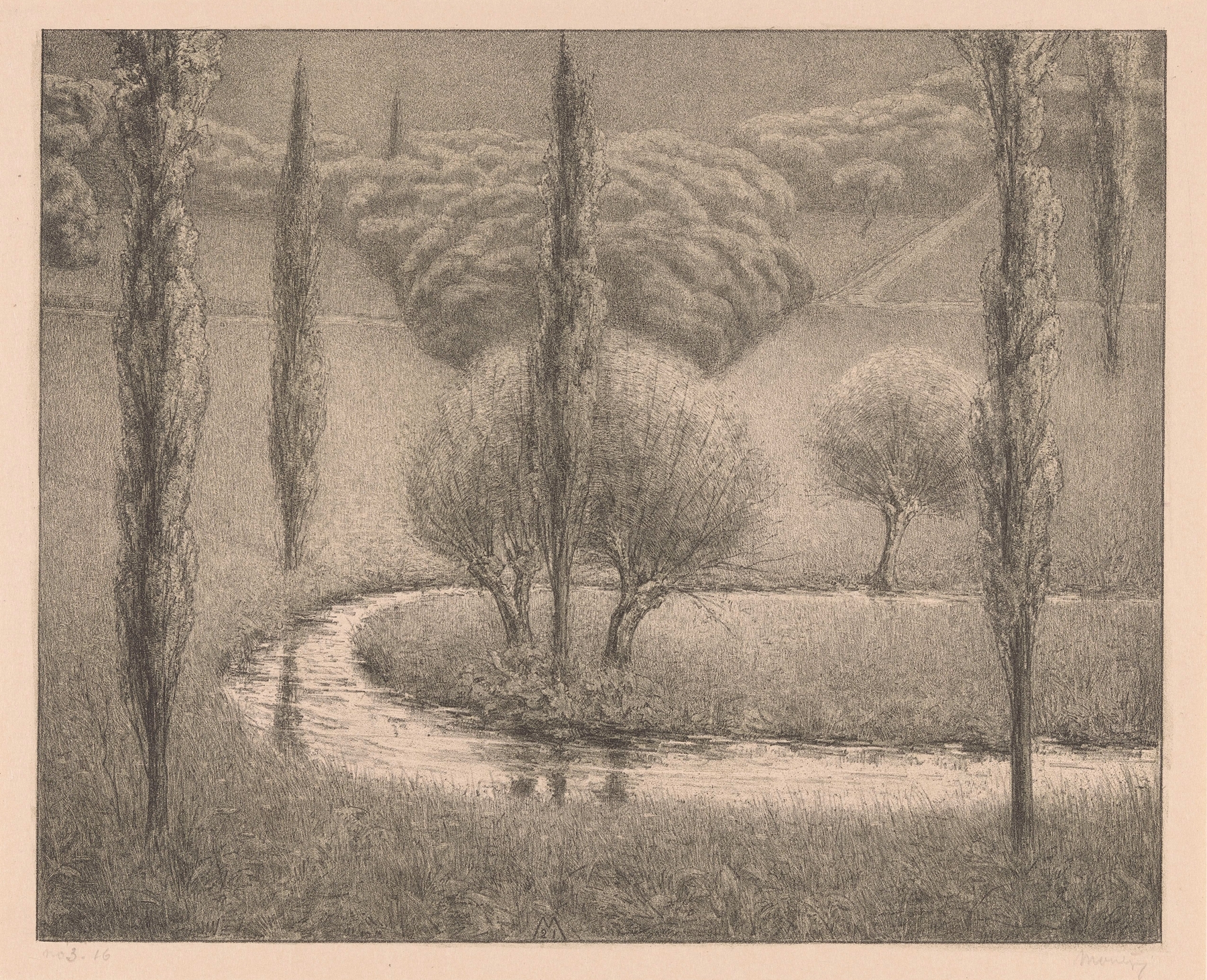
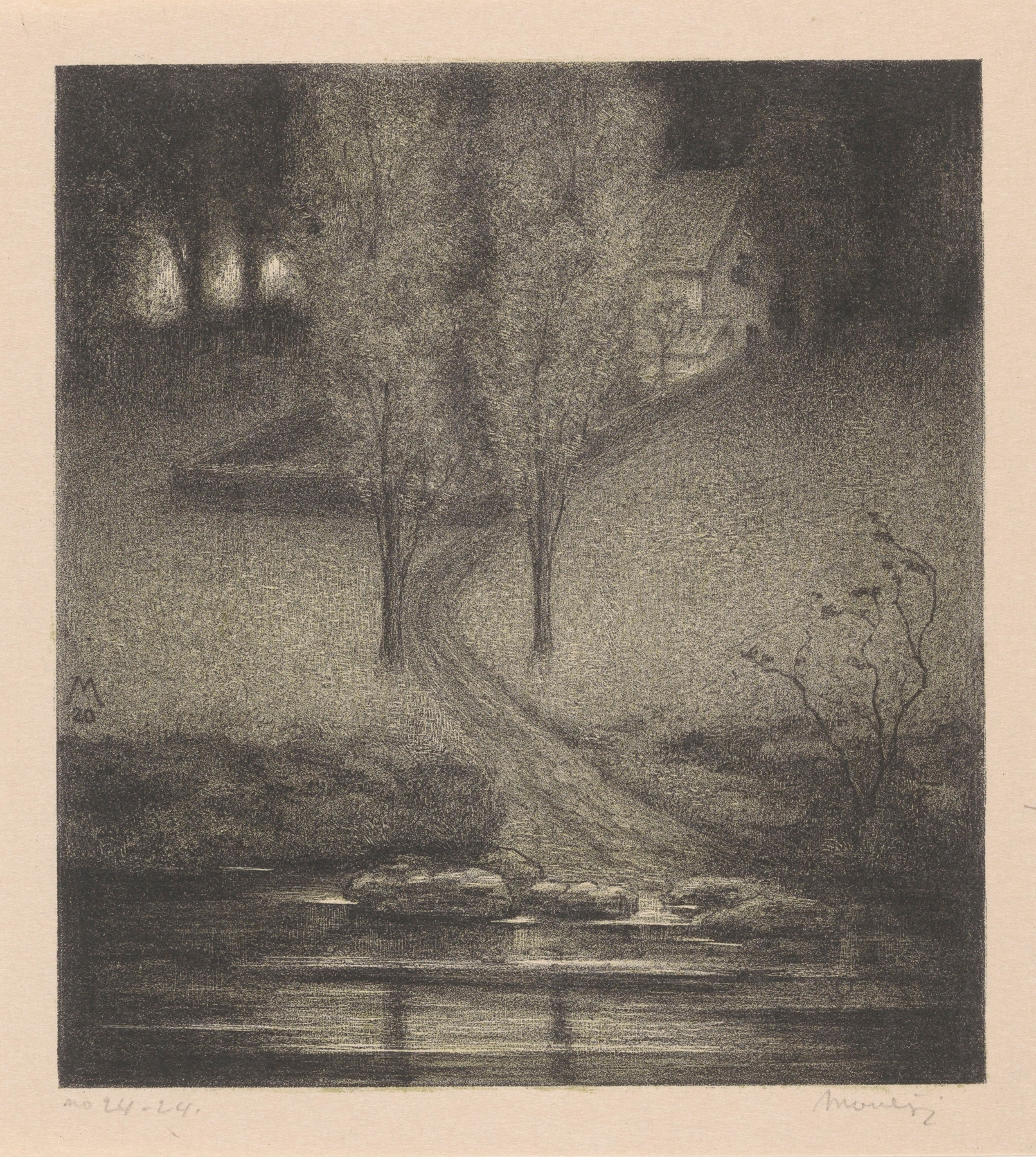
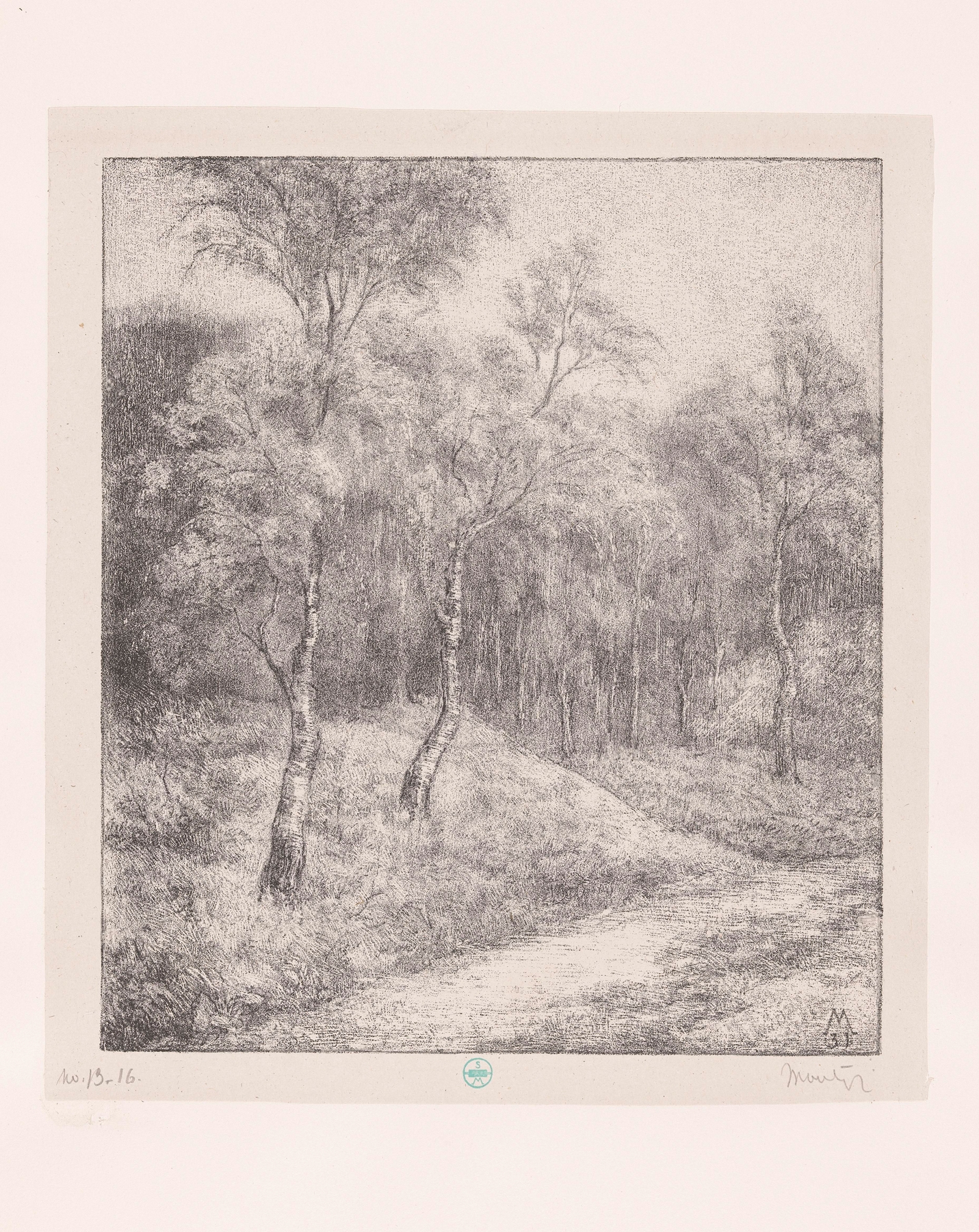
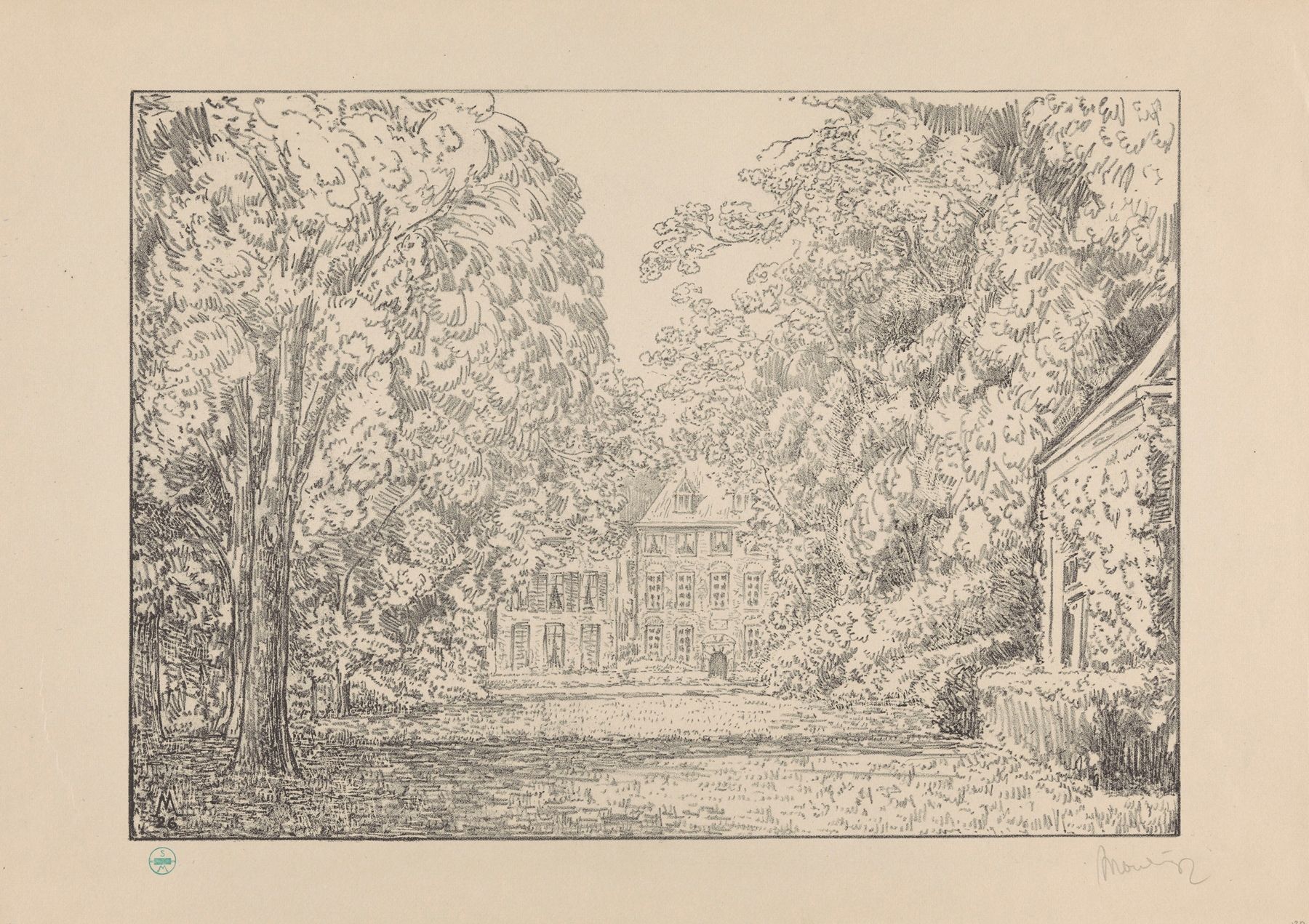
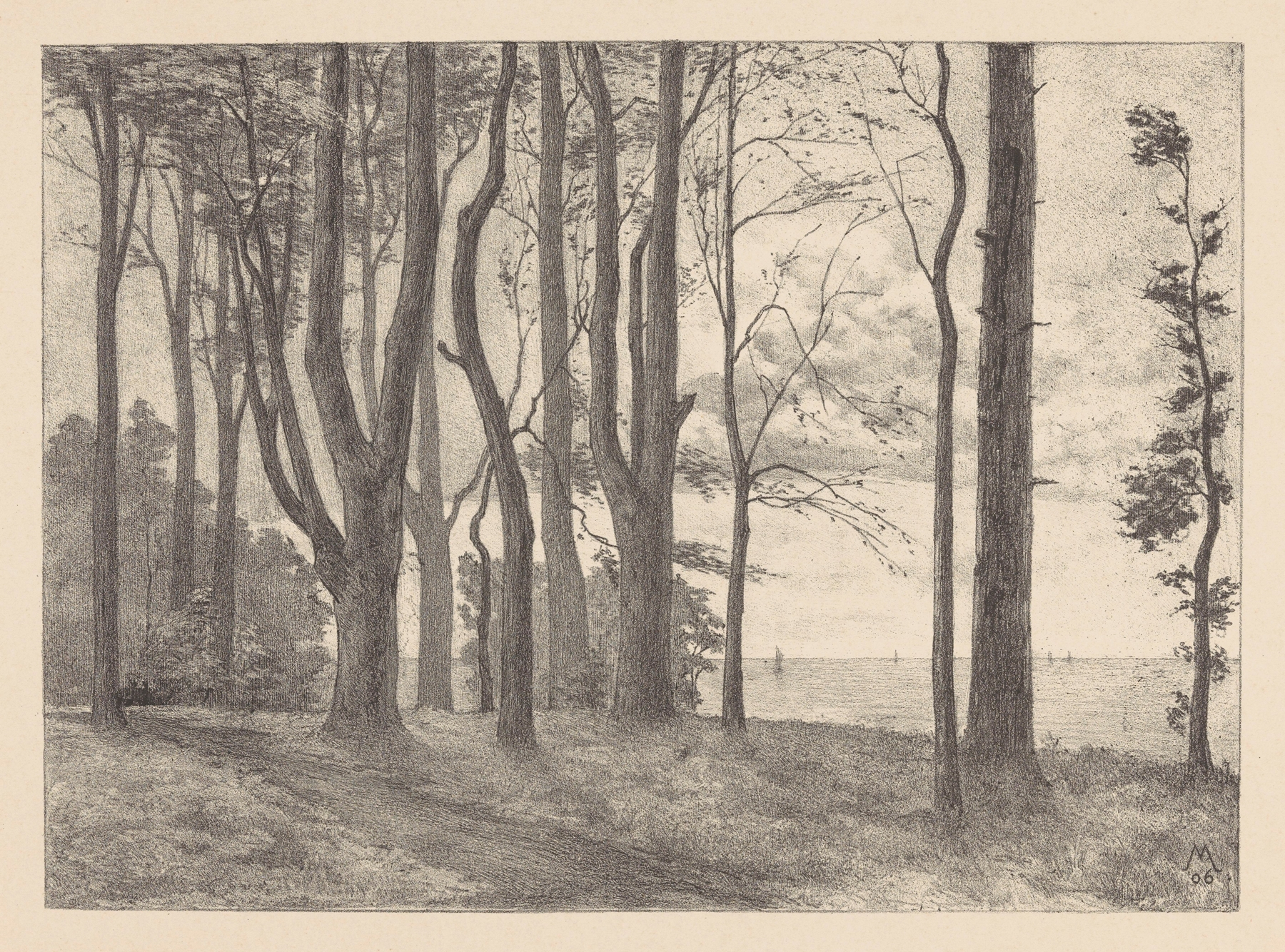
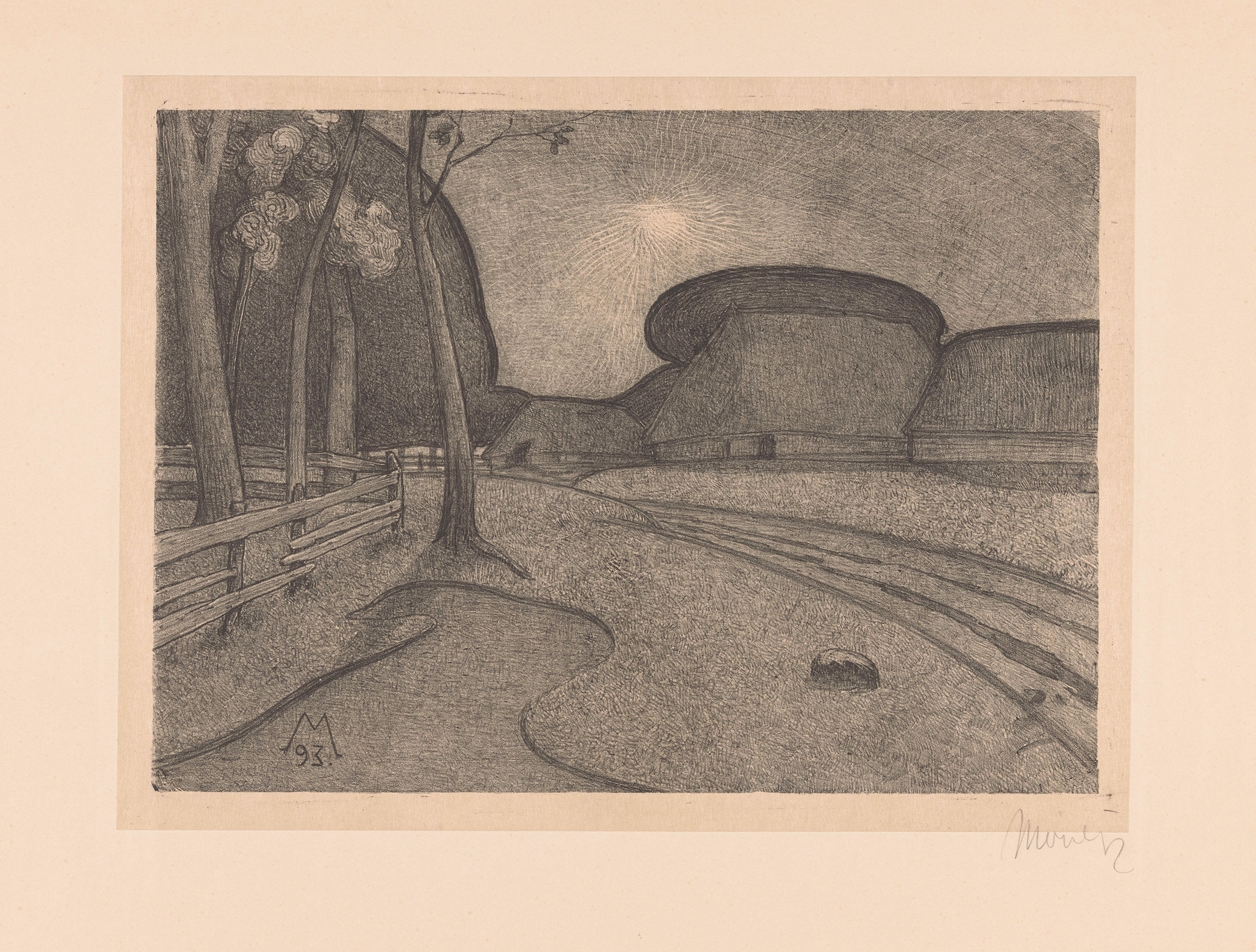
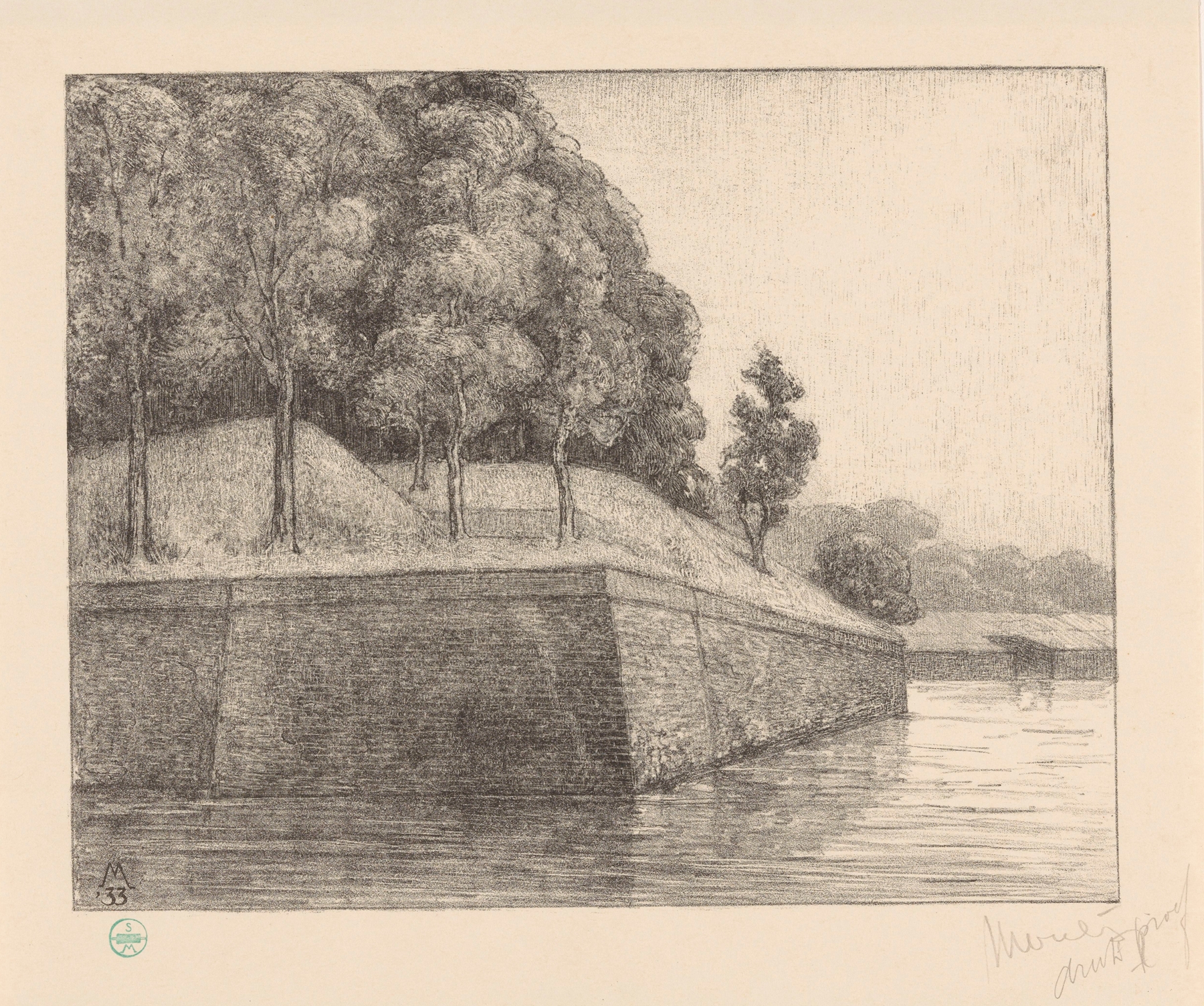
What secret hides in the quiet of the canvas? The tranquility of nature may conceal whispers of madness lurking just beneath the surface. Look to the center of Bosgezicht; a radiant light bathes the trees, illuminating a haunting beauty. The vibrant greens and earthy browns intertwine, creating a tapestry where life thrives yet feels eerily still.
Notice how Moulijn’s brushwork flows effortlessly, as if each stroke captures the very breath of the forest, while hints of shadow play at the edges, suggesting something unseen, something foreboding. The composition juxtaposes serenity with an underlying tension. The meticulous detail of the foliage invites appreciation, yet the erratic clusters of branches seem to beckon a sense of disarray. Each element in the scene whispers stories of isolation and chaos that can erupt in silence; what appears idyllic may also be a façade.
The calmness of the landscape can be a mask hiding the tumult of emotions—that quiet madness that can consume one's thoughts in solitude. In 1900, Simon Moulijn painted Bosgezicht in the Netherlands during a period marked by rapid industrialization and urbanization. This tension between nature and the encroaching modern world influenced many artists of his time, as they sought to capture the beauty of the natural environment while grappling with the chaos of change. Moulijn's work reflects both a love for the landscape and a recognition of the madness that simmered in the backdrop of societal transformation.