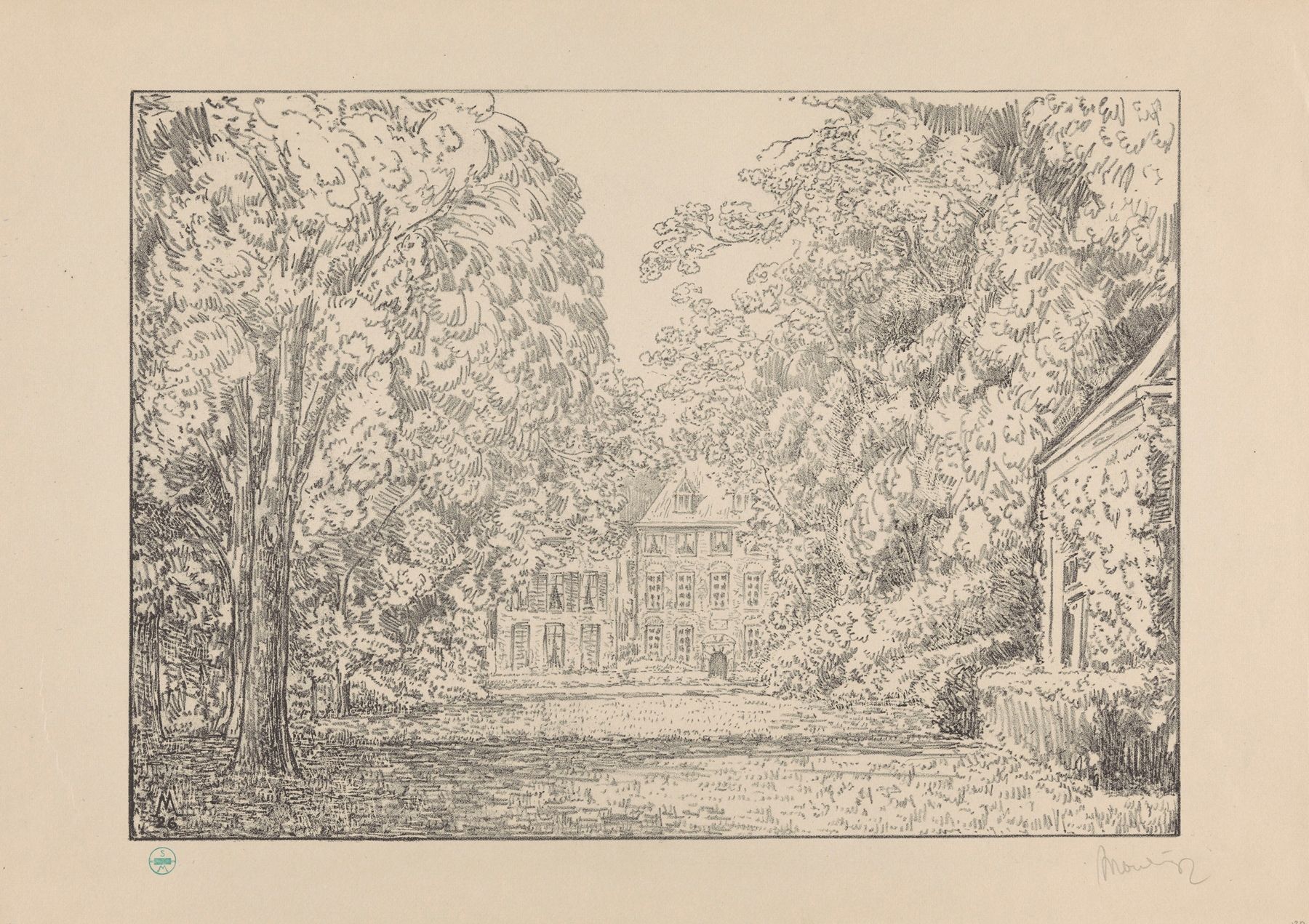
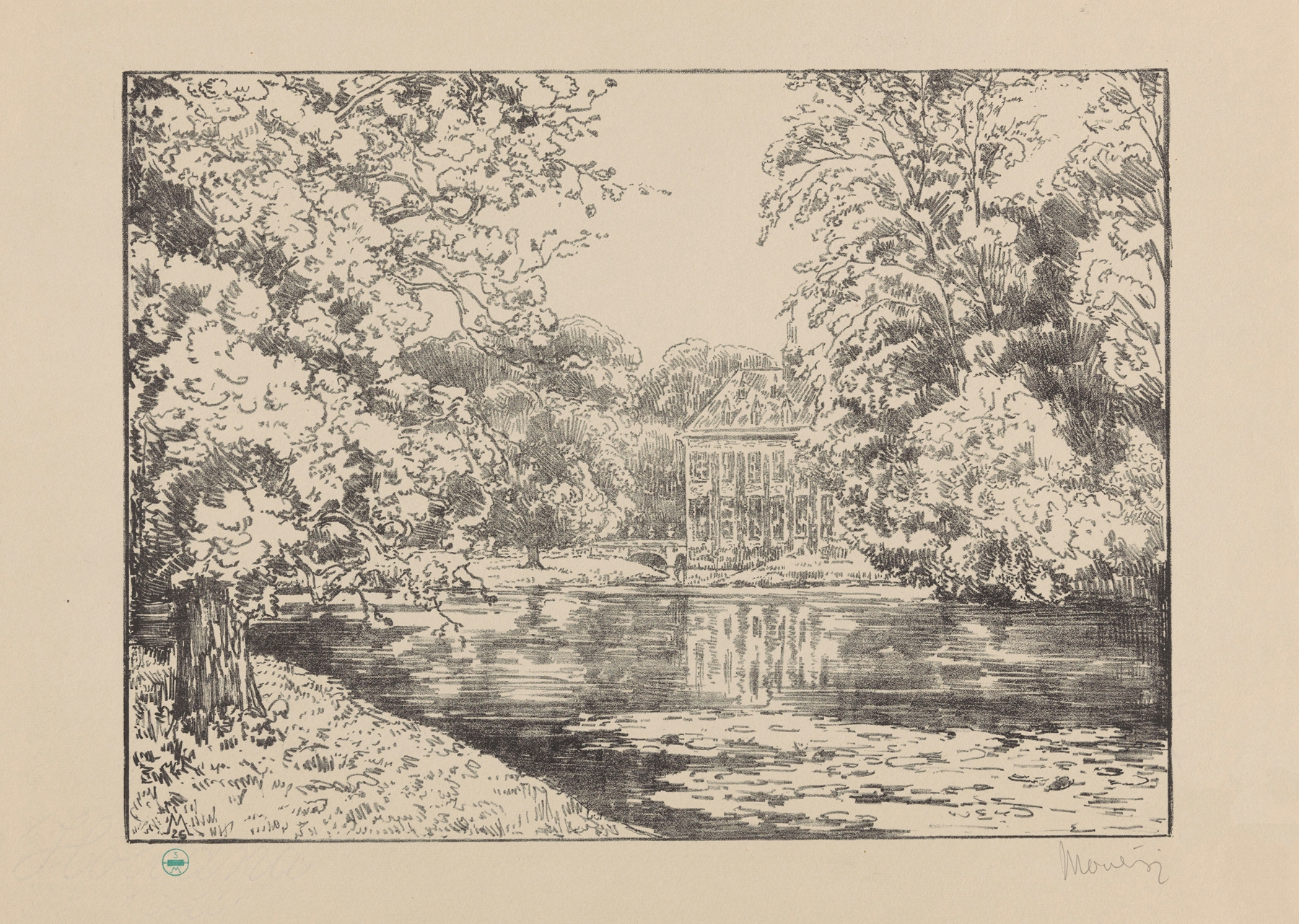
Gezicht op het landhuis van landgoed Ockenburgh Ockenburgh — History & Analysis
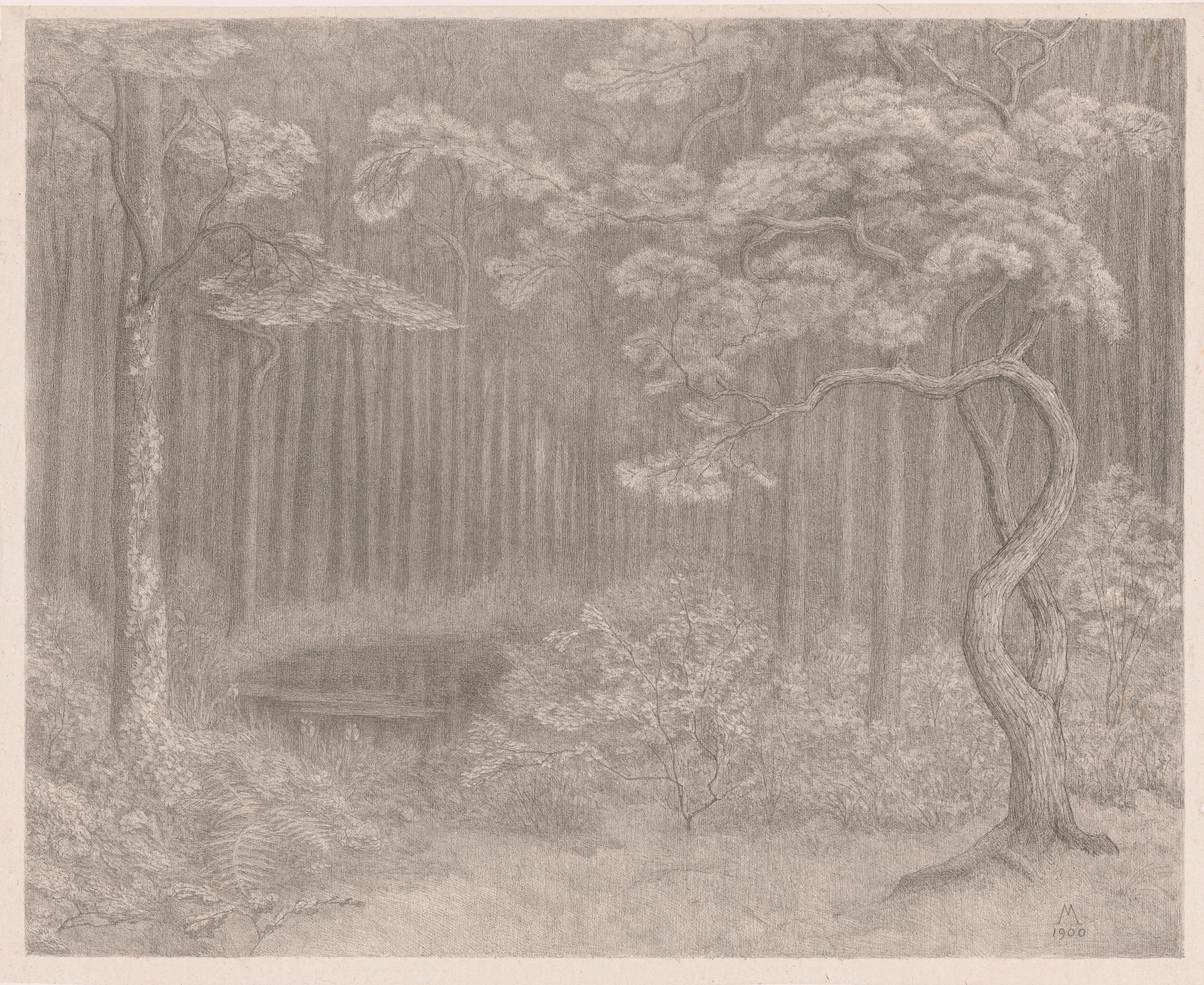
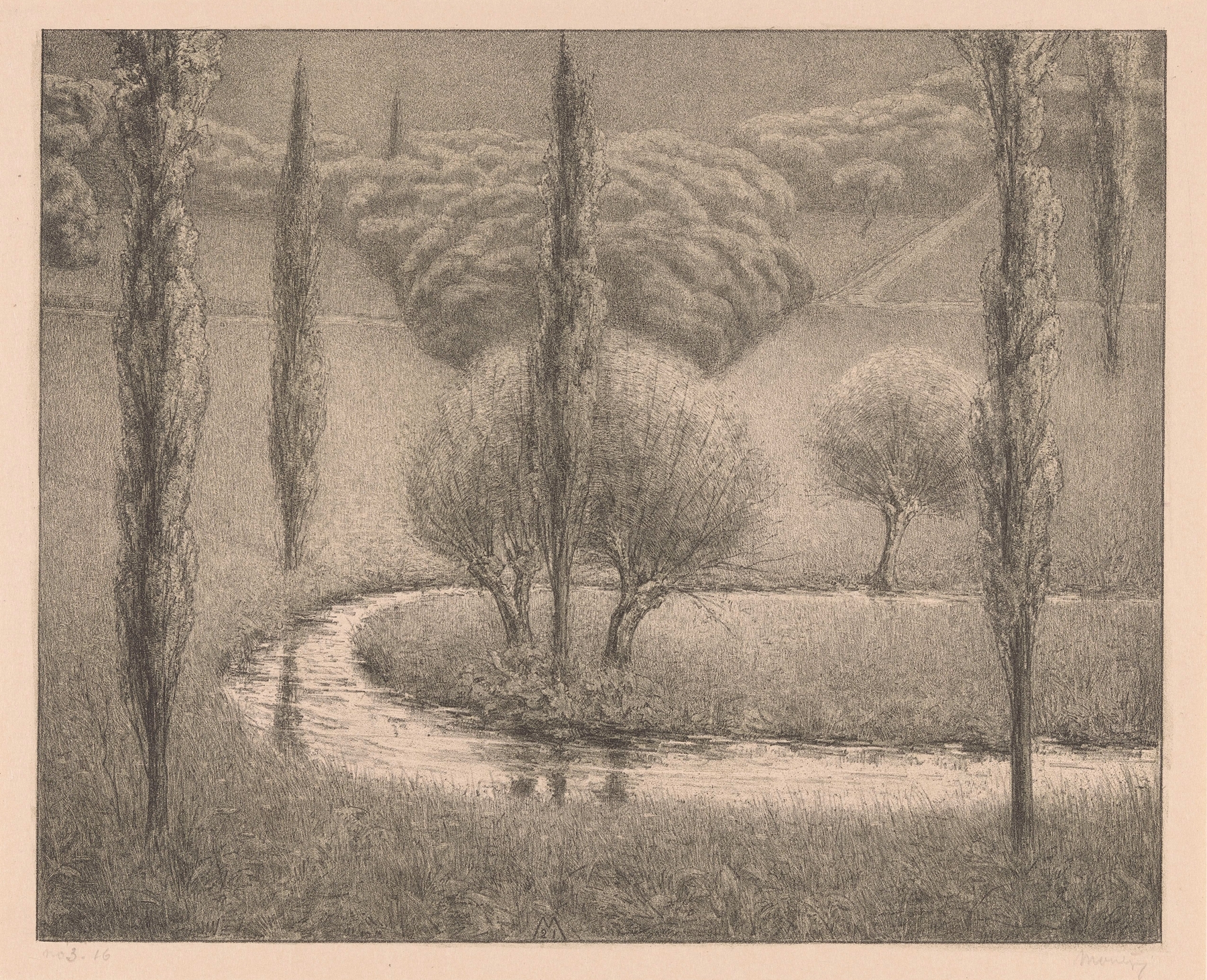
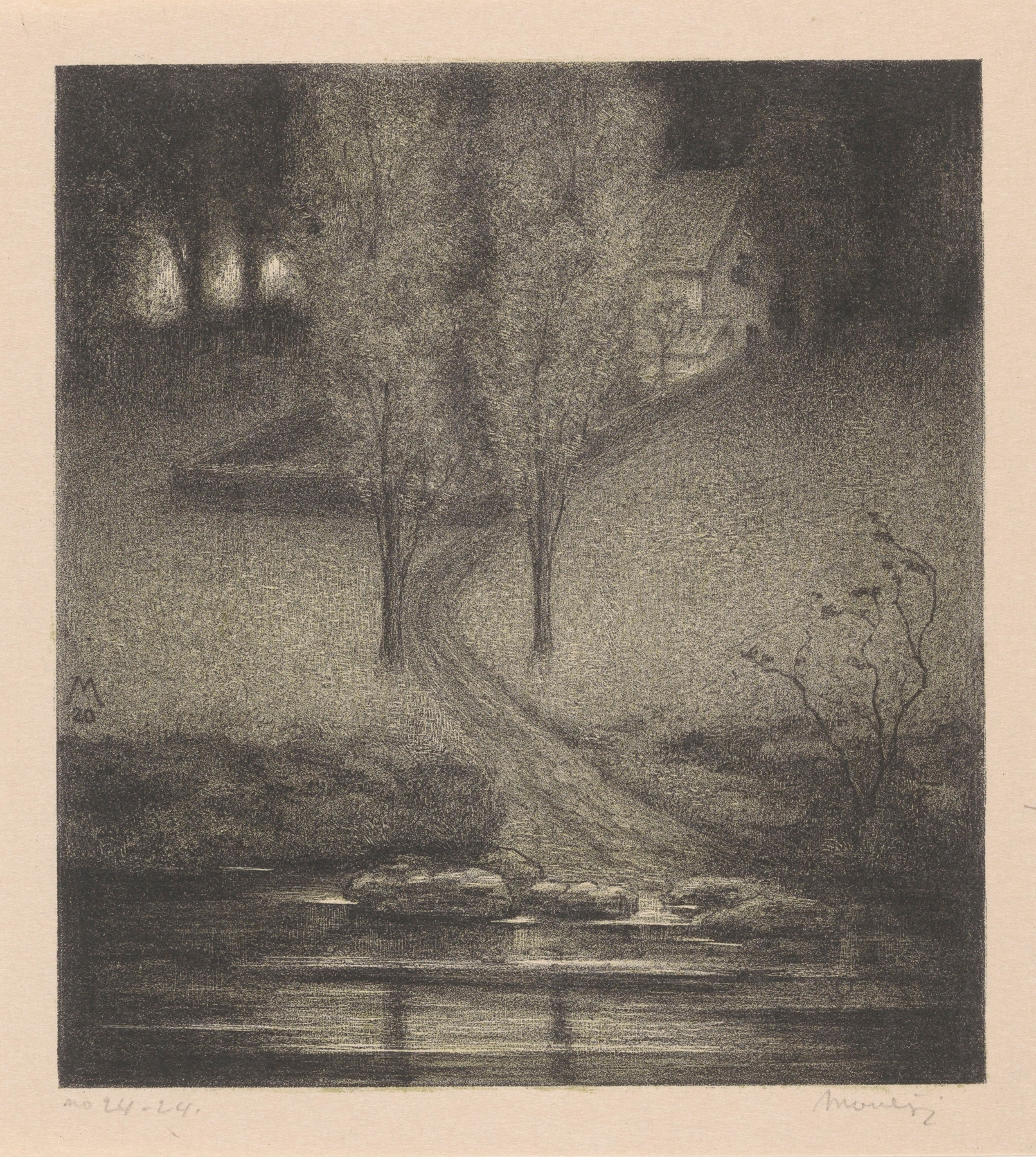
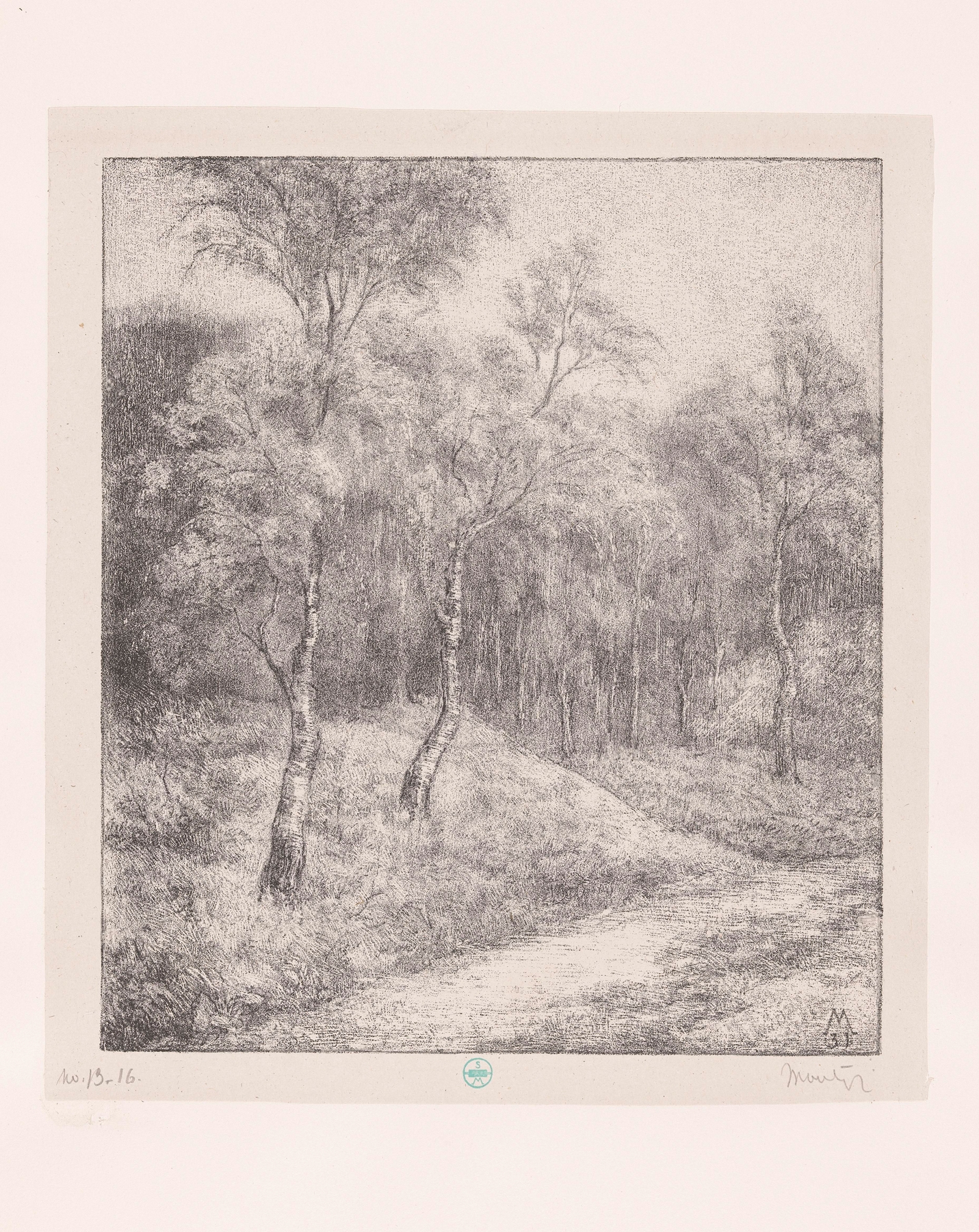
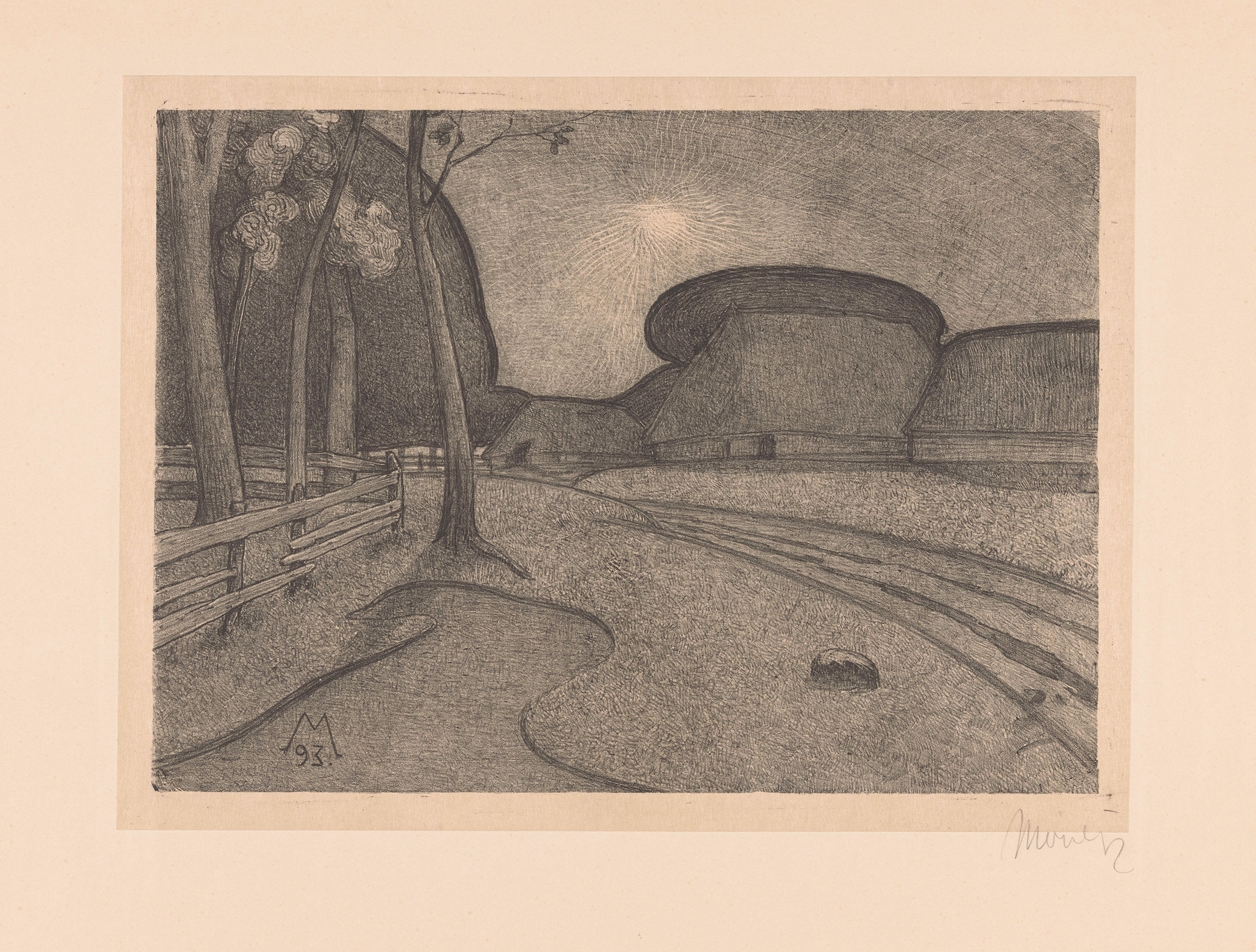
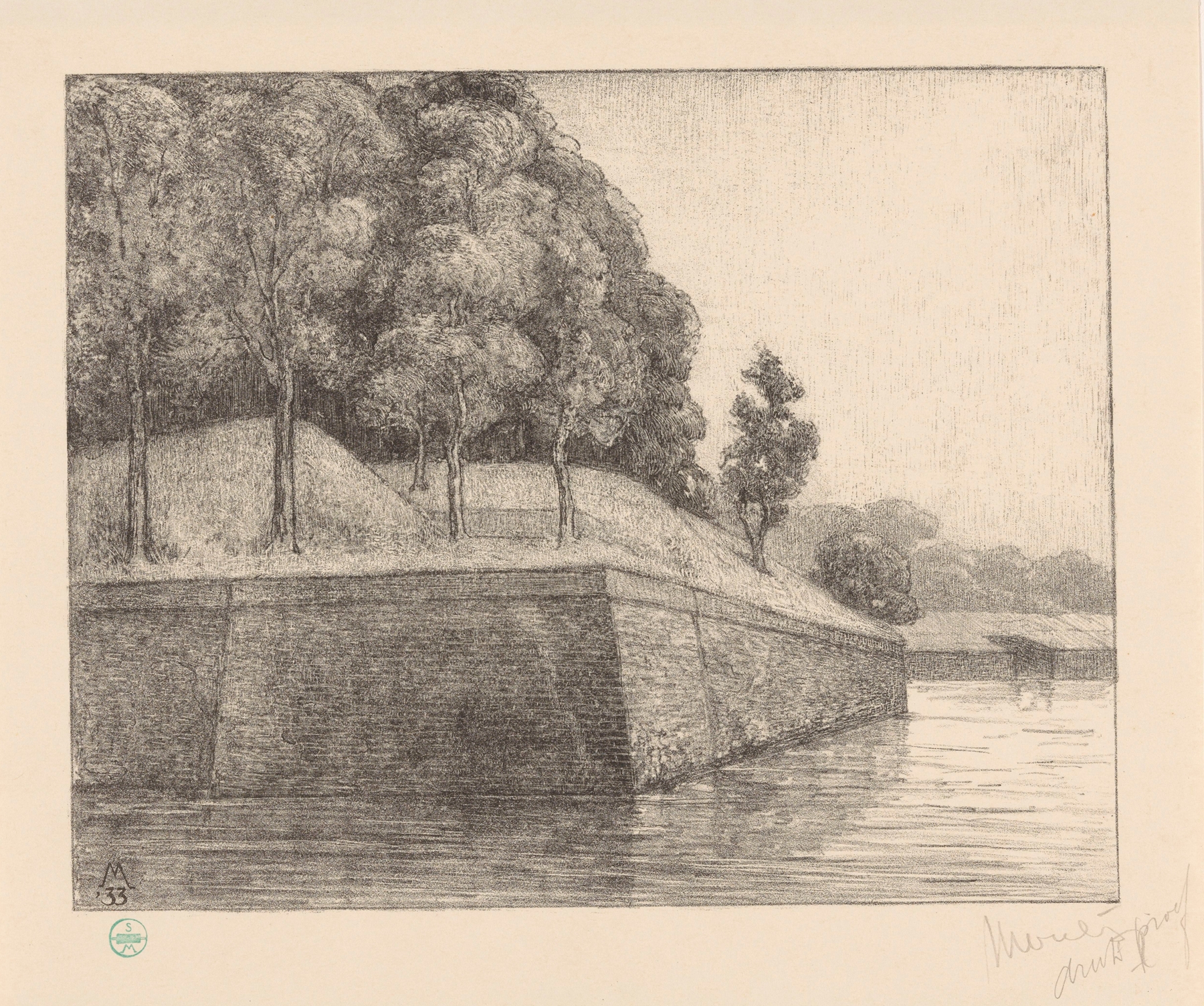
Is this a mirror — or a memory? A landscape unfolds, both inviting and unsettling, where the familiar boundaries of home blur into the ether of nostalgia and anxiety. Look to the center of the canvas, where the stately manor of Ockenburgh stands resolute against a backdrop of tumultuous skies. The sharp contrast between the dark, swirling clouds and the soft greens of the surrounding fields creates a sense of foreboding.
Notice how the artist employs a muted palette, with earthy tones that evoke a sense of both warmth and sorrow, drawing the eye toward the intricate detailing of the architecture while simultaneously hinting at the weight of history resting upon its walls. Hidden within the tranquility of this scene lies an emotional tension: the manor, a symbol of stability, stands isolated, suggesting a narrative of abandonment. The trees encircling the estate lean in, as if whispering secrets of the past. Shadows dance across the ground, hinting at fleeting moments and memories, while the cloudy heavens could represent looming fears or unfulfilled promises.
Every element speaks to the duality of safety and uncertainty, inviting the viewer to ponder the true nature of the place. In 1929, the artist was entrenched in a tumultuous era of change, grappling with the echoes of World War I and the emerging modernist movements in art. Living in the Netherlands, Moulijn was exploring new techniques and perspectives, driven by a desire to convey the emotional weight of the world around him through landscapes that captured both the beauty and the fragility of home.