Landschap met wilgen en populieren — History & Analysis
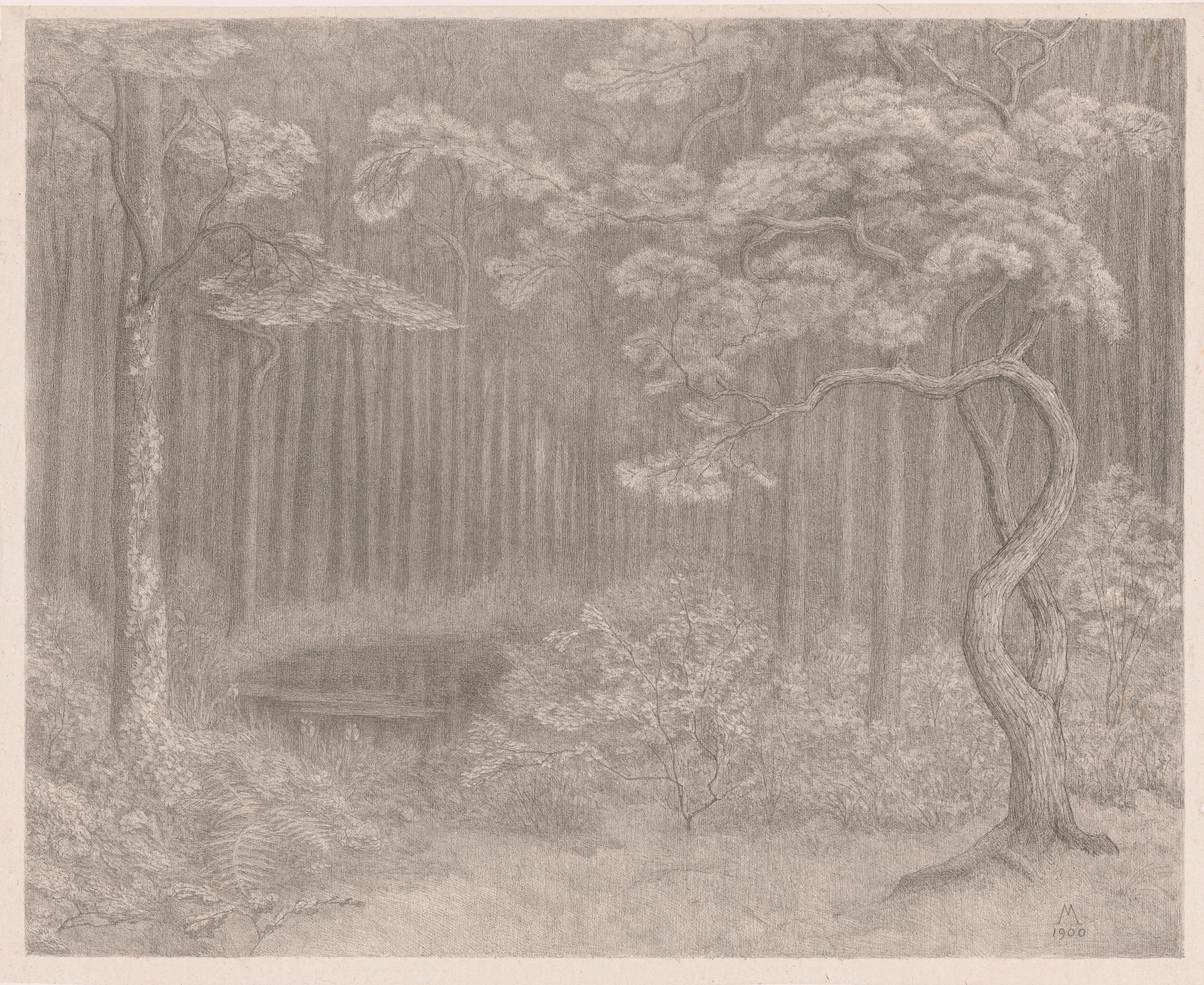
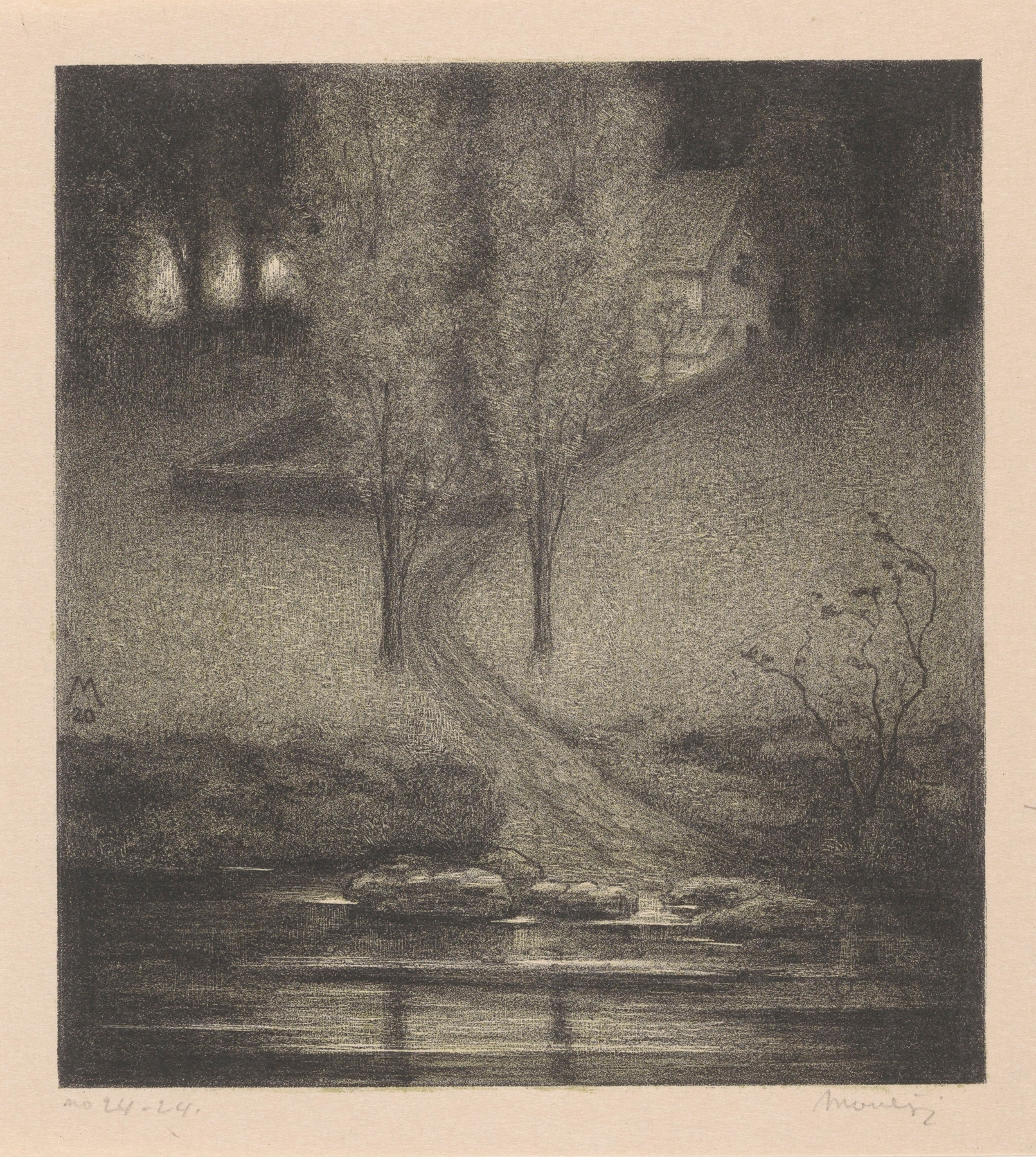
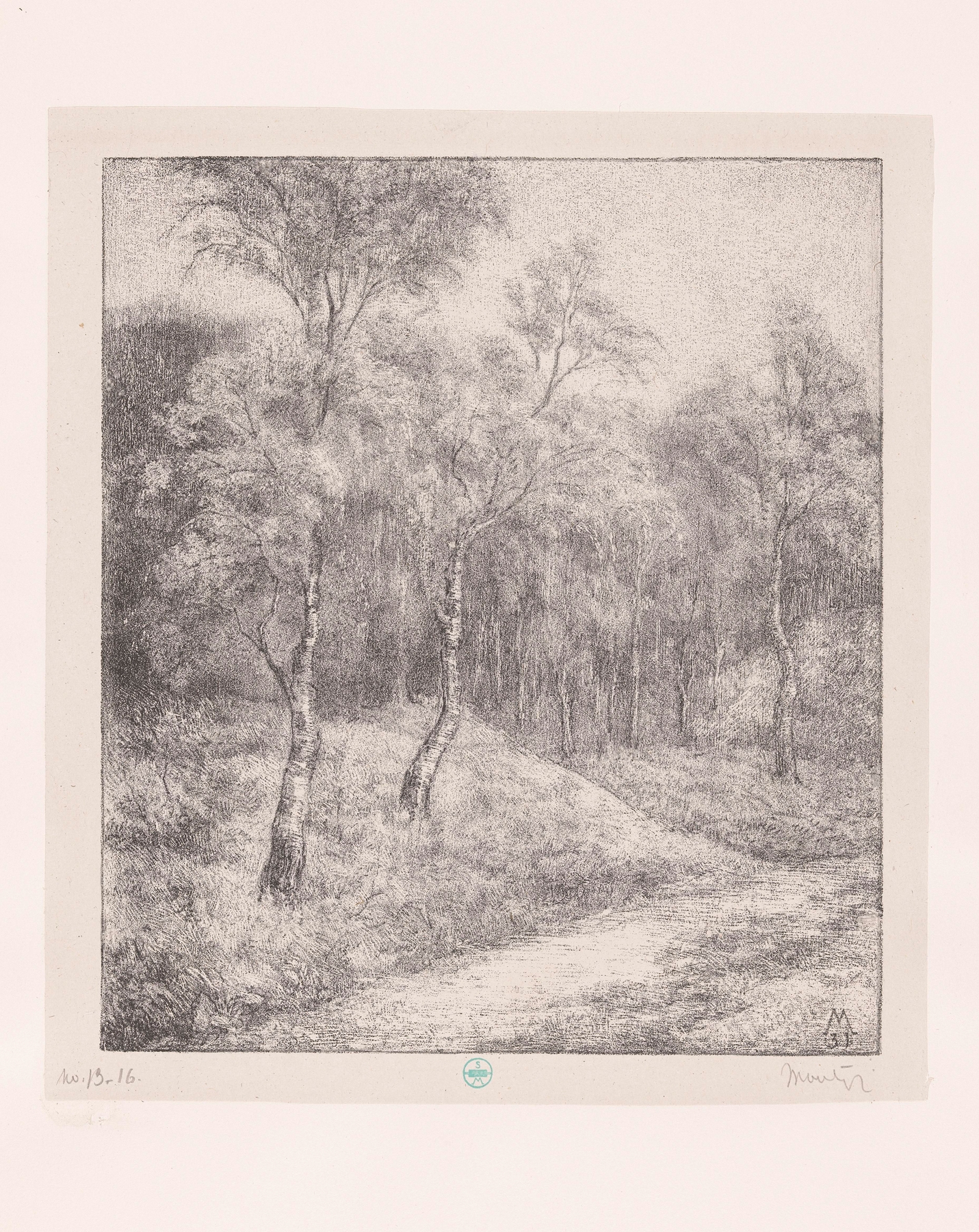
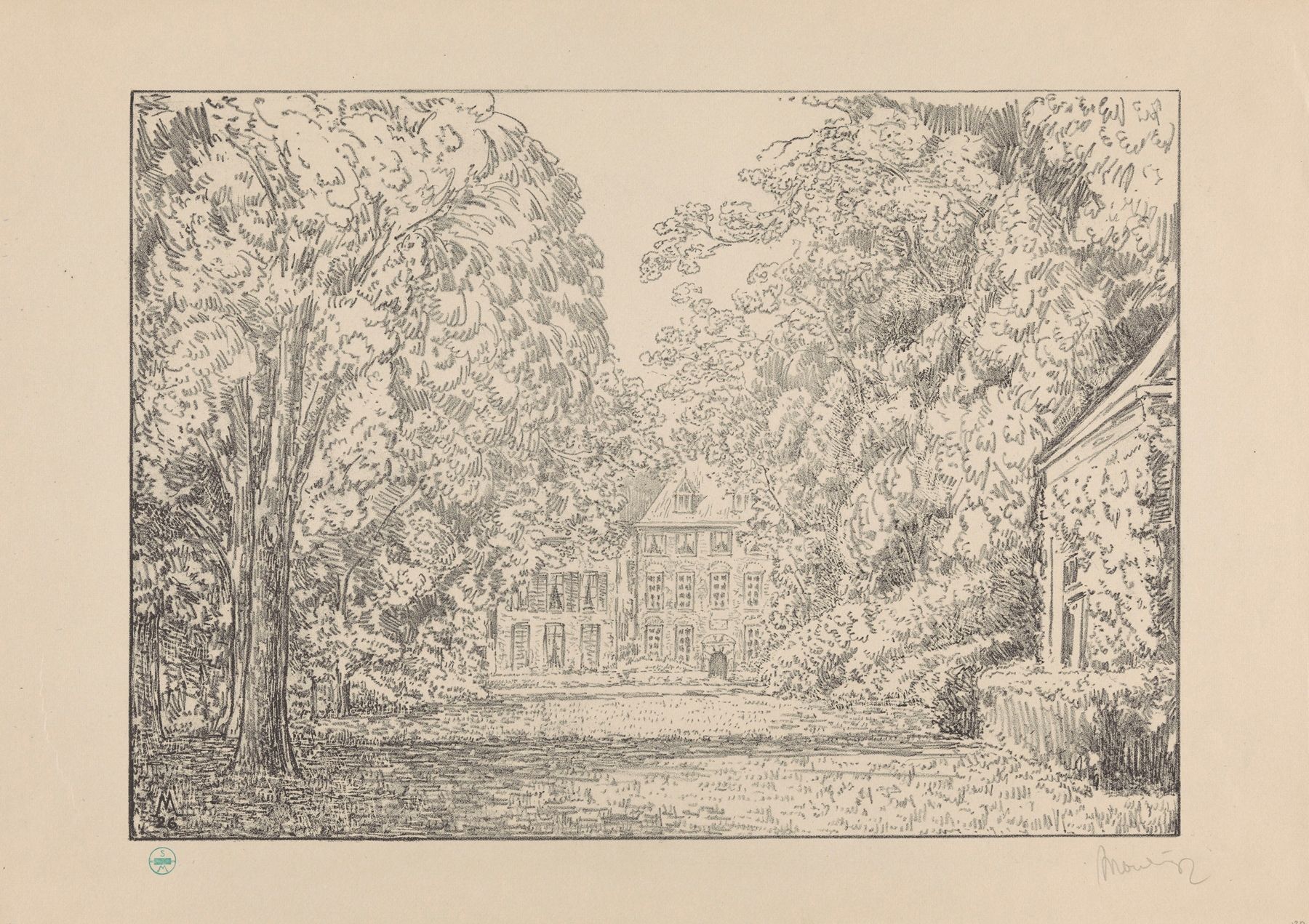
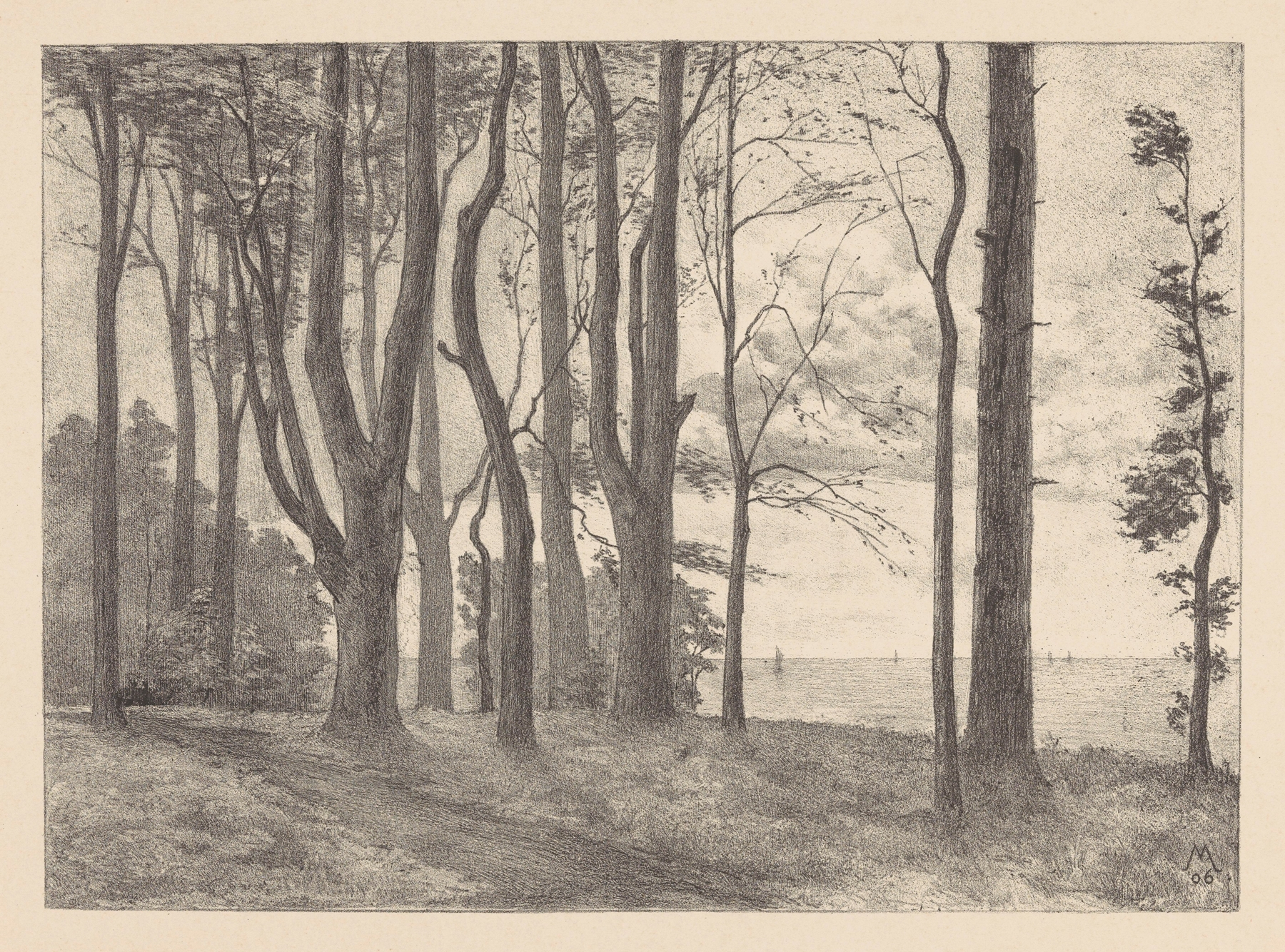
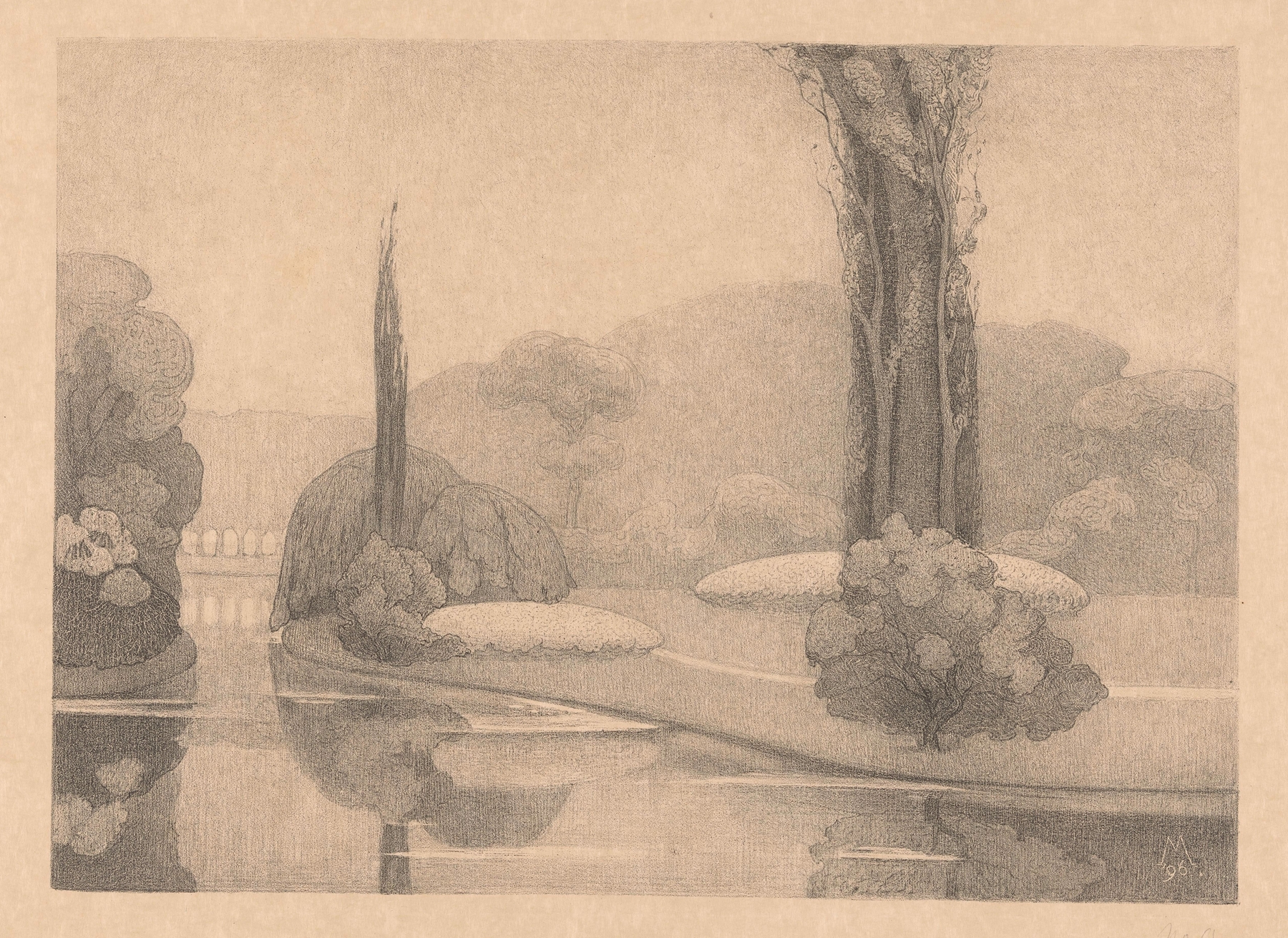
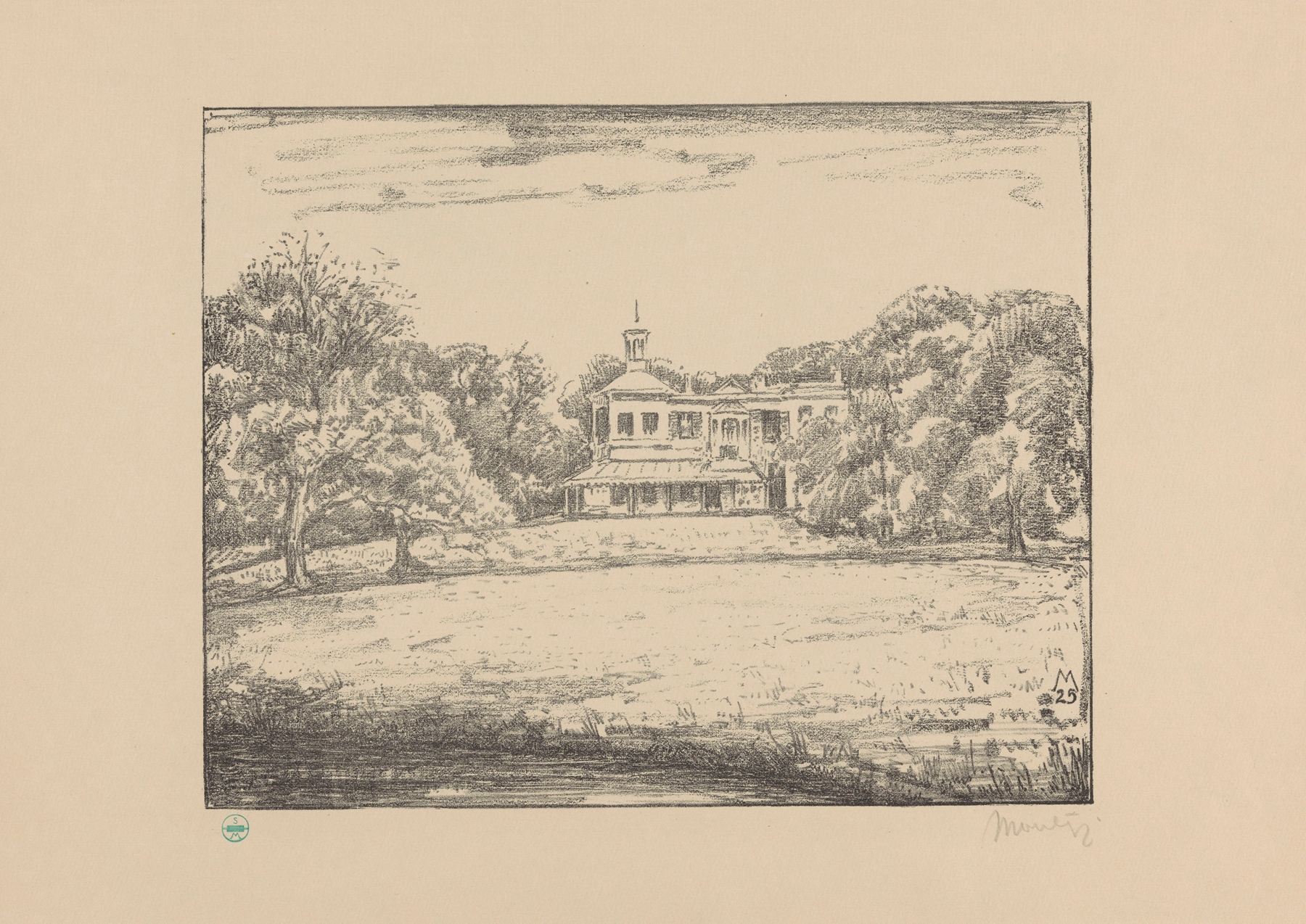
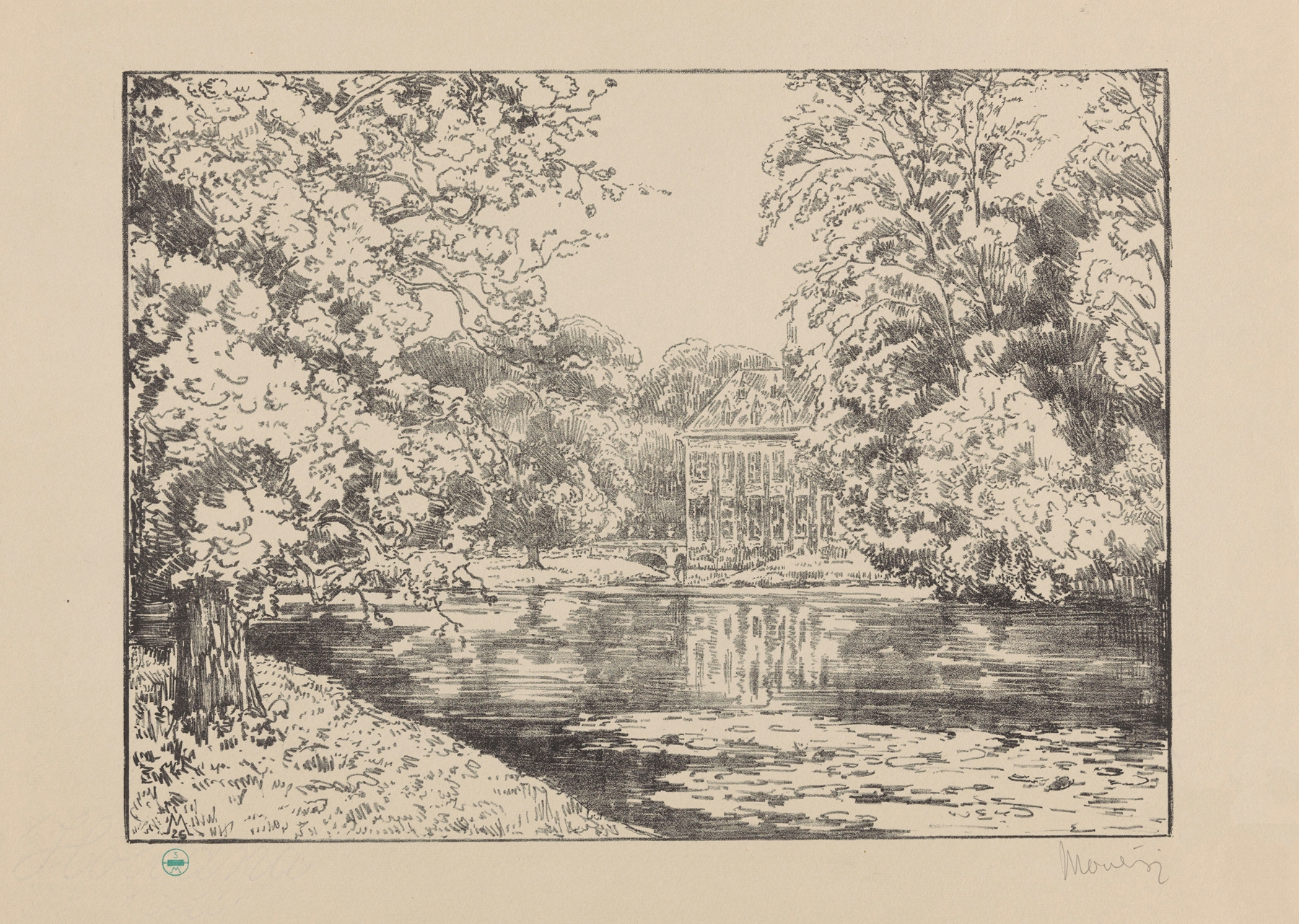
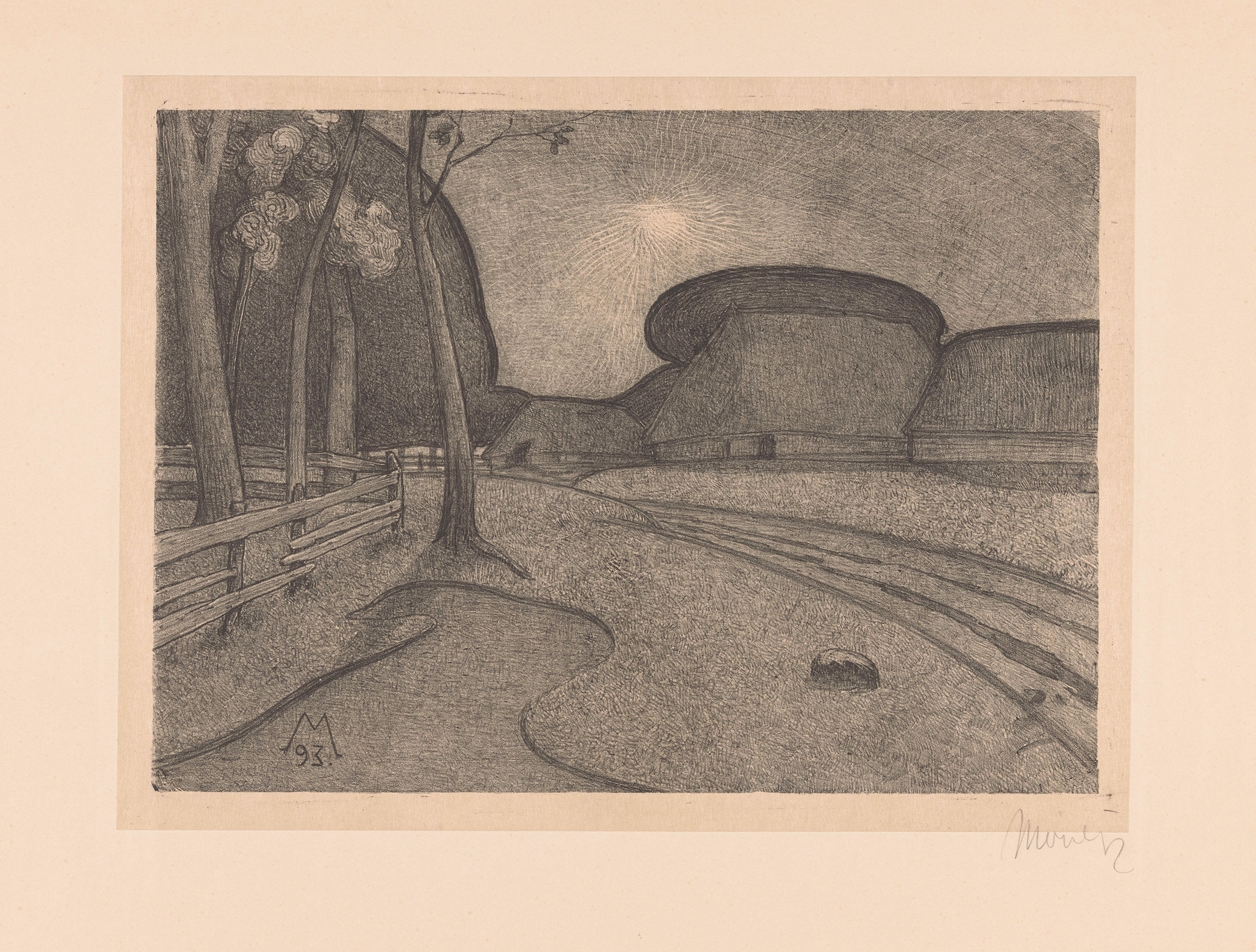
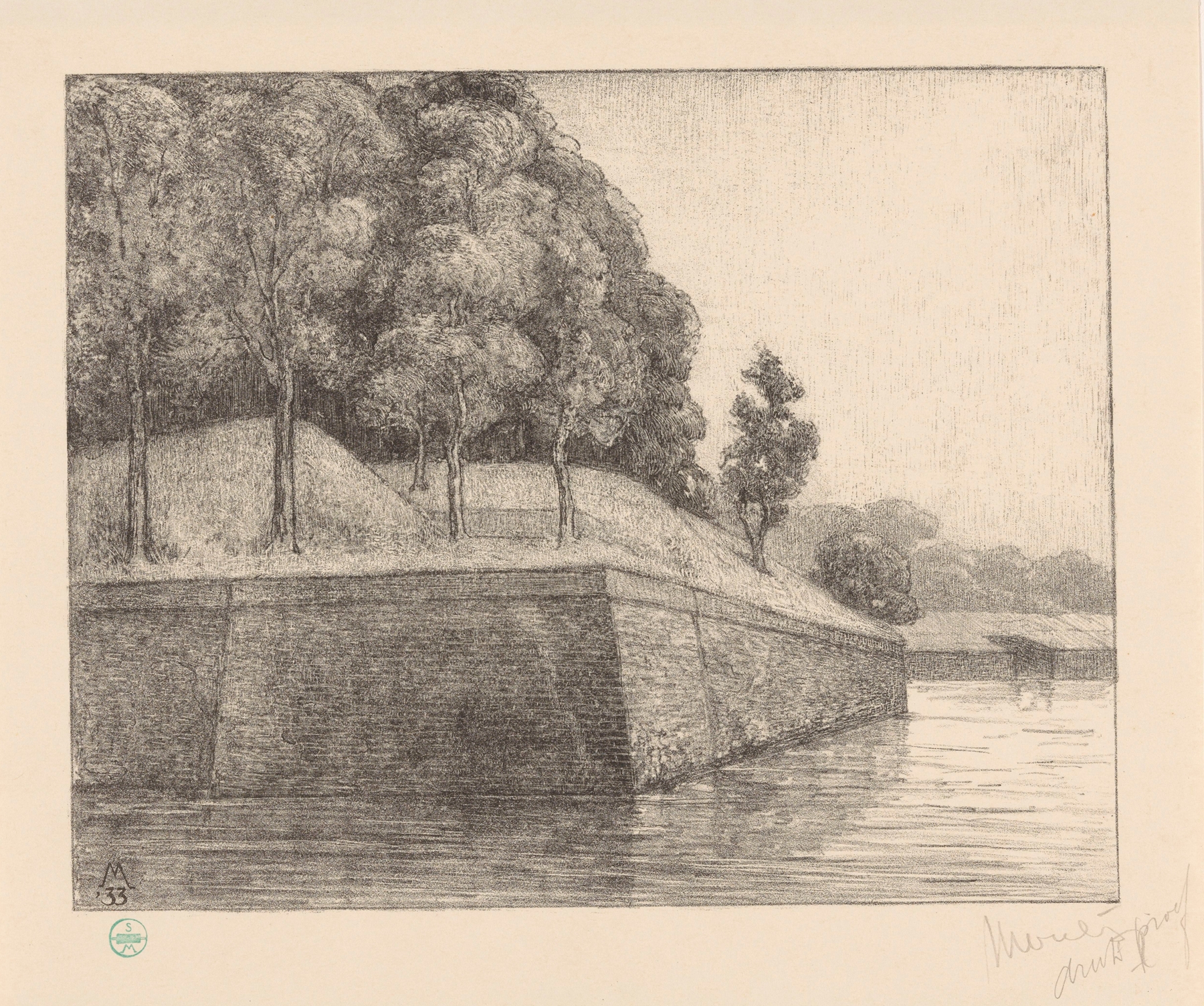
“Sometimes beauty is just pain, disguised in gold.” In the delicate dance of nature, ecstasy intertwines with melancholy, whispering secrets through rustling leaves and a caressing breeze. Look to the foreground, where a tapestry of willows and poplars stretches across the canvas, their vibrant greens and soft browns pulsating with life. The strokes are fluid yet deliberate, mimicking the gentle sway of the trees under a serene sky. The light filters through the foliage, casting dappled shadows that invite you to linger, to breathe in the tranquility permeating this landscape.
Yet, amid this picturesque scene, there lies an undercurrent of tension. The trees, though beautifully rendered, stand as sentinels of time, embodying the fleeting nature of joy. The contrasting colors — the warm earth tones juxtaposed against cool shadows — evoke an unsettling sense of longing, hinting that peace is often a mask for deeper emotions. It’s an interplay of ecstasy and sadness, a reminder that the beauty of nature is often tinged with the pangs of existence.
In the early 1920s, Simon Moulijn was painting at a time when Europe was grappling with the aftermath of World War I. Living in the Netherlands, he engaged with the prevailing artistic movements that explored a return to nature and the emotional landscapes of the human experience. This work reflects not only his mastery of color and form but also the collective yearning for solace and renewal in a world marked by upheaval.