Kasteel Duivenvoorde aan vijver Duivenvoorde II — History & Analysis
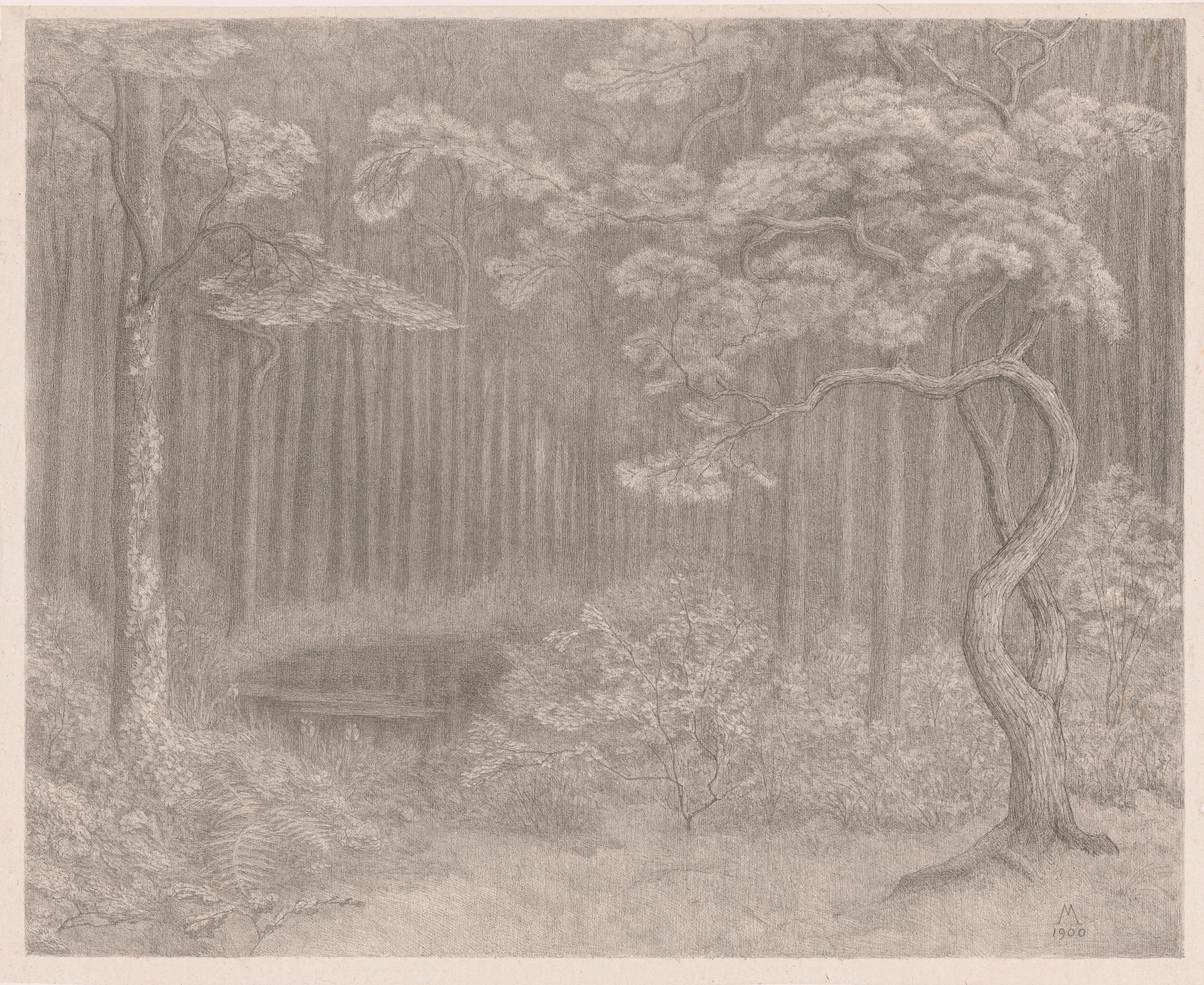
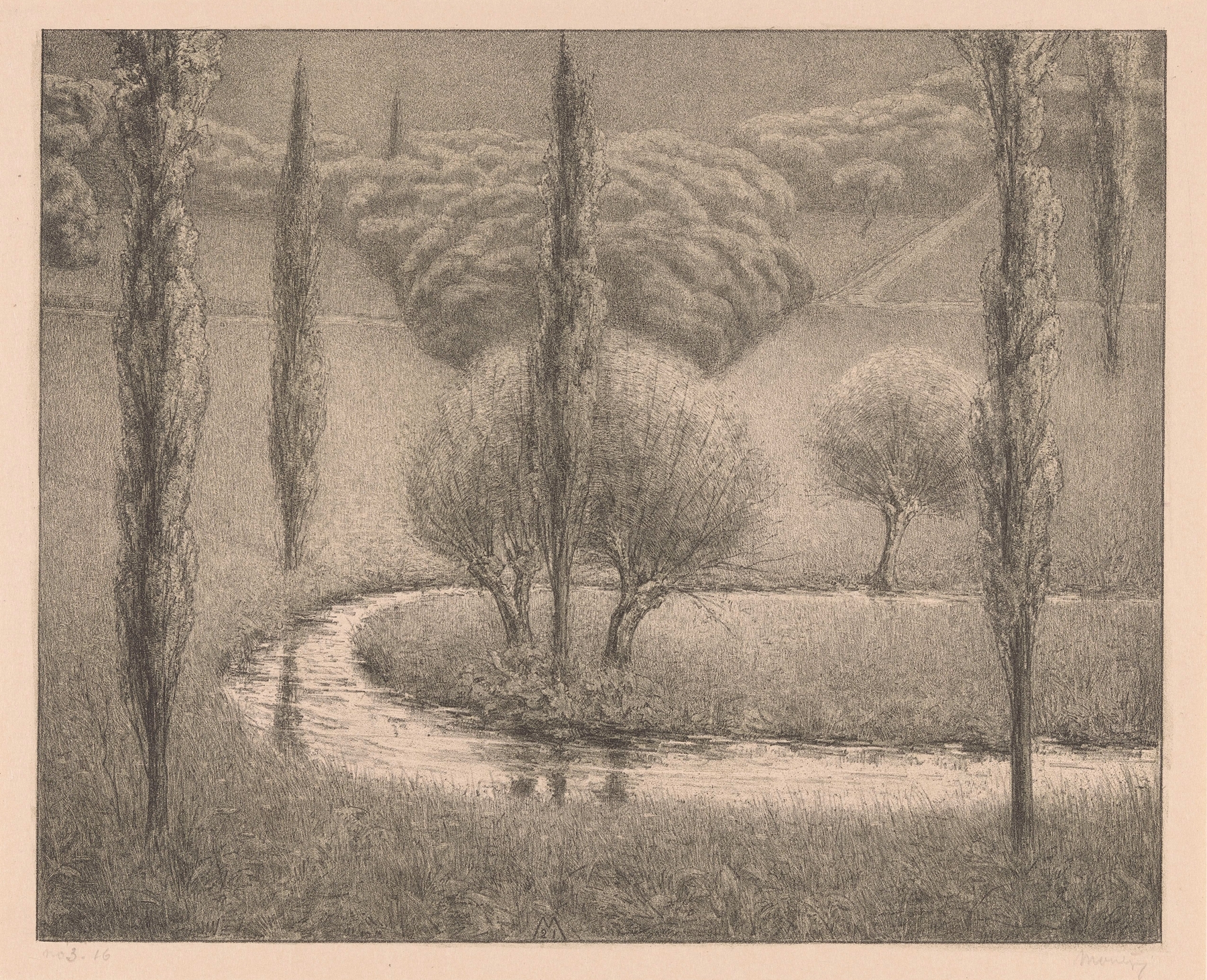
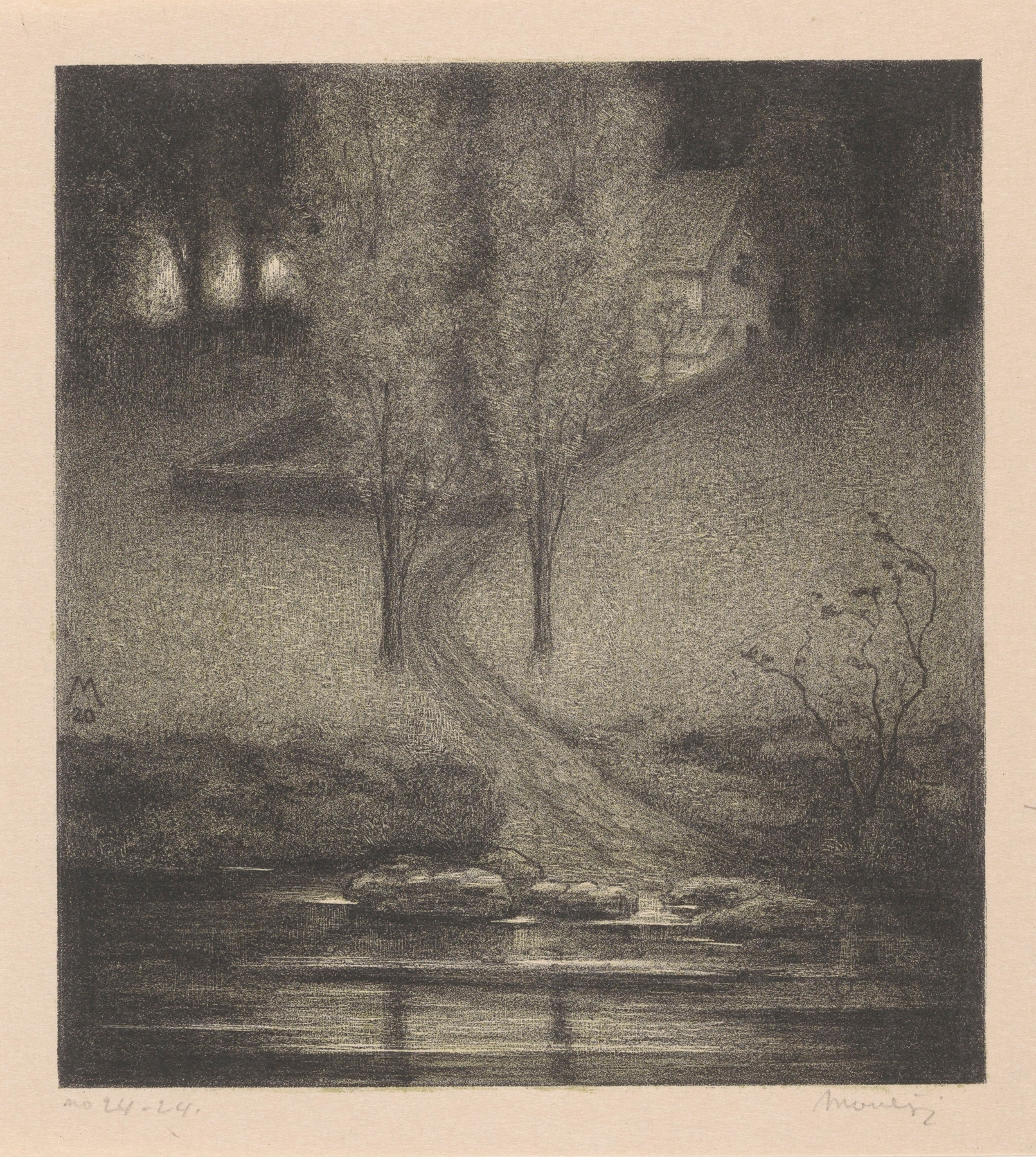
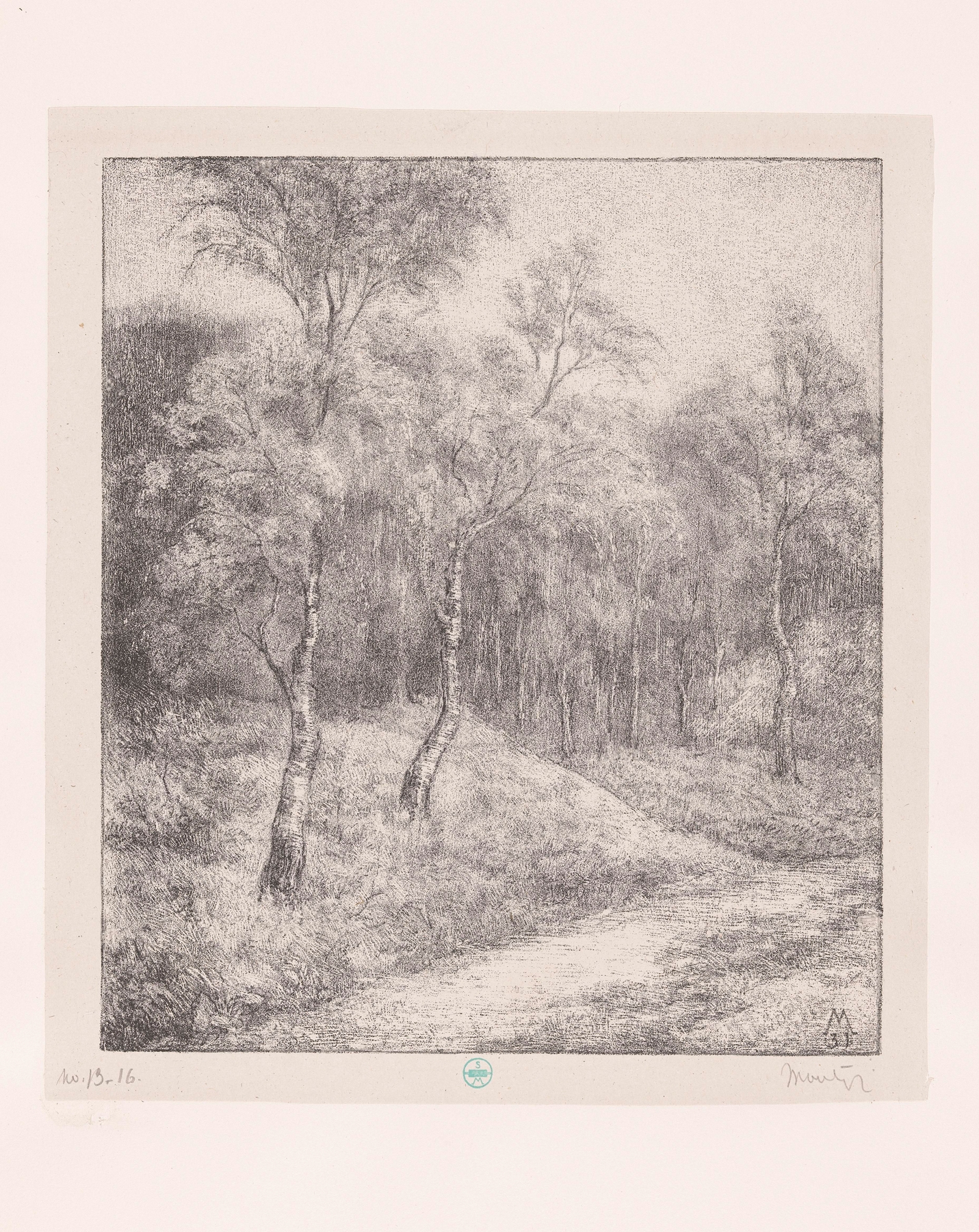
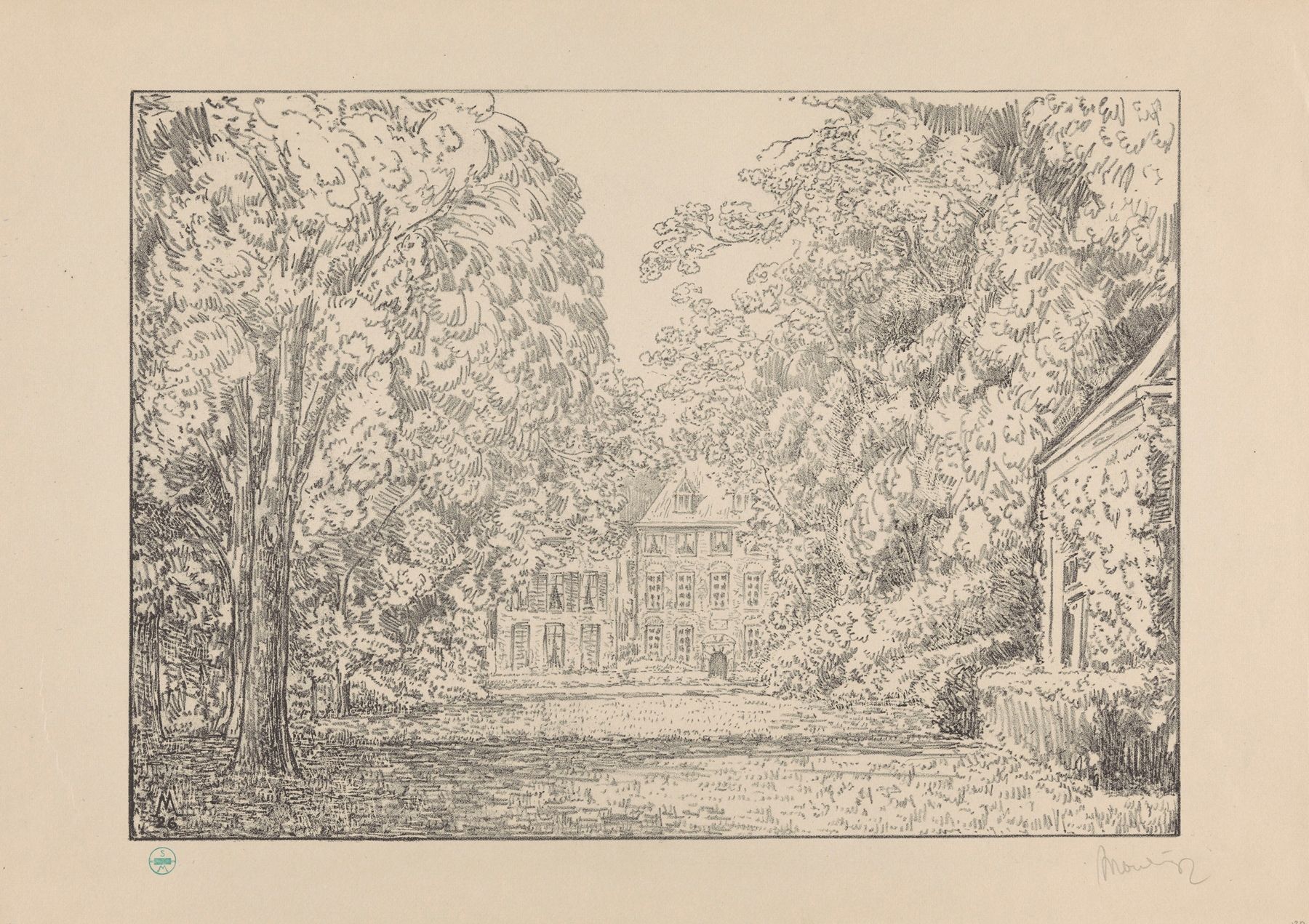
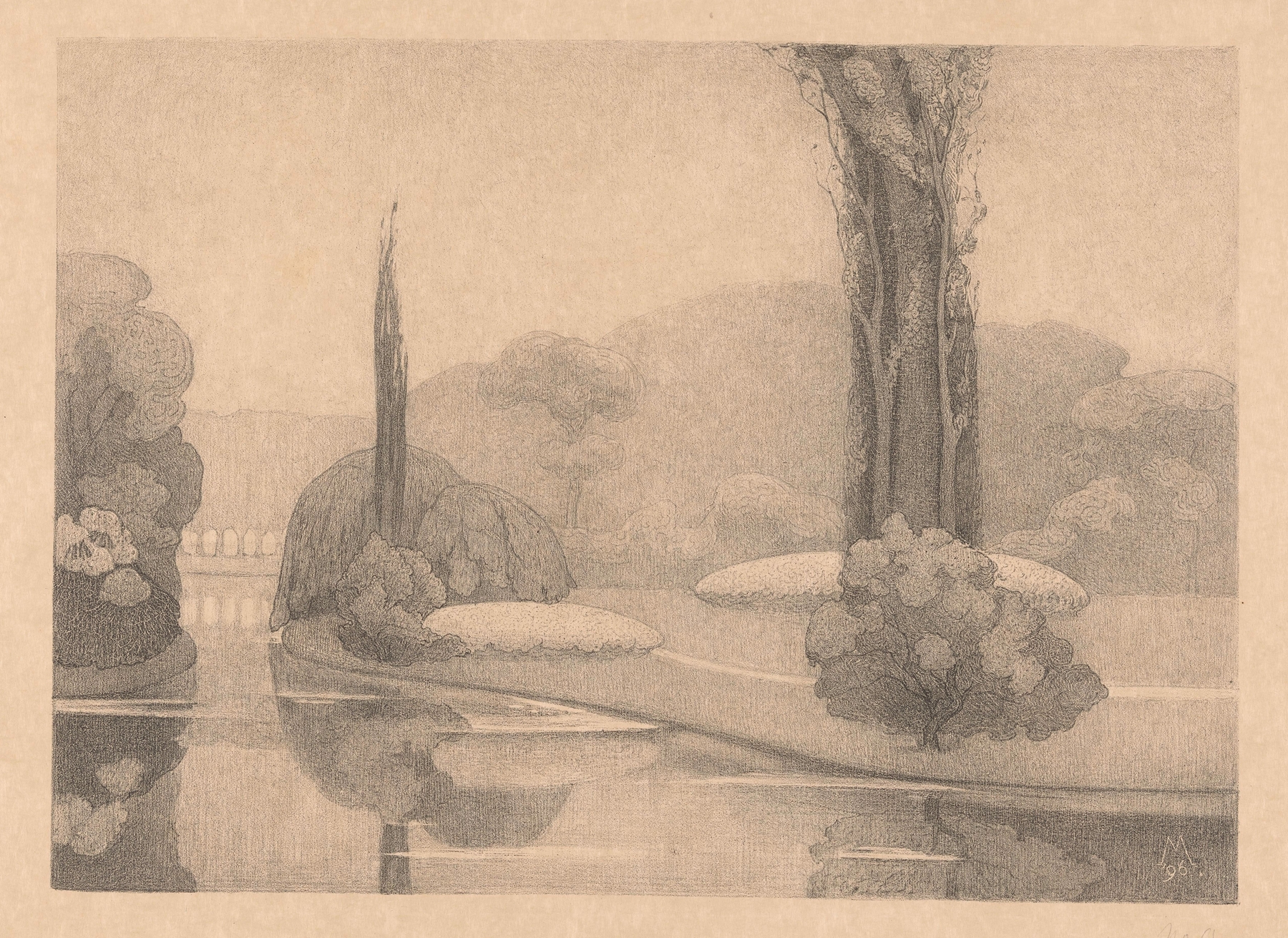
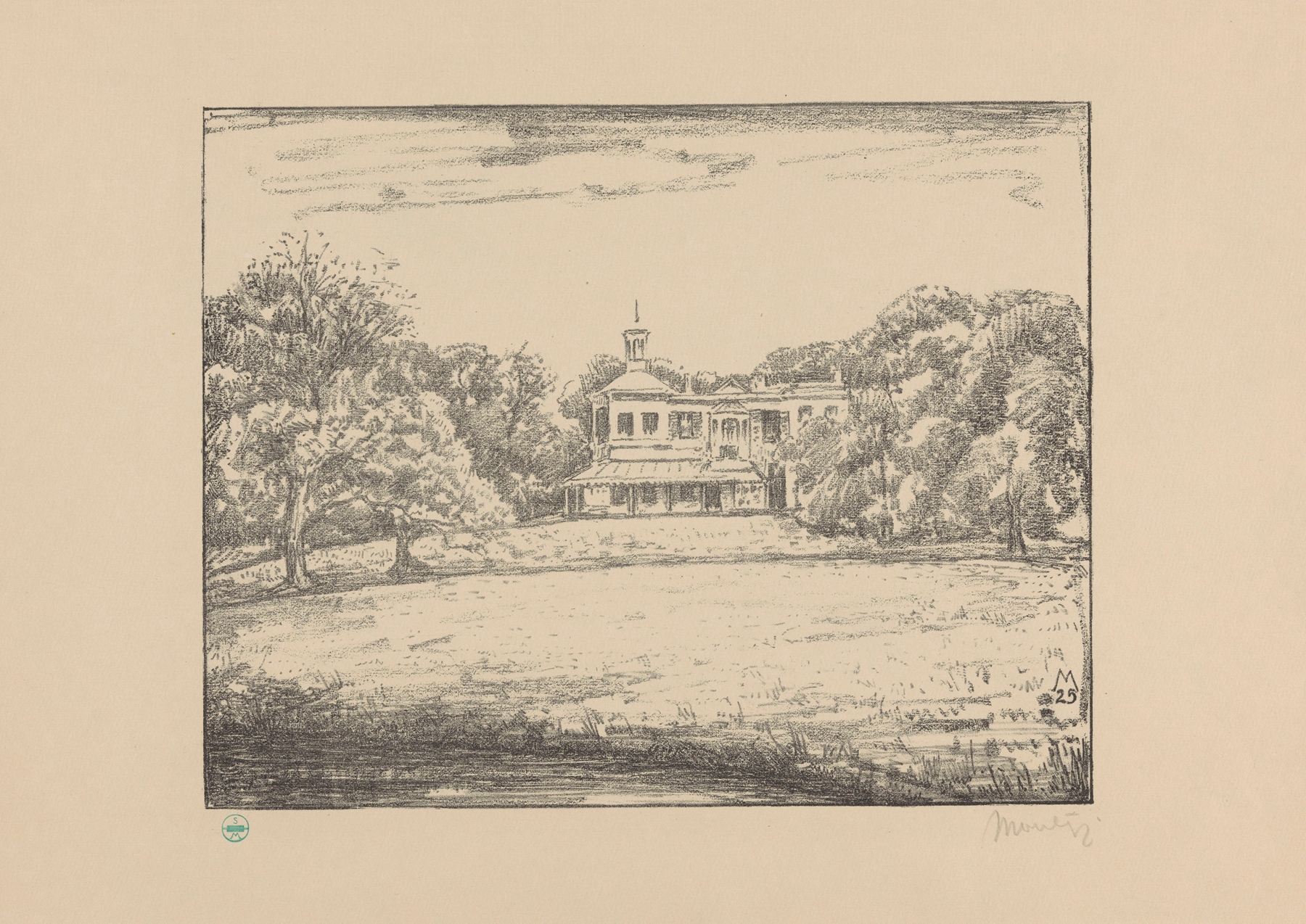
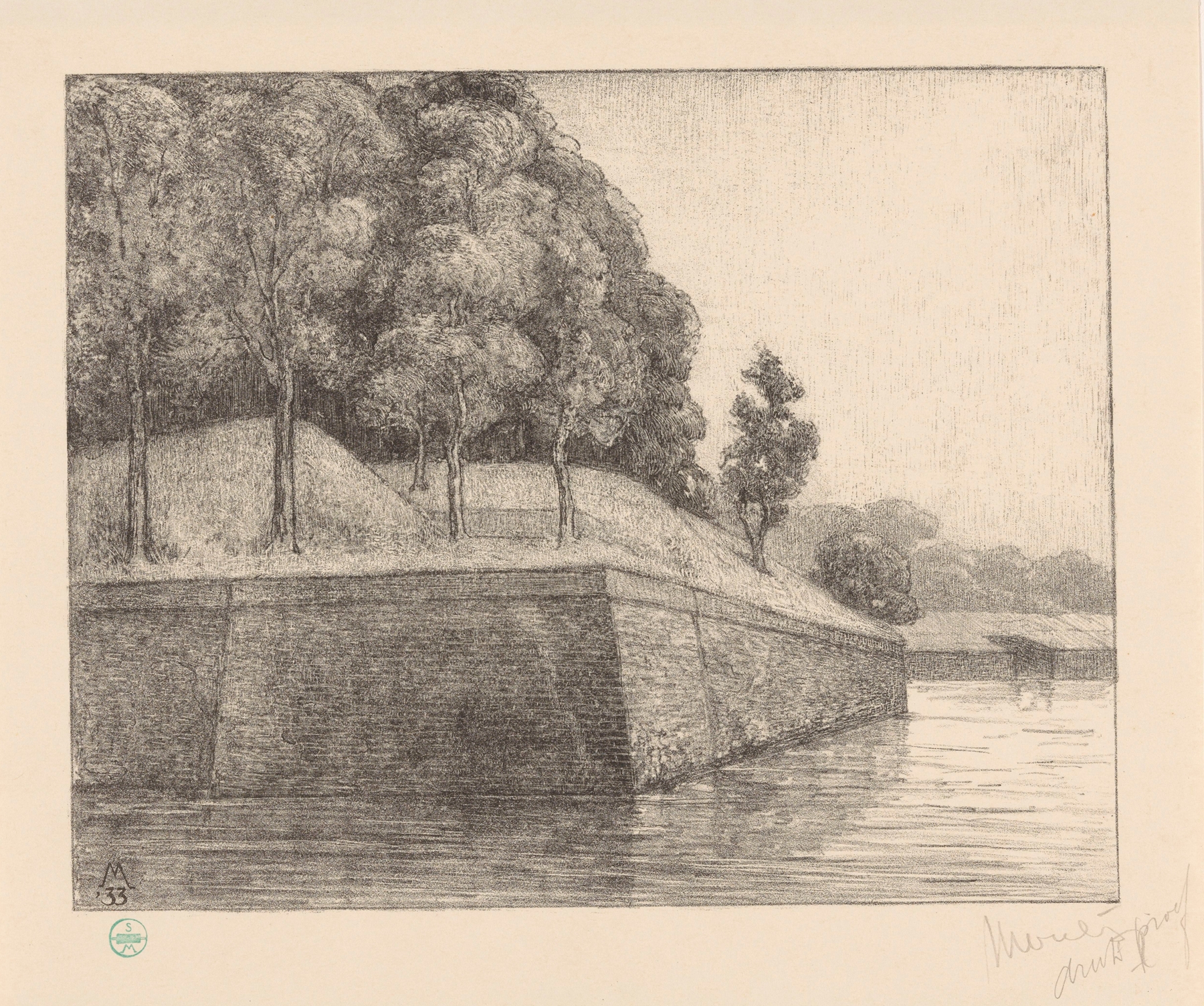
Can paint confess what words never could? In the delicate interplay of light and shadow, Kasteel Duivenvoorde aan vijver Duivenvoorde II invites us into a dialogue of balance, where nature and architecture coexist in serene harmony. Look to the left at the tranquil pond, its glassy surface reflecting the stately silhouette of the castle. Notice how the soft blues and greens dominate the palette, infused with gentle touches of warm sunlight that dance upon the water.
The artist's brushstrokes create a nuanced texture that breathes life into the landscape, drawing your eye to the interplay of natural elements and human craftsmanship, a testament to serene coexistence. Within the painting lies a tension between the stability of the castle and the fluidity of the surrounding landscape. The water serves as a metaphor for change, contrasting sharply against the steadfastness of the architecture. Details like the delicate ripples on the pond evoke a sense of movement, while the castle stands resolute, a guardian of history.
This duality speaks to the broader themes of permanence versus transience, suggesting that balance is not merely an ideal but a constant negotiation between opposing forces. In 1929, Simon Moulijn crafted this piece while living in the Netherlands, a period marked by artistic exploration in response to a changing world. The post-war era saw a resurgence in Dutch landscape painting, and Moulijn, influenced by both impressionism and realism, sought to capture the enchanting beauty of his homeland. His work reflects a time when artists were beginning to grapple with the relationship between humanity and nature, exploring profound themes that resonate even today.