Bospad met berken — History & Analysis
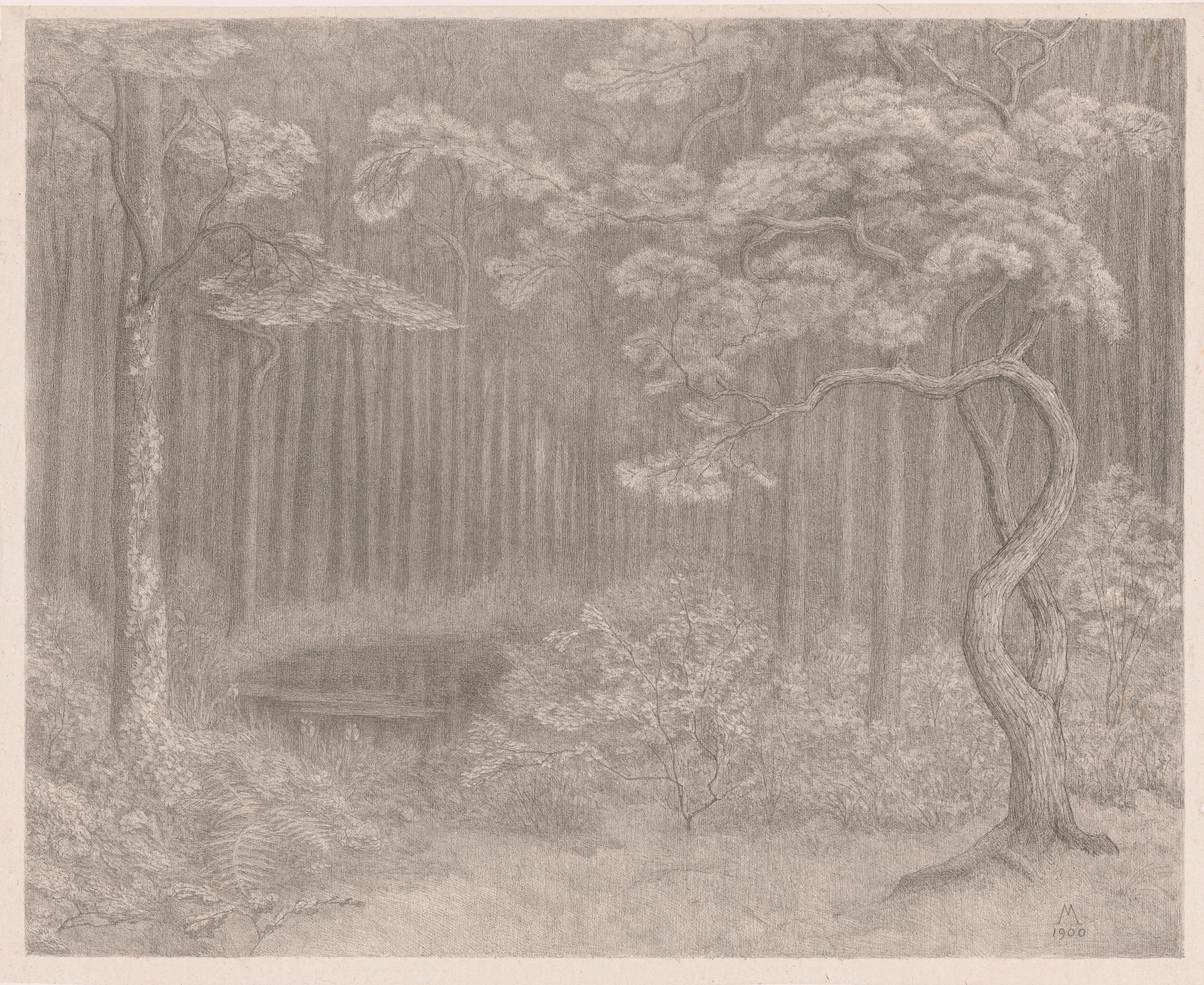
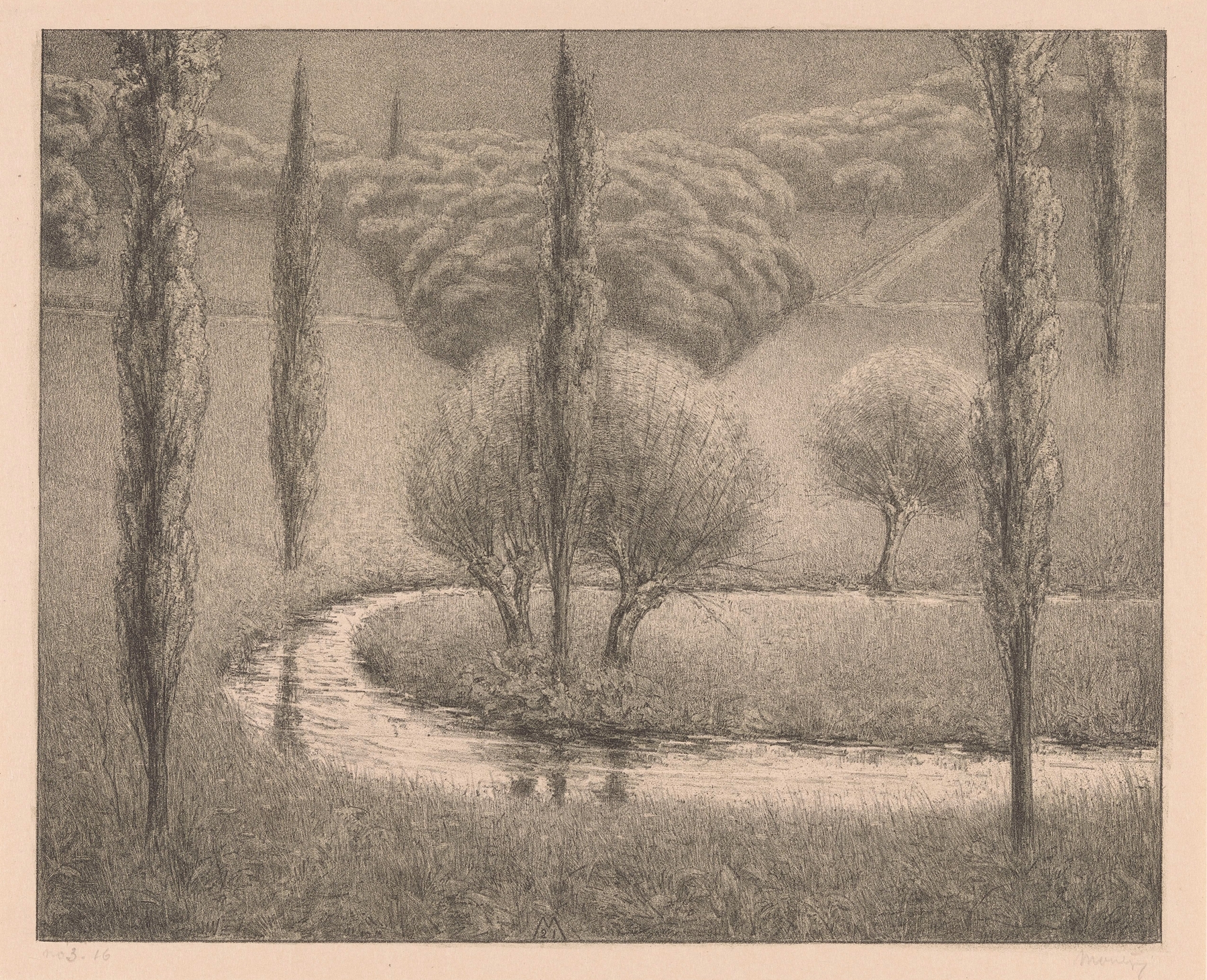
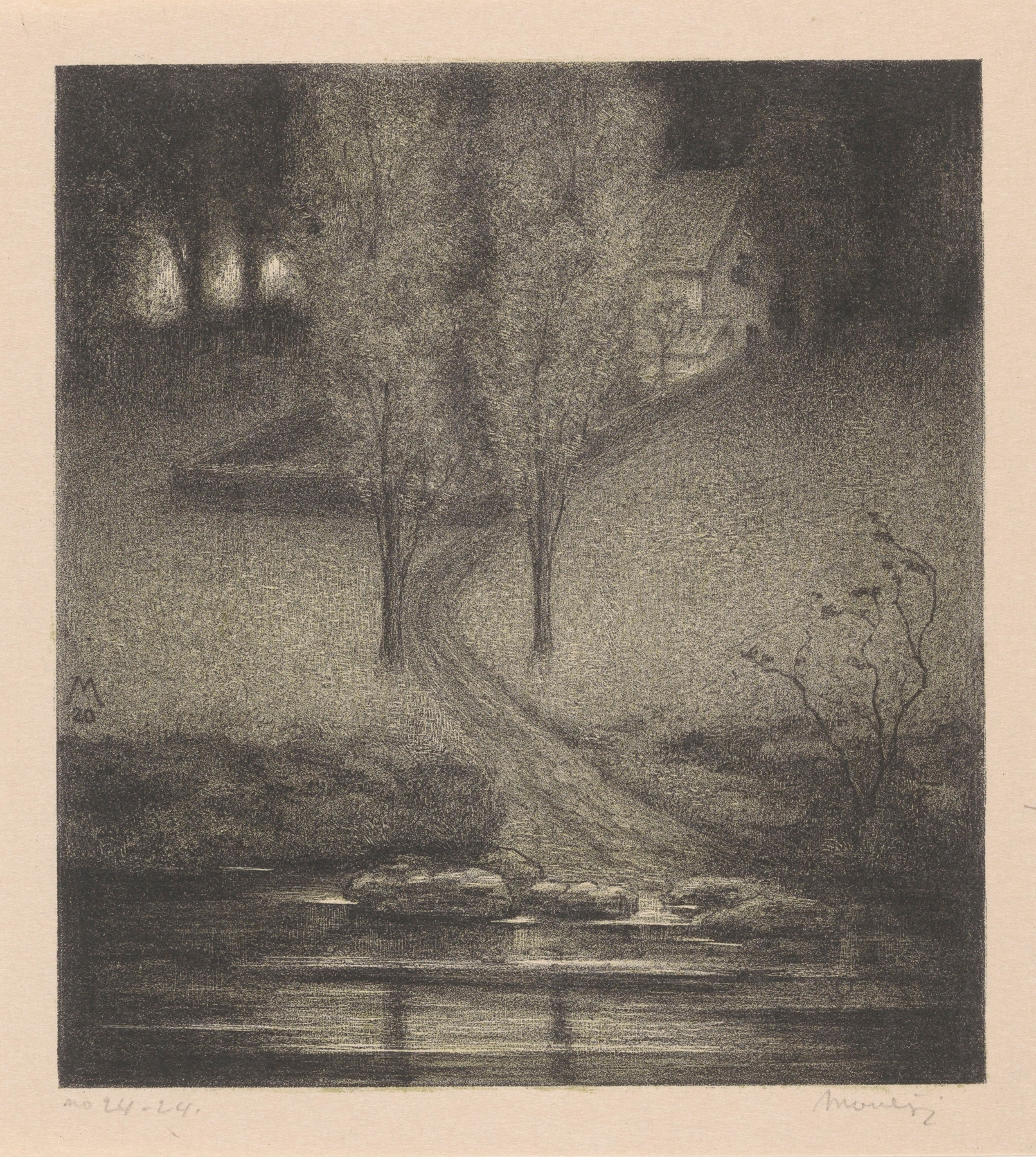
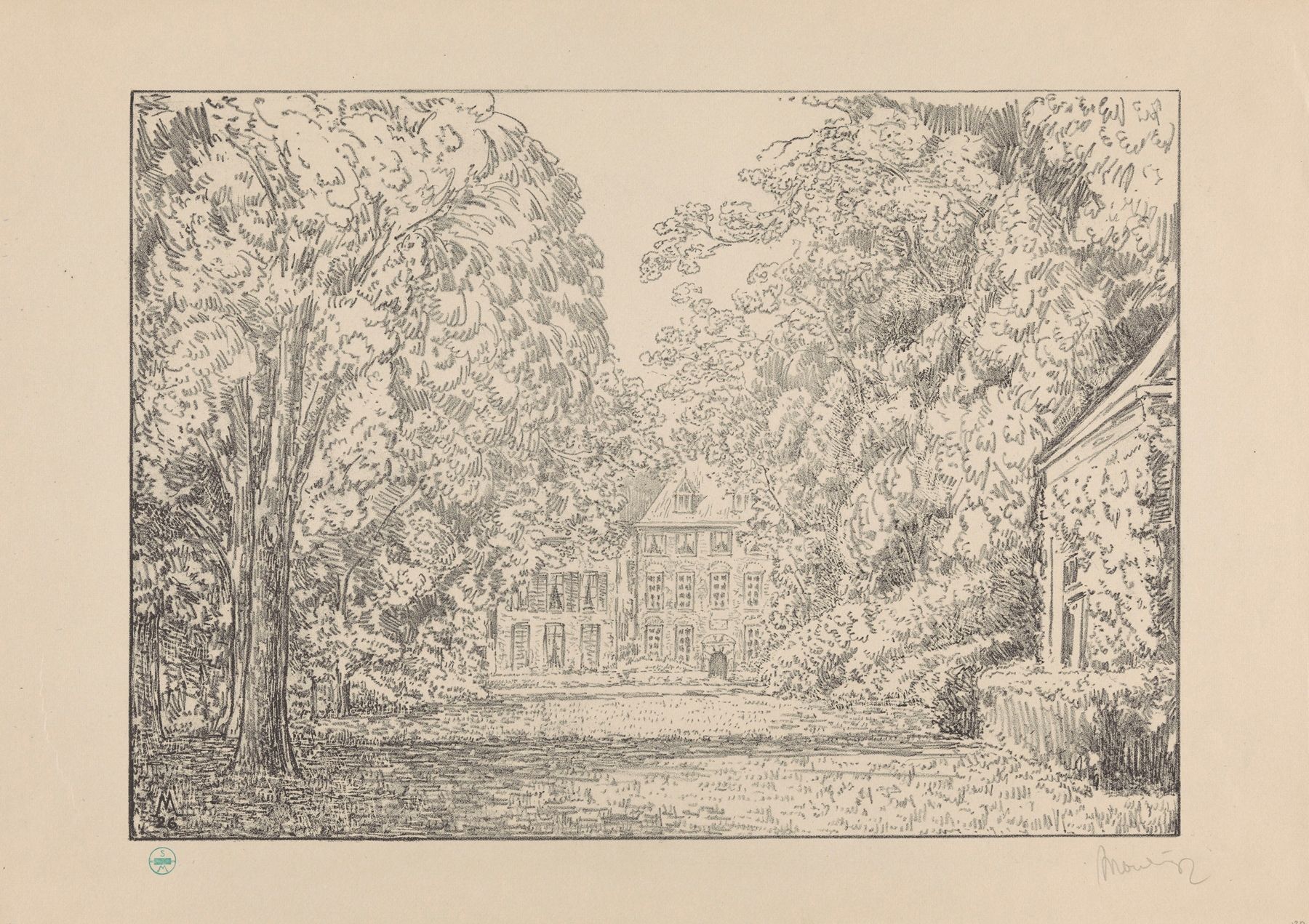
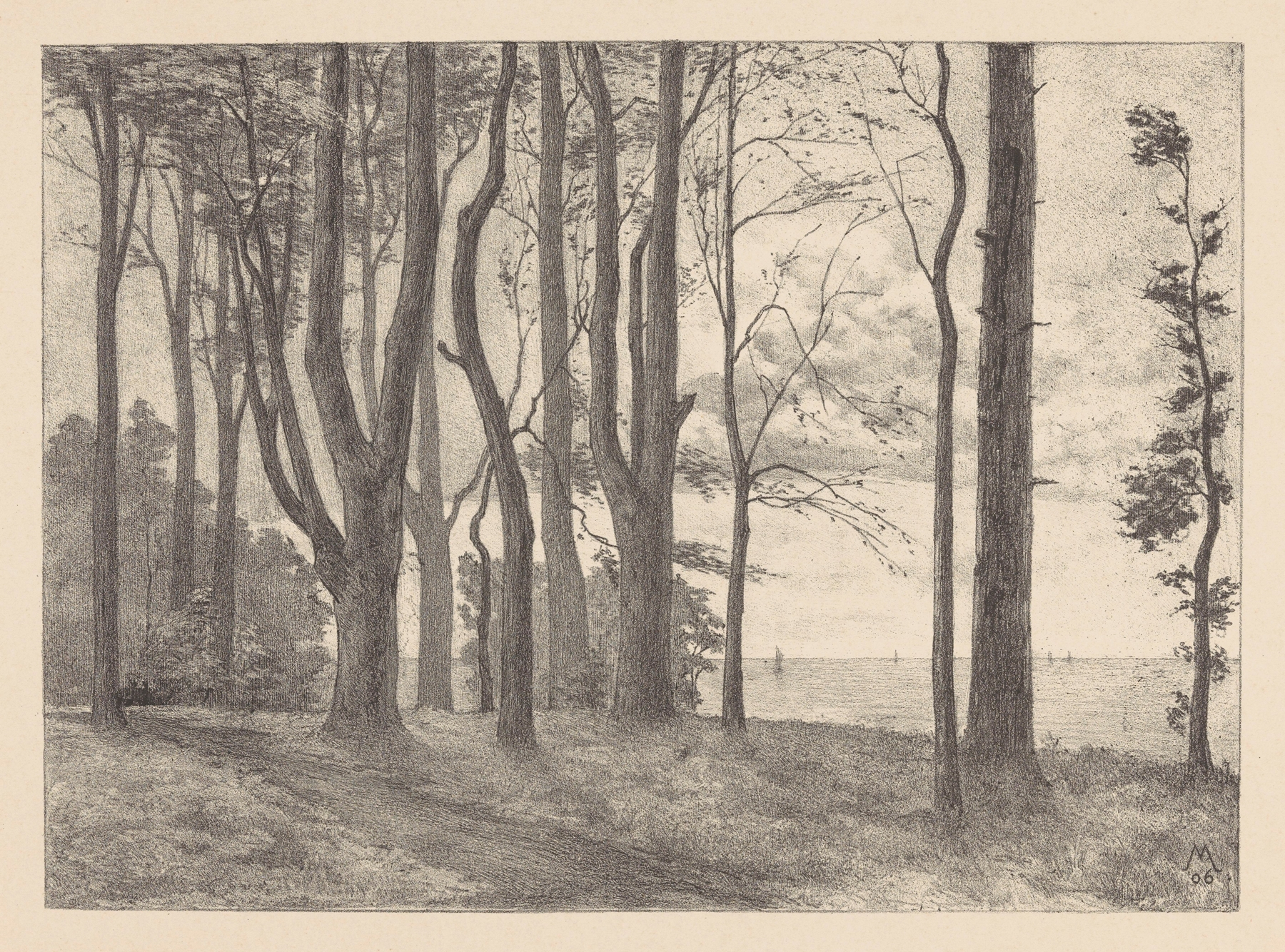
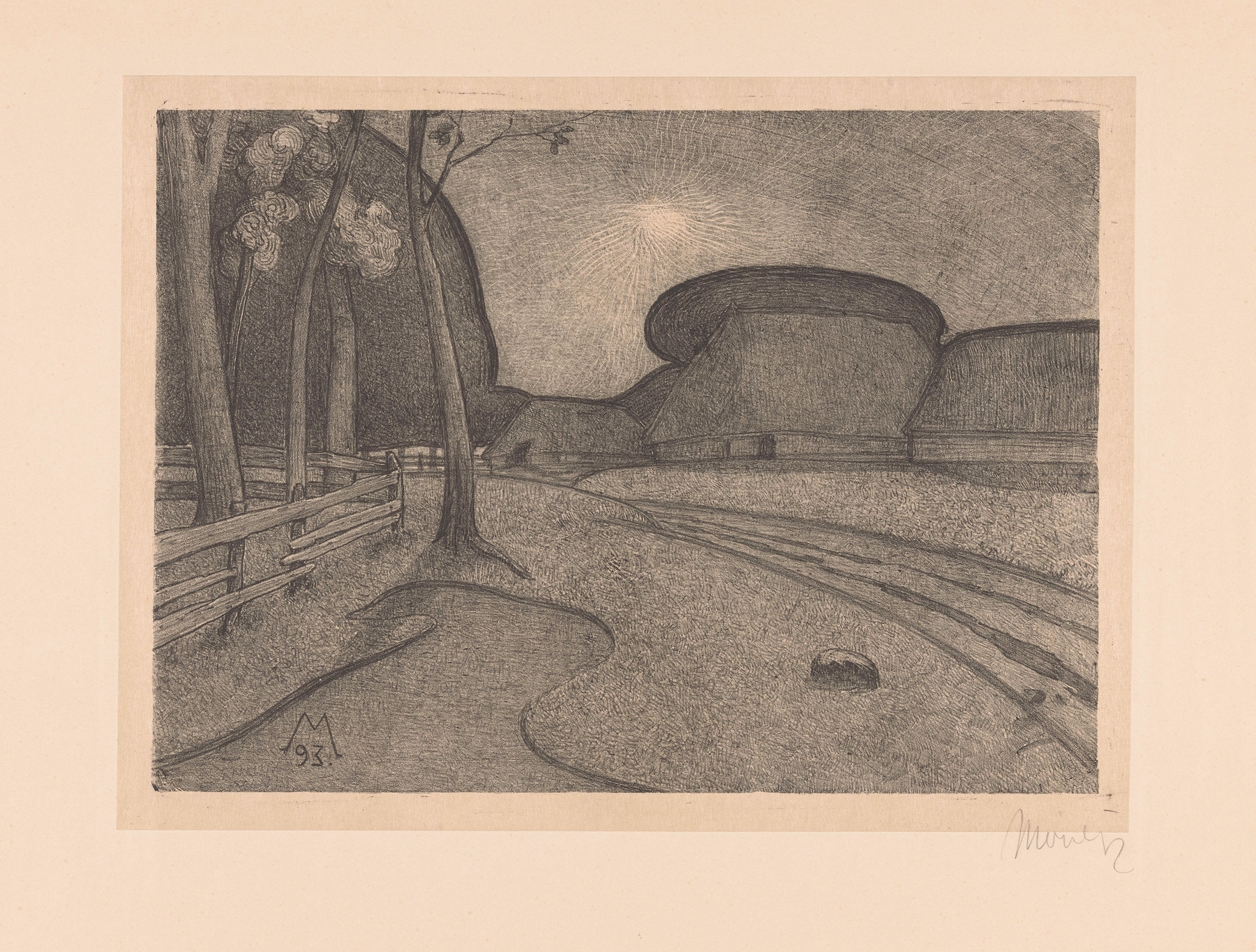
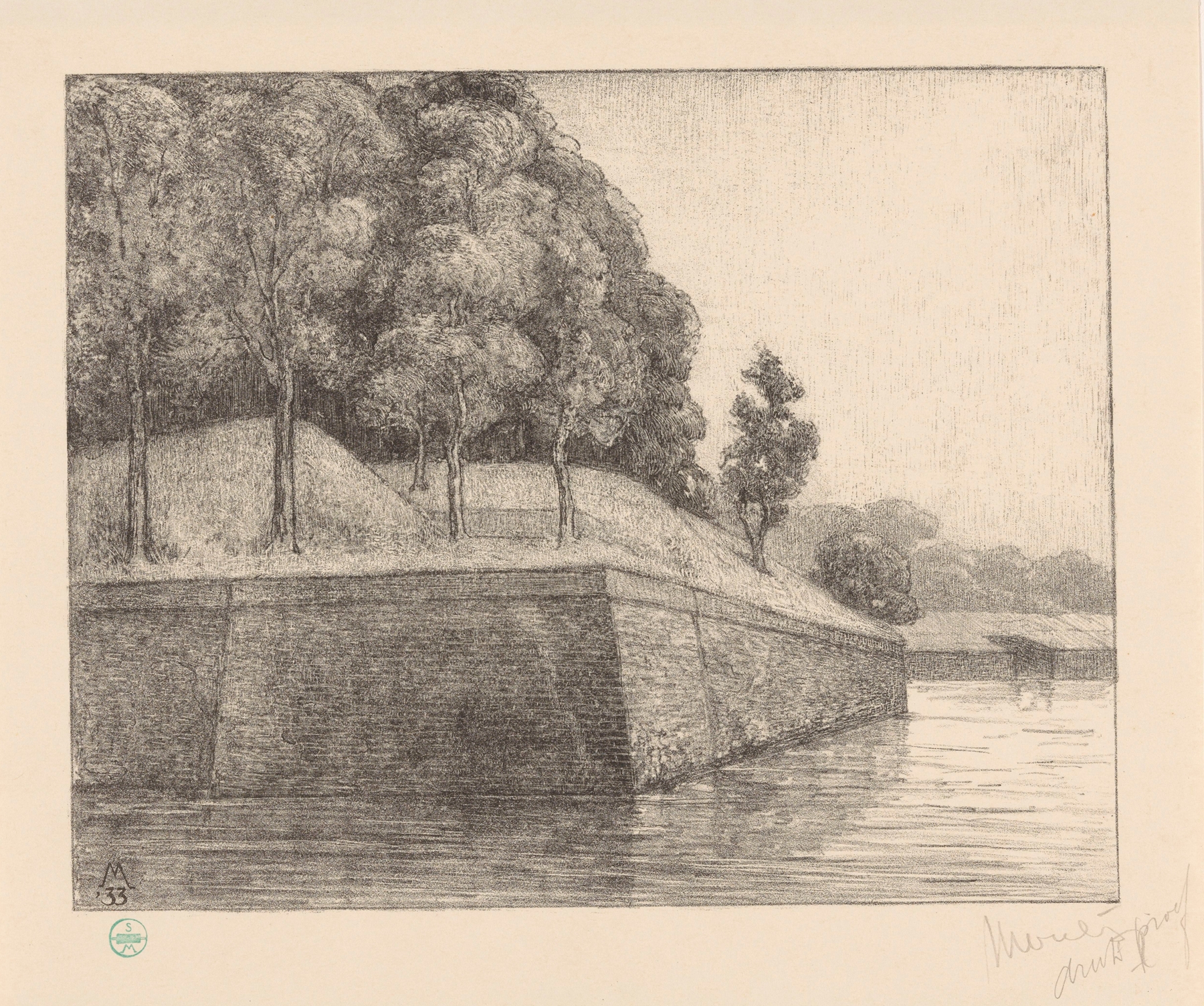
“Every silence here is a confession.” In this dreamlike landscape, the tranquil path weaves through the birch trees, inviting the viewer into a world that exists beyond the fleeting noise of everyday life. Look to the center of the canvas, where the inviting trail beckons, bordered by slender, white-trunked birches that stand like sentinels. The artist captures the interplay of light and shadow, as dappled sunlight filters through the canopy, painting the path in hues of golden ochre and deep emerald. The soft brushwork evokes a tender atmosphere, inviting contemplation while expertly guiding the viewer’s eyes along the winding trail.
Within the serene beauty lies a tension between solitude and companionship. The trees, while physically close, seem to whisper secrets of isolation, embodying both serenity and a yearning for connection. The gentle curves of the path suggest a journey—not just through nature, but through one’s own inner reflections. Here, the silence is heavy, rich with the emotions of a solitary wanderer lost in thought.
In 1931, Simon Moulijn painted Bospad met berken during a period marked by personal change as well as a shift in the art world towards realism and nature. Residing in the Netherlands, the artist drew inspiration from the landscapes around him, infusing them with a sense of quiet introspection amidst the turbulence of societal transformations occurring in Europe. This work serves as a window into his artistic evolution and the profound connection he felt with the natural world.