Gezicht op bastion Oud-Molen (westzijde) — History & Analysis
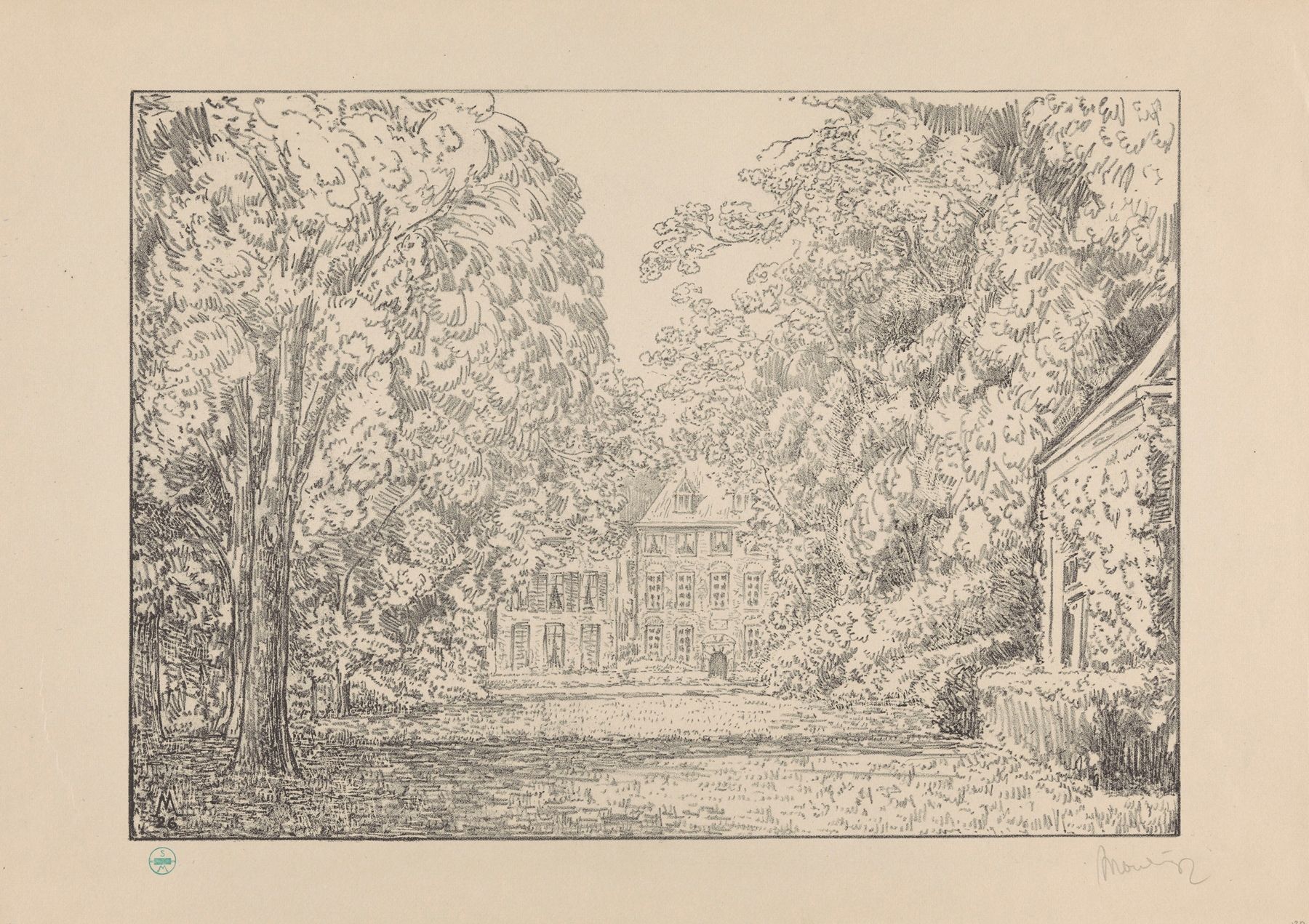
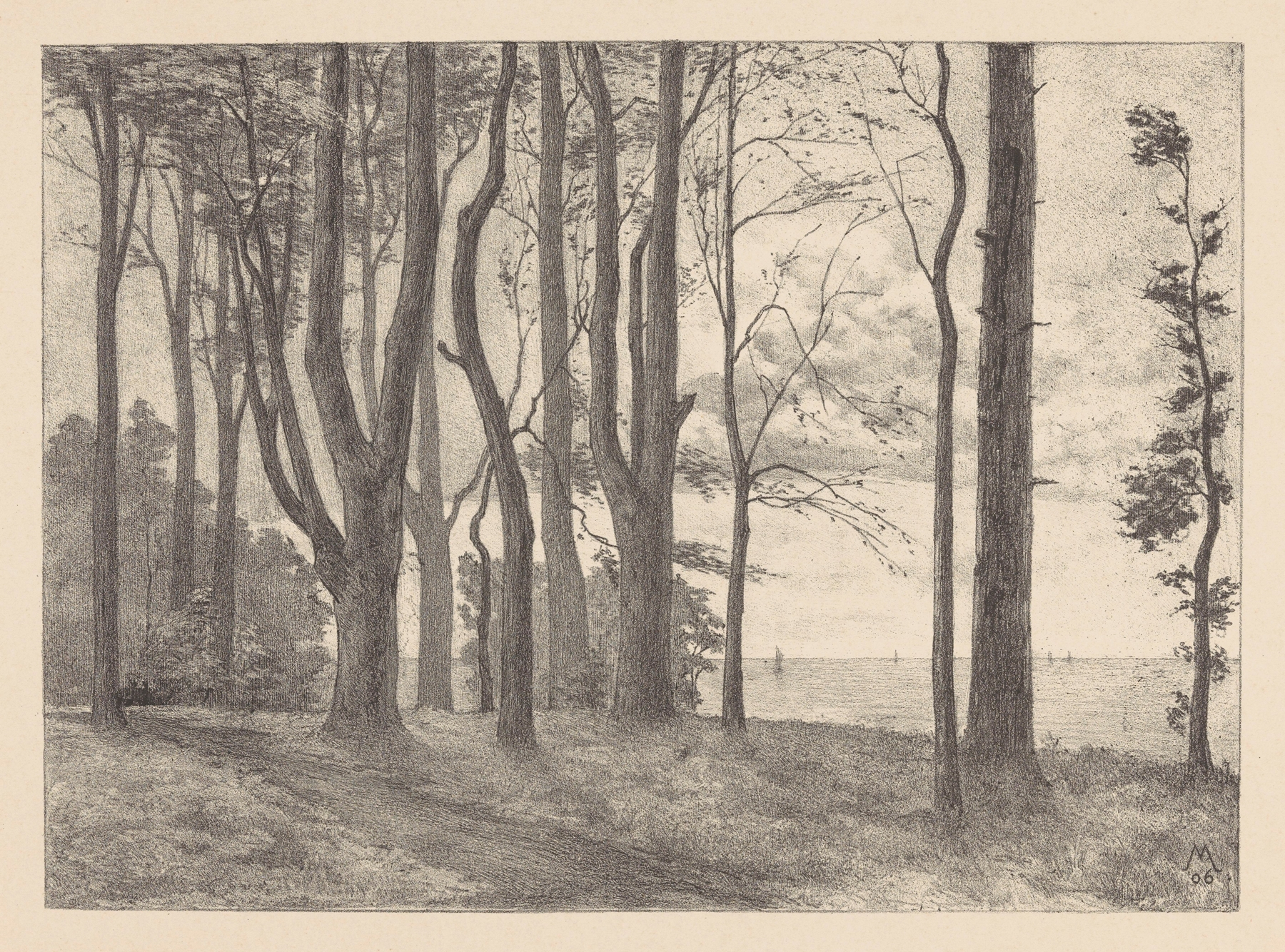
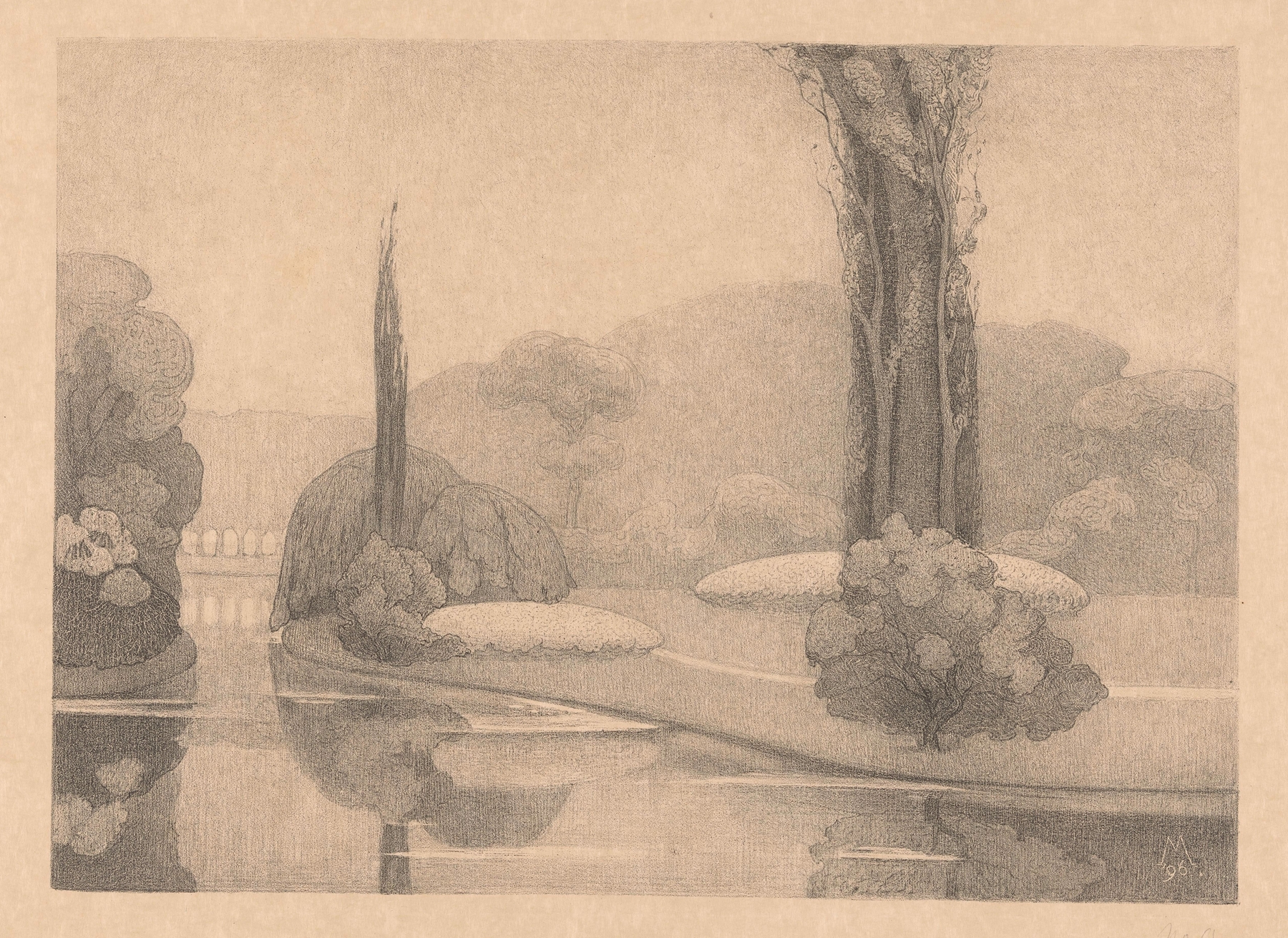
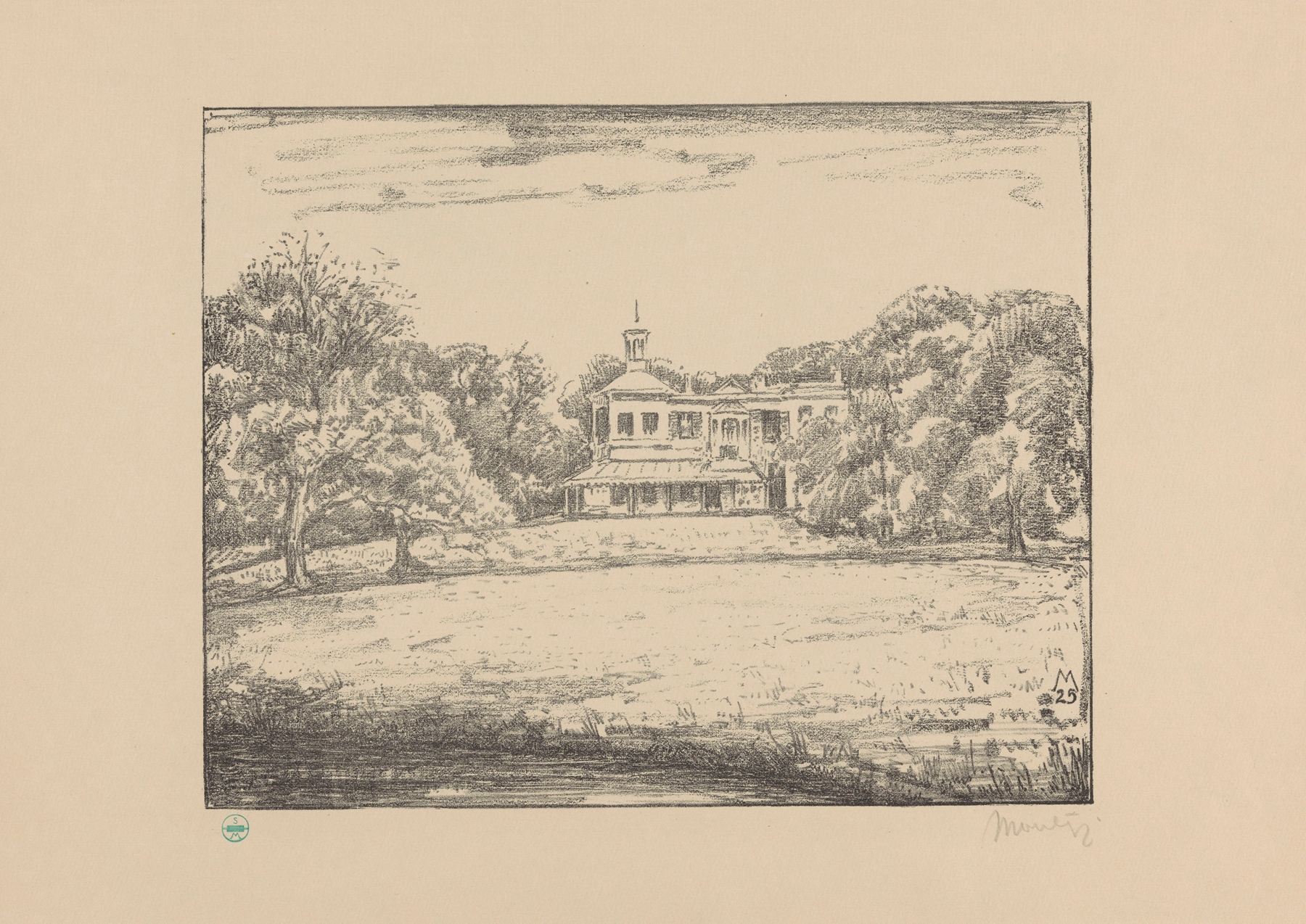
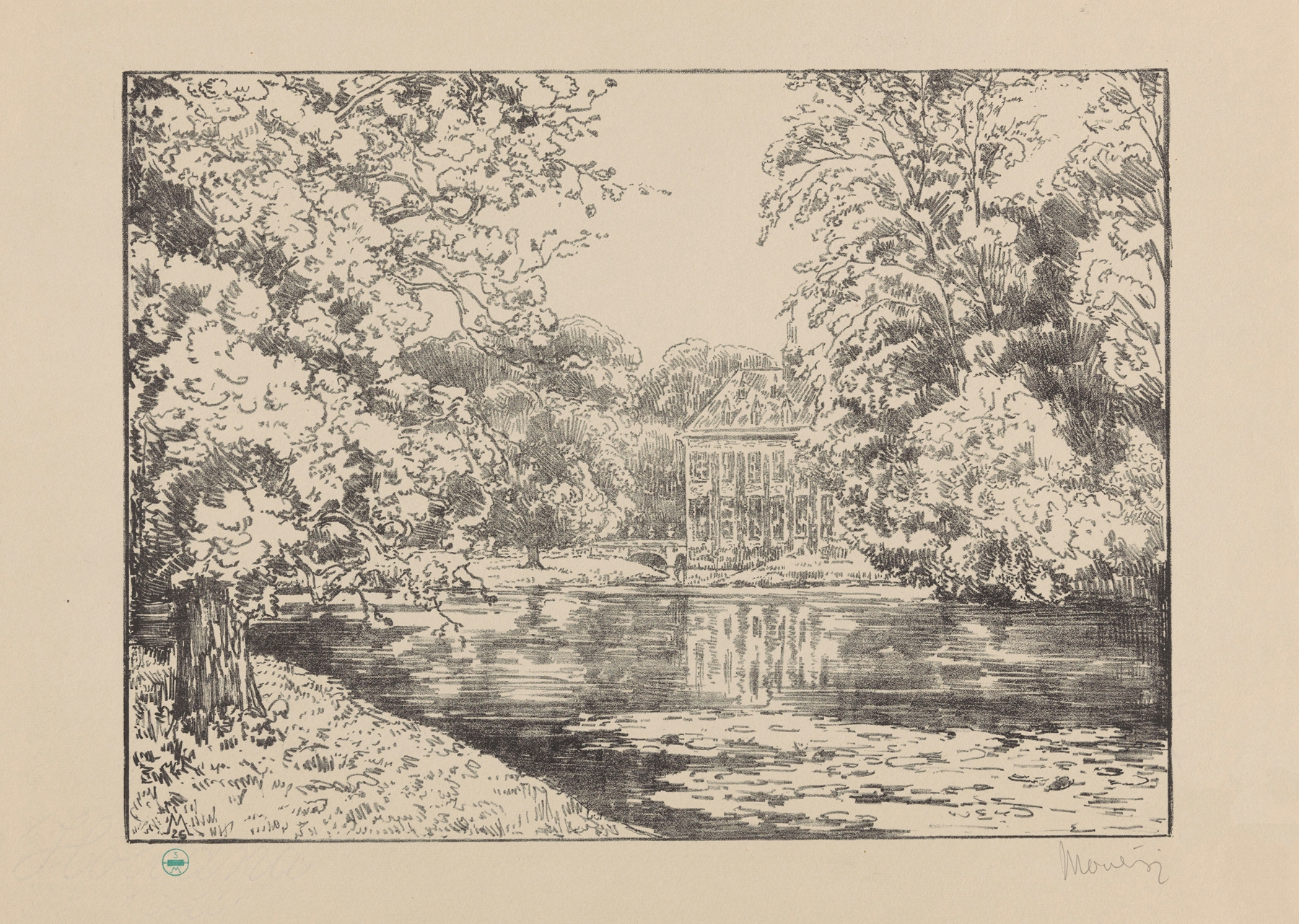
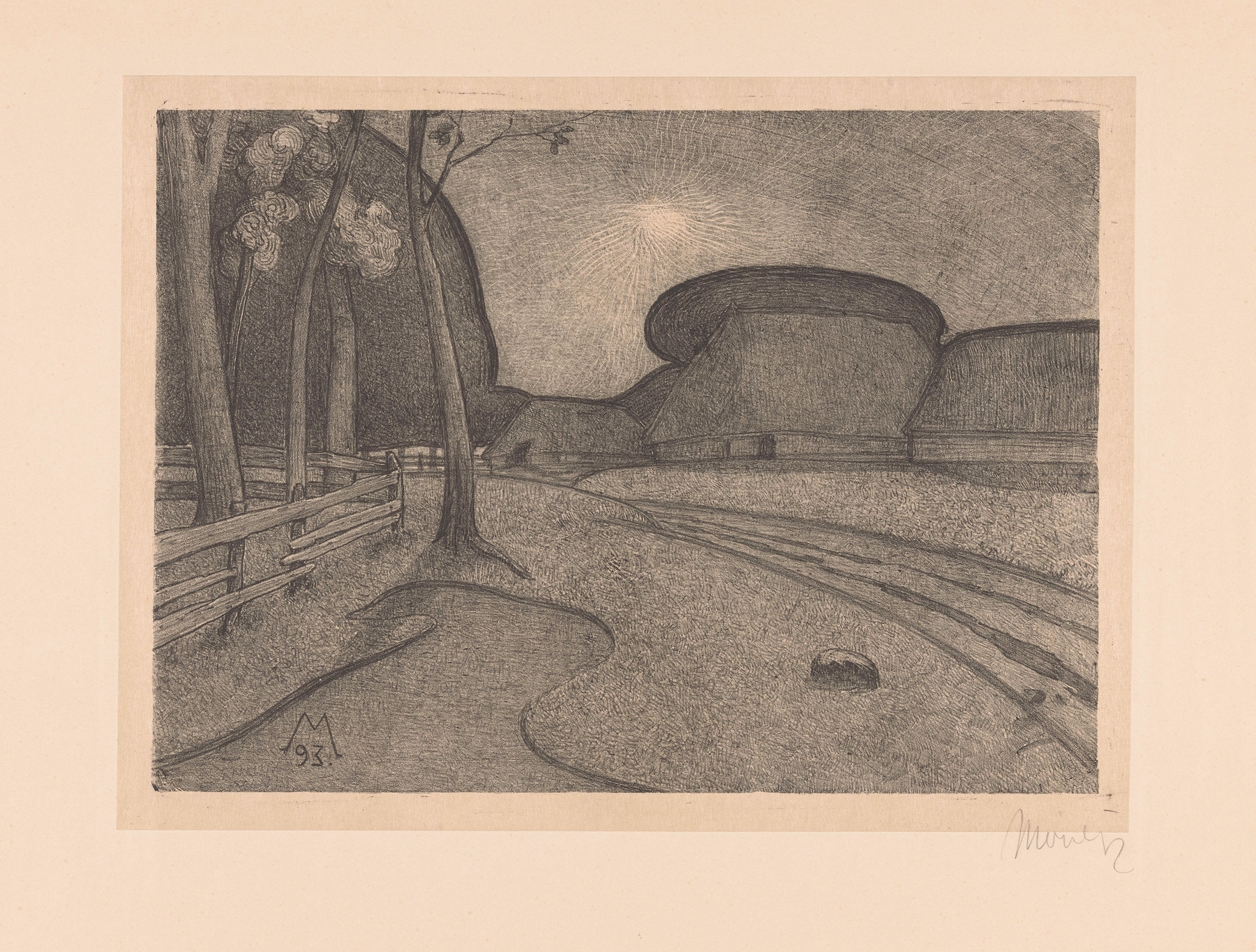
“Between color and silence, truth hides.” In the world of transformation, every hue tells a story, and every stroke encapsulates change. Here, within this captivating piece, the viewer is invited to explore a landscape caught in a moment of transition. Look to the left at the striking interplay of shadows cast by the bastion, which stands resolute against a brooding sky. The subtle gradient of greens and browns breathes life into the foliage, while soft washes of gray hint at the encroaching dusk.
Notice how the delicate brushwork conveys the textures of both the stone structure and the natural elements, creating a palpable sense of depth and atmosphere. As your gaze lingers, consider the contrasts at play: the robustness of the bastion against the ephemeral qualities of light and air. The painting evokes feelings of nostalgia and resilience, echoing the duality of strength and fragility within nature and human endeavor. Each detail, from the soft glow illuminating the scene to the traces of weathering on the bastion, speaks to the passage of time and the inevitable transformations it brings.
Created in 1933, the artist painted this work during a period marked by an evolution in his own style and the broader movements in Dutch art. At this time, Moulijn was grappling with a shift towards modernism, seeking to capture not just the physicality of the landscape but its emotional resonance. The era was steeped in change, as post-World War I sentiments shaped artistic expression in Europe, urging a reevaluation of identity and heritage.