Bosrand aan het water — History & Analysis
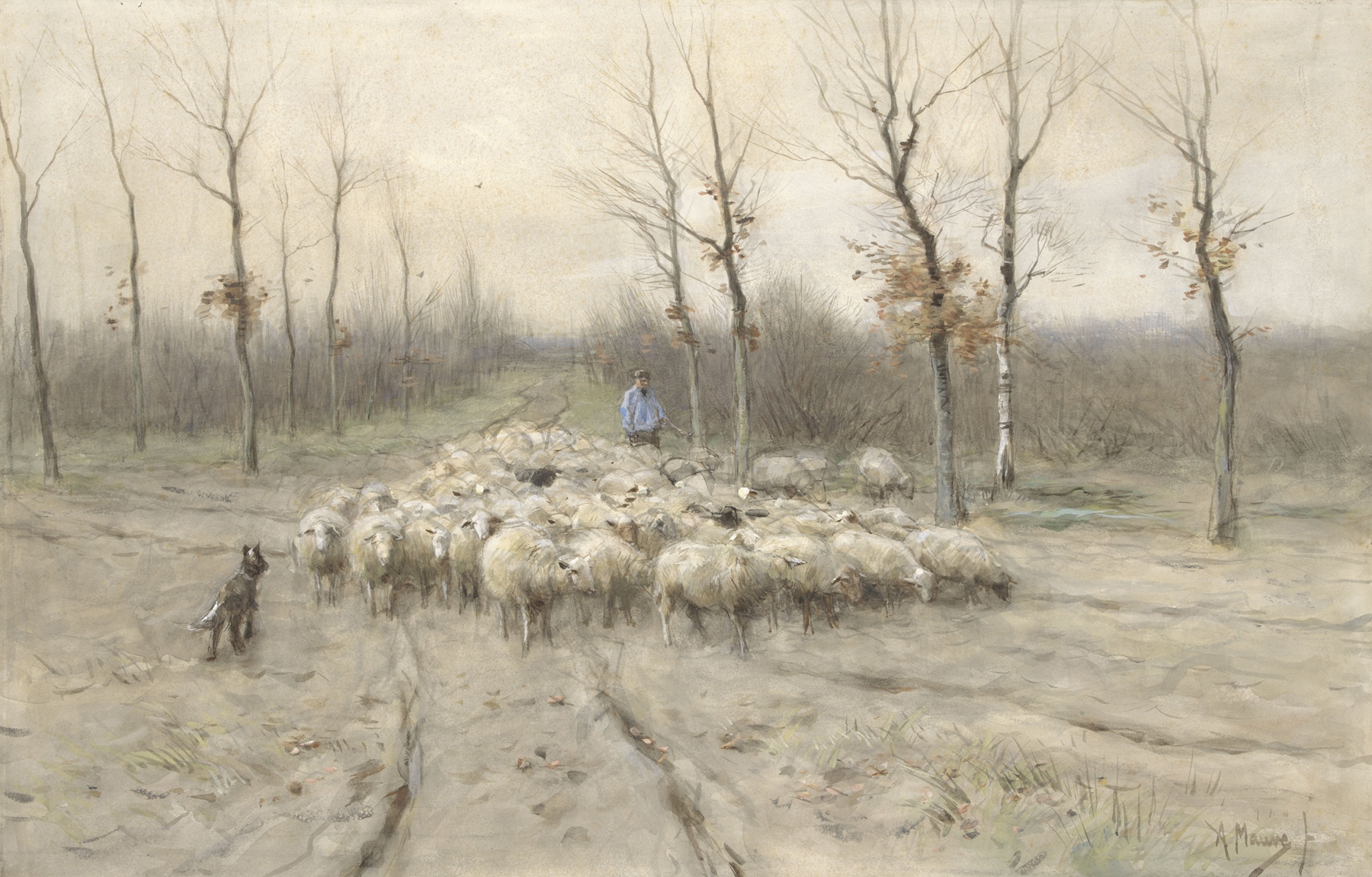
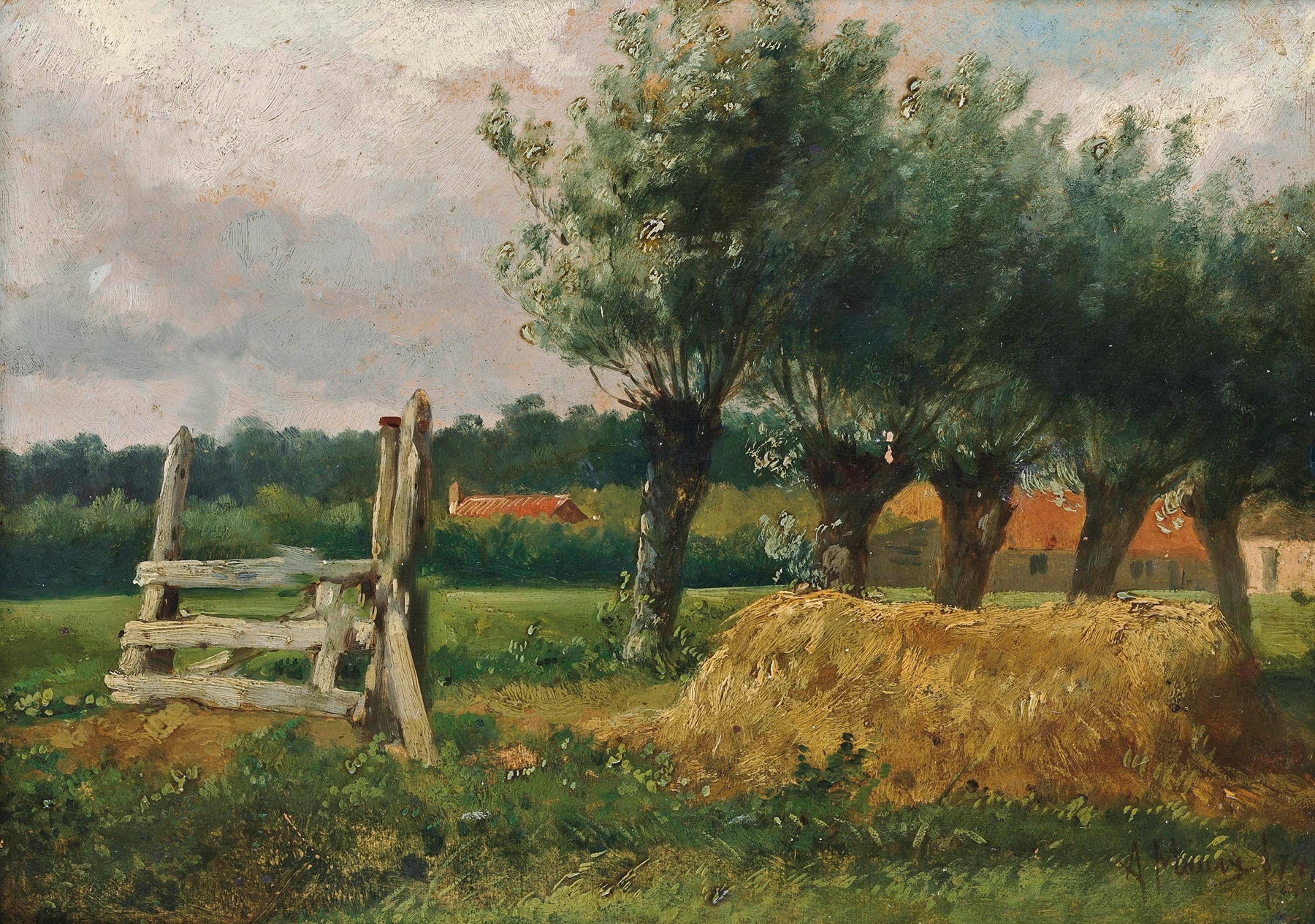
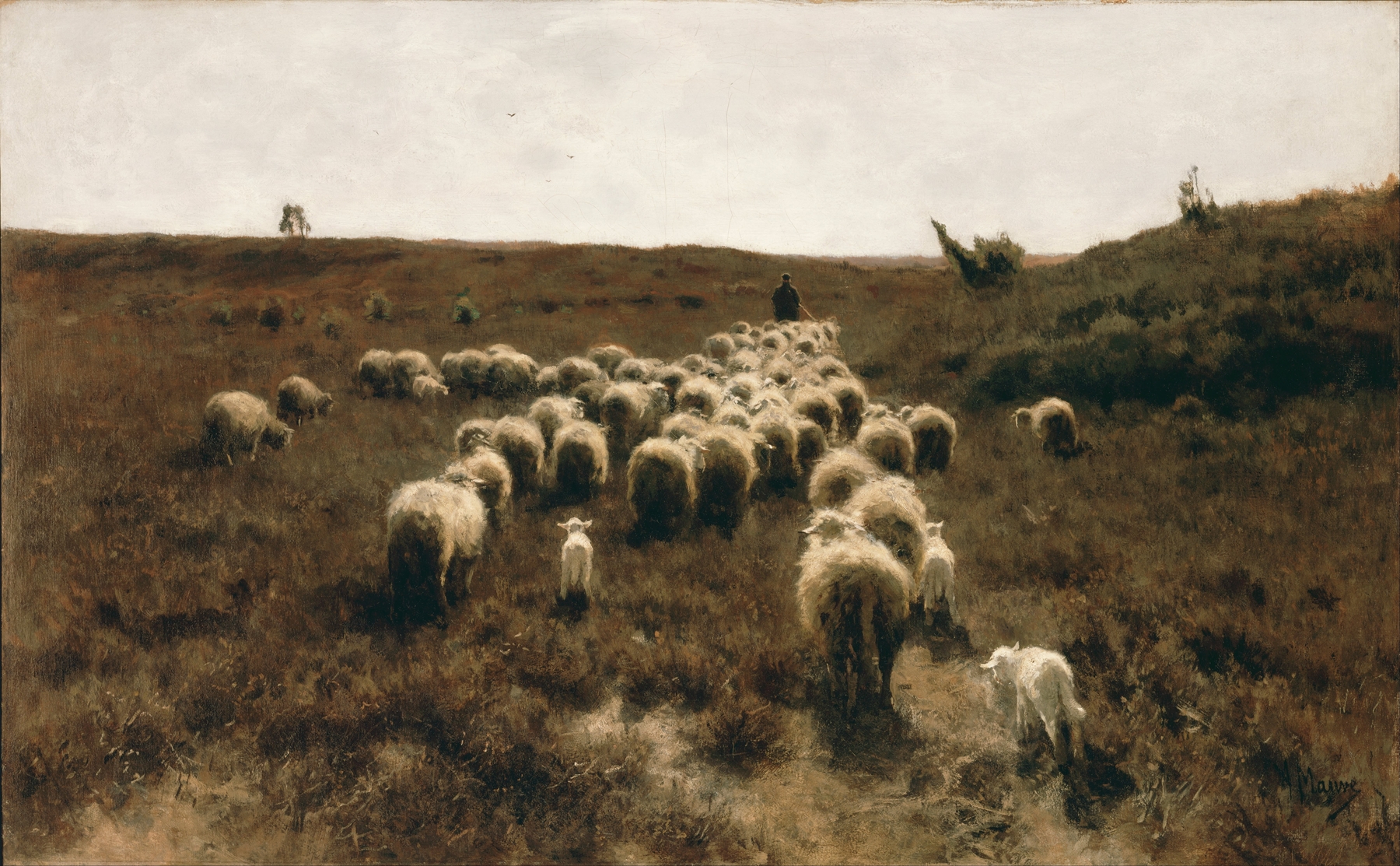
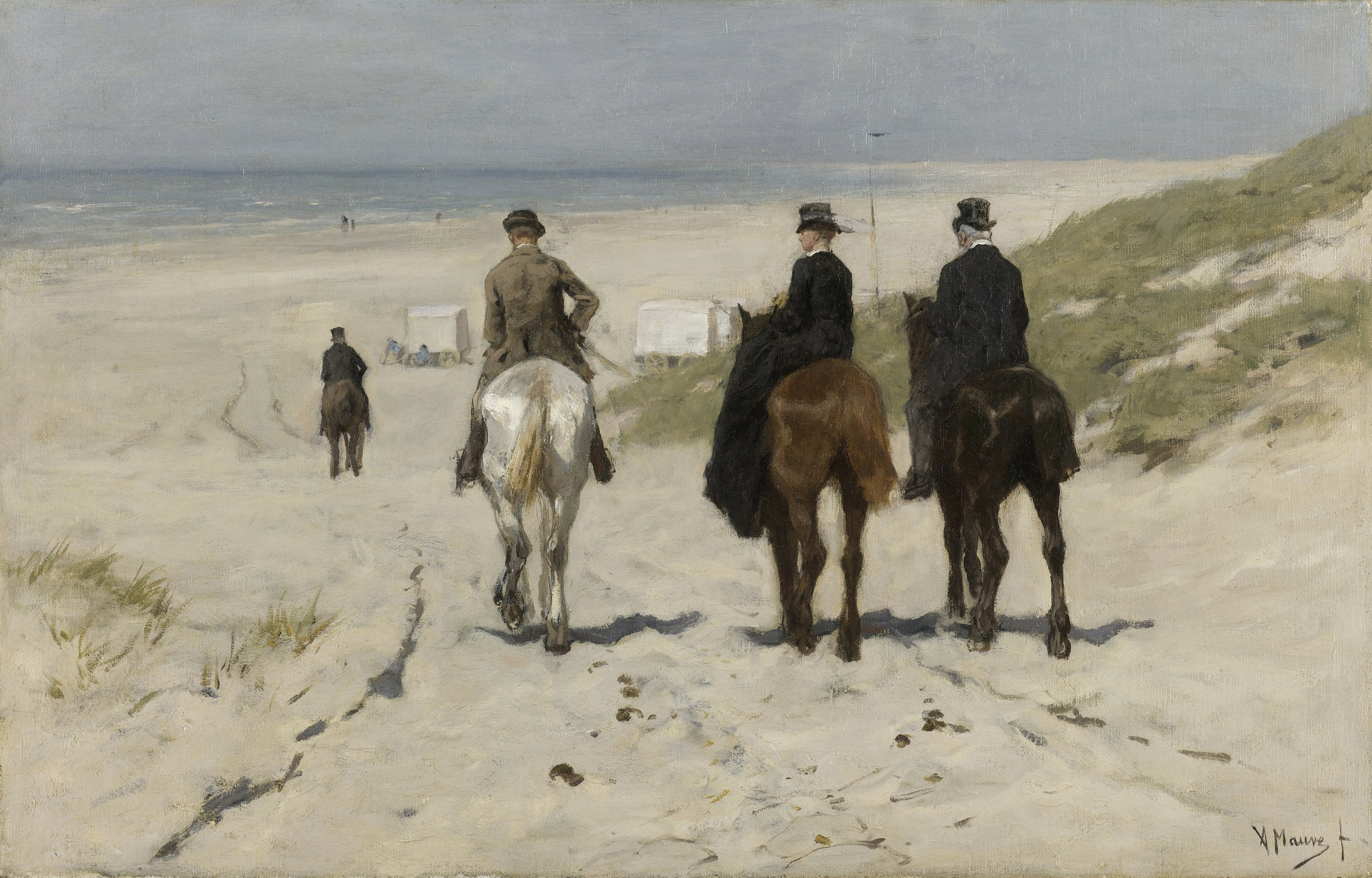
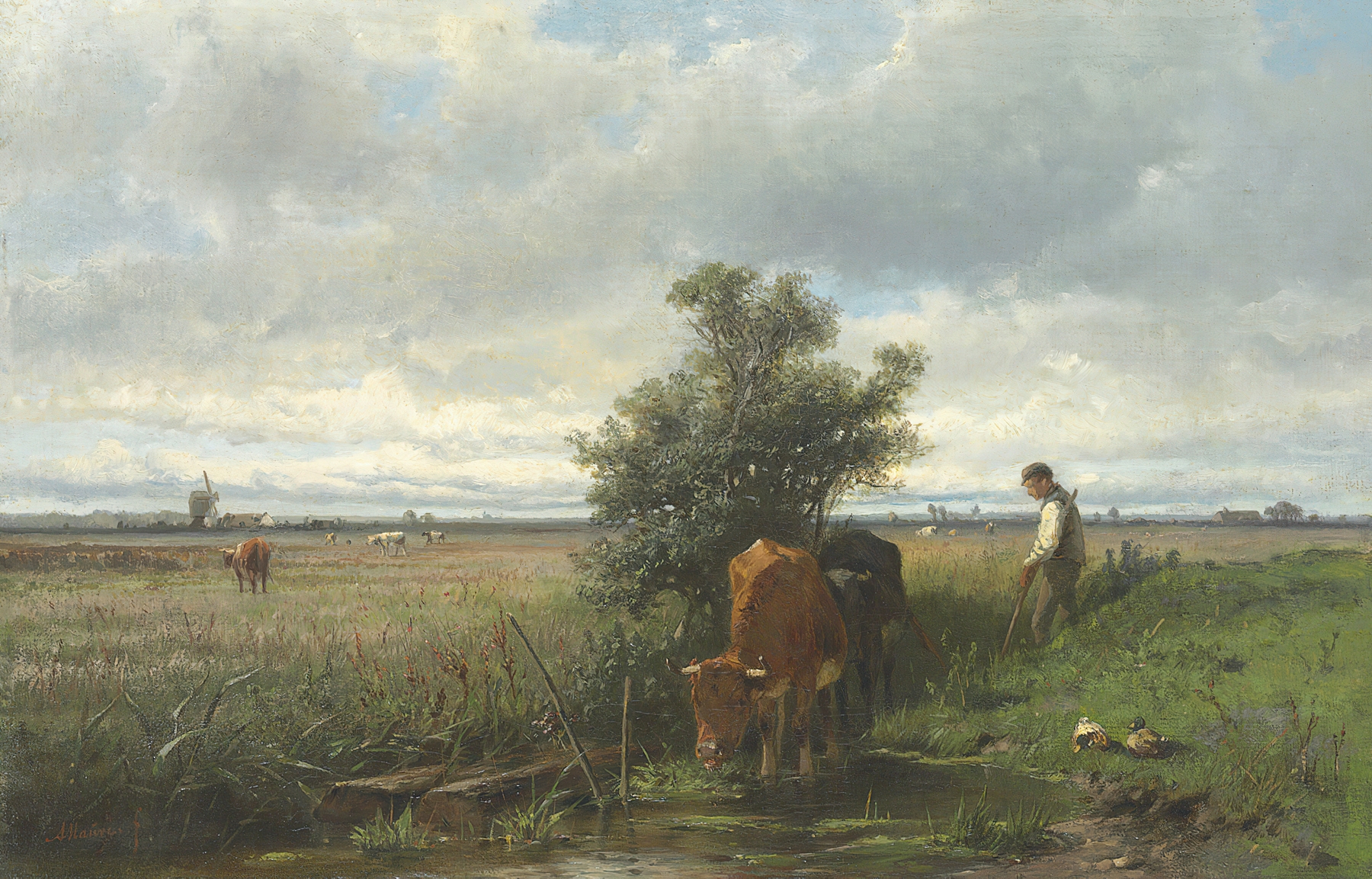
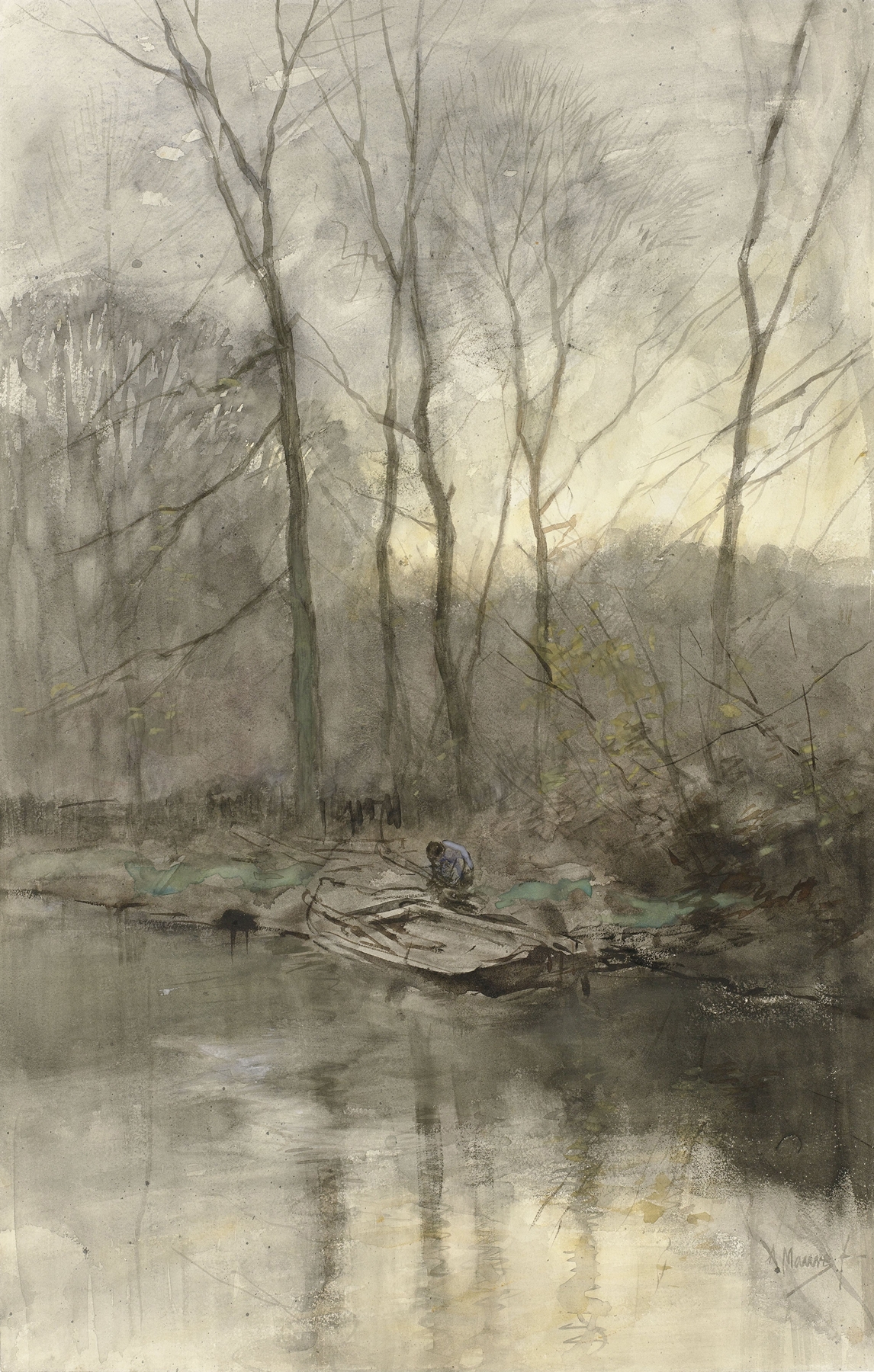
Can paint confess what words never could? The stillness of a solitary figure by the water's edge invites contemplation of our own emptiness and connection to nature. Look to the right at the delicate strokes that outline the figure—a woman seated quietly on the riverbank, her posture exuding both grace and introspection. Notice how the soft hues of blue and green blend seamlessly in the water, while the muted earth tones of the landscape cradle her in a gentle embrace.
The interplay of light and shadow reflects a fleeting moment in time, inviting the viewer to linger in the serene yet poignant atmosphere of the scene. As you gaze closer, observe the subtle contrast between the vibrancy of the natural world and the stillness of the woman. Her distant gaze seems to resonate with the vastness of the water, evoking a sense of longing or perhaps solitude. The brushstrokes, though simple, encapsulate the emotional depth of absence—the emptiness that can accompany moments of reflection and the search for meaning in the quiet spaces of life.
This piece emerged during a transformative period for its creator, painted in the 1860s while living in the Netherlands. Mauve was deeply influenced by the Romantic movement, which championed the emotional and the personal. His life was marked by a blend of rural tranquility and the burgeoning art world that surrounded him, as he navigated the delicate interplay between the natural beauty of his homeland and the evolving styles of contemporary painters.