Gathering Wood — History & Analysis
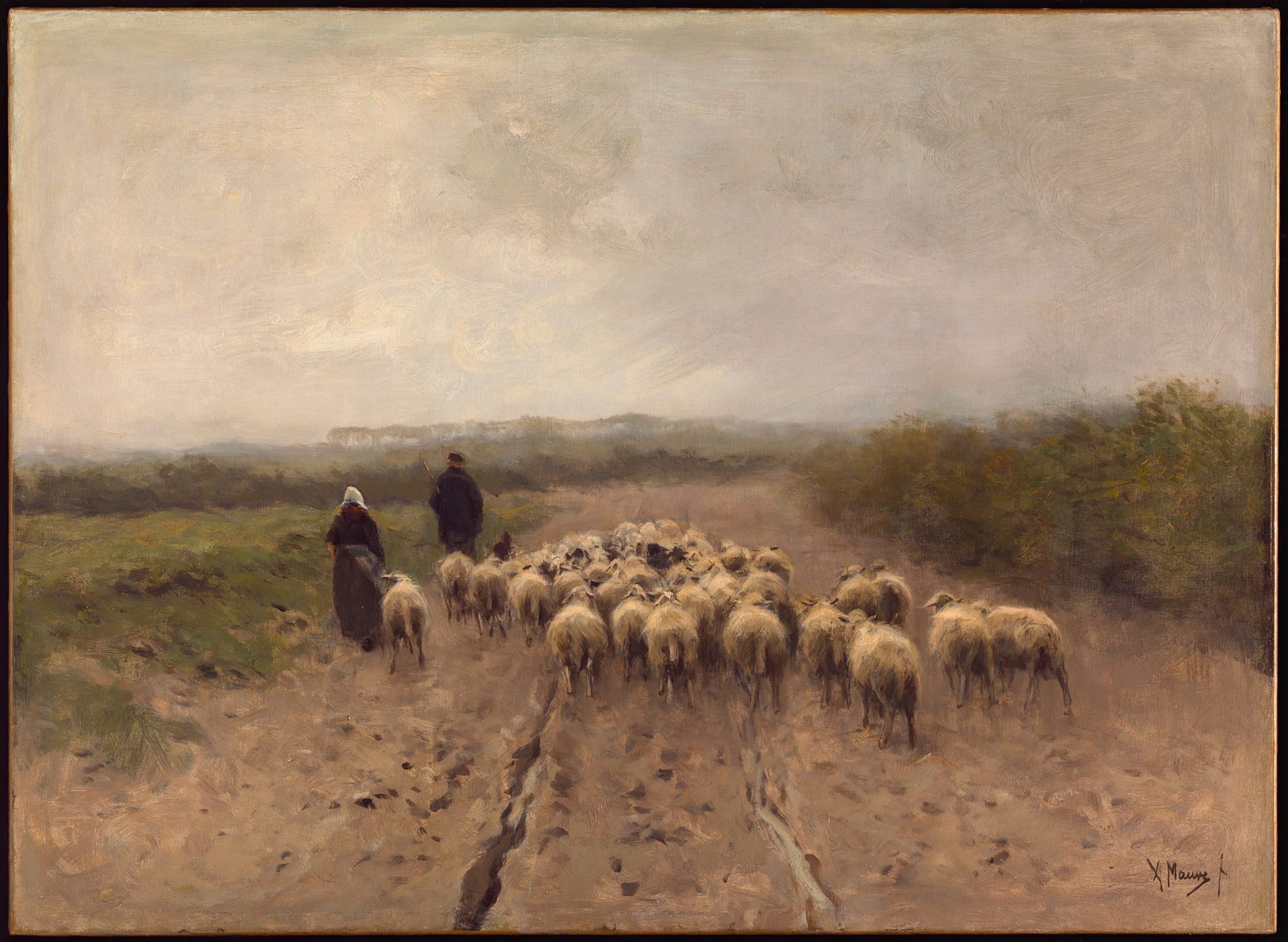
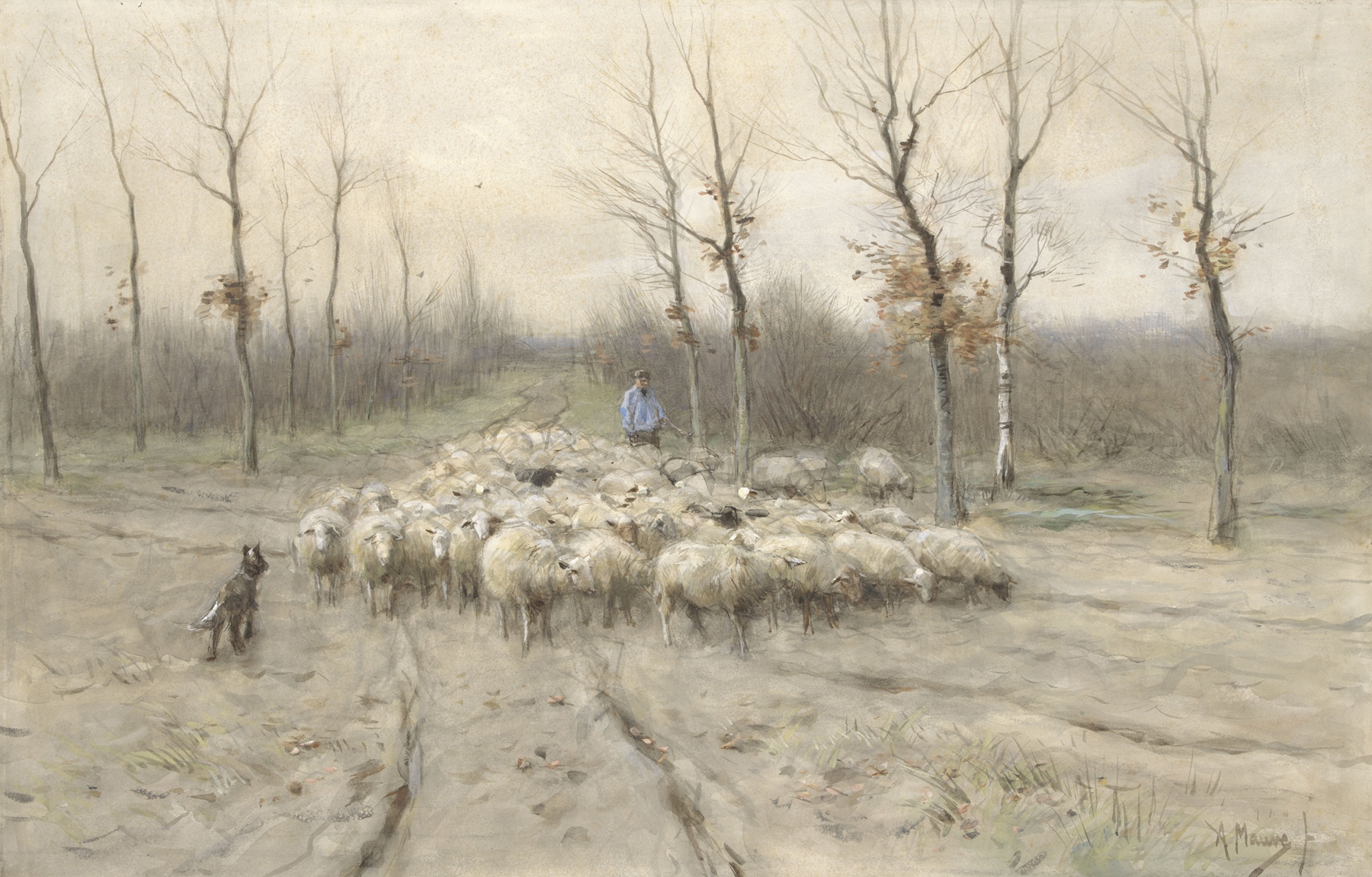
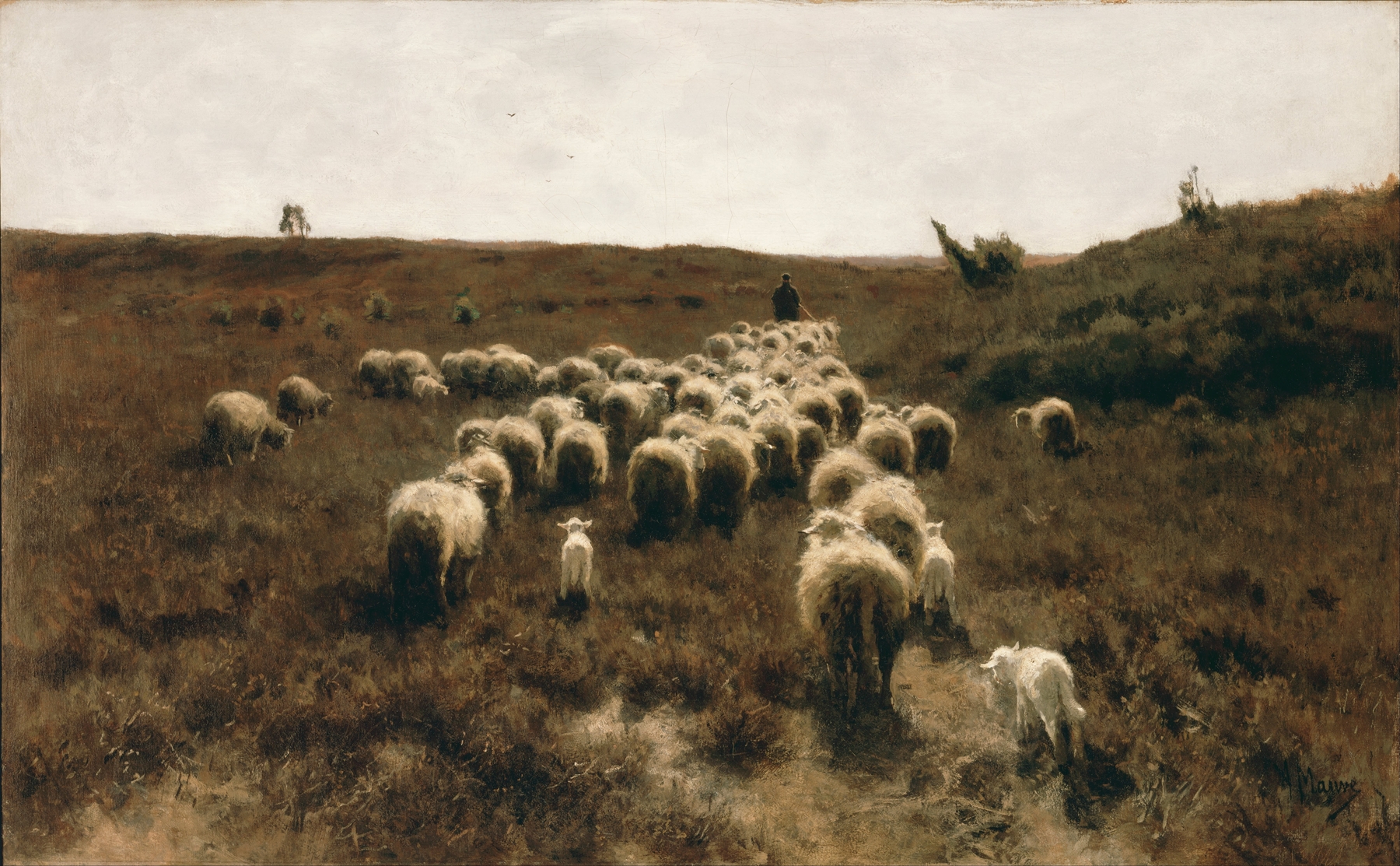
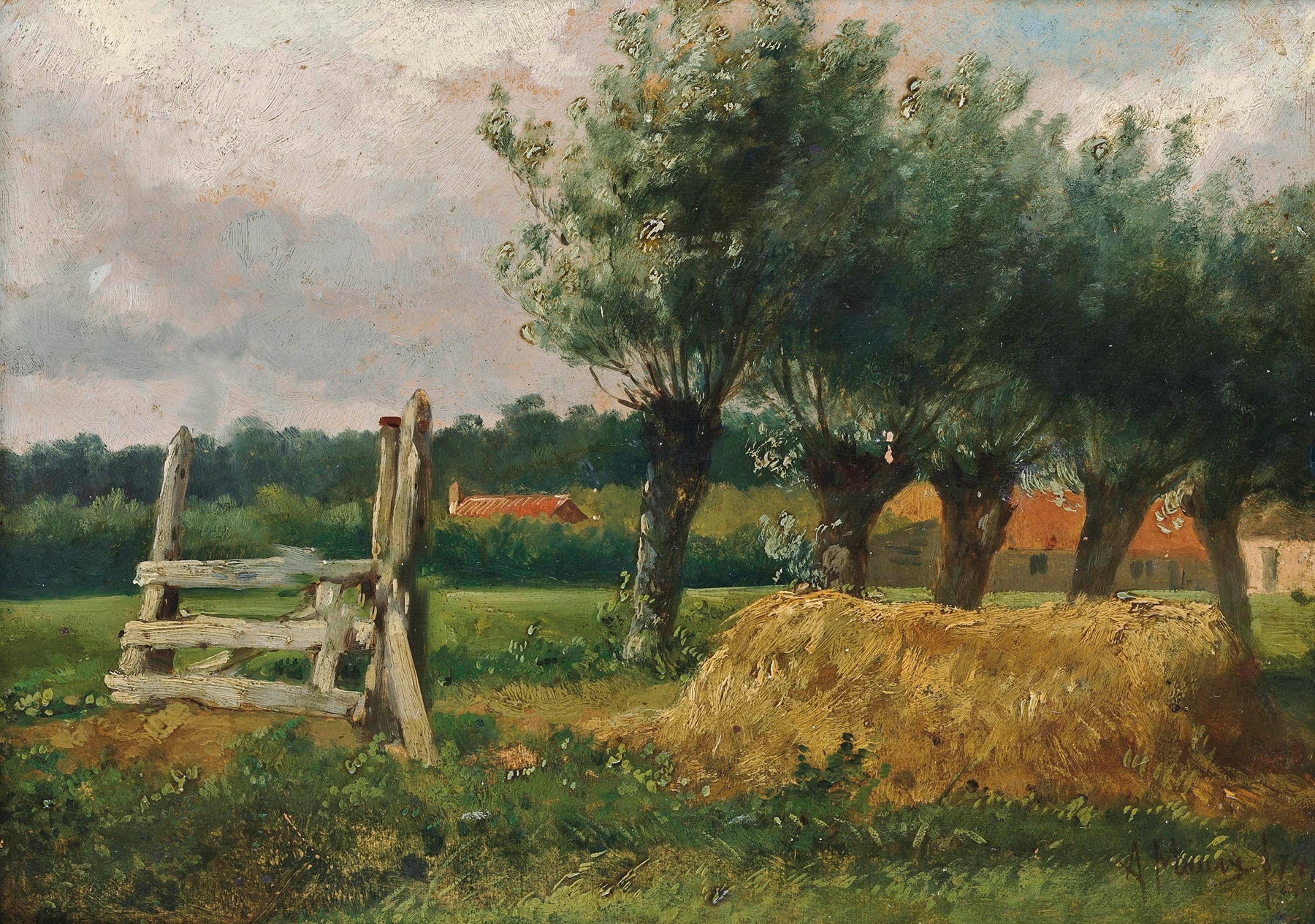
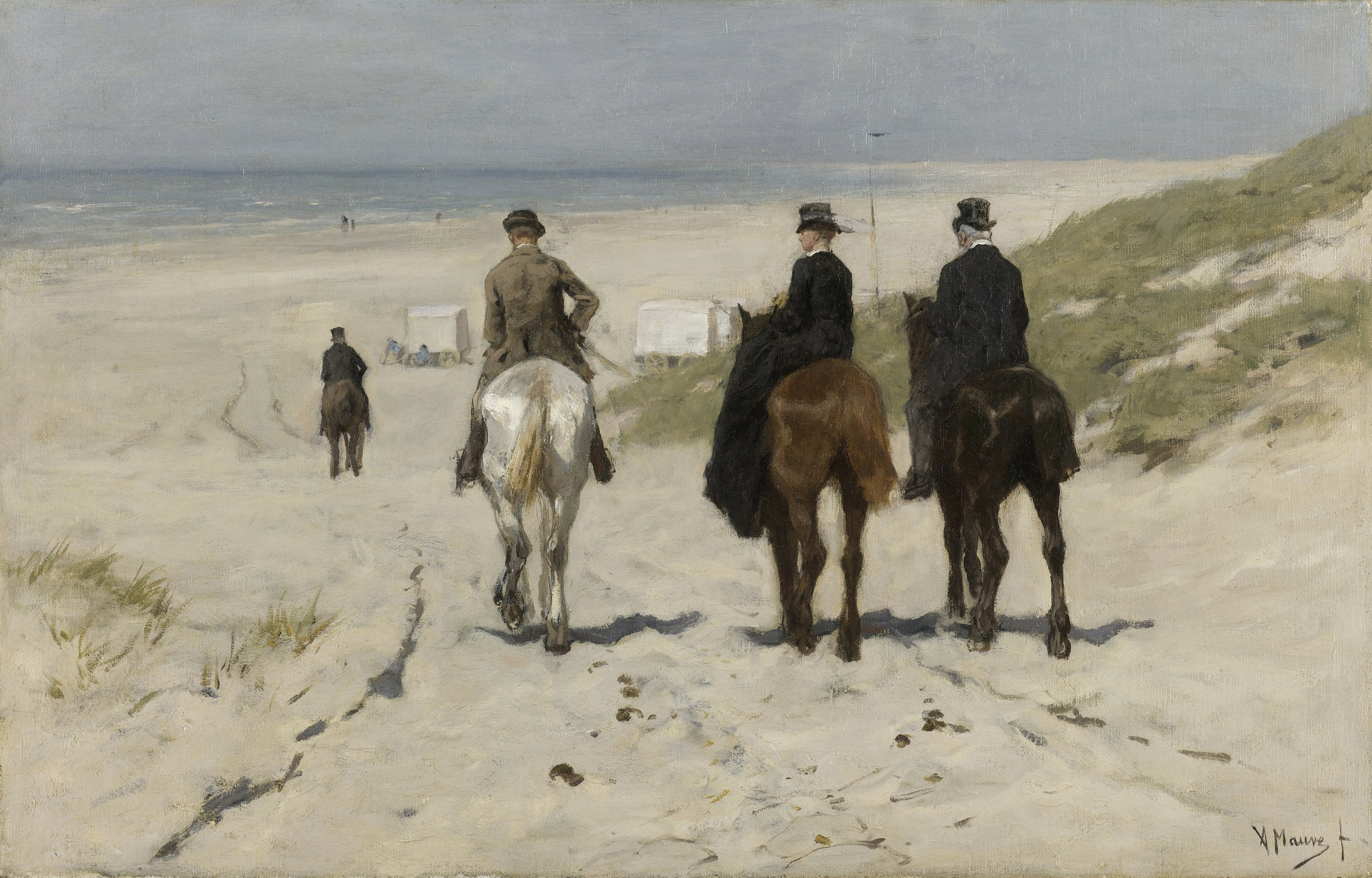
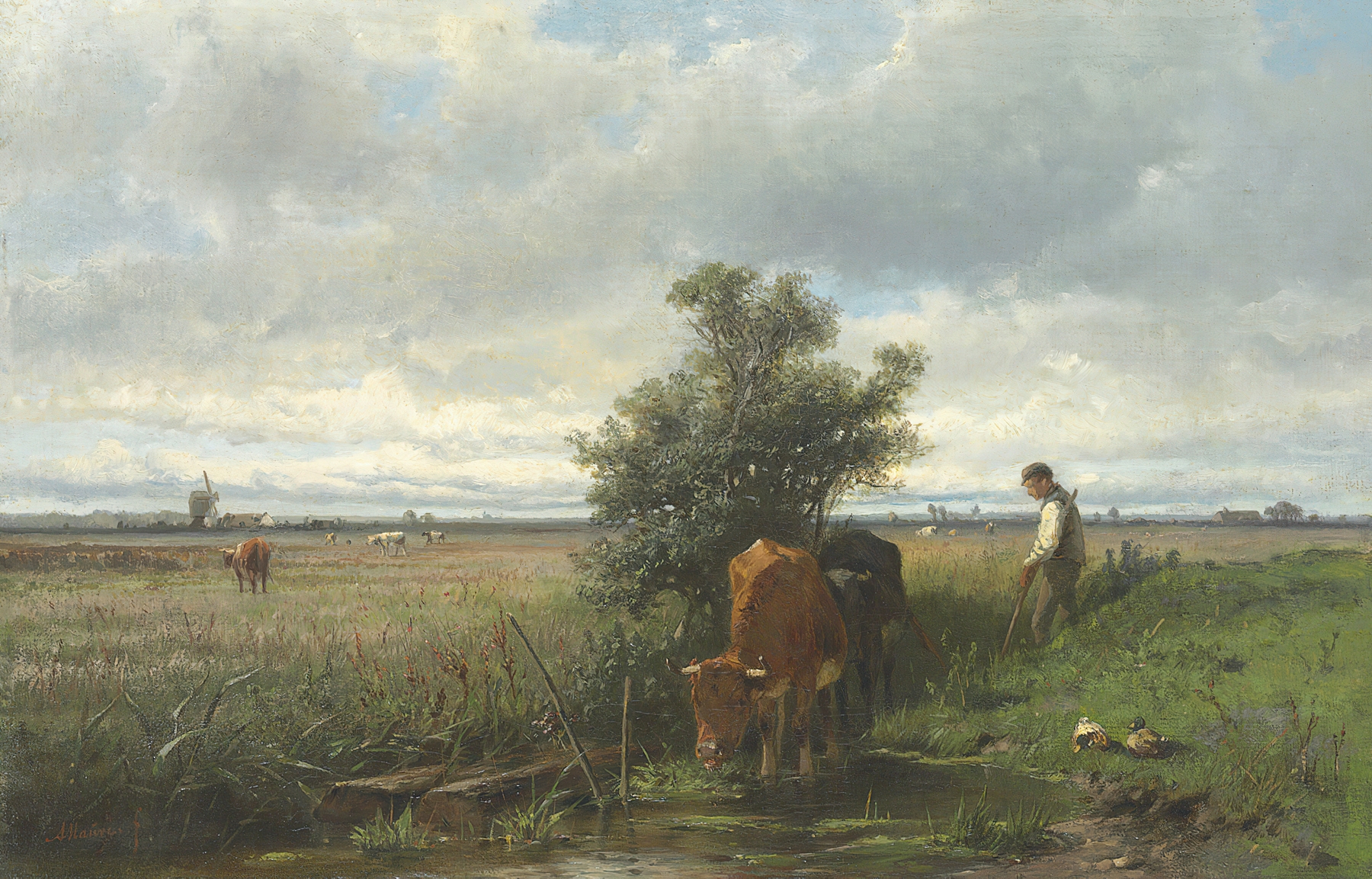
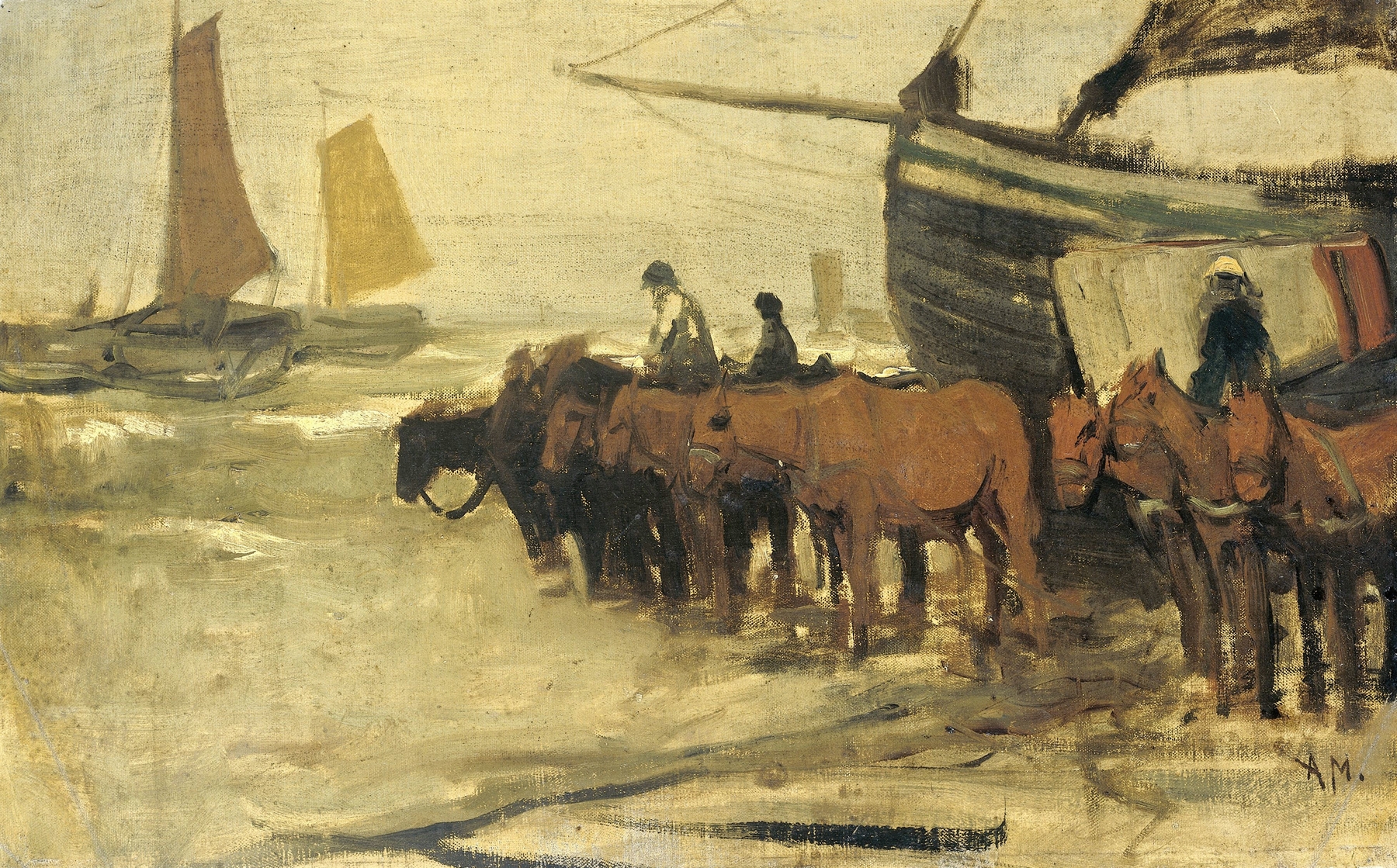
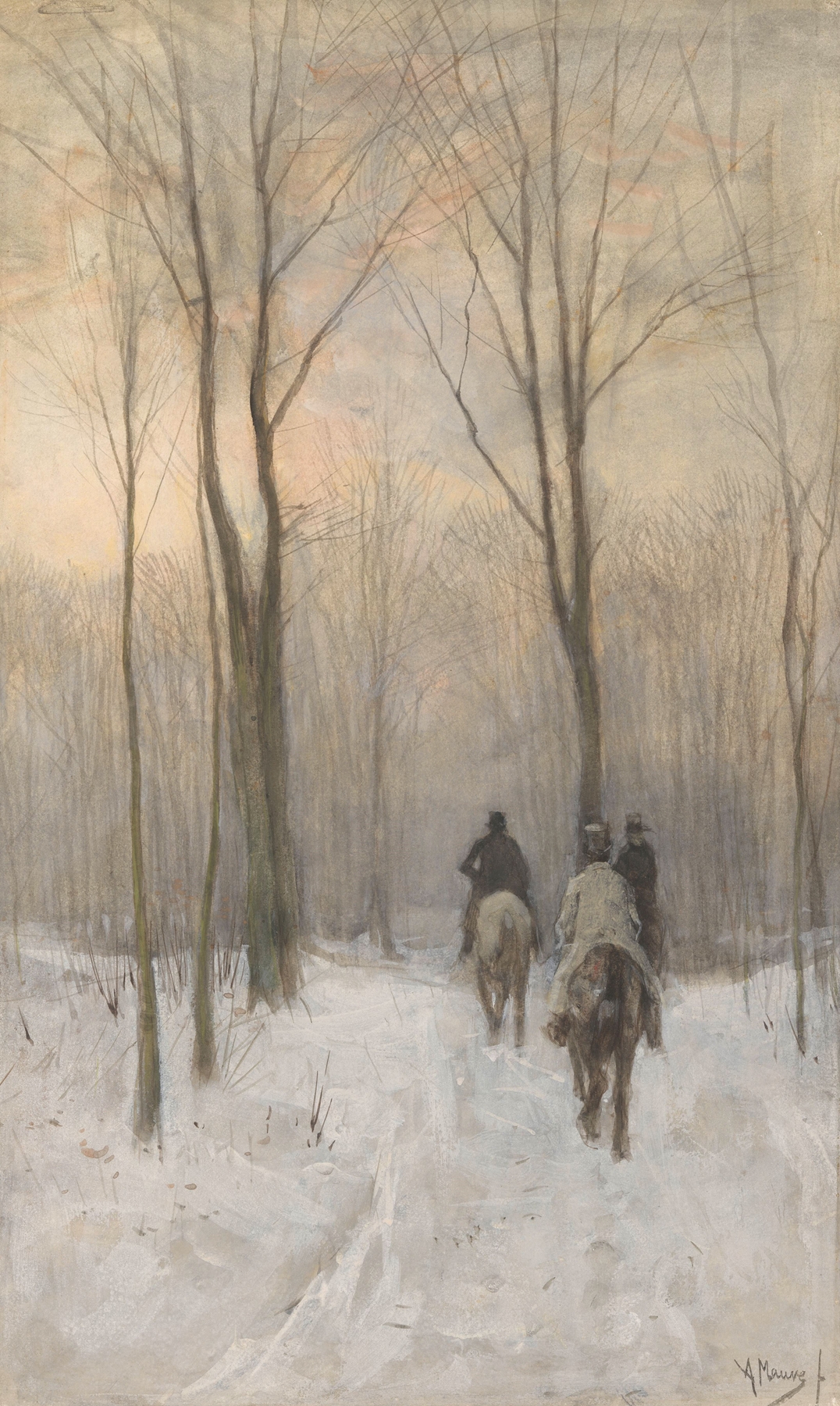
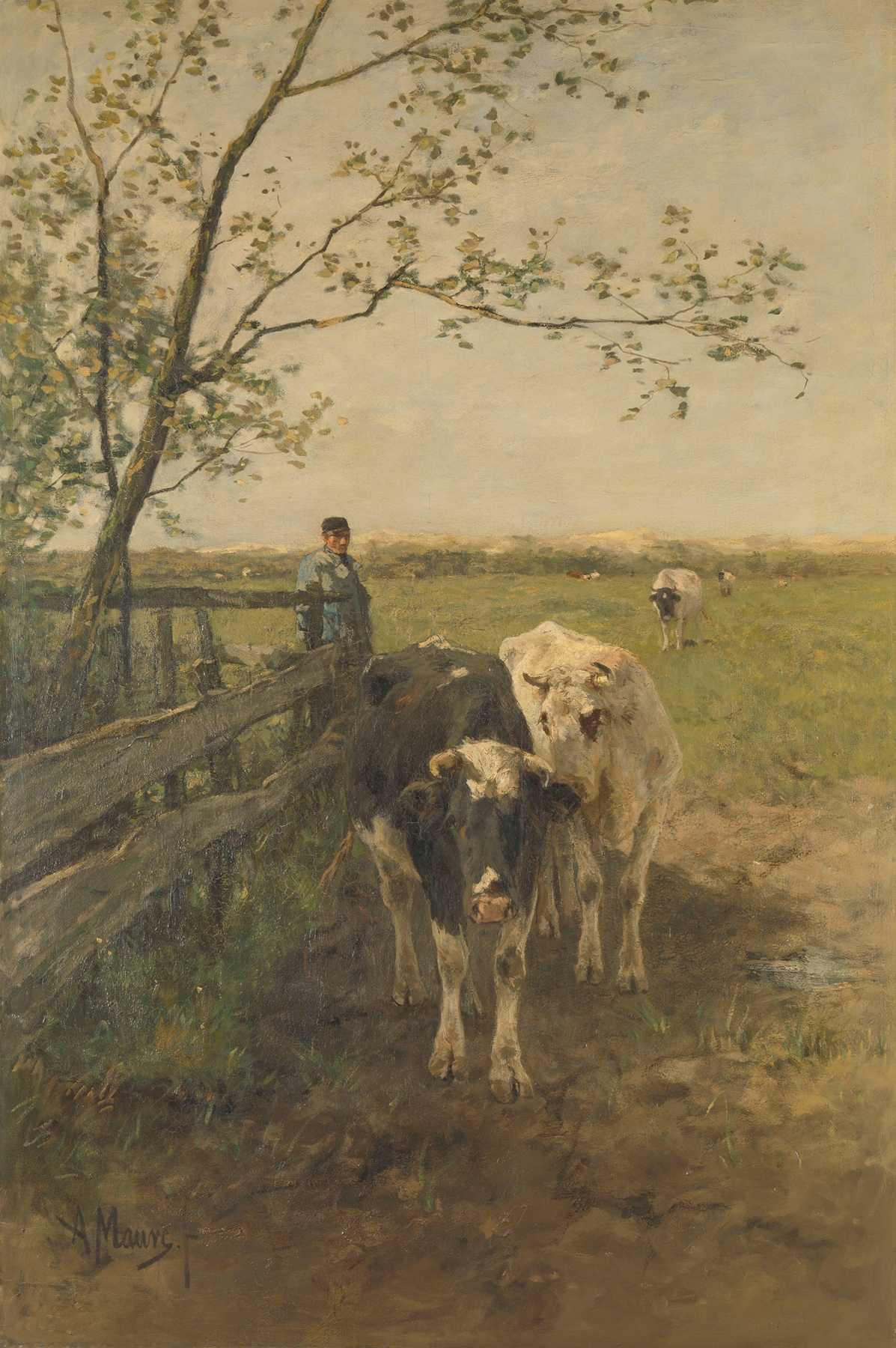
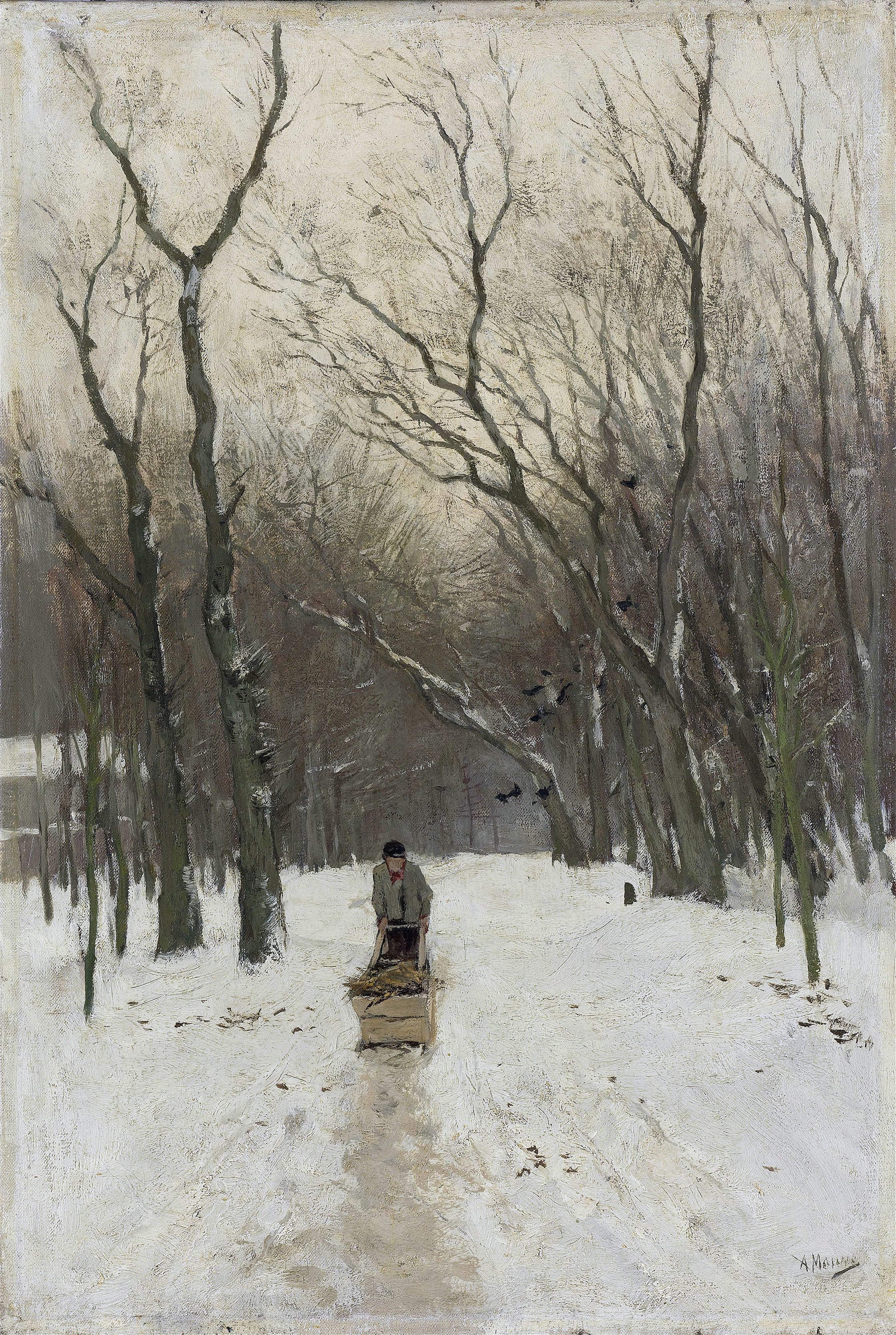
“Every silence here is a confession.” In the stillness of a moment, movement lingers in the air, waiting to be unleashed. The unseen energy of anticipation fills the canvas, echoing the promise of life beyond what’s depicted. Focus on the gentle interplay between the figures and their environment, particularly the way the light caresses the muted palette. Notice how the soft browns and greens meld together, creating a sense of unity with nature.
The subtle brushstrokes articulate each figure’s labor, inviting your eyes to follow their shared purpose—gathering wood, a task steeped in both necessity and ritual. Yet, beneath the apparent tranquility lies a deeper tension. The figures, though engaged in a common goal, carry an undercurrent of isolation, their bodies turned slightly away from one another. This subtle division hints at the unique burdens each person bears, suggesting that even in collaboration, there resides an individual struggle.
The muted colors evoke a somber understanding of their toil, while the softness of the light seems to encase the moment in a cocoon of introspection. Created during the late 19th century, this piece captures a pivotal time in Anton Mauve's life. Residing in the Netherlands, he was deeply influenced by the Hague School and its focus on rural scenes and the lives of peasants. The world of art was undergoing significant changes with the rise of Impressionism, yet Mauve remained committed to the realism of daily life, allowing him to explore both the beauty and hardship inherent in ordinary moments.