Boulogne — History & Analysis
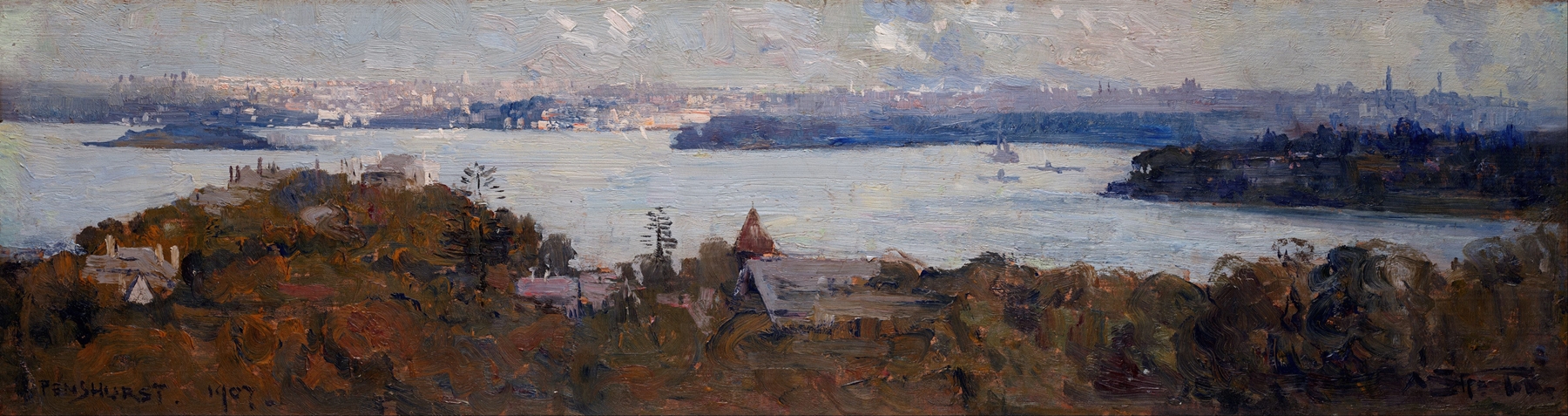
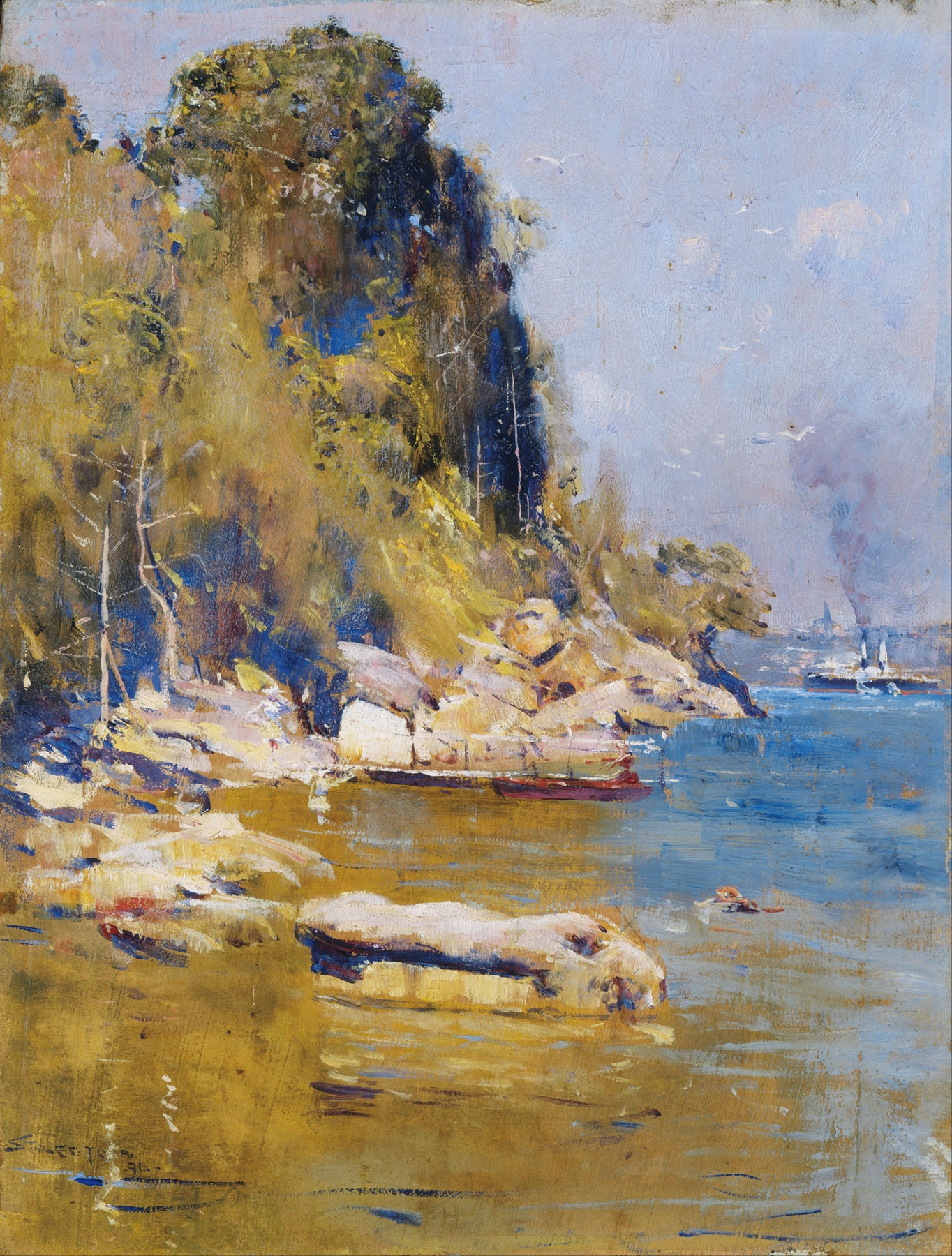
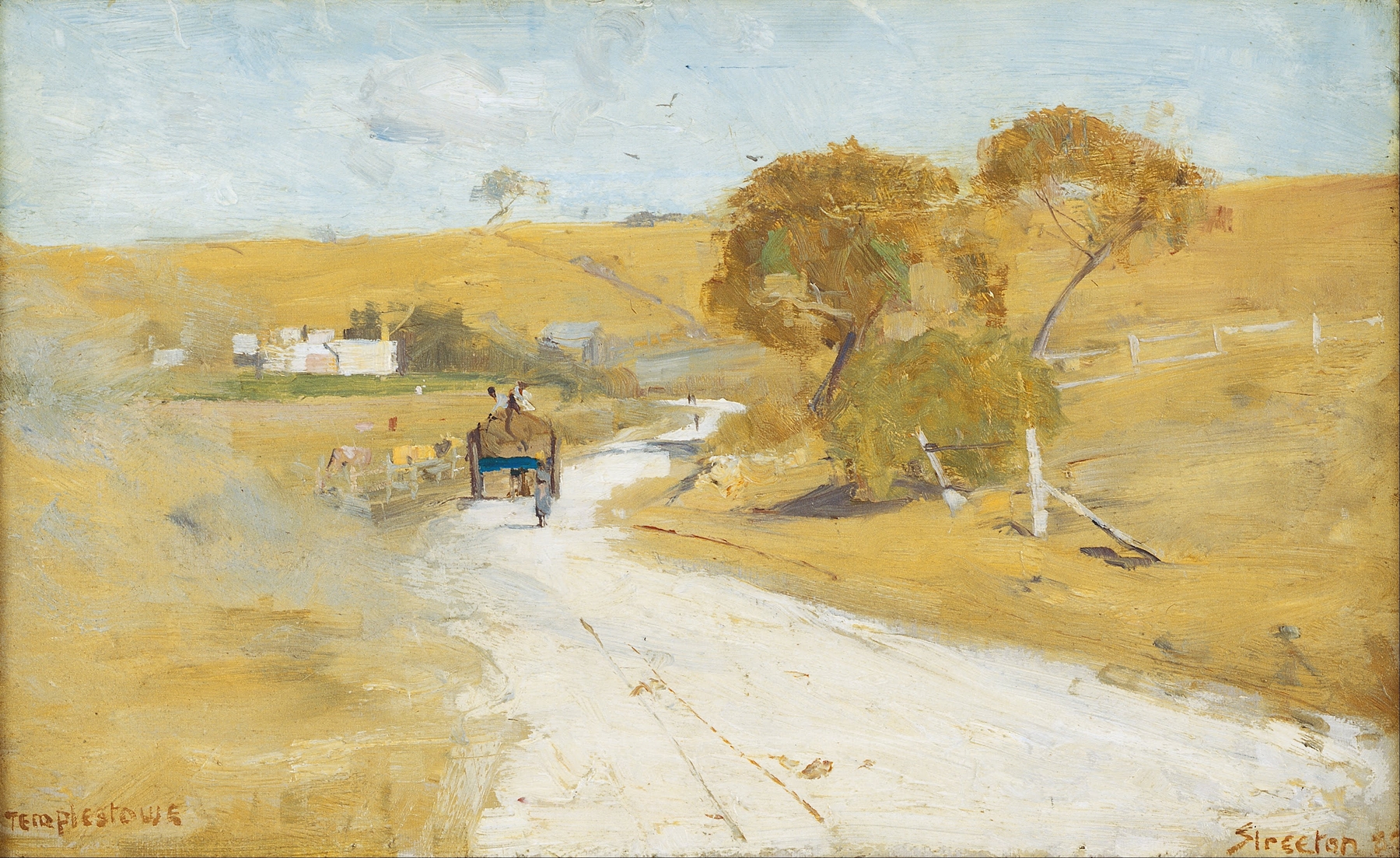
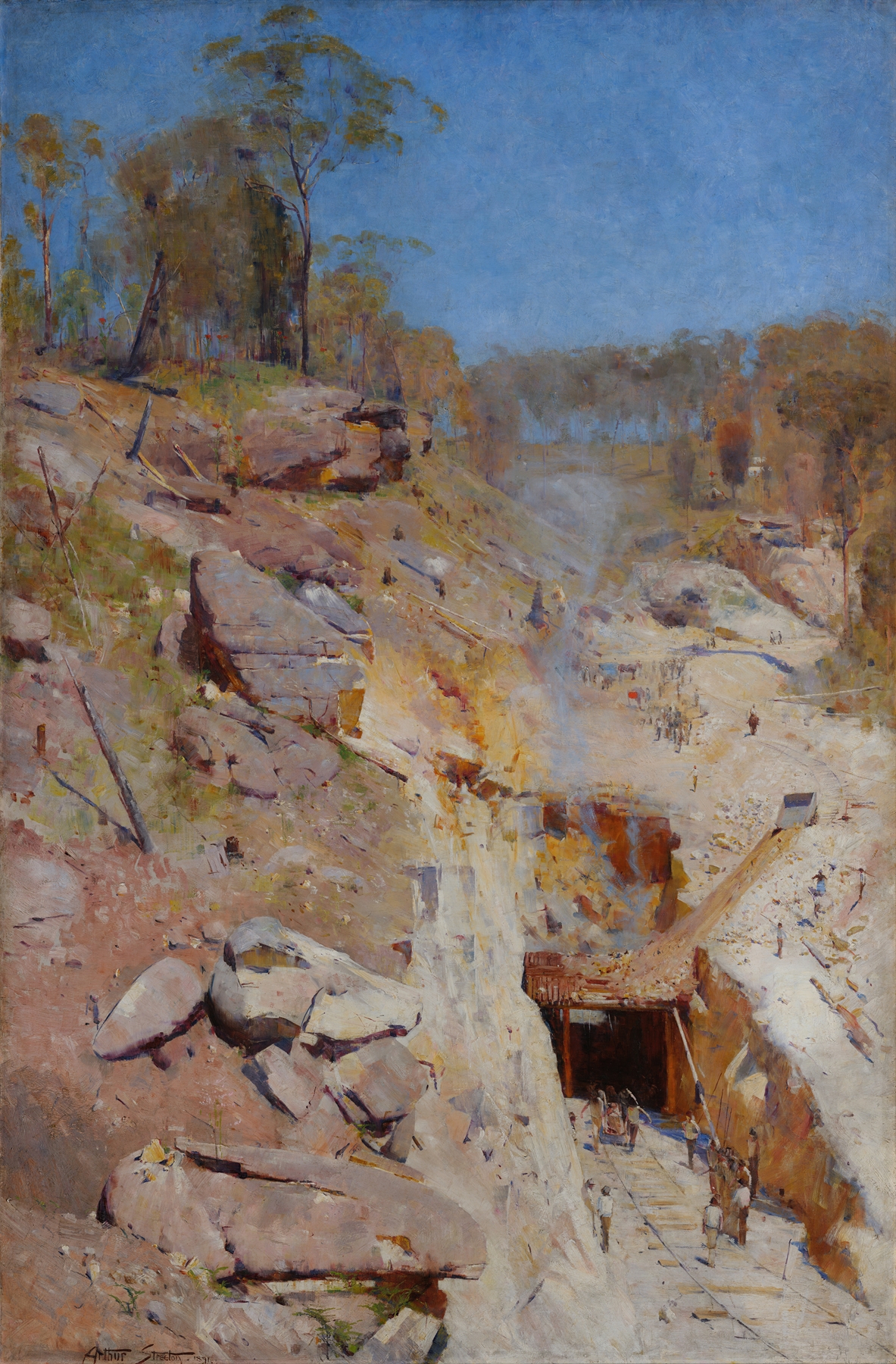
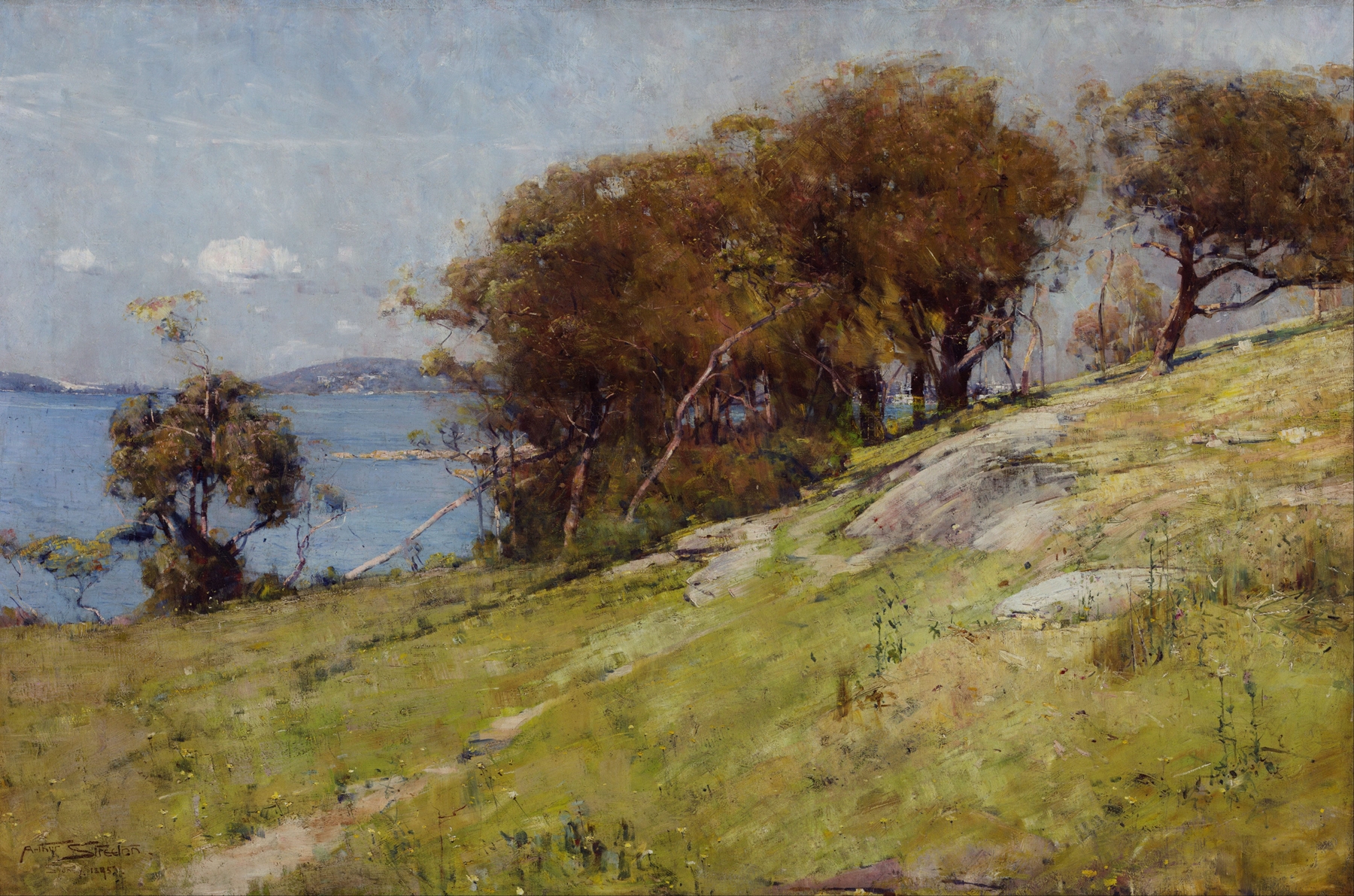
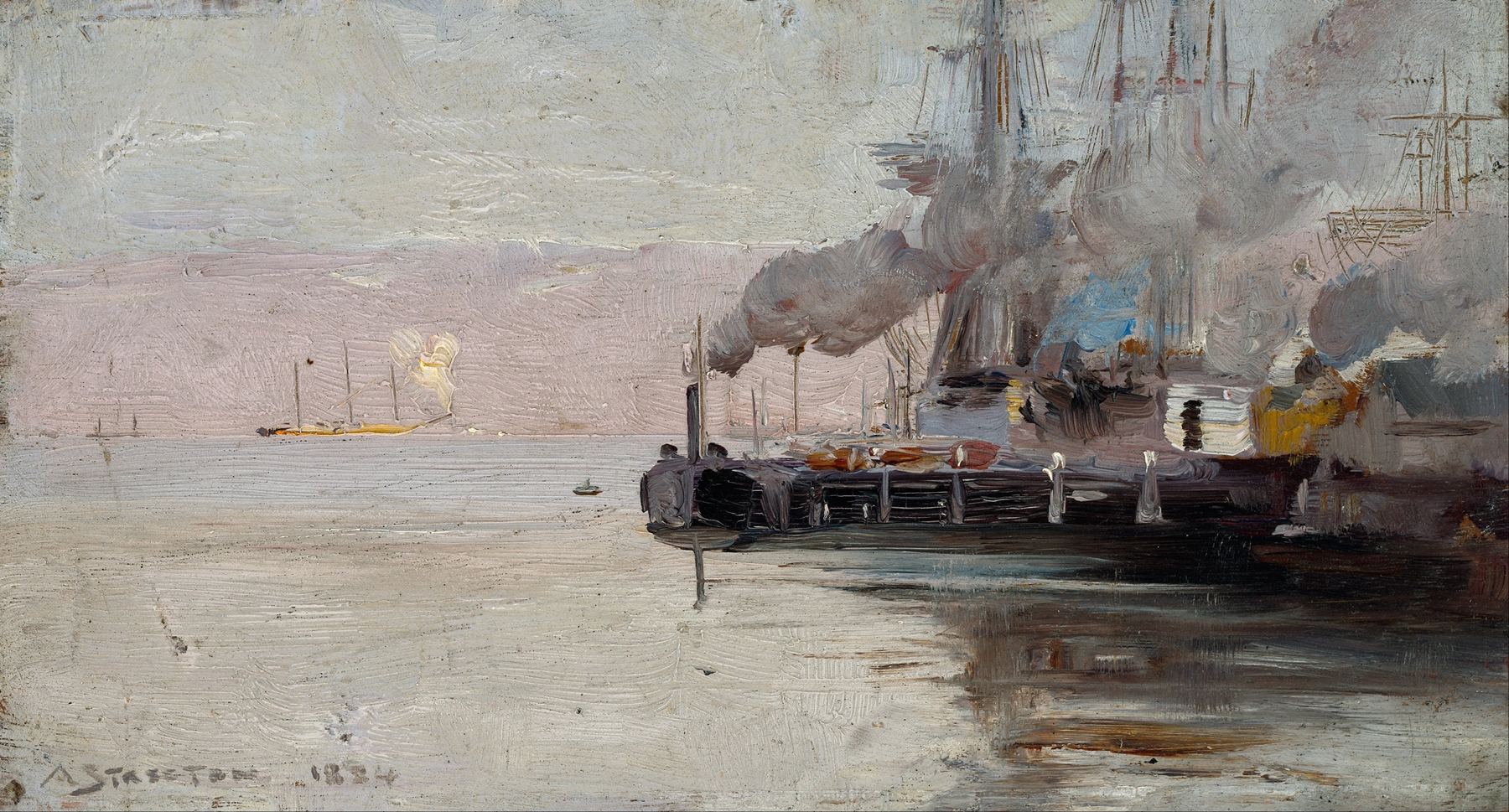
What if silence could speak through light? In the tranquil embrace of a moment, it beckons us to listen closely, to feel the weight of yearning captured in stillness. Look to the center of this work, where the sun-drenched landscape unfolds, bathed in a warm golden hue. The gentle brushstrokes evoke a sense of calmness, guiding the eye across the undulating hills and the shimmering water of Boulogne.
Notice how the light dances upon the surface, creating a shimmering mirror that invites contemplation, while the horizon blurs, suggesting an infinite expanse of possibility. Yet, beneath this serene exterior lies an undercurrent of longing. The soft interplay of light and shadow hints at fleeting moments and the passage of time, while the distant figures become mere silhouettes, almost ghost-like. They suggest a deeper narrative of separation and memory, their presence felt yet unattainable, echoing the yearning that permeates the scene.
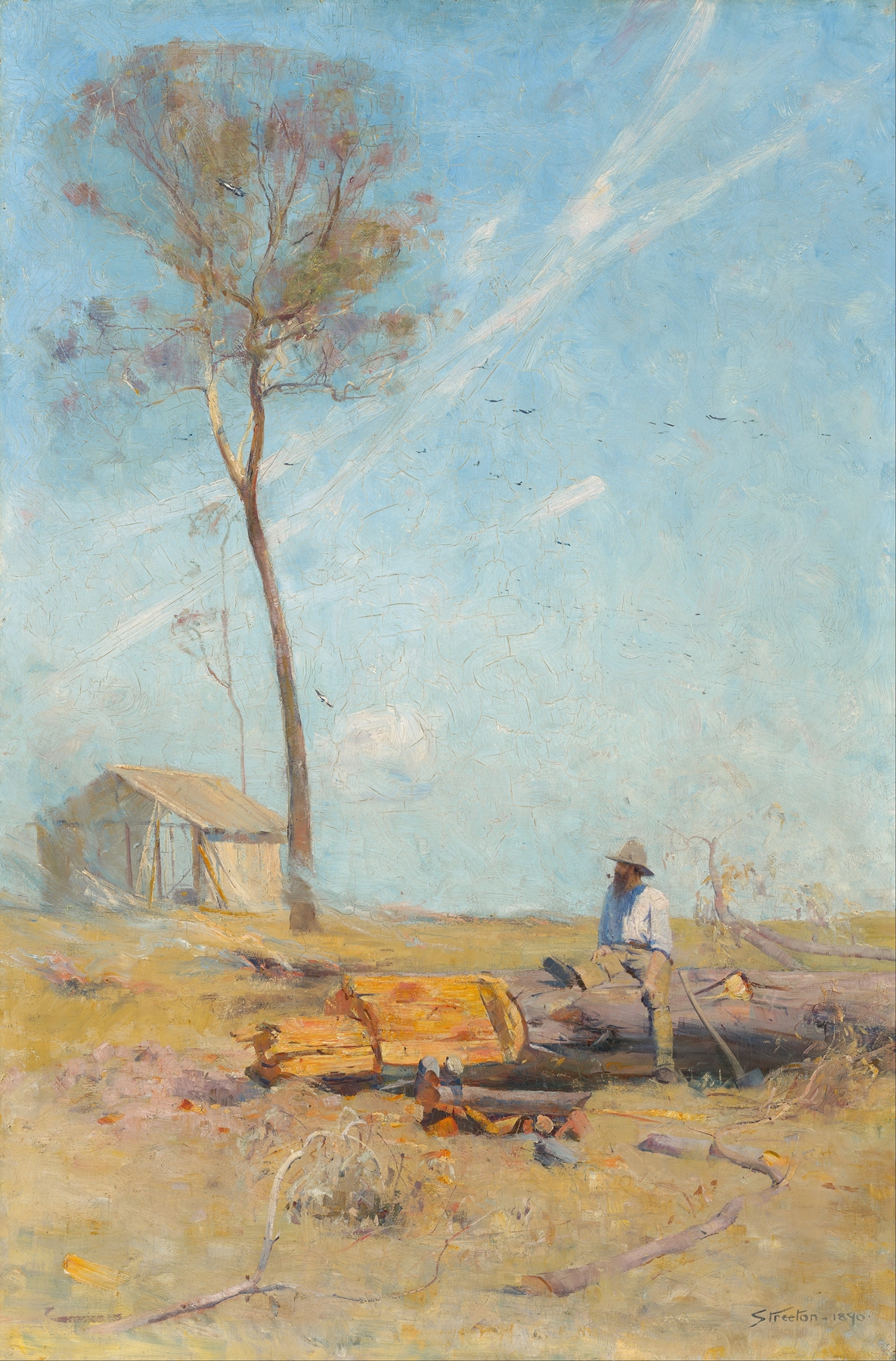
Each detail, from the flowing lines to the whisper of colors, resonates with an emotional depth that transcends the landscape itself. In 1918, Boulogne was painted during a period of transformation for its creator. Arthur Streeton, an Australian artist and a key figure in the Heidelberg School, was returning to Australia from Europe after years abroad. The art world was evolving rapidly, influenced by movements like Impressionism, yet Streeton's connection to the landscape remained deeply rooted, reflecting both his personal journey and the broader context of a changing world.