At Templestowe — History & Analysis
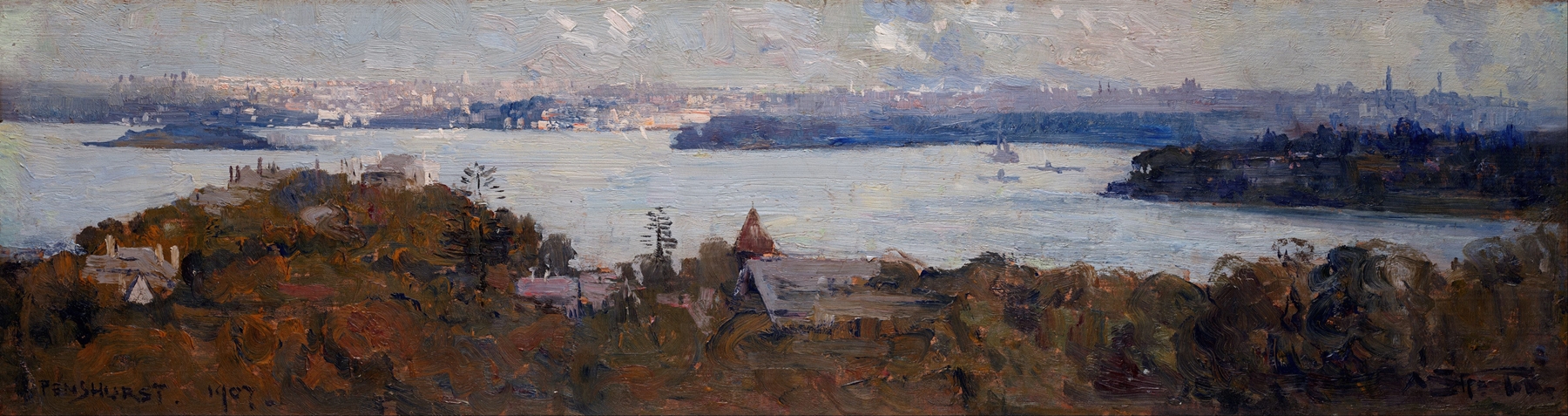
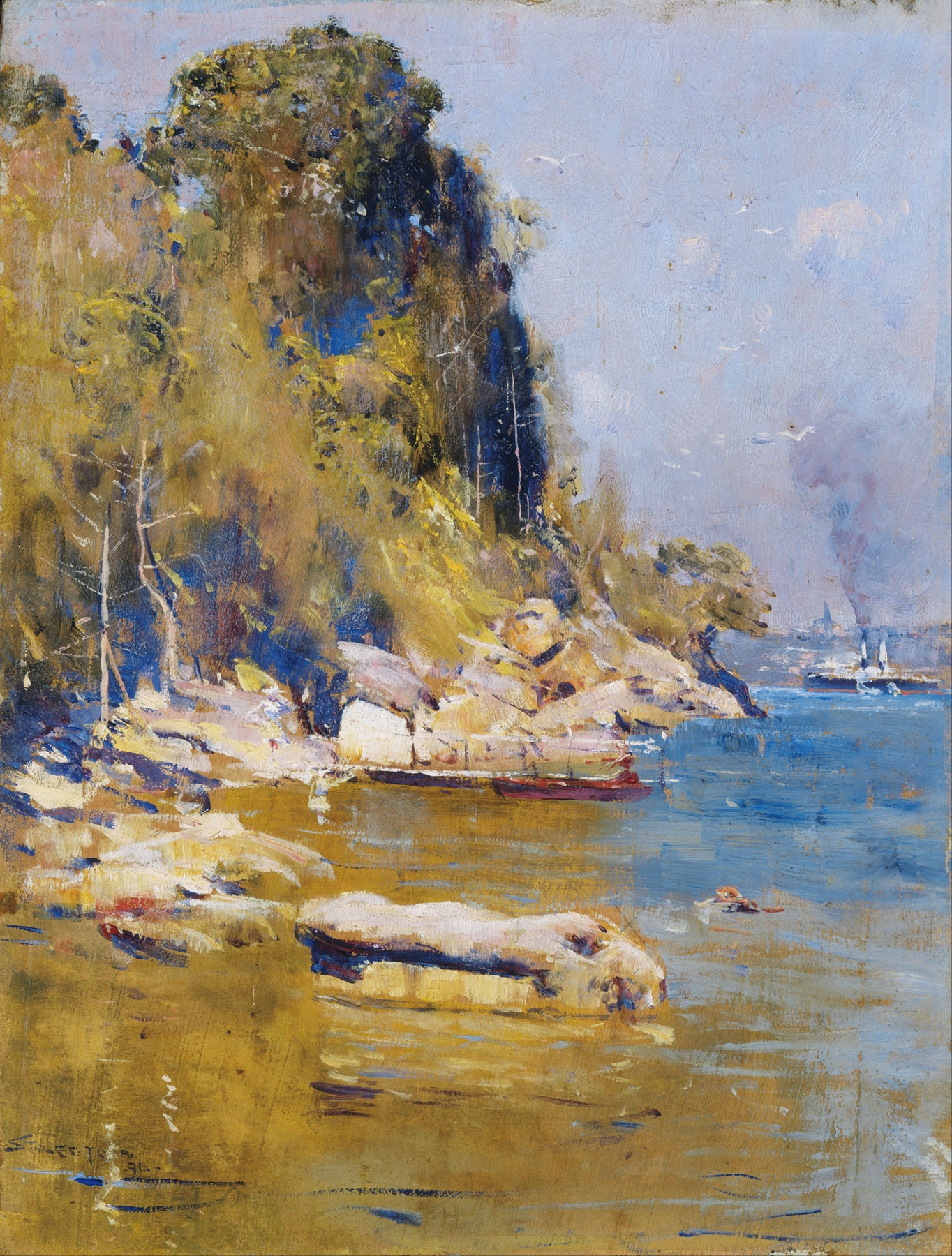
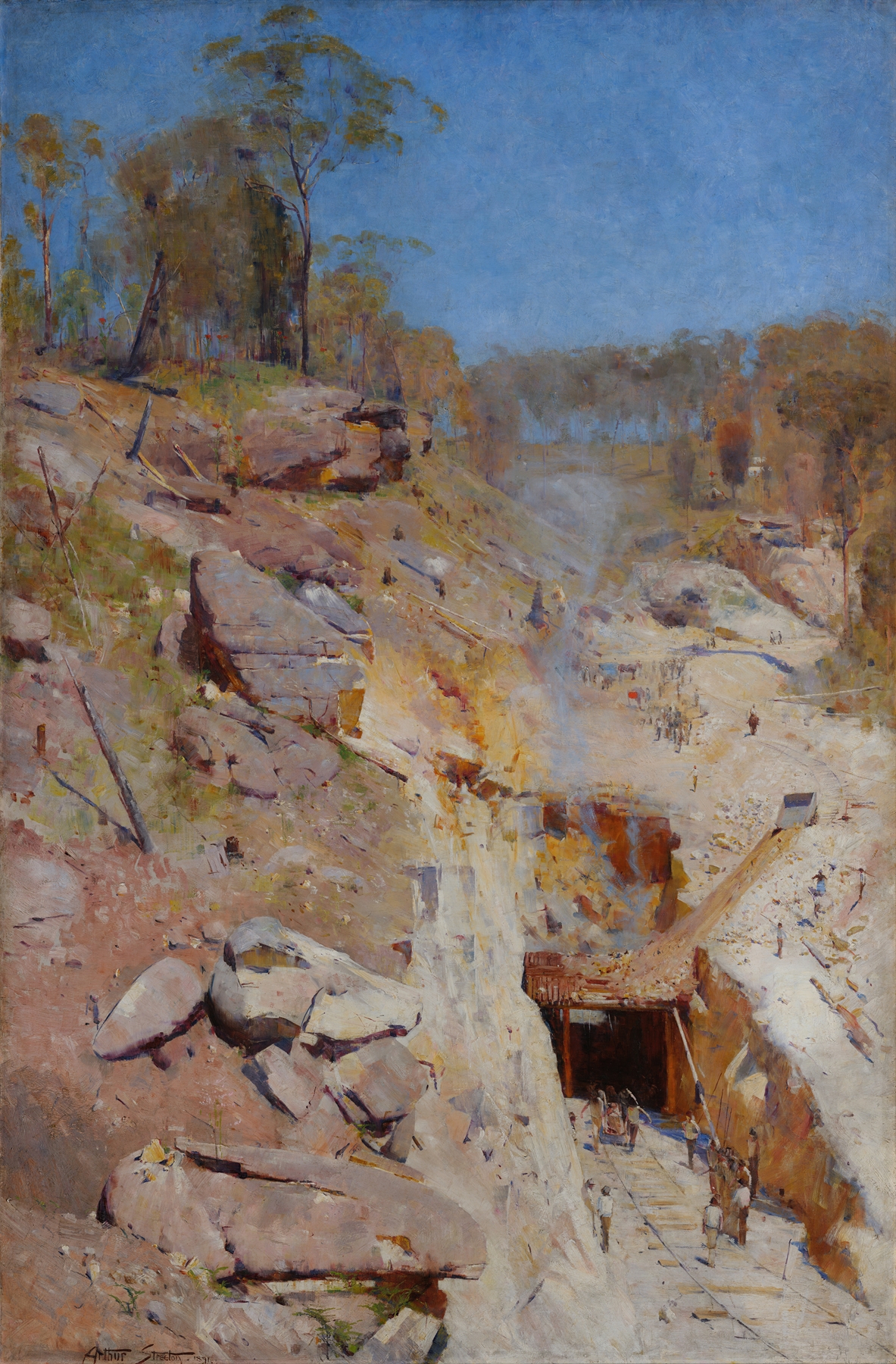
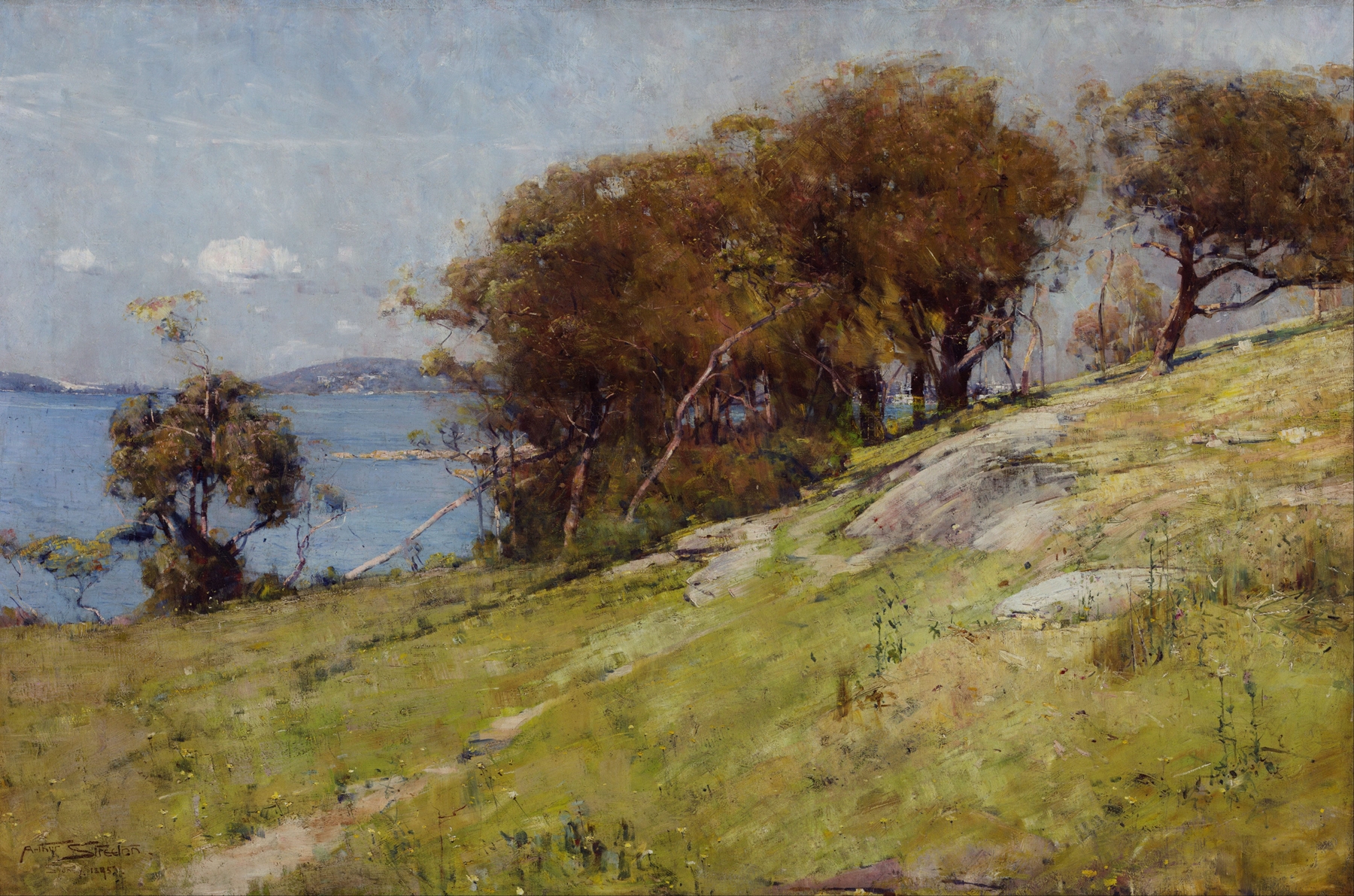
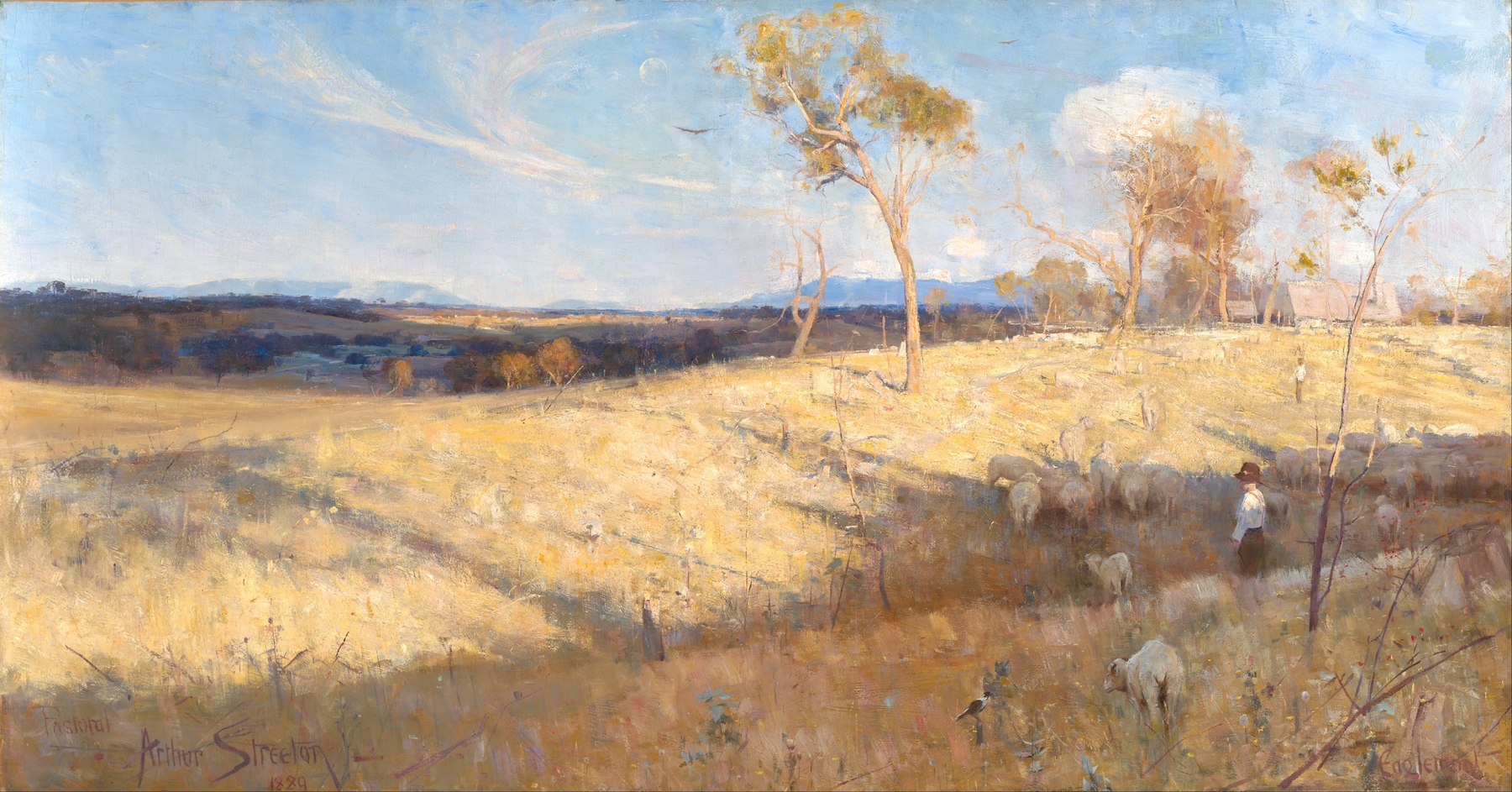
What secret hides in the quiet of the canvas? The tranquility of nature often conceals profound awe, inviting us to explore the depths of our surroundings. Look to the left at the gentle slope of rolling hills, where the golden light of the sun bathes the landscape in a warm embrace. The brush strokes are both fluid and precise, capturing the essence of a moment where serenity reigns.
Notice how the sky above transitions from a soft azure to the vibrant hues of evening, a testament to the artist's mastery in depicting the play of light and shadow. Delve deeper into the painting's emotional resonance, where the juxtaposition of the broad, open landscape against the solitary figure evokes a sense of introspection. The figure stands still, almost reverent, in the presence of nature’s grandeur, suggesting a dialogue between man and the vastness surrounding him. This relationship enhances the viewer's appreciation of both the beauty of the scene and the solitude it embodies, evoking feelings of wonder and reflection.
In 1889, Arthur Streeton was immersed in the Australian Impressionist movement, capturing the unique landscapes of his homeland. Working in Templestowe, near Melbourne, he sought to convey the raw beauty of the natural world, which was both a personal journey and a broader exploration within the evolving art scene. This work not only reflects Streeton’s skill but also signifies a pivotal moment in his artistic development, as he began to gain recognition for his ability to translate light and atmosphere onto canvas.