Brandenburg Gate — History & Analysis
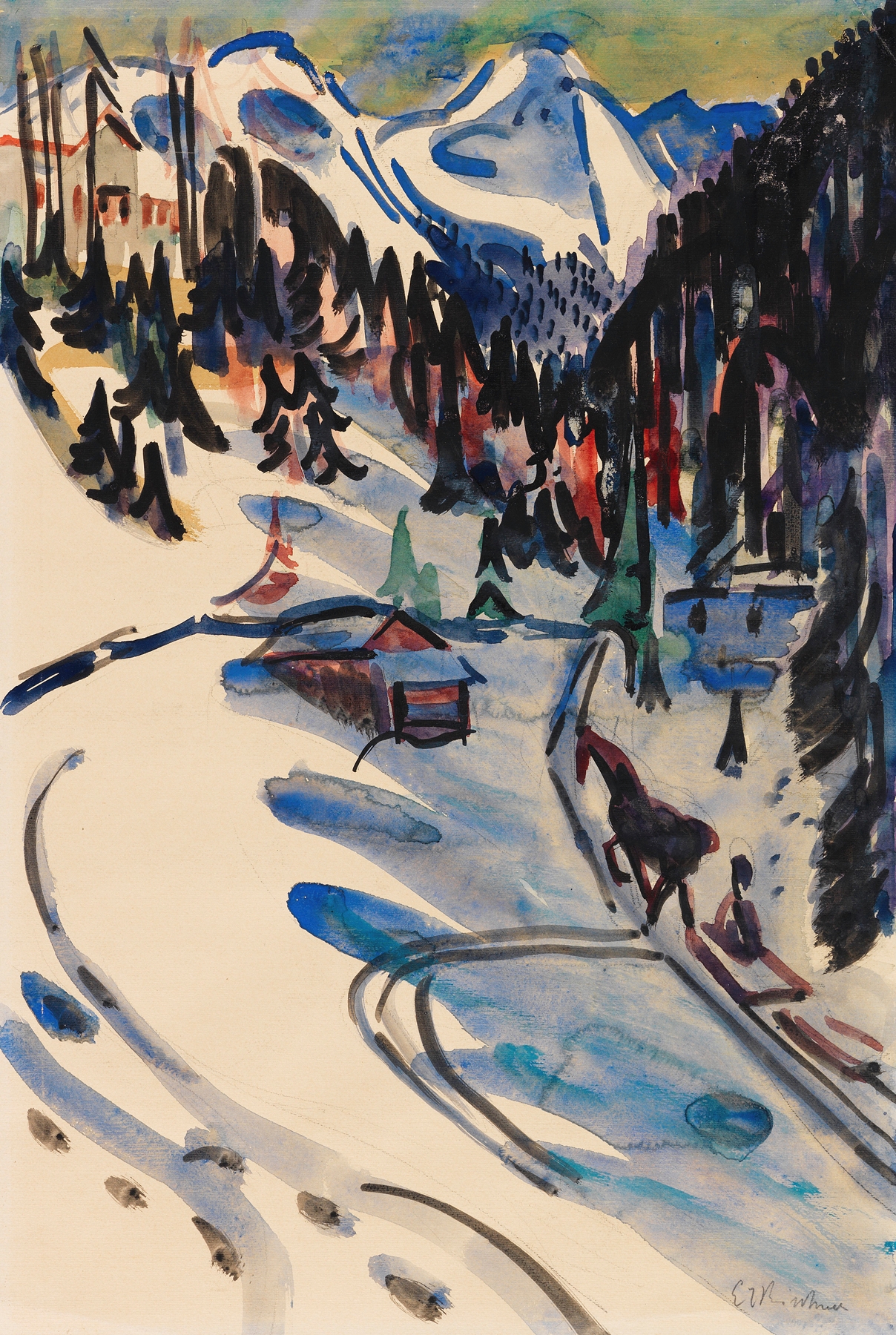
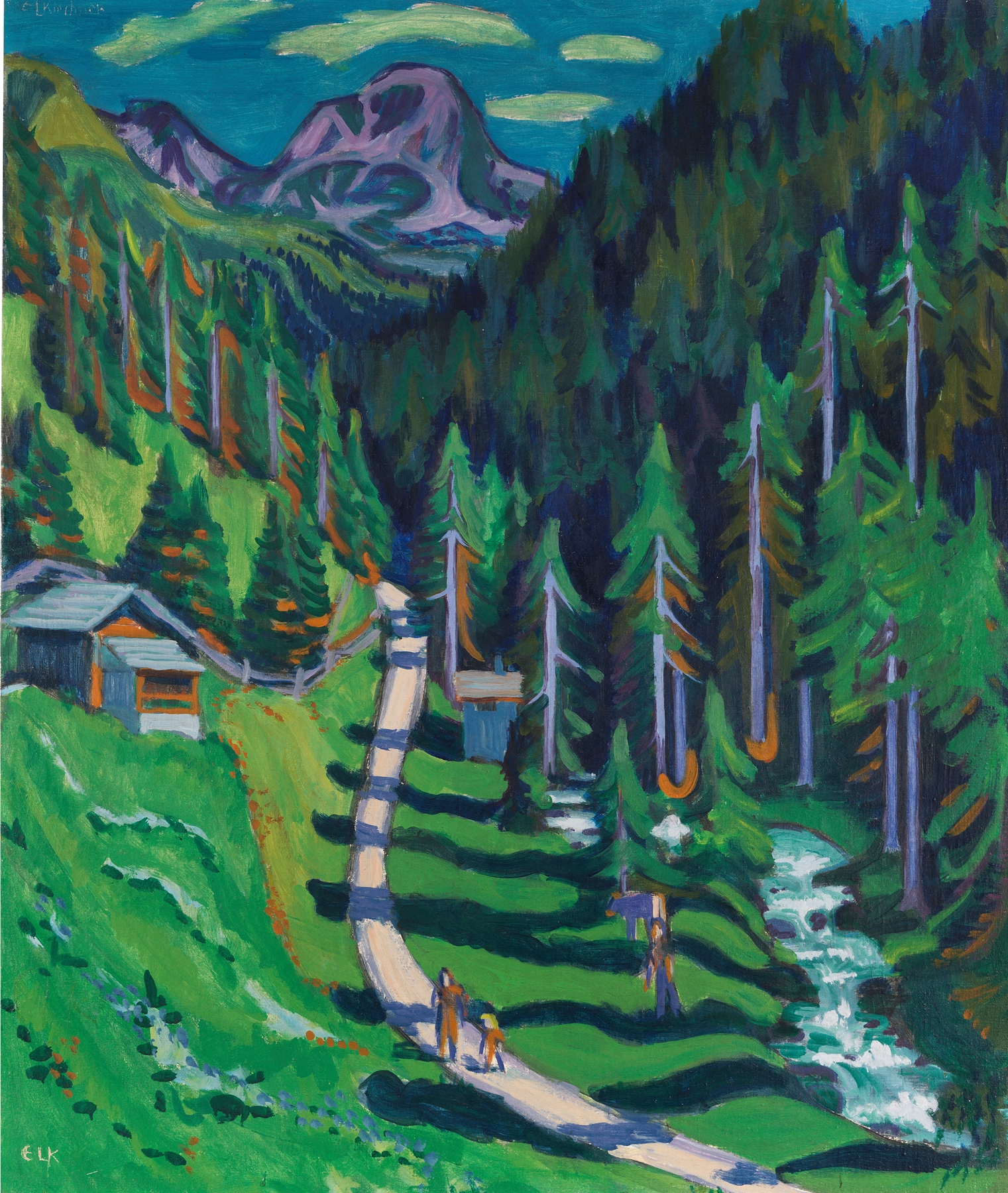
Is this a mirror — or a memory? The shadows cast by the iconic Brandenburg Gate stretch and swirl, not merely marking the ground, but evoking echoes of time and history, as if the past dances in the twilight of a new era. Look to the center of the canvas where the imposing structure stands resolute, its forms rendered in bold lines and vibrant colors. The deep earthy tones contrast with the strikingly bright hues surrounding it, creating a sense of movement and energy.
Notice how the play of light enhances the shadowed areas, imparting a dynamic quality that implies both strength and fragility. Entwined in the structure's silhouette, figures emerge, their postures animated yet elusive, suggesting a world in flux. Delve into the subtleties of emotion within the work; the tension between solid architecture and the ephemeral quality of the human form speaks to a yearning for connection in a rapidly changing society. Each shadow tells a story of what was once there, while hints of color suggest the vibrancy of life that persists amid uncertainty.
This interplay evokes not only the passage of time but the collective memory of a city grappling with its identity. In 1929, the artist found himself in Berlin, a city teetering on the brink of transformation amidst the tumultuous interwar period. The burgeoning modernist movements were reshaping artistic expression, reflecting the complexities of contemporary life. Kirchner, grappling with his own personal struggles, channeled the spirit of an era defined by chaos and innovation, capturing both the emblematic gate and the shadows of the past that linger around it.